
What you’ll learn
- The core scent profiles, notes, and performance of both iconic fragrances.
- How your individual skin chemistry entirely changes the way these scents project.
- A practical framework to match your lifestyle and aesthetic to the right bottle.
- Expert application hacks to maximize your luxury fragrance investment.
Introduction
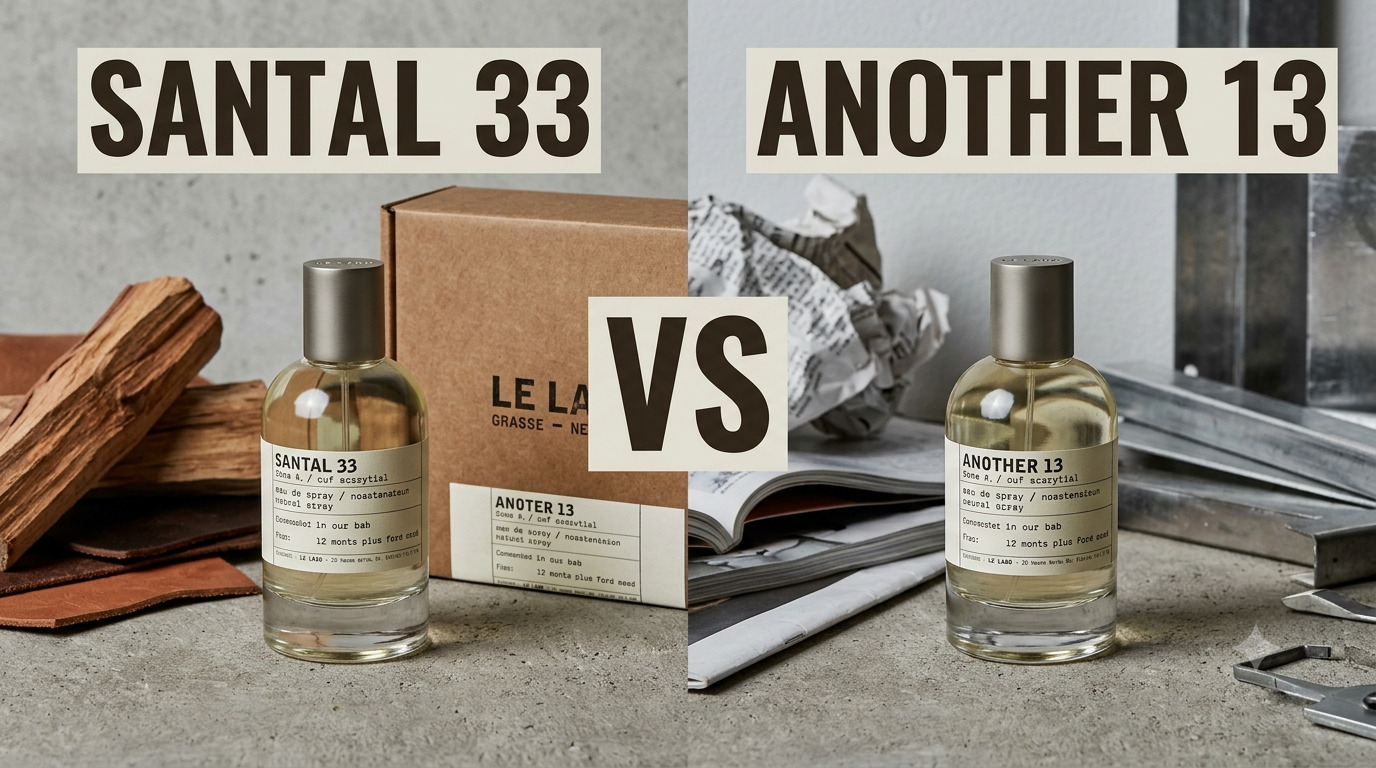
Walking into a high-end boutique or catching a scent trail on a busy city street often leads to a single, mesmerizing realization: you have just smelled Le Labo. The niche perfume house has completely redefined modern luxury perfumery, creating scents that operate more like personal statements than traditional cosmetics. If you are ready to invest in your first bottle from this legendary house, you are likely stuck in a classic dilemma: Le Labo Santal 33 vs Another 13.
Choosing between these two legendary fragrances can feel incredibly daunting because they represent completely different spectrums of modern scent design. One is a bold, unmistakable trailblazer that practically defined the olfactory aesthetic of the past decade. The other is a shape-shifting, minimalist masterpiece that whispers on the skin, drawing people in close with an addictive, clean magnetism.
Investing in a premium bottle of perfume is a financial commitment, and you want to ensure your first choice aligns perfectly with your lifestyle. Both scents have garnered fierce cult followings around the world for very distinct reasons. Let’s dive in.
The Rise of Cult Luxury Fragrances
Understanding the phenomenal success of Le Labo requires looking at how the brand flipped traditional perfumery on its head. Founded in New York in 2006, the brand bypassed mass-market marketing campaigns and flashy celebrity endorsements, focusing instead on raw, industrial aesthetics and fresh, hand-blended formulations. When considering Le Labo Santal 33 vs Another 13, you are choosing between two distinct eras of this revolutionary brand identity.
The global fragrance market has shifted dramatically toward niche, artisanal offerings over mass-market designer juices. Modern consumers increasingly crave exclusivity and personal expression over standardized, commercial scent profiles. Le Labo tapped into this desire perfectly by numbering their creations based on the exact amount of ingredients used in the formula, emphasizing transparency and craftsmanship.
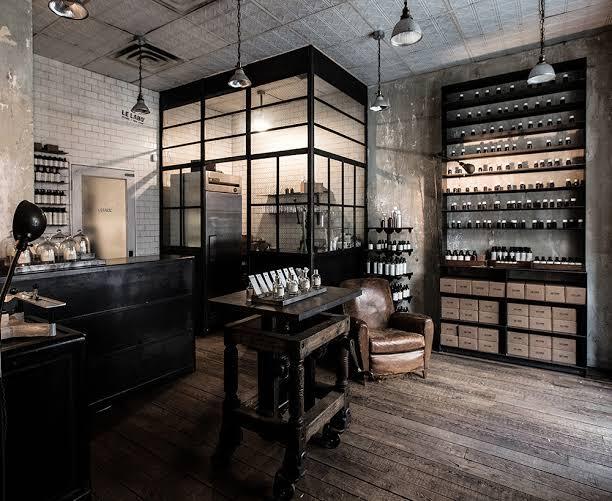
This unique approach turned their boutiques into olfactory sanctuaries where bottles are freshly hand-labeled with the date and location of creation. Consequently, owning a bottle became a badge of insider cultural status. Whether you choose the rich woodiness of Santal or the clean complexity of Another 13, you are participating in a rich history of modern luxury craftsmanship.
The Detailed Olfactory Breakdown
To make an informed purchase decision, we must dissect what actually goes inside these beautifully minimalist glass bottles. The way a perfume smells on paper can be vastly different from how it behaves on your warm skin over an eight-hour day. Let us explore the precise breakdown of both compositions to see how they stack up against each other.
Le Labo Santal 33 Profile
Santal 33 is a towering giant in the fragrance world, inspired by the spirit of the old American West and the smoky, rugged freedom of the open plains. The formulation relies on a heavy dose of rich sandalwood, combined with earthy papyrus and dry cedarwood. Spicy cardamom introduces the scent, while soft, powdery iris and violet add an unexpected floral contrast beneath the heavy woods.
This combination creates a dense, dry, and distinctly smoky aura that projects heavily off the skin. It does not hide in the background; rather, it makes an immediate statement the moment you enter a room. For many, it evokes images of worn leather jackets, crackling campfires, and old-growth forests drenched in afternoon sun.
Le Labo Another 13 Profile
In complete contrast, Another 13 was born out of a creative collaboration between Le Labo and AnOther Magazine back in 2010. The composition is built around a heavy concentration of ambroxan, a synthetic animalist creaminess that mimics natural ambergris. This high-tech molecule is layered gently with moss, jasmine, and sweet ambrette seed absolute.
The result is a clean, hyper-modern scent that often smells like fresh, high-quality glossy paper, warm skin, and clean laundry. It is notoriously difficult to pinpoint on a paper strip because it relies heavily on your body heat to radiate outwards. It has an ethereal, hypnotic quality that disappears and reappears throughout the day, teasing those around you.
Performance, Longevity, and Sillage
When comparing performance, both fragrances offer exceptional longevity, easily lasting over eight to ten hours on the skin. However, their sillage—the scent trail you leave behind—is completely different. Santal 33 possesses a loud, room-filling sillage that demands attention and lingers in the air long after you have departed.
Another 13 operates on an entirely different level of projection, utilizing a intimate, magnetic sillage. It creates a subtle personal aura that people only notice when they step into your personal space. It acts less like a traditional perfume and more like an enhancement of your natural, clean body chemistry.
How to Test Your Skin Chemistry
The golden rule of high-end perfumery is that your skin chemistry can completely alter, enhance, or ruin a fragrance formulation. Natural oils, skin pH levels, hydration, and even your diet play massive roles in how aromatic molecules unfold. Follow these essential steps to test Le Labo Santal 33 vs Another 13 accurately before buying.
1.Obtain Official Wearable Samples:Step 1.
Never buy a full bottle based on a quick spray at a department store counter. Purchase official 2ml discovery vials so you can test each fragrance individually over several full days.
2.Test Independently on Clean Skin:Step 2.
Apply one fragrance to your wrist after a morning shower, ensuring you have not used any scented body washes or moisturizers. Let it develop without mixing it with any other products.
3.Monitor the Development Phases:Step 3.
Check the scent at the 15-minute mark, the two-hour mark, and the six-hour mark. Note how the initial top notes give way to the deeper heart and base notes as your body heat activates the molecules.
4.Evaluate Public Reactions:Step 4.
Pay attention to whether you receive compliments or if the scent becomes overwhelming to your own nose. Take note of how long the fragrance remains noticeable on your clothing.
Common Perfume Pitfalls and Myths
One of the biggest mistakes fragrance enthusiasts make is assuming that a popular scent will automatically work for them. With Santal 33, there is a famous online phenomenon where certain noses process the combination of leather, papyrus, and violet as a sharp dill pickle note. If your skin chemistry leans highly acidic, you run a minor risk of bringing this culinary undertone to the forefront.
Another common myth surrounds Another 13 and the phenomenon of temporary anosmia, or scent blindness. Because it relies heavily on large synthetic molecules like ambroxan, your olfactory receptors can quickly become saturated and tune the scent out. Many people mistakenly believe the perfume has vanished, while everyone else around them can still smell its clean trail perfectly.
Important Note: Never rub your wrists together after applying a luxury perfume. Rubbing creates friction heat that breaks down the delicate top-note molecules prematurely, altering the intended development of the fragrance.
Inside Advice on maximizing Investment
If you want to stretch your investment further, pay close attention to how and where you apply your chosen fluid. Focus your sprays on key pulse points where blood vessels run closest to the skin surface, such as the sides of the neck and behind the knees. Applying a fragrance immediately after a shower while your pores are open helps lock the aromatic compounds into the skin matrix.
Furthermore, layering your fragrance over an unscented, high-quality moisturizer or pure jojoba oil provides a hydrating barrier that prevents your skin from rapidly absorbing the perfume oils. You can read more about our comprehensive guide to maximizing longevity in our seasonal fragrance application and storage guide.
The Ultimate Buyer Decision Matrix
To make your final decision as simple as possible, let us summarize the exact lifestyle archetypes and aesthetic profiles that suit each fragrance best. Look at how your daily routine, wardrobe choices, and personality align with the characteristics of these two modern titans.
| Olfactory Feature | Le Labo Santal 33 | Le Labo Another 13 |
| Primary Vibe | Bold, artistic, rugged, unforgettable | Clean, cozy, minimal, alluring |
| Best Settings | Outdoor events, creative offices, nightlife | Casual daywear, close intimate settings, travel |
| Seasonal Fit | Autumn and crisp winter months | Year-round versatility, exceptional in summer |
| Wardrobe Pair | Leather jackets, boots, structured tailoring | Crisp white shirts, oversized knits, streetwear |
If you pride yourself on a bold, expressive style and want your presence known before you speak, Santal 33 is your match. Alternatively, if you prefer an effortless, clean aesthetic that feels incredibly chic without trying too hard, Another 13 is the clear choice.
Conclusion
At the end of the day, deciding between Le Labo Santal 33 vs Another 13 comes down to how you want to interact with the world around you. Santal 33 is an external statement piece that announces your style to the room, while Another 13 is an intimate, magnetic secret shared only with those who get close. Both options deliver the incredible quality, complexity, and prestige that made the brand a global phenomenon.
Take your time testing them on your own skin, enjoy the process of discovery, and choose the bottle that makes you feel the most confident. Whichever path you choose, you are stepping into a beautiful world of elevated niche perfumery.
Did you find this helpful? Drop a comment below or share this with a fellow fragrance lover!
Frequently Asked Questions
Q1: Why is the Le Labo Santal 33 vs Another 13 comparison so popular among fragrance buyers?
A: This specific comparison is highly popular because these two scents represent the absolute best-selling, flagship pillars of the Le Labo brand. While Santal 33 represents the pinnacle of bold, dry woody aromatic design, Another 13 stands as the ultimate champion of clean, molecular skin scents, forcing buyers to choose between two completely opposing artistic styles.
Q2: Does Santal 33 actually smell like pickles to some people?
A: Yes, this is a real phenomenon caused by individual olfactory perception and skin chemistry. The specific combination of dry cedar, papyrus, and leather notes can occasionally trick the human brain into registering a dill-like aroma. This is exactly why testing a wearable sample on your skin for a few days is highly recommended before buying.
Q3: Can I wear Another 13 if I am sensitive to heavy, strong perfumes?
A: Absolutely. Another 13 is widely celebrated as an excellent option for individuals who suffer from fragrance-induced headaches. Because it relies primarily on clean, transparent synthetic molecules like ambroxan rather than heavy, thick florals or dense resins, it sits lightly on the skin and never feels overwhelming or cloying in enclosed spaces.
Q4: Which of these two fragrances is considered more gender-neutral?
A: Both compositions are completely unisex and designed to be worn by anyone, regardless of gender. Le Labo does not categorize any of their creations by gender lines. Santal 33 leans slightly more traditional-masculine due to its heavy wood and leather notes, while Another 13 remains perfectly neutral, smelling simply like fresh, clean luxury skin.
Q5: Why can’t I smell Another 13 on myself after applying it?
A: This occurs because of temporary olfactory fatigue, or anosmia. The heavy molecular structure of ambroxan can easily overwhelm your nose’s receptors if you smell it continuously. Even though your own brain might tune out the scent to save processing power, the people around you will still be able to catch your scent trail clearly.
Q6: Are these perfumes suitable for hot summer weather?
A: Another 13 shines beautifully in the high heat of summer, as sweat and body warmth lift the clean, musky ambergris molecules without making them heavy. Santal 33 can become slightly dense, smoky, and suffocating in high humidity, making it much better suited for cool spring days, crisp autumn evenings, and winter wear.
Acqua di Giò vs Stronger With You: The Ultimate Armani Fragrance Comparison
1 thought on “Le Labo Santal 33 vs Another 13 — Which to Buy First?”