What you’ll learn:
- Why Zara perfumes suddenly became a fragrance-community obsession
- What’s actually inside the juice — and how it compares to designer formulas
- Which Zara scents are worth your money (and which ones to skip)
- Simple tips to get the most longevity out of an affordable bottle
Introduction
Are Zara perfumes worth it, or is this just another TikTok trend riding on hype? That’s the question flooding fragrance forums this year, and it deserves a straight answer.
A $20 bottle that smells like a $200 designer release sounds too good to be true. Walk into any Zara store now and you’ll likely see the fragrance shelf half-empty, cleared out by shoppers chasing scents that supposedly mirror niche houses like Le Labo and Byredo.
But smelling similar in the bottle and performing like a luxury fragrance on skin are two very different things. That gap is exactly where most budget fragrance disappointments happen.
In this article, we’re pulling back the curtain on what actually goes into Zara’s formulas, how they hold up over eight hours of wear, and which bottles are genuinely worth adding to your collection. Let’s dive in.
Why Zara Perfume Suddenly Became a Big Deal
Zara has sold fragrances for years, but they stayed a quiet corner of the store until fragrance influencers started posting side-by-side comparisons with niche and designer scents.
The appeal is simple: Zara fragrance quality has visibly improved, and the price point undercuts nearly every competitor. Where a niche eau de parfum might run $150–$250, most Zara bottles sit between $16 and $30.
That price gap matters more now than ever. The global fragrance market has been growing steadily, and industry analysts have noted that affordable “dupe” fragrances are one of the fastest-growing categories within it, driven largely by younger shoppers priced out of luxury perfume houses.
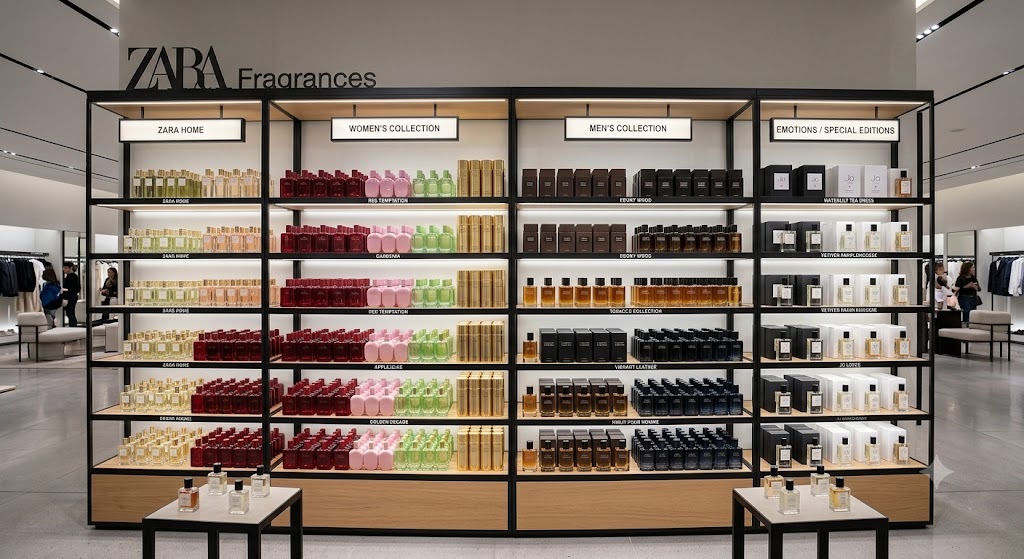
Zara doesn’t manufacture its own juice from scratch, either — like many mass-market brands, it works with established fragrance houses that also supply ingredients and formulas to bigger names. That’s part of why some Zara scents smell eerily close to fragrances costing ten times as much.
What’s Actually in the Bottle: A Real Look at Formula Quality
This is where the hype either holds up or falls apart. Let’s get into the specifics.
Concentration and Longevity
Most Zara fragrances are labeled Eau de Parfum, which technically means a higher concentration of aromatic compounds than an Eau de Toilette. On paper, that should mean stronger, longer-lasting scent.
In practice, wear time varies a lot bottle to bottle. Some Zara EDPs, like their citrus and fresh-aquatic releases, fade within two to three hours. Others, particularly the amber and vanilla-forward scents, can genuinely last six to eight hours on skin.
The inconsistency comes down to ingredient cost-cutting. Natural essential oils and rare aromachemicals are expensive, so budget formulas often lean on synthetic alternatives that smell great initially but don’t cling to skin the way pricier ingredients do.
Sillage and Projection
Sillage — the trail a fragrance leaves as you move — tends to be Zara’s weakest spot. Most bottles project well for the first 30 to 60 minutes, then settle close to the skin.
This isn’t necessarily a flaw. For office wear or daytime use, a closer-to-skin scent is often more appropriate anyway. If you want a big, room-filling sillage, you’ll likely need to reapply or layer.
Ingredient Transparency
Zara doesn’t publish full ingredient lists the way niche perfumers often do, which makes it harder to verify quality claims. What’s clear from wearer experience is that the top notes (the first thing you smell) are usually well-crafted and true to the inspiration scent.
The heart and base notes — the ones that determine how a fragrance actually smells hours later — are where budget formulas typically lose complexity. This is the main reason Zara perfumes smell fantastic in the store but can feel thinner by the evening.
How to Get the Most Out of an Affordable Bottle: Step-by-Step
If you’re going to buy a Zara fragrance, a few simple habits make a real difference in how it performs.
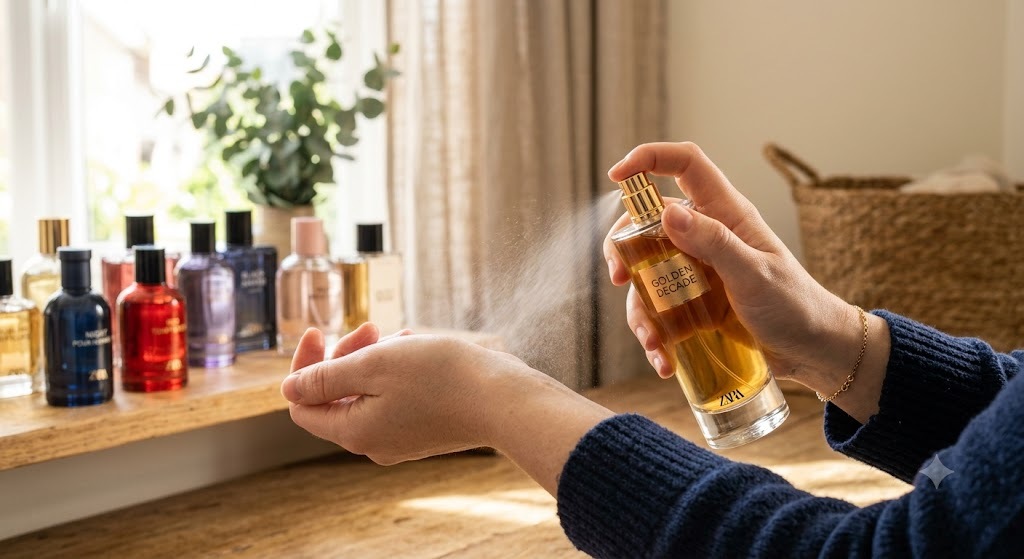
- Apply to moisturized skin. Fragrance clings better to hydrated skin than dry skin, which absorbs and dissipates scent faster.
- Target pulse points. Wrists, neck, and behind the ears generate warmth that helps the scent diffuse throughout the day.
- Don’t rub your wrists together. This breaks down the top notes and can make cheaper formulas fade even faster.
- Layer with an unscented lotion. A scent-free moisturizer underneath can extend wear time noticeably, especially for lighter Zara formulas.
- Store bottles away from sunlight and heat. Budget fragrances often use less stable compounds, which degrade faster if left in a hot bathroom or on a sunny windowsill.
- Carry the bottle for touch-ups. Given the shorter wear time of some Zara scents, a midday reapplication solves most longevity complaints.
Common Mistakes and Myths About Zara Perfumes
“Zara perfumes are exact dupes of designer scents.” They’re often inspired by similar notes and moods, but they are not identical formulas. Treat comparisons as “in the same family,” not carbon copies.
“Cheap means low quality across the board.” Formula quality varies bottle to bottle, even within the same brand. Some Zara releases genuinely outperform their price point; others don’t.
Buying based on the name alone. A scent named after a luxury inspiration doesn’t guarantee it smells or performs the same. Always test before committing, if possible.
Expecting all-day wear without reapplication. Budget formulas typically require more maintenance than luxury ones. Planning for a midday touch-up avoids disappointment.
Storing bottles incorrectly. Heat and light speed up degradation, especially in formulas with fewer stabilizing ingredients. A cool, dark drawer extends shelf life significantly.
Expert Tips for Choosing the Right Zara Scent
If you’re shopping the Zara fragrance line for the first time, focus on scent families that tend to perform best in affordable formulas.
Amber, vanilla, and woody-oriental scents generally have better staying power than citrus or aquatic ones, because those base notes are naturally heavier and cling to skin longer.
Test on skin, not just paper. Fragrance interacts with individual body chemistry, so a scent that smells incredible on a paper strip in-store can shift once it warms on your skin.
Consider building a small rotation rather than relying on one bottle for everything. Layering a lighter Zara scent for daytime with a heavier one for evening gives you more flexibility than expecting a single bottle to do it all.
Final Verdict: Are Zara Perfumes Worth It?
For the price, yes — with realistic expectations. Zara fragrance quality has genuinely improved, and several bottles offer impressive value, especially in the amber and woody categories.
Where they fall short of designer and niche fragrances is longevity and depth in the base notes. That’s the natural trade-off of an affordable formula, not a dealbreaker.
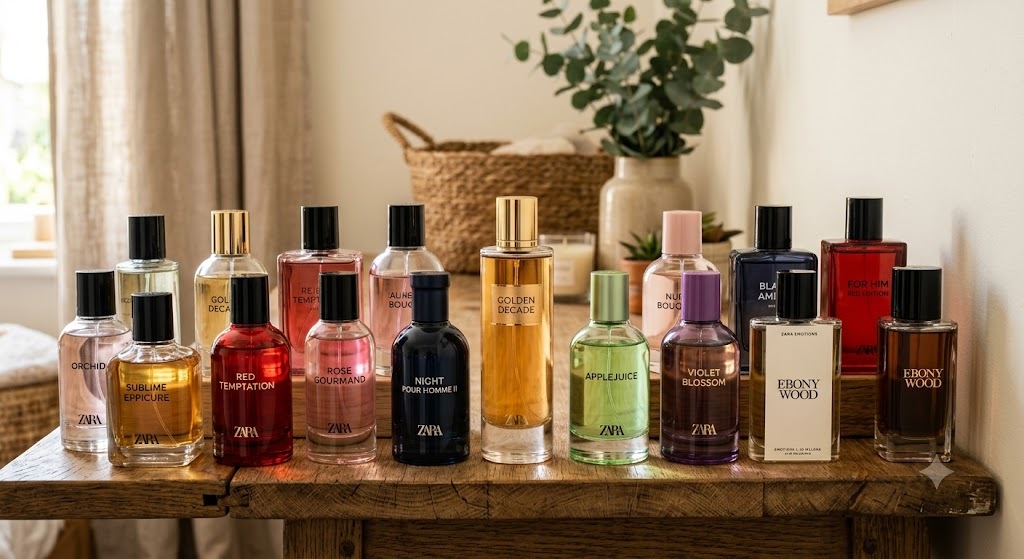
Think of Zara perfumes as excellent entry points or everyday options, not necessarily a full replacement for your signature luxury scent.
Conclusion
So, are Zara perfumes worth the hype? Largely, yes. They deliver genuinely enjoyable scents, strong opening notes, and a price point that makes experimenting with fragrance far less intimidating.
Just go in knowing the trade-offs — shorter wear time and less complexity in the base notes compared to designer bottles. With a few application tricks, you can stretch that performance considerably.
Whether you’re building a fragrance collection on a budget or just curious about the hype, Zara’s lineup is worth a sniff test at your local store.
Did you find this helpful? Drop a comment below or share this with a fellow fragrance lover!
Frequently Asked Questions
Q1: Are Zara perfumes actually good quality? A: Zara perfumes offer solid quality for the price, especially in amber and woody scent families. They won’t match the depth of niche or designer fragrances, but for everyday wear at $16–$30 a bottle, many shoppers find the quality genuinely surprising.
Q2: How long do Zara perfumes last on skin? A: Wear time varies widely by scent. Lighter citrus and fresh formulas may fade within 2–3 hours, while heavier amber and vanilla-based scents can last 6–8 hours with proper application to moisturized skin.
Q3: Do Zara perfumes smell like designer fragrances? A: Some Zara scents are inspired by popular designer and niche fragrances and share similar note profiles. They aren’t identical formulas, but the resemblance in mood and top notes is often close enough to notice.
Q4: Which Zara perfume lasts the longest? A: Generally, Zara’s amber, oud, and vanilla-forward releases outperform their citrus and aquatic scents in longevity, since heavier base notes naturally cling to skin longer than lighter, fresher ones.
Q5: Is it worth buying multiple Zara perfumes instead of one designer bottle? A: For many people, yes. Building a small rotation of Zara scents for different occasions costs less than a single designer bottle, and it lets you experiment with different fragrance families without a big investment.
Q6: How can I make my Zara perfume last longer? A: Apply to moisturized pulse points, avoid rubbing your wrists together, and carry the bottle for a midday touch-up. Storing it away from heat and sunlight also helps preserve the formula’s quality over time.
Leave a Reply