What you’ll learn
- What is attar perfume and how it differs from traditional alcohol-based sprays.
- The centuries-old traditional hydro-distillation extraction process used to make pure attars.
- How to properly apply and layer attar oils for maximum longevity on your skin.
- Essential tips for choosing, storing, and collecting high-grade natural attars.
Introduction
Imagine walking into a lush botanical garden just after a sudden summer rainstorm, where the warm earth breathes out rich, damp woody aromas mixed with sweet, crushed petals. If you have ever wondered what is attar perfume, you are looking at the answer: a bottled concentration of pure nature that captures that exact earthy, transcendent magic. While modern commercial shelves overflow with mass-produced, alcohol-heavy designer sprays, ancient traditions whisper a different secret to true fragrance lovers. For thousands of years, civilizations have relied on pure botanical oils pressed into a sandalwood base to create scents that change, bloom, and evolve uniquely with your body heat. These elixirs do not just sit on your skin; they melt into it, becoming an intimate second skin that lingers long after conventional perfumes have faded into thin air. If you are ready to step beyond the standard department store counter and explore the rich, captivating history of oil-based perfumery, you are in the exact right place. Let’s dive in.
The Deep Roots and Heritage of Botanical Oils
When exploring what is attar perfume, understanding its deep historical roots provides vital context for why these oils feel so luxurious. The word “attar” (or itr) traces its origins back to the Persian word itr, meaning scent or fragrance. Long before modern chemistry labs synthesized laboratory-grade aroma molecules, ancient artisans in the Middle East and the Indian subcontinent perfected the art of capturing nature’s purest soul.
Historical texts, including records from the Mughal Empire, document elaborate royal courts where master perfumers—known as attaris—crafted bespoke oil blends for emperors and queens. Unlike modern synthetic creations engineered to smell identical on every single person, traditional attars are living concoctions. They interact dynamically with your skin’s unique pH and natural oils, creating a signature aroma that belongs exclusively to you.

The Ancient Craft and Varieties of Attar
The magic of attars lies entirely in their meticulous, time-honored production method. Unlike liquid sprays that dilute raw materials in heavy amounts of ethanol, pure attars are crafted using a slow, patience-testing artisan process that has remained virtually unchanged for centuries.
The Traditional Deg-Bhapka Distillation Process
The creation of a genuine attar begins in places like Kannauj, often called the “Grasse of the East.” Artisans place raw botanical materials—such as Damask roses, jasmine blossoms, vetiver roots, or earthy clay (mitti)—into large copper stills called degs. These are sealed with wet mud and heated gently over a wood or biomass fire.
The fragrant steam travels through bamboo pipes into copper receivers (bhapkas) submerged in cold water tanks to condense. Crucially, this distillation happens directly into a base carrier oil, traditionally pure Mysore sandalwood oil. Over weeks and months, the sandalwood base absorbs and matures with the botanical essence, resulting in a rich, multi-layered elixir of unmatched depth.
Common Botanical Bases and Classifications
Attars are broadly categorized based on the base carrier used and the dominant natural note extracted. Sandalwood acts as the gold standard base because of its creamy, buttery aroma and fixative properties that make the fragrance last for hours.
However, because pure sandalwood has become increasingly rare and expensive, modern ethical attars also utilize alternative high-grade carrier oils like fractionated coconut oil or jojoba oil. Within these bases, you will find floral attars like Gulab (rose) and Mogra (jasmine), spicy or woody attars like Oud (agarwood) and Zafran (saffron), and the fascinating Mitti attar, which captures the exact smell of parched earth meeting the very first monsoon rains.
Alcohol-Free Purity and Skin Sensitivity
A defining characteristic of what is attar perfume is its complete lack of denatured alcohol. Commercial perfumes often contain up to 80% alcohol, which acts as a carrier to project the scent quickly before evaporating into the atmosphere. This rapid evaporation can dry out sensitive skin and cause irritation.
Because attars are strictly oil-based, they are exceptionally gentle on the skin. They do not sting when applied to pulse points, making them a favorite alternative for individuals with eczema, dry skin, or chemical sensitivities to standard commercial fragrances.
Step-by-Step Guide to Applying Attar Perfume
Applying a concentrated oil fragrance requires a slightly different technique than pressing the nozzle of a standard aerosol or spray bottle. Mastering this ritual ensures you get maximum projection and longevity out of your precious bottle.
- Target Your Pulse Points: Apply a tiny drop of attar to warm areas of your body where blood vessels sit close to the surface, such as your wrists, the crook of your elbows, behind your earlobes, and the base of your neck.
- Use the Dab-and-Press Method: Never rub your wrists together after application. Rubbing generates friction and heat, which breaks down the delicate top notes of the botanical oil and diminishes the overall scent profile. Instead, gently dab or press your wrists together.
- Apply to Hydrated Skin: Oils cling much better to moisturized skin. Apply an unscented lotion or a tiny drop of carrier oil to your pulse points before applying your attar to lock the fragrance in place for hours longer.
- Try Fabric Application: Because high-grade natural attars are dark or amber-colored, avoid applying them directly to white or delicate silk garments. However, a tiny swipe on the inner seam of a wool scarf or jacket collar will diffuse the scent beautifully as you move throughout the day.
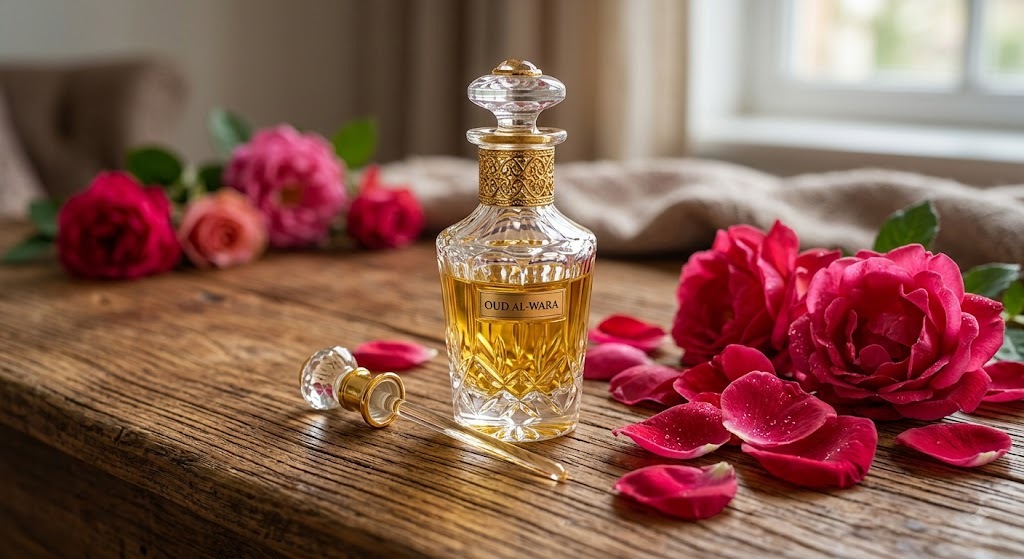
- Less Is More: Remember that attars are intensely concentrated extracts. A single drop from a traditional glass dipping rod (muckhalat stick) is often more than enough to project gracefully for an entire workday.
Common Mistakes People Make With Natural Oils
Venturing into the world of traditional oils is an exciting journey, but beginners often fall into a few common traps that can ruin their experience. Avoiding these pitfalls guarantees a much more rewarding fragrance ritual.
- Expecting Instant Loud Projection: Commercial perfumes hit you instantly with a massive chemical cloud due to alcohol vaporization. Attars are subtle bloomers; they warm up slowly with your body temperature, offering an intimate, sophisticated scent bubble rather than filling an entire elevator.
- Storing Bottles in Direct Sunlight: Natural botanical oils are delicate living entities. Leaving your attar bottles on a sunny windowsill or inside a hot bathroom will rapidly degrade the top notes and ruin the complex organic compounds. Store them in a cool, dark place like a drawer or a dedicated fragrance box.
- Assuming All “Attars” Are Natural: The market today features many synthetic attars sold cheaply in tourist bazaars. True artisanal attars derived from pure hydro-distilled flowers and genuine sandalwood or high-end carriers require immense labor and carry a higher price tag. Always buy from reputable houses that transparently list their ingredients.
- Over-Applying on the First Try: Because they lack the strong initial alcohol warning sting, beginners often apply far too much oil. Start with a single microscopic drop until you understand how powerfully your chosen blend projects.
Expert Tips for Layering and Collecting
Taking your fragrance game to an expert level involves experimenting with oil layering and building a versatile collection. Fragrance enthusiasts love creating custom scent profiles by combining different single-note oils.
Pro tip: Try pairing a heavy, smoky oud oil with a bright, sweet floral note like rose or jasmine. The deep, animalic warmth of the oud grounds the bright sweetness of the flower, creating a rich, complex aroma that rivals niche luxury perfumes costing hundreds of dollars more.
For more inspiration on pairing and discovering unique scent combinations, check out our guide on. Building a collection of versatile oils—ranging from crisp citrus notes to deep, resinous woods—ensures you have the perfect signature scent for every season and mood.
Summary and Final Recommendations
Stepping into the world of traditional botanical oils opens up a slower, more mindful approach to personal grooming. Knowing what is attar perfume means recognizing the incredible artistry, heritage, and patience packed into every single drop. These alcohol-free elixirs respect your skin, honor ancient distilling traditions, and offer a deeply personal scent experience that standard commercial sprays simply cannot replicate.
Whether you opt for a soothing floral rose oil for spring days or a rich, mysterious agarwood blend for winter evenings, adding a quality attar to your vanity elevates your daily routine into a luxurious ritual. Start with a small sampler set from a trusted artisan brand, experiment with pulse point placement, and enjoy watching how your skin transforms a simple oil into your own signature masterpiece.

Conclusion
Embracing the rich world of traditional oil-based fragrances connects us to thousands of years of human history and artistry. These precious elixirs offer a sensory depth, skin-friendly purity, and long-lasting intimacy that modern synthetic sprays rarely achieve. By understanding what is attar perfume, you can confidently navigate the market, choose authentic botanical blends, and wear scents that truly reflect your individual personality. Take your time exploring these magnificent oils, and let your senses guide your journey. Did you find this helpful? Drop a comment below or share this with a fellow fragrance lover!
Frequently Asked Questions
Q1: What is attar perfume and how is it different from regular perfume? A: Attar perfume is a natural, traditional fragrance oil extracted from botanical sources using hydro-distillation and blended into a carrier base like sandalwood or jojoba oil. Unlike regular perfumes, attars contain zero alcohol, making them much gentler on the skin, longer-lasting, and far more intimate in their projection as they evolve with your unique body chemistry.
Q2: How long does attar perfume last on the skin? A: Because pure attars are highly concentrated oils without evaporating alcohol, they typically last anywhere from 8 to 12 hours on the skin. High-end variations featuring heavy base notes like natural oud, amber, or sandalwood can even linger on clothing and pulse points for over 24 hours.
Q3: Can I wear attar if I have sensitive skin? A: Yes, absolutely. Traditional attars are considered one of the safest fragrance options for sensitive skin types. Because they do not contain denatured alcohol or harsh synthetic chemical fixatives that strip natural skin moisture, they rarely cause the dryness, redness, or irritation often triggered by commercial alcohol-based sprays.
Q4: Should I rub my wrists together after applying attar oil? A: No, you should never rub your wrists together after applying attar. Friction generates heat that breaks down the delicate top and middle notes of the natural botanical oils, altering the scent profile and causing the fragrance to fade much faster than intended.
Q5: Why are some attars so expensive? A: Authentic artisanal attars require massive quantities of raw natural materials—such as thousands of hand-picked flower petals or rare aged agarwood—along with weeks of intensive, manual hydro-distillation. When combined with pure natural sandalwood or high-grade carrier oils, the labor-intensive production reflects in the premium price tag.
Q6: How should I store my attar perfume bottles to keep them fresh? A: To preserve the integrity of natural botanical oils, store your attar bottles in a cool, dark place away from direct sunlight and dramatic temperature fluctuations, such as a wooden drawer or a dedicated fragrance storage box. Avoid keeping them in humid, warm bathrooms.
Leave a Reply