What you’ll learn:
- What petrichor actually is and why perfumers struggle to bottle it
- The best moss and petrichor perfumes worth trying right now
- How to tell a true “rain scent” from a marketing gimmick
- Simple tips for finding a petrichor fragrance that suits your skin and style
Introduction
There’s a specific kind of joy in stepping outside right after a summer storm, when the air smells like wet stone, damp soil, and something green and alive. A good petrichor perfume tries to capture exactly that moment.
It’s one of the hardest scents in the world to recreate, which is part of why moss and petrichor fragrances have such a devoted following among fragrance lovers who crave something different from the usual florals and gourmands. If you’ve ever wondered whether a bottle could actually smell like rain, you’re not alone.
In this guide, we’ll walk through what petrichor really is, the best moss and petrichor perfumes on the market, and how to choose one that fits your personal style. Let’s dive in.
Why Petrichor Perfumes Are Having a Moment
Petrichor is the scientific term for the smell that rises from the ground after rain. It comes from a combination of ozone, plant oils, and a compound called geosmin, which is produced by soil bacteria and is detectable by the human nose at astonishingly low concentrations.
That sensitivity is a big reason petrichor and moss fragrances have become such a fascinating category. Perfumers can’t literally bottle rain, so they lean on mossy, mineral, and green notes like oakmoss, vetiver, and ozonic accords to suggest that same damp, earthy feeling.

This niche has grown alongside a broader shift toward “nature-inspired” and mineral fragrances, as more people move away from heavy sweet scents toward something that feels grounded and atmospheric. A rain-scented perfume doesn’t shout for attention; it settles in quietly, the way a real storm does.
The Best Moss and Petrichor Perfumes to Try
There’s no single formula for a great rain scent, which is what makes exploring this category so rewarding. Some fragrances lean into damp moss, others chase that electric ozone smell, and a few nail the mineral, wet-stone quality of petrichor itself.
Demeter Fragrance Library — Rain
Demeter built its reputation on hyper-specific, single-note scents, and their Rain fragrance is often the first stop for anyone curious about this category. It’s light, clean, and almost startlingly literal, evoking the smell of a fresh downpour on pavement.
It won’t turn heads with complexity, but that’s not really the point. It’s a mood in a bottle, best worn when you want something subtle and true to its name rather than a full perfume experience.
Comme des Garçons — Grey Vetiver-adjacent Earthy Blends
Comme des Garçons has long experimented with unconventional, mineral-forward compositions that lean into wet stone and smoky earth rather than florals or fruit. These scents tend to feel architectural, almost sculptural, more like walking through a rain-soaked alley than a garden.
They’re a great pick for someone who finds traditional “clean” scents too sweet or synthetic and wants something with real texture and edge.
Ormonde Jayne — Ormonde Woman
Ormonde Woman is frequently cited by fragrance enthusiasts as one of the best modern interpretations of mossy, green depth. It layers oakmoss, black hemlock, and cardamom into something that feels dark, damp, and deeply atmospheric.
It’s a more grown-up, evening-appropriate take on the petrichor theme, leaning heavier and more mysterious than the lighter, literal rain scents.
Aesop — Marrakesh Intense
Aesop’s fragrances often incorporate warm spice alongside earthy, resinous notes, and Marrakesh Intense is a favorite among people who want their moss to feel warm rather than cold. It brings mineral, woody depth without losing the sense of freshness that makes petrichor scents so appealing in the first place.

How to Choose the Right Petrichor Perfume for You
Picking a moss or petrichor fragrance isn’t like picking a floral or a gourmand scent, since the differences between options can be subtle. Here’s a simple way to narrow it down.
- Decide if you want literal or abstract. Some fragrances (like Demeter’s Rain) aim for a direct, realistic rain smell. Others use rain as inspiration for something more layered and wearable.
- Test in different weather. Mossy, damp scents can read very differently on a humid day versus a dry, cold one. If possible, try a sample across a few different conditions.
- Think about the season. Lighter ozonic rain scents tend to shine in spring and summer, while deeper mossy blends with vetiver or oakmoss lean into fall and winter.
- Pay attention to skin chemistry. Earthy notes like oakmoss and vetiver can smell noticeably different depending on your skin’s natural oils and pH, so a scent that’s stunning on a friend might read differently on you.
- Start with a sample, not a full bottle. Petrichor scents are polarizing by nature. A 2–5ml sample lets you live with it for a few days before committing.
Common Mistakes People Make With Rain-Scented Perfumes
Even fragrance lovers who are excited about this category can trip up when shopping for moss and petrichor scents. Here are a few things to watch for.
Assuming “fresh” means “petrichor.” Many perfumes labeled “fresh” are actually citrus- or aquatic-forward, which is a completely different smell profile than true earthy, mossy rain scents.
Overspraying. Because petrichor scents are meant to feel subtle and atmospheric, one or two sprays usually does the job. Overapplying can push a delicate earthy scent into something that reads as simply “dirt.”
Ignoring longevity expectations. Ozonic and mineral notes are often more volatile than heavier woods or ambers, meaning some rain scents fade faster. That’s normal, not a flaw.
Buying blind based on the name alone. A perfume literally called “Rain” or “Petrichor” doesn’t guarantee it’ll smell realistic — always check reviews or, better yet, try a sample first.
Expert Tips for Wearing Moss and Earthy Fragrances
Petrichor and moss fragrances reward a slightly different approach than sweeter, louder scents.
Layering can help extend a subtle rain scent’s presence. A matching unscented or lightly scented lotion underneath your fragrance can help the earthy notes cling a bit longer to skin.
Storage matters more than people expect. Earthy, mossy compositions can be sensitive to heat and light, so keeping them in a cool, dark spot helps preserve the delicate balance between the green and mineral notes.
Consider pairing a petrichor scent with the season rather than fighting it. Wearing a mossy rain fragrance on an actual rainy day tends to feel more cohesive and intentional than forcing it into bright, dry summer heat.
Final Recommendations: Bringing the Smell of Rain Home
If you’re new to the category, start light. Demeter’s Rain is an easy, affordable way to understand what a literal petrichor scent smells like before exploring more complex options.
If you want something wearable and layered, Aesop’s Marrakesh Intense or Ormonde Jayne’s Ormonde Woman offer a more sophisticated, long-term signature scent built around moss and earth.
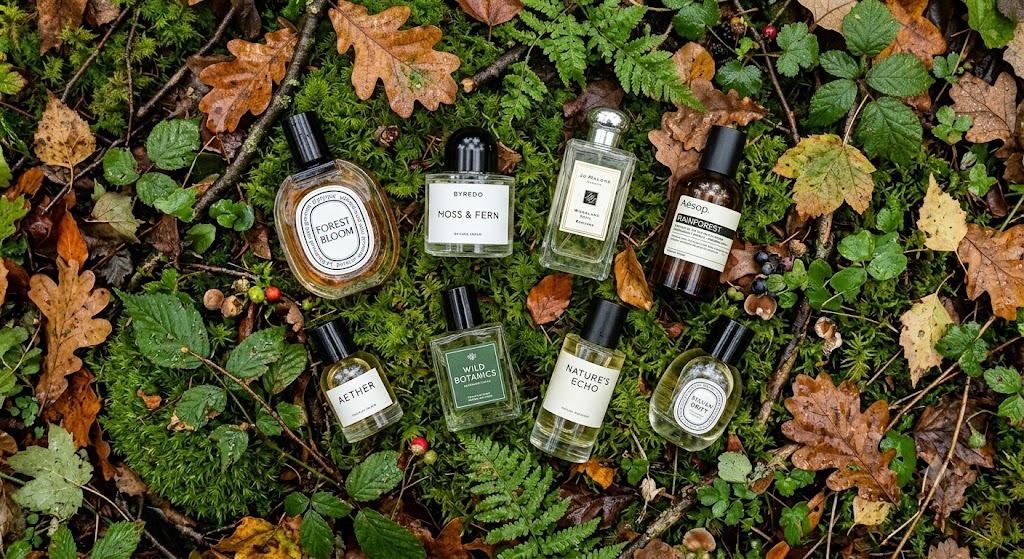
For those who love bold, unconventional scents, Comme des Garçons’ earthier compositions are worth exploring for something that truly stands apart from the typical perfume counter.
Conclusion
Moss and petrichor perfumes offer something genuinely different in a market crowded with florals and sweet gourmands. Whether you’re drawn to the literal freshness of rain on pavement or the deeper, mossy richness of a forest floor, there’s a petrichor perfume out there that captures that feeling.
The best approach is to sample a few, pay attention to how they evolve on your skin, and let the season guide your choice. A great rain-scented perfume doesn’t just smell good; it brings back a feeling.
Did you find this helpful? Drop a comment below or share this with a fellow fragrance lover!
Frequently Asked Questions
Q1: What does petrichor perfume actually smell like? A: True petrichor perfumes aim to recreate the earthy, mineral scent of rain hitting dry ground. Expect notes like wet stone, moss, vetiver, and ozonic accords rather than floral or fruity tones. The effect is subtle and atmospheric rather than sweet or bold.
Q2: Is petrichor a real scent note used in perfumery? A: Petrichor itself isn’t a single ingredient; it’s a natural phenomenon caused by geosmin and plant oils released after rain. Perfumers recreate the effect using moss, mineral, and ozonic accords rather than bottling rain directly.
Q3: What’s the difference between a moss perfume and a petrichor perfume? A: Moss perfumes focus on damp, green, earthy notes like oakmoss and vetiver. Petrichor perfumes aim specifically to mimic the smell of rain on dry ground, which often includes moss but also mineral and ozonic elements.
Q4: Do rain-scented perfumes last as long as traditional perfumes? A: Often not quite as long, since ozonic and mineral notes tend to be lighter and more volatile than heavy woods or ambers. This is normal for the category and doesn’t mean the fragrance is poor quality.
Q5: Are petrichor perfumes unisex? A: Yes, most moss and petrichor fragrances are designed to be unisex, since earthy and mineral notes don’t carry strong gendered associations the way traditional florals or musks sometimes do.
Q6: What season is best for wearing a petrichor perfume? A: Lighter, ozonic rain scents tend to work well in spring and summer, while deeper mossy blends with vetiver or oakmoss suit fall and winter best. Many people also enjoy wearing them specifically on rainy days for a cohesive effect.
Leave a Reply