
What you’ll learn
- Why scent and stillness are so deeply connected
- The specific notes that calm the nervous system (and which ones overstimulate it)
- A curated list of the best perfumes for meditation and mindfulness, by mood and moment
- Common mistakes people make when choosing a “meditation scent” — and how to avoid them
Introduction
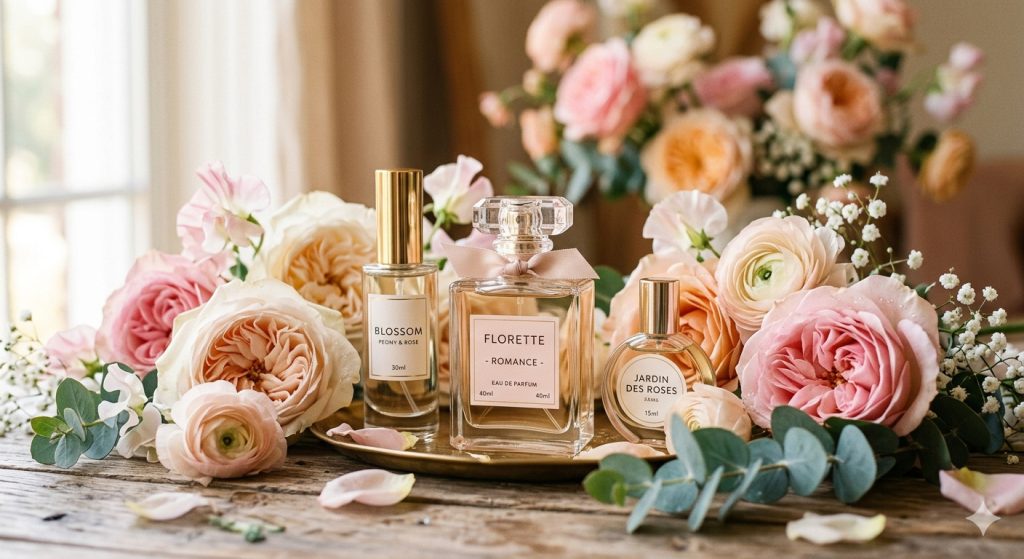
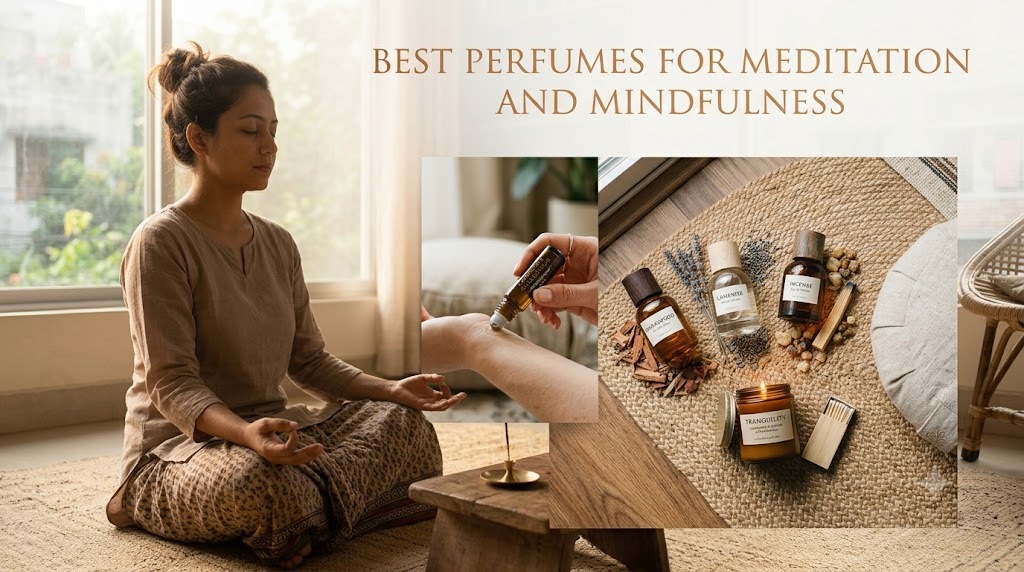
The best perfumes for meditation and mindfulness don’t shout for attention — they settle into the background and quietly anchor you to the present moment. If you’ve ever lit a candle before sitting down to meditate, you already understand the power of scent to signal “it’s time to slow down.”
Fragrance is one of the fastest ways to shift your mental state, because smell bypasses the analytical brain and speaks directly to the limbic system, the seat of memory and emotion. That’s why a single spritz of sandalwood or a warm trail of incense can pull you out of a scattered headspace almost instantly.
In this guide, we’re exploring which notes actually support stillness, which ones work against it, and a full roundup of the best perfumes for meditation and mindfulness — from budget-friendly oils to splurge-worthy niche bottles.
Let’s dive in.
Why Scent Matters for Mindfulness
Meditation is fundamentally about anchoring attention. Most practices use the breath as that anchor, but scent can serve the same purpose — and for many people, it’s easier to hold onto.
When you inhale a calming fragrance, olfactory receptors send signals straight to the amygdala and hippocampus, skipping the slower processing route that sounds and images take. This is part of why aromatherapy has been studied for its effects on stress and cortisol levels, and why spas and yoga studios lean so heavily on scent.
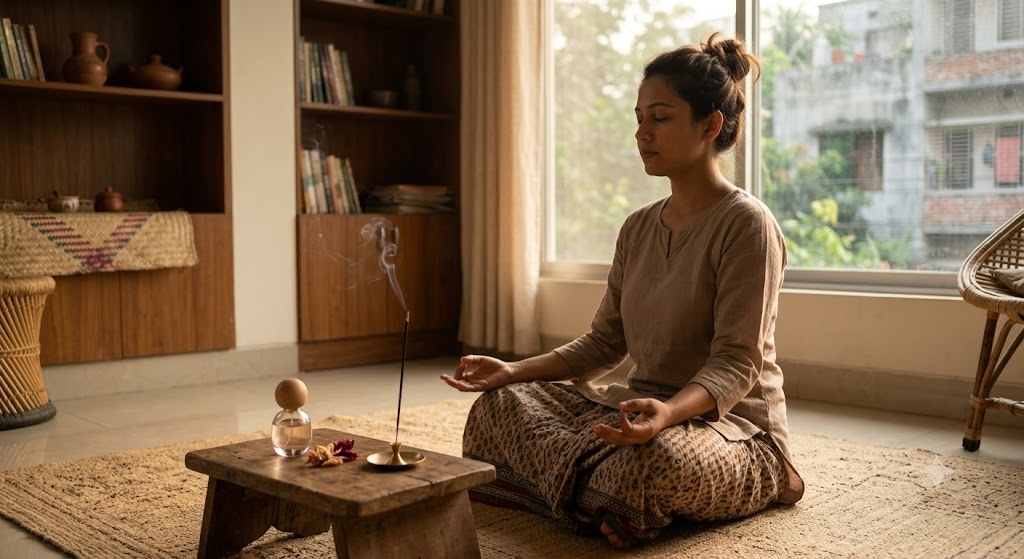
A well-chosen mindfulness fragrance also builds a ritual. Wearing the same calming scent every time you sit down to practice trains your brain to associate that smell with stillness — so eventually, just a whiff of it can start easing you into a meditative state before you’ve even closed your eyes.
The Best Perfumes for Meditation and Mindfulness
Not every “calming” fragrance actually calms. The heart of this guide breaks down the specific families that work — and gives real examples you can try.
Woody and Sandalwood Scents
Sandalwood is probably the single most trusted note in the meditation world, and for good reason. It’s warm, creamy, and slightly milky, with none of the sharpness that citrus or spice can bring.
Le Labo Santal 33 is a modern classic here — smoky, leathery, and grounding without being heavy. For something gentler, Neom Organics’ Real Luxury blends sandalwood with lavender and Brazilian rosewood for a softer, more floral take on the same grounding effect.
If you prefer something closer to traditional aromatherapy, Nag Champa attars (widely available as pure oils) combine sandalwood with a resinous, temple-like sweetness that many long-time meditators swear by.
Incense and Resinous Scents
Frankincense and myrrh have been used in contemplative rituals for thousands of years, and they remain some of the best perfumes for meditation and mindfulness today.
Diptyque’s Eau des Sens offers a bright, resinous take that still feels calm rather than heavy. For something more monastic, Comme des Garçons Avignon recreates the smoky, church-incense feeling almost exactly — it’s polarizing, but devotees say nothing else brings them into a meditative headspace as fast.
These scents tend to work especially well for evening practice, when you want something a little heavier and more enveloping than a morning fragrance.
Herbal and Green Scents
Lavender is the obvious starting point — it’s one of the few scents with real research behind its calming effects, shown in several small studies to lower heart rate and anxiety markers.
Jo Malone’s Lavender & Moonflower keeps things light and soft, while L’Occitane’s Lavender eau de toilette is a more affordable, herbal-forward option that many people keep by their nightstand specifically for winding down.
Beyond lavender, look for clary sage, vetiver, and chamomile — all herbal notes that tend to lower the emotional temperature of a fragrance rather than raise it.
How to Choose Your Meditation Scent: Step-by-Step
Picking the right fragrance for your practice isn’t about finding the “best” one on paper — it’s about testing what actually settles your nervous system.
- Test on skin, not paper. Body chemistry changes how a scent unfolds, especially the calming base notes that only show up after 20–30 minutes.
- Wear it during an actual sit. Spray it on, then meditate for 10 minutes and notice whether your shoulders relax or your mind stays busy.
- Keep it simple. One or two dominant notes (like sandalwood or lavender) work better than complex, multi-layered perfumes for this specific purpose.
- Separate it from your everyday scent. Using a dedicated “practice only” fragrance strengthens the ritual association over time.
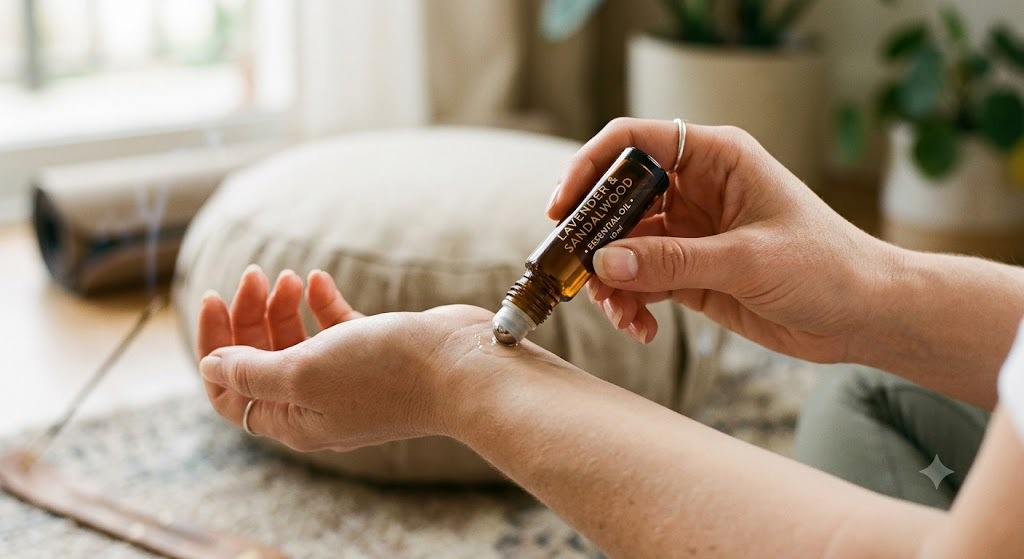
- Go easy on application. A light touch — one spray on the wrist or a dab of oil at the pulse points — is plenty. Overapplication can overwhelm rather than soothe.
Common Mistakes People Make With Meditation Fragrances
Mistake 1: Choosing based on hype, not personal response. A scent that works for a wellness influencer might feel cloying or sharp to your own nose. Trust your own reaction over reviews.
Mistake 2: Picking overly sweet or gourmand scents. Vanilla-heavy or candy-like fragrances can be lovely, but they tend to stimulate cravings and appetite rather than stillness.
Mistake 3: Spraying too much. More product doesn’t mean more calm — it usually means a headache and a fragrance that overwhelms your senses instead of settling them.
Mistake 4: Ignoring citrus and spice top notes. Many perfumes open bright and zesty before settling into a calmer base. If you’re meditating right after applying, you may catch the fragrance at its most stimulating moment rather than its most grounding one.
Mistake 5: Assuming “natural” always means “calming.” Some essential oils, like peppermint or rosemary, are actually energizing rather than relaxing — great for a morning workout, less so for a sunset meditation session.
Expert Tips for Building a Scent Ritual
Perfumers and aromatherapists both agree on one thing: consistency matters more than the specific bottle you choose. Wearing the same scent at the same point in your routine — right before you sit, every time — is what actually trains the brain-scent association.
Layering can help too. Try a lightly scented candle or diffuser as your room’s base note, then a personal fragrance as the “anchor” scent you carry with you. This creates a fuller sensory environment without any single element being overpowering.
For a deeper dive into building sensory rituals beyond scent, check out our related piece on .
Finally, consider the season. A resinous, heavier scent like myrrh might feel perfect in winter but cloying in July, when a lighter vetiver or green tea note may serve your practice better.
Final Recommendations: Your Meditation Scent Shortlist
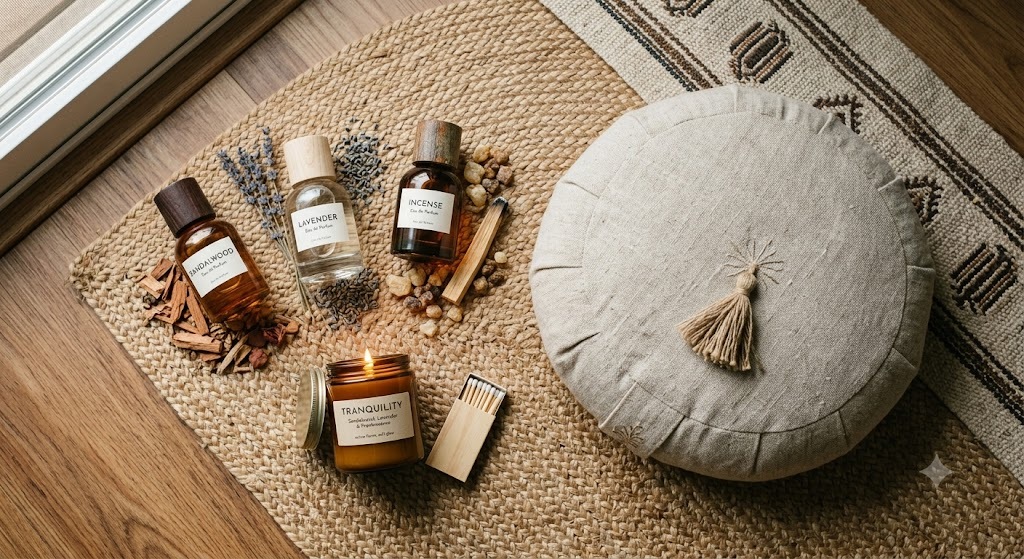
If you want one bottle to start with, sandalwood-forward fragrances are the safest, most universally calming choice — Le Labo Santal 33 or a simple sandalwood attar are both excellent entry points.
If lavender’s research-backed calming effects appeal to you, a straightforward lavender eau de toilette is affordable and effective.
And if your practice leans more spiritual or ritualistic, a resinous incense-based scent like Comme des Garçons Avignon can deepen that sense of ceremony every time you sit down.
Conclusion
Choosing among the best perfumes for meditation and mindfulness ultimately comes down to what helps your own mind settle — not what’s trending. Sandalwood, lavender, and resinous incense notes each offer a scientifically and traditionally supported path toward stillness, but the real magic happens when you pair a scent with a consistent ritual.
Start small: pick one fragrance, wear it only during your practice, and give it a few weeks to become part of your body’s cue for calm. Over time, that scent alone may be enough to bring your mind home.
Did you find this helpful? Drop a comment below or share this with a fellow fragrance lover!
Frequently Asked Questions
Q1: What is the best perfume for meditation and mindfulness beginners? A: Sandalwood-based fragrances are the easiest starting point. They’re warm, simple, and rarely overwhelming, making them ideal if you’re new to using scent as part of a meditation ritual. Le Labo Santal 33 and basic sandalwood attars are both beginner-friendly.
Q2: Can lavender really help with relaxation? A: Yes — lavender is one of the most studied calming scents, with research linking it to lower heart rate and reduced anxiety symptoms. It’s a reliable, research-backed choice for a mindfulness fragrance, especially in the evening.
Q3: Should I wear perfume during yoga or only during seated meditation? A: Either works. Many people find light, herbal scents like vetiver or clary sage pair especially well with yoga, while heavier resinous scents suit stillness-focused seated practice better.
Q4: How much perfume should I use for meditation? A: Very little. One spray at the wrist or a small dab of oil at the pulse points is enough. Overapplication can overwhelm the senses rather than calm them.
Q5: Are essential oils better than perfumes for mindfulness practice? A: Neither is objectively better — it depends on preference. Essential oils are typically purer and more concentrated, while perfumes often blend calming notes with a more polished, long-lasting scent profile.
Q6: Can the same perfume become distracting instead of calming? A: It can, especially if it’s applied too heavily or contains sharp top notes like strong citrus. If a scent feels stimulating rather than soothing during your sit, it’s worth trying a lighter application or a different note family.