Category: Perfume Guide

  • How to Apply Perfume the Right Way (Most People Get This Wrong)

    What you’ll learn

    • The best places to apply perfume for maximum longevity
    • Why many people accidentally weaken their fragrance
    • Step-by-step techniques used by fragrance enthusiasts
    • Common perfume mistakes and how to avoid them

    Introduction

    Knowing How to Apply Perfume correctly can make the difference between a fragrance that disappears after an hour and one that stays with you all day.

    Surprisingly, many people spend good money on luxury fragrances from brands like Chanel, Dior, or Tom Ford but unknowingly apply them in ways that reduce their performance. They spray too far away, rub their wrists together, or apply fragrance on dry skin without realizing these habits can affect how a scent develops.

    The global fragrance industry is worth tens of billions of dollars annually, and consumers continue investing heavily in personal fragrances. Yet proper perfume application remains one of the most misunderstood parts of fragrance wearing.

    The good news? You don’t need more perfume. You simply need better technique.

    Whether you wear fresh citrus scents, warm woody fragrances, sweet gourmands, or elegant florals, the right application method can dramatically improve your fragrance experience.

    Let’s dive in.

    Why Proper Perfume Application Matters

    Perfume is more than a pleasant scent. It is a carefully designed composition of top notes, heart notes, and base notes that evolve over time.

    When applied correctly, a fragrance unfolds exactly as the perfumer intended. You experience the bright opening notes first, followed by the richer middle notes and finally the long-lasting base notes.

    Skin chemistry, temperature, humidity, and application technique all influence how a perfume performs. Even an expensive Eau de Parfum may seem weak if applied incorrectly.

    Another important factor is fragrance projection. This refers to how far your scent radiates from your body. Proper application helps create a pleasant scent bubble without overwhelming those around you.

    Many fragrance lovers focus entirely on buying new bottles while overlooking the simple techniques that can improve performance immediately.
    How to Apply Perfume Correctly

    The heart of successful fragrance wearing comes down to a few proven principles.

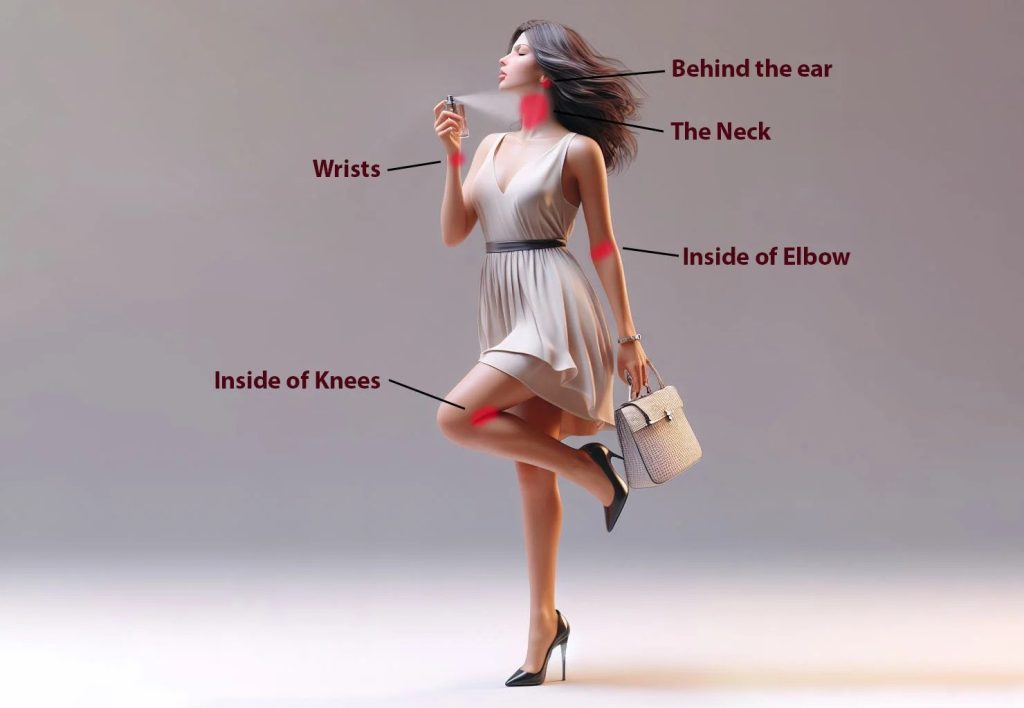
    Apply Perfume to Pulse Points

    Pulse points are areas where blood vessels sit closer to the skin’s surface. These naturally warmer areas help diffuse fragrance throughout the day.

    The best pulse points include:

    • Wrists
    • Neck
    • Behind ears
    • Inside elbows
    • Collarbone area
    • Behind knees

    The warmth generated in these areas gradually releases fragrance molecules, helping the scent evolve naturally.

    For daily wear, two to four sprays distributed across pulse points are often enough. Stronger fragrances may require even less.

    Apply on Moisturized Skin

    One of the biggest secrets to making perfume last longer is moisturizing first.

    Dry skin absorbs fragrance oils quickly, causing scents to fade faster. Moisturized skin creates a better surface for fragrance molecules to cling to.

    Apply an unscented body lotion immediately after showering and before spraying perfume. This simple habit can noticeably improve longevity.

    Many luxury brands also offer matching body lotions designed specifically for their fragrances. Layering products from the same scent family can extend wear time even further.

    Spray From the Right Distance

    Distance matters more than most people realize.

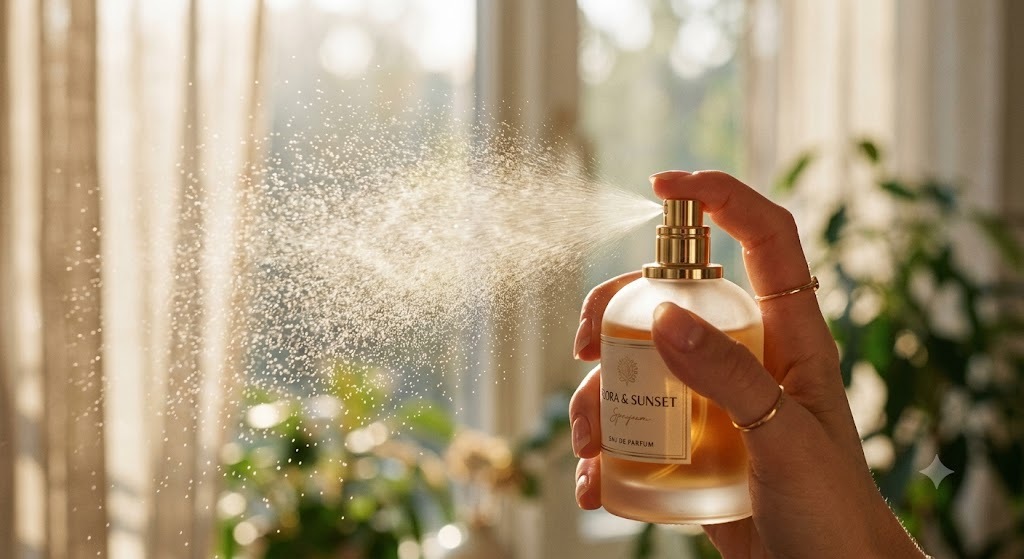
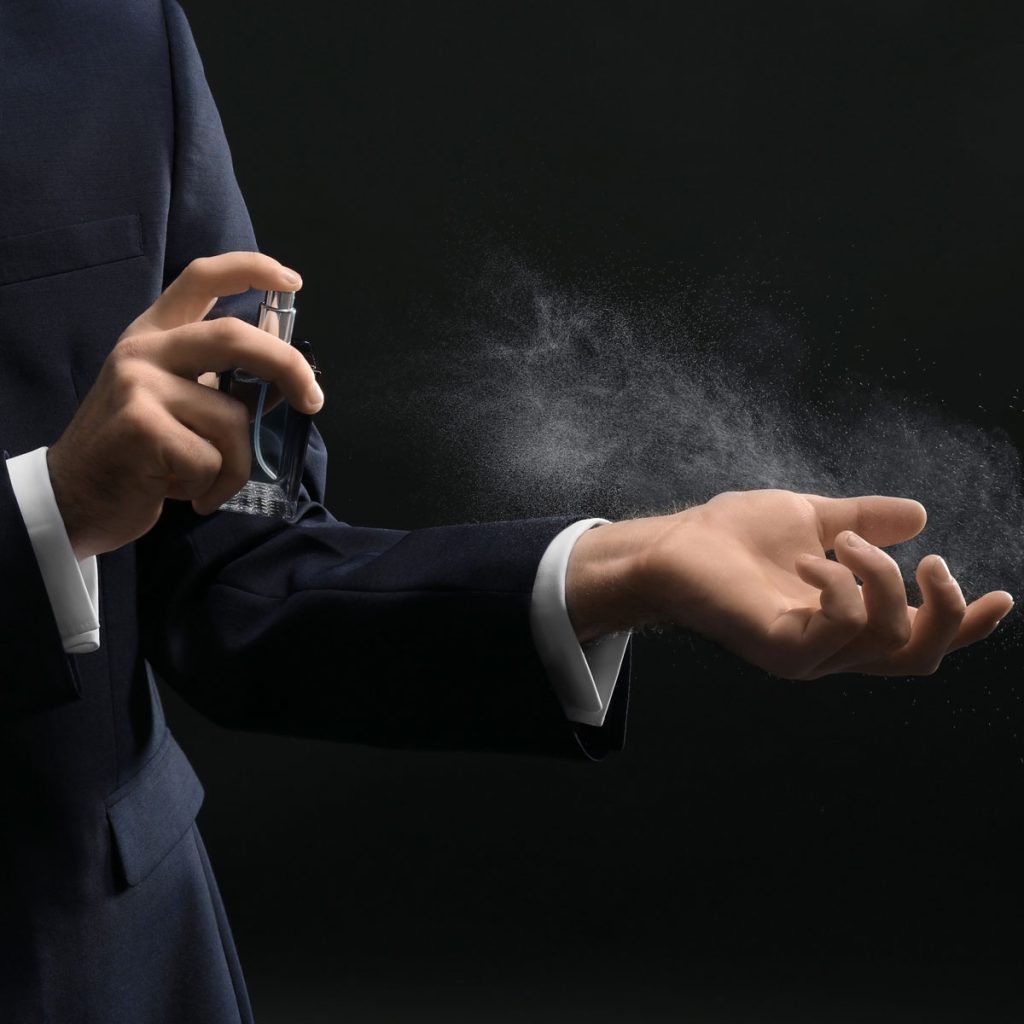
    Hold the bottle approximately 5–7 inches from your skin. This allows an even distribution of fragrance rather than concentrating too much liquid in one spot.

    Spraying too close can create wet patches that waste fragrance. Spraying too far away causes much of the perfume to drift into the air instead of landing on your skin.

    A controlled spray ensures maximum efficiency and better scent performance throughout the day.

    Step-by-Step Guide to Applying Perfume

    Follow this simple routine every time you wear fragrance.

    1: Shower First

    Clean skin provides the ideal foundation for perfume. Dirt, sweat, and oils can interfere with fragrance performance.

    Applying perfume after a shower helps the scent adhere better.

    2: Moisturize Your Skin

    Use an unscented moisturizer on areas where you plan to spray fragrance.

    This creates a hydrated surface that helps hold scent molecules.

    3: Choose Your Pulse Points

    Select two to four pulse points depending on fragrance strength.

    For office settings, lighter application is usually best.

    4: Spray Directly Onto Skin

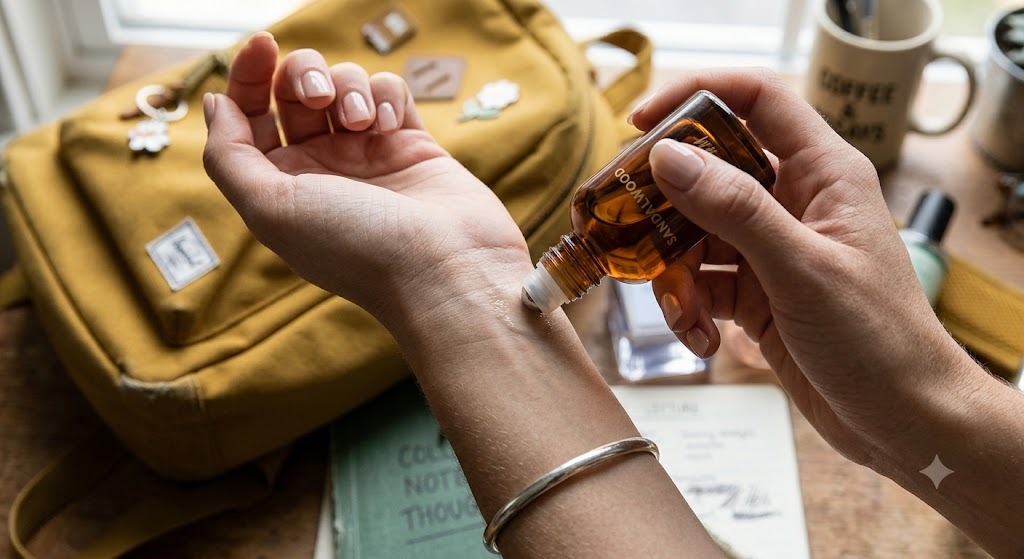
    Hold the bottle 5–7 inches away and spray confidently.

    Avoid excessive spraying.

    5: Let It Dry Naturally

    Allow the fragrance to settle and dry on its own.

    This helps preserve the integrity of the scent structure.

    6: Optional Clothing Application

    Some fragrances perform well on fabric.

    A light spray on clothing can increase longevity, but always test first because certain perfumes may stain delicate materials.

    7: Reapply Only When Needed

    If necessary, reapply later in the day. Travel-size atomizers make this convenient without carrying a full bottle.
    Common Perfume Mistakes Most People Make

    Even experienced fragrance wearers sometimes develop habits that hurt performance.

    Rubbing Wrists Together

    This is perhaps the most common mistake.

    After spraying perfume, many people instinctively rub their wrists together. Doing so creates friction and heat that can disrupt the delicate top notes.

    Instead, simply let the fragrance dry naturally.

    Spraying Too Much

    More fragrance does not automatically mean better performance.

    Overapplication can overwhelm people around you and may even cause you to become nose-blind to your own scent.

    Quality matters more than quantity.

    Applying Only to Clothes

    Fabric can hold scent for a long time, but relying solely on clothing often prevents the fragrance from fully developing.

    Body heat plays an important role in fragrance evolution.

    Storing Perfume Incorrectly

    Heat, sunlight, and humidity can damage fragrance compositions.

    Avoid storing perfumes in bathrooms where temperature fluctuations are common.

    Instead, keep bottles in a cool, dark place.

    Choosing the Wrong Concentration

    Not all fragrances are created equal.

    An Eau de Toilette generally contains a lower concentration of fragrance oils than an Eau de Parfum. Understanding these differences helps set realistic expectations for longevity.

    Expert Tips for Better Fragrance Performance

    Fragrance enthusiasts often use advanced techniques to get the most from their collections.

    Layer Similar Scents

    Layering complementary products can create a richer and longer-lasting scent experience.

    Start with a matching shower gel, followed by body lotion and then perfume.

    Spray Hair Carefully

    Hair can retain fragrance exceptionally well.

    Rather than spraying directly onto hair, spray onto a brush or use a dedicated hair mist designed for fragrance application.

    Consider Weather Conditions

    Hot weather amplifies fragrance projection.

    Cold weather tends to mute fragrances, making stronger scents such as amber, vanilla, and woody compositions more effective during winter.

    Match Fragrance Strength to Occasion

    Fresh citrus and aquatic scents work beautifully during the day.

    Richer fragrances with oud, amber, vanilla, and spices often excel during evenings and special occasions.

    Rotate Your Fragrances

    Wearing the same scent daily can make you less aware of it.

    Rotating fragrances helps maintain appreciation for each scent profile while preventing scent fatigue
    Summary and Final Recommendation

    Learning How to Apply Perfume properly is one of the easiest ways to improve your fragrance experience without spending additional money.

    Focus on clean, moisturized skin. Apply fragrance to pulse points. Use the correct spray distance. Avoid rubbing your wrists together and resist the urge to overspray.

    These simple adjustments can dramatically increase both longevity and projection.

    Remember that fragrance is personal. Experiment with different application techniques and discover what works best with your skin chemistry, climate, and favorite scent families.

    When used correctly, even a modest fragrance can perform beautifully and leave a memorable impression throughout the day.

    Conclusion

    Fragrance is an invisible accessory that can boost confidence, express personality, and create lasting memories. Yet many people never experience their perfumes at their full potential because they apply them incorrectly.

    By understanding How to Apply Perfume the right way, you can enjoy better longevity, improved projection, and a more complete fragrance journey from the first spray to the final dry down.

    Small adjustments—such as moisturizing your skin, targeting pulse points, and avoiding common mistakes—can make a remarkable difference.

    The next time you reach for your favorite bottle, put these techniques into practice and notice how much better your fragrance performs.

    Did you find this helpful? Drop a comment below or share this with a fellow fragrance lover!

    Frequently Asked Questions

    Q1: How to apply perfume so it lasts all day?

    A: Apply perfume immediately after moisturizing clean skin and focus on pulse points such as the neck, wrists, and behind the ears. Hydrated skin holds fragrance better, helping the scent last significantly longer throughout the day.

    Q2: Where should I spray perfume for best results?

    A: The best locations are pulse points including the wrists, neck, collarbone area, inside elbows, and behind the ears. These warmer areas naturally help diffuse fragrance over time.

    Q3: Should I rub perfume into my skin?

    A: No. Rubbing perfume can generate heat and friction that may affect the fragrance’s top notes. Allow the perfume to dry naturally after spraying for the best performance.

    Q4: Is it okay to spray perfume on clothes?

    A: Yes, in many cases. Clothing can help fragrance last longer. However, some perfumes may stain delicate fabrics, so test carefully before applying directly to garments.

    Q5: How many sprays of perfume should I use?

    A: Most people only need two to four sprays depending on fragrance strength and occasion. Stronger Eau de Parfum concentrations usually require fewer sprays than lighter fragrances.

    Q6: Does moisturizer really help perfume last longer?

    A: Absolutely. Moisturized skin provides a better surface for fragrance oils to adhere to, which can improve both longevity and overall scent performance throughout the day.

    EDP vs EDT vs EDC: What’s the Real Difference?

  • Best Perfumes for Women in 2026

    Quick Summary

    • Discover the best perfumes for women in 2026 for every style and budget.
    • Learn which fragrances offer the best longevity and compliments.
    • Compare floral, sweet, fresh, and sophisticated scent profiles.
    • Find top-rated designer perfumes worth adding to your collection.

    Introduction

    Finding the Best Perfumes for Women in 2026 can feel overwhelming. With hundreds of new launches and countless classics still dominating the market, choosing a fragrance that truly matches your personality isn’t always easy.

    Some women love fresh and airy scents, while others prefer warm, sweet, or seductive fragrances that leave a lasting impression. The good news is that a handful of standout perfumes continue to earn praise from fragrance lovers around the world for their quality, longevity, and versatility.

    In this guide, we’ll explore the top women’s fragrances of 2026, including timeless designer favorites and modern crowd-pleasers. Whether you’re searching for a signature scent, a gift, or a long lasting perfume that gets compliments everywhere you go, you’ll find the perfect option below.


    Why Choosing the Right Perfume Matters

    A great perfume does more than make you smell good.

    Fragrance becomes part of your identity. People often associate scents with memories, emotions, and first impressions. The right fragrance can boost confidence, elevate your mood, and even become your personal signature.

    When shopping for a perfume, consider:

    • Longevity
    • Sillage (how far the scent projects)
    • Seasonality
    • Occasion
    • Personal scent preferences

    For example, fresh citrus fragrances often work well during summer, while warm vanilla and amber scents shine during cooler months.


    Why Choosing the Right Perfume Matters

    Best Perfumes for Women in 2026

    Chanel Chance Eau Tendre

    Brief Description

    Chanel Chance Eau Tendre remains one of the most beloved feminine fragrances thanks to its elegant balance of freshness and softness.

    Scent Profile

    • Top Notes: Grapefruit, Quince
    • Heart Notes: Jasmine
    • Base Notes: White Musk

    The fragrance opens with juicy fruits before settling into a delicate floral heart and clean musky finish.

    Who It’s For

    Perfect for women who enjoy fresh, sophisticated, and everyday-friendly scents.

    Price Range

    $110–$170

    Affiliate Link


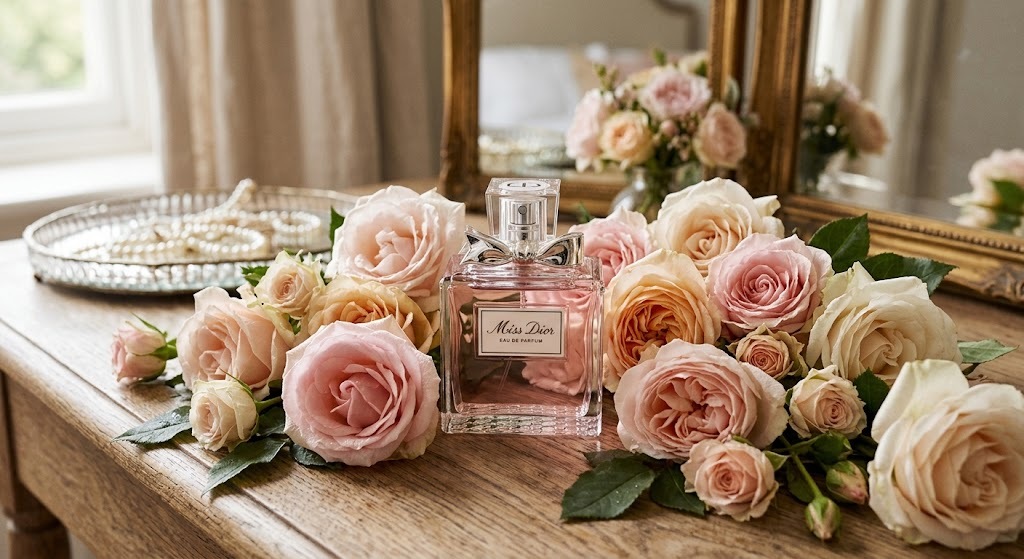
    Dior Miss Dior Eau de Parfum

    Brief Description

    Miss Dior continues to be one of the most iconic floral fragrances available in 2026. Romantic, elegant, and unmistakably feminine, it remains a favorite among women of all ages.

    Scent Profile

    • Top Notes: Lily of the Valley
    • Heart Notes: Rose, Peony
    • Base Notes: Vanilla, Musk

    The result is a soft yet luxurious floral fragrance with impressive depth.

    Who It’s For

    Ideal for women who love romantic floral perfumes with a touch of sophistication.

    Price Range

    $120–$180

    Affiliate Link

    [AFFILIATE LINK: Dior Miss Dior]

    Dior Miss Dior Eau de Parfum

    YSL Libre Eau de Parfum

    Brief Description

    YSL Libre has become one of the most talked-about top women’s fragrances in recent years. Its bold blend of floral and aromatic notes creates a powerful yet feminine scent.

    Scent Profile

    • Top Notes: Lavender, Mandarin Orange
    • Heart Notes: Jasmine, Orange Blossom
    • Base Notes: Vanilla, Cedar

    The lavender adds a unique twist rarely found in traditional women’s fragrances.

    Who It’s For

    Perfect for confident women who want a modern signature scent.

    Price Range

    $100–$165

    Affiliate Link

    [AFFILIATE LINK: YSL Libre]


    Valentino Donna Born in Roma

    Brief Description

    This stylish fragrance combines floral elegance with sweet vanilla warmth.

    Scent Profile

    • Black Currant
    • Jasmine
    • Bourbon Vanilla

    The scent feels youthful, trendy, and luxurious.

    Who It’s For

    Women who love sweet yet sophisticated fragrances.

    Price Range

    $95–$160


    Lancôme La Vie Est Belle

    Brief Description

    A modern classic that continues to dominate bestseller lists.

    Scent Profile

    • Pear
    • Iris
    • Praline
    • Vanilla

    Rich, sweet, and comforting.

    Who It’s For

    Anyone who enjoys gourmand fragrances with excellent longevity.

    Price Range

    $95–$150


    Carolina Herrera Good Girl

    Brief Description

    Known for its iconic stiletto-shaped bottle, Good Girl delivers a seductive blend of sweet and dark notes.

    Scent Profile

    • Almond
    • Jasmine Sambac
    • Tonka Bean
    • Cocoa

    Bold and unforgettable.

    Who It’s For

    Perfect for evenings and special occasions.

    Price Range

    $100–$165


    Prada Paradoxe

    Brief Description

    One of the newer designer hits, Prada Paradoxe balances freshness and sensuality beautifully.

    Scent Profile

    • Pear
    • Neroli
    • Orange Blossom
    • Amber

    Modern, bright, and feminine.

    Who It’s For

    Women seeking a versatile daily fragrance.

    Price Range

    $110–$170


    Giorgio Armani My Way

    Brief Description

    My Way remains popular for its bright floral character and clean finish.

    Scent Profile

    • Bergamot
    • Orange Blossom
    • Tuberose
    • Cedarwood

    Fresh and uplifting.

    Who It’s For

    Those who enjoy floral fragrances without excessive sweetness.

    Price Range

    $95–$160


    Viktor&Rolf Flowerbomb

    Brief Description

    Flowerbomb continues to be one of the most recognizable floral fragrances in the world.

    Scent Profile

    • Tea
    • Jasmine
    • Orchid
    • Patchouli

    Rich floral sweetness with excellent performance.

    Who It’s For

    Women who love bold floral perfumes.

    Price Range

    $110–$180


    Burberry Her Eau de Parfum

    Brief Description

    Burberry Her delivers a playful blend of berries and creamy sweetness.

    Scent Profile

    • Strawberry
    • Raspberry
    • Blackberry
    • Vanilla

    Youthful, energetic, and highly complimented.

    Who It’s For

    Women who enjoy sweet and fruity fragrances.

    Price Range

    $90–$150


    How to Choose the Best Perfumes for Women in 2026

    Not every fragrance works the same for everyone.

    Before purchasing, consider these factors:

    Your Preferred Scent Family

    • Floral: Rose, jasmine, peony
    • Fruity: Berry, pear, peach
    • Gourmand: Vanilla, caramel, praline
    • Fresh: Citrus, green notes
    • Woody: Sandalwood, cedarwood

    Longevity Expectations

    If you want a true long lasting perfume, look for:

    • Eau de Parfum concentrations
    • Vanilla-based fragrances
    • Amber-rich compositions
    • Woody base notes

    Season

    Fresh fragrances perform beautifully in warm weather.

    Sweet, spicy, and amber fragrances often feel more comforting during fall and winter.


    Comparison Table: Top Women’s Fragrances in 2026

    PerfumeScent StyleLongevityBest For
    Chanel Chance Eau TendreFresh Floral7-8 HoursEveryday Wear
    Dior Miss DiorRomantic Floral7-9 HoursDates & Events
    YSL LibreFloral Aromatic8-10 HoursSignature Scent
    Born in RomaSweet Floral8 HoursYoung Professionals
    La Vie Est BelleGourmand Sweet9-12 HoursWinter
    Good GirlSweet Oriental8-10 HoursNight Out
    Prada ParadoxeModern Floral7-9 HoursDaily Wear
    My WayFresh Floral7-8 HoursSpring
    FlowerbombRich Floral9-11 HoursSpecial Occasions
    Burberry HerFruity Sweet7-9 HoursCasual Wear

    Top Women's Fragrances in 2026

    Conclusion

    The Best Perfumes for Women in 2026 combine beautiful scent profiles, strong performance, and versatility. Whether you’re drawn to the fresh elegance of Chanel Chance Eau Tendre, the romantic charm of Dior Miss Dior, or the confident sophistication of YSL Libre, there’s a fragrance on this list for every personality and occasion.

    Start by identifying your favorite scent family, then choose a fragrance that fits your lifestyle and budget. If one catches your eye, check the price on Amazon or read our full review before making your decision. The perfect signature scent might be only one spray away.


    FAQ

    What is the best perfume for women in 2026?

    Many fragrance enthusiasts consider Chanel Chance Eau Tendre, Dior Miss Dior, and YSL Libre among the best perfumes for women in 2026 because they offer excellent scent quality, versatility, and lasting performance.

    Which women’s perfume lasts the longest?

    Lancôme La Vie Est Belle, Viktor&Rolf Flowerbomb, and YSL Libre are known for their impressive longevity. On most people, these fragrances can last between 8 and 12 hours depending on skin chemistry and weather conditions.

    What is the most complimented women’s fragrance?

    YSL Libre, Dior Miss Dior, and Burberry Her consistently receive compliments due to their balanced blend of sweetness, elegance, and projection. They appeal to a wide range of fragrance preferences.

    Which perfume is best for everyday wear?

    Chanel Chance Eau Tendre and Giorgio Armani My Way are excellent daily fragrances. Their fresh floral compositions feel clean, elegant, and suitable for work, casual outings, and social events.

    How do I make my perfume last longer?

    Apply perfume to moisturized skin and focus on pulse points such as the wrists, neck, and behind the ears. Layering with matching body lotion can also improve longevity and projection throughout the day.

    Best Candles That Smell Like Expensive Perfume: Luxury Home Scents

  • What Is Castoreum — The Beaver-Derived Perfume Ingredient?

    What you’ll learn

    • The fascinating natural origins of castoreum and its rich history in luxury perfumery.
    • How perfumers transform a pungent animalic secretion into smooth leather and sweet vanilla notes.
    • The modern shift toward ethical, cruelty-free synthetic replacements in contemporary fragrances.
    • How to spot real versus synthetic castoreum in your favorite designer and niche perfume bottles.

    Introduction

    Have you ever unboxed a high-end fragrance, sprayed it on your wrist, and caught a mysterious, warm scent that feels incredibly sensual? Perfumery relies on subtle alchemy to turn unexpected raw materials into enchanting olfactory experiences. You might wonder: what is castoreum — the beaver-derived perfume note that master perfumers have cherished for centuries?

    This intriguing animalic ingredient possesses a storied past, bridging ancient medicine, classic leather accords, and modern fragrance chemistry. While the thought of a beaver scent gland might sound surprising at first, its aromatic profile is astonishingly sophisticated. Raw castoreum transforms into warm leather, sweet vanilla, and rich birch tar undertones when properly diluted.

    Understanding animalic notes unlocks a whole new dimension of scent appreciation. Whether you are building a niche fragrance collection or simply exploring perfume notes, learning about this ingredient will elevate your nose. Let’s dive in.

    The Secret Origins: What Is Castoreum in Historic Perfumery?

    Castoreum is an aromatic secretion produced by North American and European beavers (Castor canadensis and Castor fiber). Beavers store this oily, yellowish substance in castor sacs located near their anal scent glands. In nature, beavers combine castoreum with urine to mark territory and waterproof their thick fur coat. Because a beaver’s natural diet consists heavily of tree bark, willow, and aspen, the raw secretion contains high concentrations of natural salicylic acid and phenolic compounds.

    What Is Castoreum in Historic Perfumery

    Historically, harvesters collected these castor sacs during the fur trade era when beaver pelts were heavily hunted across North America. Once extracted, workers dried and aged the sacs for several months or even years. This long curing process caused the harsh, raw secretion to mature, smoothing out aggressive odors into a complex, resinous material.

    In ancient Greece and Rome, physicians valued castoreum primarily for its medicinal properties. People used it to treat headaches, fevers, and cramps thanks to the natural salicin absorbed from willow trees. However, as 19th-century European perfumery evolved into a true art form, French master perfumers realized that diluted castoreum created an intoxicating, long-lasting fixative for luxury scents.

    Decoding the Aroma: How Castoreum Transforms Fragrance Profiles

    When raw, unrefined castoreum smells intensely sharp, medicinal, and pungent. However, when a perfumer dilutes it into an alcohol tincture, an extraordinary metamorphosis occurs. The harshness dissipates, revealing a deeply seductive blend of warm leather, velvety powder, and soft vanilla.

    The Scent Profile: Leather, Vanilla, and Birch Tar

    The primary reason perfumers love castoreum is its unmatched leather accord. Unlike plant-based essential oils, castoreum mimics the dark, smoky aroma of freshly tanned leather boots or fine suede jackets. It possesses a distinct birch tar quality that feels dark, rustic, and slightly smoky.

    At the same time, castoreum carries an unexpected sweetness. Because beavers digest natural plant sugars, aged castoreum exhibits soft notes of creamy vanilla, warm amber, and dried fruit. This dual nature—combining dark leather with sweet vanilla—makes it one of the most dynamic raw materials in fragrance design.

    The Role of Fixatives in Long-Lasting Perfumes

    Beyond its scent, castoreum serves as an exceptional natural fixative. Top notes like bright bergamot, fresh lemon, or delicate lily of the valley evaporate quickly off human skin due to high volatility. Heavy animalic molecules bind to lighter fragrance compounds, slowing down their evaporation rate significantly.

    By anchoring volatile notes to the skin, castoreum extends the lifespan of a perfume from a few hours to an entire day. It creates an intimate “sillage”—the fragrant trail left behind as you walk through a room.

    How Castoreum Interacts With Floral and Spicy Notes

    Master perfumers rarely use castoreum alone; instead, they blend it to enhance other classic notes. When paired with rich florals like damask rose, night-blooming jasmine, or powdery iris, castoreum strips away excess sweetness, adding depth and sensuality.

    When combined with warm spices like cinnamon, cardamom, or clove, it creates an opulent oriental feel. It bridges the gap between bright top notes and heavy wood bases, creating a seamless transition as your perfume dries down.

    Ethical Evolution: Synthetic Alternatives in Modern Scents

    The global fragrance industry has undergone a massive ethical shift over the past four decades. Environmental conservation laws, animal welfare standards, and strict IFRA (International Fragrance Association) regulations have virtually eliminated real animalic ingredients from commercial manufacturing lines.

    Today, virtually all consumer fragrances use synthetic castoreum reconstructions created in chemical laboratories. Brilliant aroma chemists have successfully isolated the key odor molecules of natural castoreum—such as 4-ethylphenol and catechol—and recreated them using safe, cruelty-free, vegan compounds.

    These modern synthetic substitutes allow perfumers to achieve the exact same velvety leather and warm amber effects without harming wildlife. Furthermore, synthetic bases offer consistent quality, eliminating natural variations caused by a beaver’s diet or harvest season.

    Synthetic Alternatives in Modern Scents

    Common Myths and Misconceptions About Castoreum

    Few perfume ingredients carry as much internet rumor as castoreum. Let’s clear up the most widespread myths surrounding this mysterious note.

    • 1: Castoreum is widely hidden in your vanilla ice cream. Internet viral posts often claim that castoreum is secretly added to commercial vanilla foods as a natural flavoring. While the FDA technically lists natural castoreum as a safe food additive, real castoreum is extraordinarily expensive and scarce. According to industry statistics, global food production uses virtually zero real castoreum today, relying instead on mass-produced vanillin.
    • 2: Beavers must be harmed to collect castoreum today. In modern luxury perfumery, animal cruelty is a thing of the past. Major luxury houses like Chanel, Dior, and Tom Ford exclusively use synthetic lab-created accords.
    • 3: Castoreum always smells dirty and animalic. When properly formulated, castoreum does not smell offensive or dirty. Instead, it adds a cozy, warm, “your-skin-but-better” sensation that elevates the entire fragrance composition.

    Iconic Fragrances That Feature Leather and Castoreum Notes

    To truly appreciate what castoreum brings to a fragrance, you should sample iconic scents that highlight leather and animalic warmth. Many legendary vintage formulas and contemporary niche perfumes showcase this timeless profile.

    1. Classic Vintage Leather Scents: Masterpieces like Shalimar by Guerlain and Antaeus by Chanel historically utilized castoreum to build deep, seductive bases. They balance smoky birch tar against powdery rose and rich vanilla.
    2. Modern Niche Reinterpretations: Houses like Memo Paris (Irish Leather) and Zoologist (Beaver) offer brilliant contemporary takes. Zoologist’s Beaver explicitly pays homage to the animal’s natural habitat using crisp linden blossom, fresh water notes, dark leather, and 100% synthetic castoreum.
    3. Opulent Amber & Oud Creations: Heavy winter scents often pair synthetic castoreum with dark oud wood, spicy amber, and smoky incense, creating cozy unisex fragrances perfect for cold weather.

    Discovering these compositions on your own skin is the best way to train your nose. If you want to explore more about rare perfume ingredients, read our detailed guide on.

    How to Test and Identify Castoreum Notes on Your Skin

    Training your sense of smell takes patience and practice. If you want to spot synthetic castoreum when sampling new scents at a boutique, follow this simple step-by-step approach:

    1. Avoid testing on paper blotters alone. Synthetic leather notes require warm human skin to unleash their sweet vanilla undertones. Always spray the fragrance directly on your inner wrist.
    2. Wait past the initial opening. Do not judge the scent during the first ten minutes. Let the alcohol and sharp top notes dissipate completely.
    3. Focus on the 2-to-4 hour mark. As the heart notes fade into the dry-down phase, sniff your wrist gently. Look for a warm, velvety sensation that reminds you of a high-end leather handbag or vintage suede coat.
    4. Notice the lingering warmth. Check your wrist again after 8 hours. If the fragrance maintains a soft, sweet, woody base while other notes have vanished, you are experiencing the power of a castoreum-style fixative.

    Summary: The Enduring Legacy of Castoreum

    The story of castoreum highlights the marvelous evolution of perfume history. From ancient medicine and rustic fur trapping to cutting-edge laboratory synthesis, this unique ingredient shaped how we define luxury leather fragrances today.

    While natural castoreum is now an honored piece of fragrance history, its scent profile lives on through sustainable chemical innovation. Modern synthetic castoreum delivers all the warmth, longevity, and sensuality of the original raw material without compromising animal welfare or environmental safety.

    Conclusion

    Understanding what is castoreum — the beaver-derived perfume note gives you a deeper appreciation for the art of fragrance blending. Next time you catch a whiff of a rich leather scent or an alluring winter amber, you’ll recognize the clever alchemy behind that warm, inviting trail. Perfumery is an incredible journey of sensory discovery, and every single note tells a fascinating story.

    Did you find this helpful? Drop a comment below or share this with a fellow fragrance lover!

    Frequently Asked Questions

    Q1: What is castoreum — the beaver-derived perfume ingredient made of?

    A: Castoreum is an aromatic secretion produced in the castor sacs of North American and European beavers. It contains natural plant metabolites like salicylic acid, absorbed from the beaver’s bark-rich diet. In perfumery, aging transforms this liquid into a rich, resinous fixative that smells of warm leather and sweet vanilla.

    Q2: Is real beaver castoreum still used in perfumes today?

    A: Virtually no commercial perfume brands use real animal castoreum today. Due to strict ethical guidelines, conservation efforts, and high costs, modern perfume houses rely almost exclusively on safe, cruelty-free synthetic replacements created in fragrance laboratories.

    Q3: What does castoreum smell like in a finished fragrance?

    A: In a finished fragrance, diluted castoreum smells warm, velvety, and cozy. It offers strong notes of fine tanned leather, dark birch tar, and smoky wood, rounded out by undertones of sweet vanilla and powdery amber.

    Q4: Is synthetic castoreum safe for sensitive skin?

    A: Yes, synthetic castoreum accords are thoroughly tested and regulated by the International Fragrance Association (IFRA). Chemical alternatives are formulated to be non-irritating, hypoallergenic, and safe for everyday wear on human skin.

    Q5: Is castoreum vegan and cruelty-free in modern perfumes?

    A: Yes! Because contemporary perfumers use lab-synthesized aroma molecules to replicate the scent profile of castoreum, modern fragrances featuring leather or castoreum notes are 100% cruelty-free and vegan-friendly.

    Q6: Why do perfumers add animalic notes like castoreum to floral scents?

    A: Perfumers add animalic notes like castoreum to floral fragrances to provide anchor points and emotional depth. Castoreum grounds sweet florals like jasmine or rose, making them last significantly longer on the skin while giving the overall scent a warmer, more sensual feel.

    What Is Benzyl Benzoate and Should You Avoid It in Perfume?

  • What Is Civet in Perfume — and Is It Still Used Today?

    What you’ll learn

    • What natural civet actually is and where it comes from historically.
    • How a harsh, pungent animal secretion turns into a warm, velvety fragrance note.
    • The shift to cruelty-free synthetic replacements in modern perfumery.
    • How to spot civet-inspired scents in iconic vintage and contemporary fragrances.

    Introduction

    Imagine spraying a classic vintage fragrance and being wrapped in a cloud of velvety, seductive warmth. You might marvel at its rich depth without realizing that one of its secret historic ingredients came from a nocturnal, cat-like mammal native to Africa and Asia.

    So, what is civet in perfume, and why did master perfumers rely on it for centuries? Historically, civet was one of the most prized animalic raw materials in luxury fragrance crafting. It added an unmistakable radiance, incredible longevity, and an sensual warmth that synthetic accord makers fought for decades to replicate.

    However, the world of perfumery has evolved dramatically over the last few decades. Ethical standards, international trade laws, and chemical innovation have completely changed how perfumers achieve that signature musky hum.

    If you have ever wondered whether your favorite bottle of perfume contains real animal extracts or how modern chemistry recreates this legendary note, you are in the right place. Let’s dive in.

    What Is Civet in Perfume? The Fascinating History

    To understand the role of civet in classic perfumery, we have to look back at the origins of scent craft. Long before modern chemistry created synthetic aroma molecules, perfumers relied entirely on natural botanicals, resins, and animalic secretions.

    Civet refers to a buttery, waxy secretion produced by the perineal glands of the African civet (Civettictis civetta). In the wild, these nocturnal creatures use this pungent substance to mark their territory and communicate with other civets across dense bushlands.

    What Is Civet in Perfume The Fascinating History

    The Origins of Animalic Musk

    Ancient civilizations in Egypt, Rome, and the Middle East discovered that animalic substances possessed extraordinary aromatic properties. Civet paste was transported along historical trade routes in hollow zebu horns, fetching exorbitant prices among royal court perfumers.

    In its raw, unrefined form, civet paste smells intensely fecal, sharp, and overwhelming. Yet, early apothecaries discovered a fascinating trick of chemistry: extreme dilution transforms this aggressive odor into an intoxicating, warm, and sweet floral-musk note.

    Why Historical Perfumers Prized Civet

    Historically, perfumers prized civet for two primary reasons: fixative strength and harmonic radiance. Natural perfumes made solely of citrus and floral oils evaporated off the skin within an hour. Adding a tiny fraction of civet acted as a natural fixative, anchoring volatile top notes to the skin for all-day wear.

    Furthermore, civet possesses a unique ability to bridge floral notes like jasmine, rose, and ylang-ylang with deep woody bases. It softened harsh edges, added a lifelike “skin warmth,” and gave fragrances a golden, shimmering aura.

    How Civet Transforms Fragrance: Scent Profile & Chemistry

    When evaluating what civet in perfume brings to a blend, you have to look past the raw ingredient and look at its olfactory behavior on skin. Civet operates almost like magic in a fragrance formula.

    In raw form, the primary aromatic molecule responsible for its signature character is civestone ($civetone$), a cyclic ketone that smells musky and radiant when diluted to fractions of a percent.

    The Olfactory Transformation

    In a finished perfume composition, civet does not smell like an animal barnyard. Instead, it provides a warm, animalic, slightly powdery, and honeyed undertone. Perfumers often describe it as adding a “3D effect” to floral accords.

    Without civet or an animalic equivalent, a rose or jasmine note can feel flat, cold, or soapy. With a touch of civet, that same rose feels alive, velvety, blooming, and slightly sensual.

    The Power of Civet as a Fixative

    Fixatives slow down the evaporation rate of lighter fragrance molecules. Civet molecules are heavy, complex, and slow to evaporate.

    When blended into the base of a fragrance, civet traps the delicate floral and spicy molecules, releasing them slowly over hours. This is why classic oriental and chypre perfumes from the 20th century were famous for lingering on scarves and coats for days.

    Civet vs. Musk vs. Ambergris

    It is easy to confuse civet with other historic animalic notes like musk and ambergris. While all three added depth to classic scents, their profiles are distinct:

    Animalic NoteOriginal SourceScent ProfileMain Historical Role
    CivetAfrican Civet gland secretionMusky, warm, honeyed, floral-indolicFixative & floral enhancer
    Deer MuskMusk deer pod secretionEarthy, woody, sweet, skin-likeDeep warmth & sillage
    AmbergrisSperm whale digestive byproductSalty, ocean-spray, warm amberRadiant fixative & smoother

    Is Natural Civet Still Used in Perfume Today?

    The short answer is no — natural civet is virtually never used in mainstream modern perfumery.

    If you purchase a bottle of perfume today from a department store or luxury boutique, the civet note listed in the scent pyramid is 100% synthetic or derived from cruelty-free botanical blends.

    Is Natural Civet Still Used in Perfume Today

    Ethical and Animal Welfare Concerns

    The primary reason for the industry’s shift away from natural civet is ethical animal welfare. Historically, obtaining natural civet required keeping wild animals in captivity under stressful conditions to collect their glandular secretions.

    As public awareness around animal rights grew during the 1970s and 1980s, major fragrance houses faced mounting pressure to end the use of wild animal extracts. Today, ethical standards across the beauty industry strictly prohibit such practices.

    CITES Regulations and Industry Ban

    International trade laws also played a decisive role. The Convention on International Trade in Endangered Species (CITES) placed strict controls on the commercial trade of wild animal products.

    By the late 1990s, virtually every major fragrance conglomerate — including Estée Lauder, L’Oréal, Coty, and LVMH — had officially banned natural animalic materials from their supply chains. The International Fragrance Association (IFRA) maintains strict guidelines that enforce these standards globally.

    The Rise of Synthetic Civetone

    To preserve classic fragrance formulas without using animal products, organic chemists synthesized Civetone along with secondary aroma molecules like 5-cyclohexadecen-1-one.

    These lab-created molecules replicate the exact chemical structure of the pleasant scent compounds found in natural civet, eliminating all animal cruelty while offering perfumers consistent purity, safety, and stability.

    4 Common Myths About Civet in Perfumery

    Because the topic of animalic notes carries a mysterious history, several misconceptions circulate among perfume enthusiasts. Let’s clear up the biggest myths.

    1: Perfumes with Civet Notes Smell Bad or Dirty

    While raw civet paste is unpleasantly pungent, perfume formulas use minute fractions of a percent. In a finished fragrance, synthetic civet blends seamlessly into the background, providing warmth, depth, and elegance without smelling dirty or offensive.

    2: Luxury Perfumes Still Secretly Use Real Civet

    Some buyers assume expensive niche perfume brands still secretly harvest natural civet. This is false. Major international regulations, supply chain audits, and import laws make it practically impossible and illegal for commercial brands to use natural civet without explicit CITES permits, which are not granted for commercial cosmetics.

    Luxury Perfumes Still Secretly Use Real Civet

    3: Synthetic Civet Is Inferior to the Natural Material

    Modern aroma chemistry has advanced remarkably. High-grade synthetic civet bases combine isolated civetone with natural botanical resins (like labdanum and indolic jasmine extracts) to create depth that rivals historic natural extracts while offering superior consistency and skin safety.

    4: Vegan Perfumes Cannot Have a Civet Scent Profile

    Since virtually all civet notes used today are created in laboratories using synthetic molecules or plant-derived materials, many fragrances featuring a listed “civet” note are completely vegan and cruelty-free. Always check for specific brand certifications if vegan sourcing is your priority.

    How Modern Perfumers Recreate the Civet Note

    Creating a convincing, luxurious civet accord without animal ingredients is an art form. Today’s master perfumers — often referred to as “Noses” — rely on sophisticated building blocks to capture that classic golden warmth.

    1. Pure Synthetic Civetone

    Civetone is the single most important molecule for recreating the note. It delivers the radiant, warm, macrocyclic musk profile without any harsh or off-putting off-notes.

    2. Indolic Botanicals

    Natural flowers like jasmine, tuberose, and orange blossom naturally contain organic compounds called indoles. Indoles have a slightly warm, earthy, and animalic nuance. Blending indolic floral extracts with synthetic musks reproduces the complex richness of vintage compositions naturally.

    3. Natural Resins and Balms

    Perfumers use rich plant resins like labdanum (from the rockrose plant), benzoin, styrax, and hyraceum alternatives to add balsamic sweetness, amber warmth, and long-lasting fixative power.

    Iconic Perfumes Famous for Their Civet Note

    If you want to experience the warm, sensual magic of the civet note, several historic and modern masterpieces showcase this profile brilliantly.

    Classic Vintage Masterpieces

    • Chanel No. 5 (1921): The premier example of how aldehydes, floral bouquet, and a touch of civet create timeless elegance. (Formulated with synthetic civet for decades).
    • Shalimar by Guerlain (1925): A legendary amber fragrance where vanilla, bergamot, and warm animalic undertones merge into opulent luxury.
    • YSL Kouros (1981): A bold, aromatic fougère famous for its distinctive, unapologetic musky warmth.

    Modern Niche Reinterpretations

    • Zoologist Civet: An artistic tribute to vintage perfumery that uses a 100% synthetic, cruelty-free civet accord combined with resins, spices, and coffee notes.
    • Memoir Woman by Amouage: A rich, dark, smoky wood fragrance with a velvety animalic undertone that demonstrates how modern niche brands use synthetic musks for dramatic effect.

    Summary of Key Takeaways

    Understanding what civet in perfume is helps us appreciate both the rich history of fragrance and the remarkable ethical and scientific progress of modern cosmetics.

    • Civet originated as an animalic secretion valued for its unique ability to fix scents and give florals a warm, 3D radiance.
    • Dilution transforms its harsh raw odor into a sweet, velvety, honeyed musk note.
    • Modern perfumery has completely phased out natural civet in favor of ethical, laboratory-synthesized civetone and botanical accords.
    • Listed “civet” notes in contemporary fragrances offer vintage luxury and outstanding longevity completely cruelty-free.

    Conclusion

    The story of civet in perfume reflects the evolution of fragrance craft itself — moving from raw nature to sophisticated, conscious creation. Knowing what is civet in perfume allows you to spot this fascinating note on fragrance pyramids and appreciate the velvety warmth it brings to classic chypres, rich ambers, and opulent florals.

    Whether you are exploring vintage-style formulations or modern niche creations, synthetic civet accords remain one of the perfumer’s most powerful tools for adding soul, longevity, and warmth to a scent.

    Did you find this helpful? Drop a comment below or share this with a fellow fragrance lover!

    Frequently Asked Questions

    Q1: What is civet in perfume and what does it smell like?

    A: Civet in perfume is an animalic fragrance note historically harvested from the African civet. When diluted in perfume, it does not smell unpleasant; instead, it delivers a warm, honeyed, musky, and powdery depth that enhances floral and oriental compositions.

    Q2: Is natural civet still used in modern perfumes?

    A: No, natural civet is virtually obsolete in modern commercial perfumery due to ethical animal welfare concerns, CITES trade bans, and IFRA regulations. Perfumers now use 100% cruelty-free synthetic replacements.

    Q3: How do perfumers replace civet today without using animals?

    A: Perfumers use lab-created synthetic molecules like civetone, combined with naturally indolic plant extracts (like jasmine), labdanum resin, and modern macrocyclic musks to recreate the exact scent profile safely and ethically.

    Q4: Does civet in perfume make fragrances last longer?

    A: Yes, civet acts as a powerful fixative. Its heavy molecular weight slows down the evaporation of lighter floral and citrus top notes, significantly increasing the overall longevity and sillage of the perfume on skin.

    Q5: Are perfumes with a civet note vegan?

    A: Most modern perfumes listing civet as a fragrance note are synthetic and cruelty-free. However, to ensure a perfume is completely vegan, check that the brand holds official vegan and cruelty-free certifications, as other ingredients like beeswax or lanolin might still be present.

    Q6: What is the difference between civet and musk in perfume?

    A: Civet brings a warm, honeyed, floral-indolic radiance with strong fixative properties. Traditional musk (historically from musk deer) offers a darker, woodier, skin-like warmth. Today, both are recreated using ethical synthetic alternatives.

    What Is Eau de Parfum? A Beginner’s Complete Guide

  • What Is Eau de Parfum? A Beginner’s Complete Guide

    What you’ll learn

    • What Eau de Parfum actually means
    • How Eau de Parfum differs from EDT, EDC, and Parfum
    • How long Eau de Parfum lasts on skin
    • How to choose the right Eau de Parfum for your lifestyle

    Introduction

    If you’ve ever stood in a perfume store staring at bottles labeled Eau de Parfum, Eau de Toilette, and Parfum, you’re not alone. These terms appear on nearly every fragrance bottle, yet many people aren’t sure what they actually mean.

    Among all fragrance concentrations, Eau de Parfum is one of the most popular choices worldwide. It offers an attractive balance between longevity, strength, versatility, and value. Whether you’re shopping for your first fragrance or expanding your collection, understanding Eau de Parfum can help you make smarter buying decisions.

    Many bestselling fragrances from brands like Chanel, Dior, Yves Saint Laurent, and Armani are available in Eau de Parfum concentrations because they deliver impressive performance without feeling overwhelming.

    So what exactly is Eau de Parfum, and why do fragrance enthusiasts love it so much?

    Let’s dive in.


    What Is Eau de Parfum and Why Does It Matter?

    At its core, Eau de Parfum (often abbreviated as EDP) refers to the concentration of fragrance oils mixed with alcohol and water in a perfume formula.

    Most Eau de Parfum fragrances contain approximately 15% to 20% fragrance oil concentration. This places them between Eau de Toilette and pure Parfum in terms of strength and longevity.

    The concentration matters because it directly affects:

    • How long a fragrance lasts
    • How strongly it projects
    • How noticeable the scent becomes
    • The overall value of the bottle

    For many fragrance lovers, Eau de Parfum represents the sweet spot. It typically provides enough staying power for a full workday while remaining comfortable for everyday wear.

    The global fragrance industry is worth tens of billions of dollars annually, and Eau de Parfum remains one of the most commonly sold fragrance formats because consumers appreciate this balance of performance and wearability.

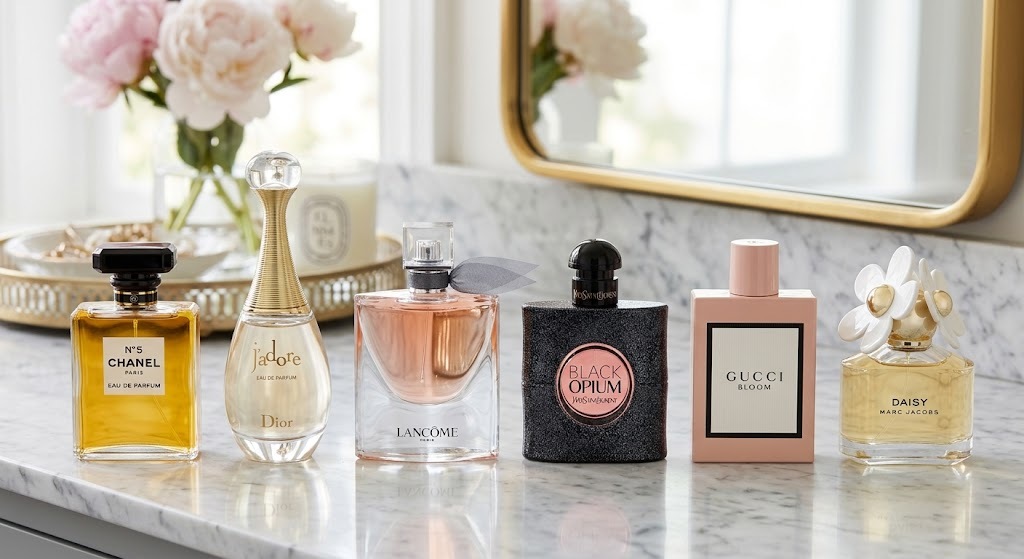
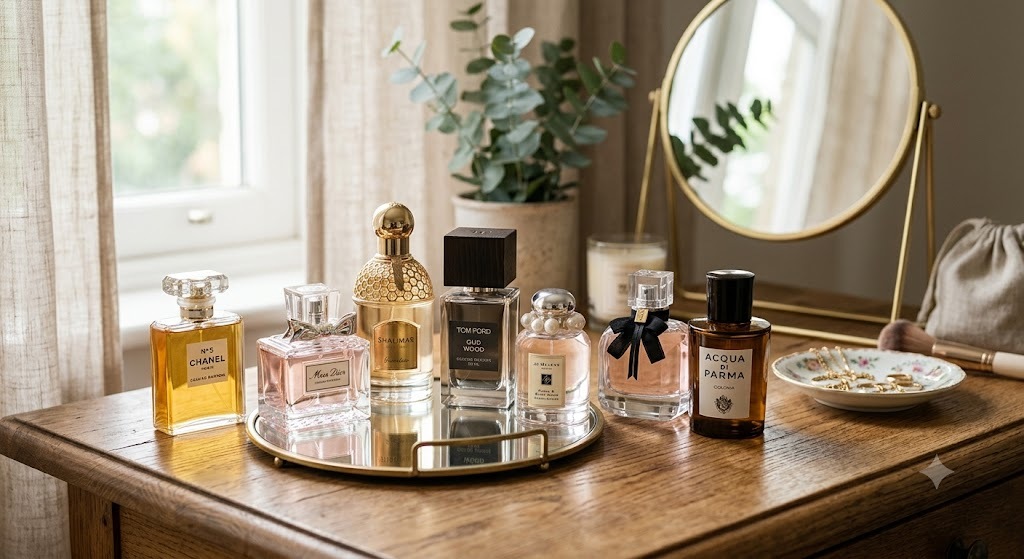
    [IMAGE: Collection of Eau de Parfum bottles displayed on a vanity table]

    Many newcomers mistakenly assume that stronger always means better. However, fragrance is highly personal. The right concentration depends on your environment, climate, skin chemistry, and personal preferences.

    Understanding Eau de Parfum: The Heart of Modern Perfumery

    Fragrance Concentration Explained

    When perfumers create a fragrance, they combine aromatic ingredients with a carrier base. The percentage of aromatic oils determines the fragrance category.

    Here is a simple comparison:

    TypeOil ConcentrationTypical Longevity
    Eau Fraiche1%–3%1–2 Hours
    Eau de Cologne2%–5%2–3 Hours
    Eau de Toilette5%–15%3–6 Hours
    Eau de Parfum15%–20%6–10 Hours
    Parfum20%–40%8–12+ Hours

    This is why Eau de Parfum often becomes the preferred option for people seeking long-lasting fragrance without paying the premium price associated with pure parfum.

    How Eau de Parfum Smells Throughout the Day

    One fascinating aspect of Eau de Parfum is how it evolves.

    When first sprayed, you’ll notice the top notes. These might smell fresh, citrusy, fruity, or aromatic.

    After 15 to 30 minutes, the heart notes emerge. Floral, spicy, powdery, or green accords often dominate this phase.

    Several hours later, the base notes become prominent. This is where woody, musky, amber, vanilla, leather, and earthy elements typically shine.

    Because Eau de Parfum contains a higher concentration of oils than Eau de Toilette, this evolution usually feels richer and more complex.

    Why Many Fragrance Enthusiasts Prefer EDP

    There are several reasons Eau de Parfum remains a favorite:

    • Better longevity
    • Richer scent development
    • Excellent versatility
    • Good value for money
    • Suitable for most seasons

    Whether you’re attending an office meeting, a dinner date, or a weekend outing, an Eau de Parfum can often adapt beautifully to the occasion.


    How to Choose the Right Eau de Parfum

    Selecting an Eau de Parfum doesn’t need to be complicated. Follow these simple steps.

    Step 1: Identify Your Preferred Fragrance Family

    Start by understanding what scent profiles attract you most.

    Common fragrance families include:

    Fresh

    • Citrus
    • Aquatic
    • Green

    Floral

    • Rose
    • Jasmine
    • Orange blossom

    Woody

    • Sandalwood
    • Cedarwood
    • Vetiver

    Oriental/Amber

    • Vanilla
    • Incense
    • Resins

    Gourmand

    • Chocolate
    • Caramel
    • Coffee

    Knowing your preferred fragrance family immediately narrows your options.

    Step 2: Consider Your Lifestyle

    Think about where you’ll wear the fragrance.

    For office environments, lighter Eau de Parfums often work best.

    For evening wear, richer amber, woody, or spicy compositions may feel more appropriate.

    If you live in a hot climate, fresh and citrus-focused Eau de Parfums typically perform better than extremely sweet fragrances.

    Step 3: Test Before Buying

    Never purchase solely based on online descriptions.

    Apply the fragrance to your skin and allow it to develop for several hours.

    Body chemistry can dramatically influence how an Eau de Parfum smells and performs.

    Step 4: Evaluate Longevity

    Wear the fragrance throughout a normal day.

    Pay attention to:

    • Projection
    • Sillage
    • Dry down
    • Overall comfort

    A fragrance that smells amazing for ten minutes but becomes unpleasant later isn’t the right choice.

    Eau de Parfum Explained: Complete Beginner's Guide
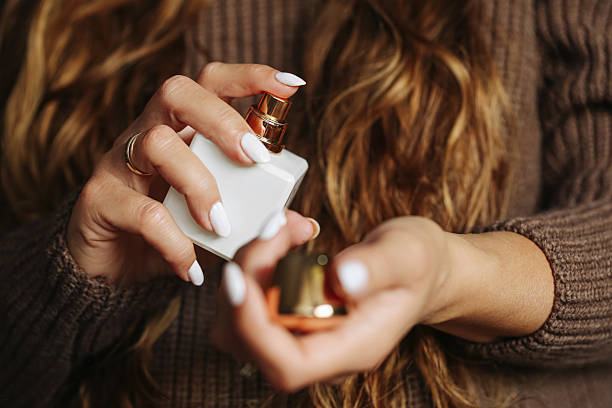
    Luxury cosmetic product with aroma essence. Lifestyle and beauty routine closeup.

    Common Myths About Eau de Parfum

    Myth 1: Eau de Parfum Is Always Better Than Eau de Toilette

    Not true.

    Many Eau de Toilette versions offer brighter openings and fresher character.

    Sometimes an EDT may actually suit your preferences better than the EDP version.

    Myth 2: More Sprays Mean Better Performance

    Overapplying can overwhelm those around you.

    Most Eau de Parfum fragrances perform well with 3–6 sprays depending on the strength of the fragrance.

    Myth 3: Expensive EDPs Always Last Longer

    Price doesn’t guarantee longevity.

    Ingredient quality, formulation, and fragrance composition play major roles.

    Some affordable Eau de Parfums outperform luxury alternatives.

    Myth 4: All Eau de Parfums Last All Day

    Longevity varies widely.

    Fresh citrus fragrances often fade faster than resinous, woody, or vanilla-heavy compositions even when both are labeled Eau de Parfum.

    Myth 5: Fragrance Doesn’t Expire

    While perfumes don’t spoil immediately, heat, light, and oxygen gradually degrade fragrance quality.

    Proper storage significantly extends shelf life.


    Expert Tips for Getting the Most From Your Eau de Parfum

    Experienced fragrance collectors follow several simple techniques to maximize performance.

    Moisturize Before Application

    Hydrated skin holds fragrance molecules better than dry skin.

    Apply an unscented moisturizer before spraying.

    Target Pulse Points

    Focus on:

    • Wrists
    • Neck
    • Behind ears
    • Inner elbows

    These warmer areas help diffuse scent naturally.

    Avoid Excessive Rubbing

    Rubbing your wrists together can disrupt the fragrance structure and alter the scent development.

    Instead, allow the fragrance to dry naturally.

    Store Fragrances Correctly

    Keep bottles away from:

    • Direct sunlight
    • Humidity
    • Extreme temperatures

    A cool, dark cabinet works perfectly.

    Build a Fragrance Wardrobe

    Rather than searching for one perfect scent, consider owning multiple Eau de Parfums for different occasions.

    Professional fragrance enthusiasts often rotate scents seasonally to keep their collection exciting and appropriate for changing weather conditions.


    Best Situations to Wear Eau de Parfum

    One reason Eau de Parfum remains so popular is versatility.

    It works beautifully for:

    Everyday Wear

    Many people choose Eau de Parfum as their daily signature scent because it offers reliable longevity.

    Professional Settings

    Moderately applied EDPs can create a polished and confident impression.

    Evening Events

    The richer concentration allows fragrance notes to remain noticeable throughout dinners, parties, and social gatherings.

    Special Occasions

    Weddings, celebrations, and important milestones often call for a fragrance that lasts for hours without frequent reapplication.

    Popular examples include:

    • Chanel Coco Mademoiselle Eau de Parfum
    • Dior Sauvage Eau de Parfum
    • Yves Saint Laurent Libre Eau de Parfum
    • Armani Acqua di Gio Eau de Parfum

    These fragrances demonstrate how versatile the Eau de Parfum format can be.


    Key Takeaways About Eau de Parfum

    Understanding Eau de Parfum becomes much easier when you focus on a few essential points.

    • Eau de Parfum typically contains 15–20% fragrance oils.
    • Most EDPs last between 6–10 hours.
    • They provide a balance between longevity and comfort.
    • Skin chemistry affects performance significantly.
    • Proper storage helps maintain fragrance quality.
    • Testing before buying is always recommended.

    Conclusion

    Choosing the right fragrance becomes far less intimidating once you understand what Eau de Parfum actually means. Its higher concentration of fragrance oils delivers richer scent development, stronger longevity, and excellent versatility for everyday use.

    Whether you love fresh citrus scents, romantic florals, creamy vanillas, or deep woody compositions, you’ll find countless Eau de Parfum options that suit your personality and lifestyle. The key is testing fragrances on your skin, understanding your preferences, and wearing scents that make you feel confident and comfortable.

    With the knowledge you’ve gained from this guide, you’ll be able to shop smarter and appreciate the artistry behind every bottle of Eau de Parfum.

    Did you find this helpful? Drop a comment below or share this with a fellow fragrance lover!


    Frequently Asked Questions

    Q1: What does Eau de Parfum mean in perfume?

    A: Eau de Parfum refers to a fragrance concentration that typically contains 15% to 20% perfume oils. It offers a balance between strength and longevity, making it one of the most popular fragrance formats for everyday wear.

    Q2: How long does Eau de Parfum last?

    A: Most Eau de Parfum fragrances last between 6 and 10 hours on the skin. Factors such as skin type, climate, fragrance composition, and application method can influence longevity.

    Q3: Is Eau de Parfum stronger than Eau de Toilette?

    A: Yes. Eau de Parfum generally contains a higher concentration of fragrance oils than Eau de Toilette. As a result, it often lasts longer and develops a richer scent profile throughout the day.
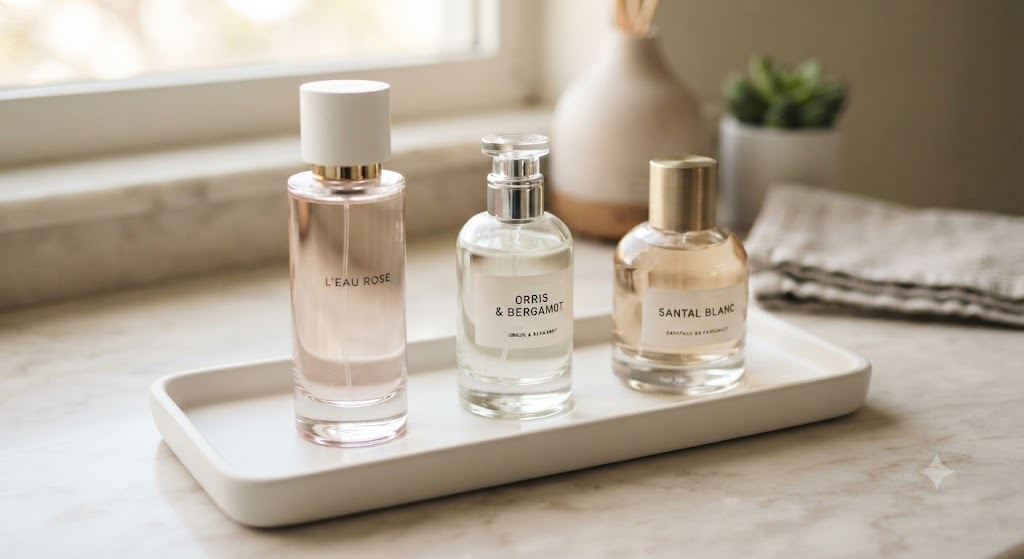
    Q4: Can Eau de Parfum be worn every day?

    A: Absolutely. Many people use Eau de Parfum as their daily signature scent because it provides excellent performance without being excessively strong when applied appropriately.

    Q5: How many sprays of Eau de Parfum should I use?

    A: Most people find that 3 to 6 sprays are sufficient. Stronger fragrances may require fewer sprays, while lighter compositions might benefit from slightly more application.

    Q6: Does Eau de Parfum expire?

    A: Perfumes can gradually change over time. When stored properly in a cool, dark place, most Eau de Parfum fragrances maintain their quality for several years.

    What Is Orris Root? The Expensive Iris Ingredient Explained

  • The Difference Between French Perfumes and Middle Eastern Perfumes

    What you’ll learn

    • How subtle floral elegance compares to bold, dark, and resinous olfactory profiles.
    • Key differences in ingredient concentration, longevity, and projection.
    • Cultural philosophies behind Western minimalism versus Eastern scent layering.
    • How to select and style both perfume styles for any season or setting.

    Introduction

    Walking through a French boutique, you might catch the delicate whisper of jasmine, fresh bergamot, and soft lavender lingering gently in the air. Step into an Arabian souk, and your senses are instantly wrapped in a rich tapestry of smoldering oud, golden amber, warm saffron, and lush Damask rose. The difference between French perfumes and Middle Eastern fragrances represents one of the most fascinating divides in the world of luxury scents.

    Both traditions boast centuries of heritage, artistic mastery, and global popularity. Yet, they approach scent creation with completely opposing philosophies. French perfumery leans into subtle sophistication and structured olfactory pyramids. Middle Eastern perfumery embraces opulent depth, powerful projection, and unapologetic intensity. Understanding these distinct characteristics helps you curate a personal fragrance collection that fits every mood, setting, and season. Let’s dive in.

    Understanding the Heritage of Two Fragrance Giants

    To truly appreciate the difference between French perfumes and Middle Eastern scents, you must look at their rich histories. France, specifically the town of Grasse on the French Riviera, became the perfume capital of the world in the 18th century. French perfumery evolved as a refined craft aimed at complementing personal style with subtlety. Master perfumers built delicate compositions designed to evolve smoothly on the skin over time.

    Middle Eastern scent tradition stretches back thousands of years to ancient Mesopotamia and Egypt. Here, fragrance was deeply spiritual, sacred, and integral to daily hospitality. Perfumes were not merely subtle accessories; they were declarations of prestige, warmth, and identity. The harsh climate of the region also demanded bold, long-lasting ingredients that could withstand heat without fading.

    Understanding the Heritage of Two Fragrance Giants

    The Main Differences in Formulation and Composition

    Olfactory Pyramids vs. Linear Intensity

    French perfumery famously relies on a classical three-tier pyramid structure: top notes, heart notes, and base notes. Top notes deliver a bright initial burst—often crisp citrus or light greens—that fades within fifteen minutes. Heart notes reveal the true character of the fragrance over the next few hours. Finally, base notes like vanilla, cedarwood, or white musk settle softly against the skin.

    Middle Eastern perfumes often bypass this gradual transformation in favor of continuous, deep intensity. While they do feature top notes, heavy resins, spices, and precious woods dominate from the very first spritz. This creates a powerful linear profile where the core character remains vibrant and unmistakable for twelve hours or more.

    Key Ingredients and Signature Notes

    French creations celebrate ethereal florals, aldehydes, soft woods, and sparkling fruits. Iconic ingredients include May rose from Grasse, Italian bergamot, iris, and lavender. These raw materials yield balanced, clean, and airy accords that feel effortlessly polished.

    Middle Eastern compositions center around rare, prized raw materials with intense aromatics. Oud (agarwood), often referred to as “liquid gold,” serves as the backbone of Eastern perfumery. Perfumers layer oud with spicy saffron, smoky frankincense, dark patchouli, thick honey, and rich Damask rose to produce intoxicatingly warm trails.

    Oil Concentration and Alcohol Bases

    Concentration plays a huge role in performance. French houses predominantly craft Eau de Toilette (10–15% oil) and Eau de Parfum (15–20% oil) using high-grade alcohol bases. This allows the fragrance to atomize finely, creating a soft halo of scent around the wearer.

    Middle Eastern houses frequently produce high-concentration Eau de Parfum (20–30% oil), Extrait de Parfum, and pure oil-based formulations known as Attars or CPO (Concentrated Perfume Oils). By omitting alcohol, these thick oils sink directly into the skin, radiating intense warmth and unyielding endurance.

    How to Wear and Style Each Fragrance Style

    1: Evaluate Your Setting and Environment

    French fragrances excel in professional settings, formal daytime events, and warm summer weather. Their airy, unobtrusive nature ensures your presence feels welcoming rather than overwhelming in enclosed spaces like offices or dinner tables.

    Middle Eastern scents thrive in chilly weather, evening galas, outdoor gatherings, or special occasions where you want to leave a memorable impression. Cold air cuts through heavy amber and oud notes, softening their rich edges into an inviting, cozy aura.

    2: Master the Application Technique

    When applying French spray perfumes, target your pulse points—wrists, inner elbows, and the sides of your neck—from six inches away. The alcohol evaporation disperses the delicate top notes into the air beautifully. Avoid rubbing your wrists together, as friction crushes the delicate floral molecules.

    For Middle Eastern perfume oils, dab a drop onto your warm pulse points and rub gently into your pulse zones or beard. When using heavy Middle Eastern sprays, adopt a “less is more” approach. One or two sprays are usually more than enough to last an entire day.

    3: Practice the Art of Fragrance Layering

    While French perfumery usually discourages mixing scents to preserve the perfumer’s exact blend, Middle Eastern culture considers scent layering an essential daily ritual.

    You can create a personalized signature scent by combining both styles. Start by dabbing a rich, woody Middle Eastern oil onto your pulse points as a grounding base. Top it off with a spray of your favorite French floral or citrus perfume. The fresh floral top notes lighten the heavy resinous base, creating a captivating custom aura.

    Common Myths and Misconceptions

    1: Middle Eastern Perfumes Are Too Strong for Everyday Wear

    Many people assume Eastern fragrances are universally harsh or cloying. In reality, modern Middle Eastern perfumers create exceptionally balanced compositions that highlight creamy sandalwood, soft musk, and sweet vanilla alongside gentle spices. Proper application ensures these scents remain smooth and seductive rather than overpowering.

    Middle Eastern Perfumes Are Too Strong for Everyday Wear

    2: French Perfumes Lack Longevity

    It is easy to assume that a fragrance lacks quality if it fades faster than a heavy oud blend. However, French perfumery intentionally prioritizes delicate artistry over sheer endurance. A light floral Eau de Toilette is designed to provide an intimate, fresh experience—not to linger on your coat for a week.

    3: Synthetic Ingredients Mean Inferior Quality

    Both French and Middle Eastern luxury houses utilize high-grade synthetic molecules alongside natural extracts. Synthetics provide stability, sustainability, and unique creative notes that natural raw materials cannot offer. For instance, ethical cruelty-free musk and ambergris alternatives allow iconic scents to exist without harming wildlife.

    Expert Advice for Building Your Collection

    According to recent global cosmetics market analysis, the worldwide perfume market exceeded $50 billion in value, driven largely by rising interest in niche and artisanal fragrances. Fragrance enthusiasts no longer restrict themselves to a single region’s style—they collect both to build versatile olfactory wardrobes.

    To build a balanced collection, invest in two foundational scents from each tradition:

    1. The French Classic: A versatile, sparkling floral or citrus-cedar Eau de Parfum for daily office wear, daytime spring outings, and casual weekend brunches.
    2. The Eastern Powerhouse: A cozy, rich amber, spicy saffron, or rose-oud blend for chilly winter nights, elegant dinners, and intimate evenings.

    When testing new scents, allow them to settle on your skin for at least three hours. Never make a purchasing decision based solely on a paper blotter test, as skin chemistry dramatically transforms both floral French notes and warm Eastern resins.

    Summary and Final Recommendation

    Understanding the difference between French perfumes and Middle Eastern scents opens up an exciting world of personal expression. French creations offer delicate harmony, subtle evolution, and timeless elegance suited for fresh everyday wear. Middle Eastern creations deliver rich storytelling, opulent warmth, and extraordinary longevity that commands attention.

    Summary and Final Recommendation

    Neither style is inherently superior; rather, they serve different moods, settings, and personal tastes. By welcoming both philosophies into your routine, you can tailor your fragrance to match any moment—whether you want a whisper of French lavender or a bold wave of Eastern oud.

    Conclusion

    Navigating the world of luxury scents becomes far more satisfying once you appreciate the craftsmanship behind different cultural traditions. Recognizing the difference between French perfumes and Middle Eastern fragrances empowers you to choose scents that match your personal style and environment with confidence. Embrace the subtle beauty of Western florals when you want effortless grace, and lean into the golden warmth of Eastern resins when you want to leave an unforgettable impression.

    Did you find this helpful? Drop a comment below or share this with a fellow fragrance lover!

    Frequently Asked Questions

    Q1: What is the main difference between French perfumes and Middle Eastern perfumes?

    A: The main difference lies in their composition, intensity, and ingredient profiles. French perfumes focus on delicate balance, fresh floral or citrus notes, and a three-tier scent pyramid that evolves subtly. Middle Eastern perfumes highlight rich, heavy ingredients like oud, amber, saffron, and incense, delivering intense projection and long-lasting warmth.

    Q2: Why do Middle Eastern perfumes last so much longer on skin?

    A: Middle Eastern perfumes typically feature much higher oil concentrations, including pure perfume oils (Attars) and Extraits. They also rely heavily on slow-evaporating base notes like precious woods, resins, and dark musks. These heavy molecules bind tightly to skin oils and fabrics, lasting far longer than lighter alcohol-based floral blends.

    Q3: Can I layer French perfumes with Middle Eastern perfume oils?

    A: Absolutely! Layering is a fantastic way to craft a unique signature scent. Apply a small amount of a warm, resinous Middle Eastern perfume oil to your pulse points first. Then, spray a lighter French floral or citrus Eau de Parfum over top. The fresh top notes will brighten the rich, earthy base.

    Q4: Is oud used in French perfumery today?

    A: Yes, modern French perfume houses frequently incorporate oud into their creations. However, French perfumers usually treat oud as a subtle supporting base note, blending it with rose, iris, or vanilla to soften its natural medicinal sharpness for a smoother Western olfactory palate.

    Q5: Which type of perfume is better for hot summer weather?

    A: French perfumes generally perform better in hot weather. Their crisp citrus, airy aquatic, and green floral accords feel refreshing in high humidity. Heavy Middle Eastern scents can become overwhelming in intense heat, though lighter Eastern musks and rose-infused waters remain delightful summer choices.

    Q6: What is an Attar and how does it differ from standard perfume?

    A: An Attar is a traditional, highly concentrated perfume oil made without alcohol, historically crafted through botanical distillation into a sandalwood oil base. Unlike standard spray perfumes that rely on alcohol to disperse notes into the air, Attars sink directly into the skin, radiating a soft, rich, and continuous scent.

    Best Unisex Perfumes Couples Can Share in 2026

  • Best Al Haramain Perfumes Worth Buying Right Now: The Ultimate Fragrance Guide

    What you’ll learn

    • The history and stellar rise of Al Haramain in modern luxury perfumery.
    • Detailed breakdowns of top-performing bottles like Amber Oud Gold, Rouge, and L’Aventure.
    • Proven application tips to make your favorite Arabian scents last 12+ hours on skin.
    • How to choose the right Al Haramain fragrance profile for your personal style and budget.

    Introduction

    Few things possess the uncanny power to transport you across decades or instantly elevate your mood quite like a signature scent. Imagine walking past someone and catching a warm, golden trail of sweet fruits, rich amber, and velvety woods that lingers long after they have turned the corner. That magnetic, unforgettable aura is precisely what the house of Al Haramain delivers. Finding the best Al Haramain perfumes can completely transform your daily routine, turning an ordinary morning spray into a statement of pure confidence.

    Founded with a deep-rooted passion for traditional oriental oils and refined contemporary compositions, Al Haramain has evolved from a treasured Middle Eastern secret into a global powerhouse. Whether you are craving a crisp, professional citrus blast or a deeply sensual, smoky tobacco warmth, this legendary house offers a masterclass in longevity and complexity. If you are ready to explore bottles that rival high-end niche houses without breaking the bank, let’s dive in.

    The Rise of Arabian Luxury and Why Al Haramain Matters

    The global fragrance landscape has shifted dramatically over the last few years. Discerning buyers are increasingly stepping away from generic designer releases in search of superior performance, richer ingredient profiles, and distinct character. This is where Middle Eastern perfumery shines, bridging centuries-old crafting traditions with modern aesthetic demands.

    Al Haramain stands at the very forefront of this movement. Established in Mecca in 1970, the brand began by trading high-grade natural agarwood and traditional attars before expanding into spray-based eau de parfums and luxurious extraits. According to recent retail trends in the luxury beauty sector, consumer demand for long-lasting oriental-Western fusion scents has surged by over forty percent. Wearing an Al Haramain creation means embracing quality craftsmanship that stays linear, projects powerfully, and commands attention in any room.

    The Rise of Arabian Luxury and Why Al Haramain Matters

    Top Al Haramain Masterpieces to Add to Your Collection

    Navigating an extensive catalog can feel overwhelming. To help you zero in on the absolute winners, we have broken down the standout performers that cater to every taste, season, and occasion.

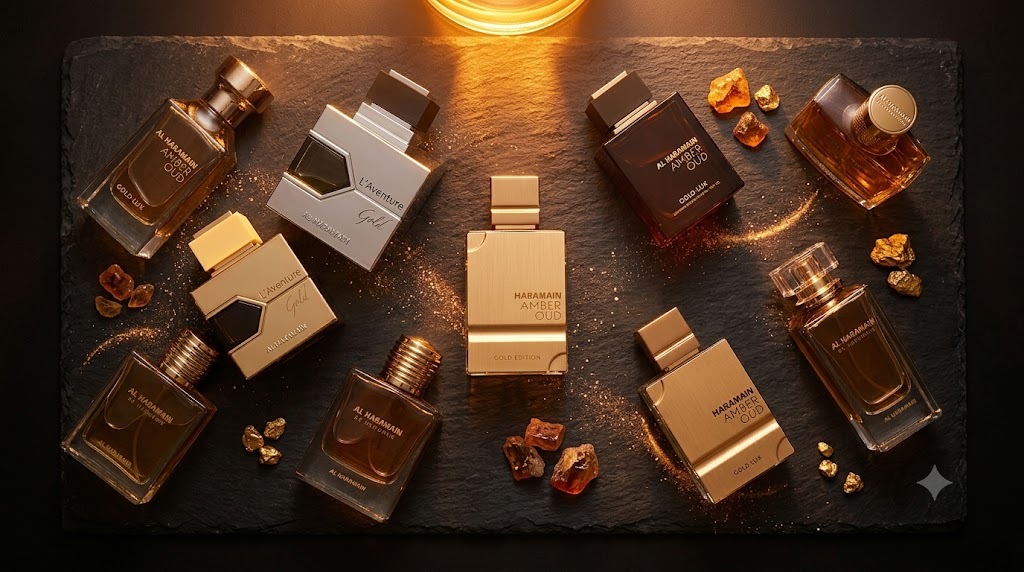
    Amber Oud Gold Edition — The Crowd-Pleasing Sweet Powerhouse

    If there is one fragrance that put the modern Al Haramain catalog on the map for everyday collectors, it is Amber Oud Gold Edition. This magnificent unisex composition opens with a juicy, mouth-watering burst of bergamot, green notes, sweet melon, and fresh pineapple.

    As the sharp fruitiness settles, a warm heart of amber, jasmine, and sweet gourmand notes takes center stage, resting comfortably on a velvety base of vanilla, musk, and woody cedar. It is smooth, radiant, and intensely tropical yet grounded enough for cooler autumn nights. The sillage is massive, meaning a mere three sprays will easily project for hours, earning you endless compliments wherever you go.

    L’Aventure — Crisp Sophistication and Modern Elegance

    For those who lean toward fresh, clean, and fiercely professional profiles, Al Haramain L’Aventure is an absolute revelation. Opening with a sparkling punch of lemon, bergamot, elemi, and sweet-tart fruity notes, it immediately wakes up the senses.

    The heart introduces a clean blend of woody notes, jasmine, and lily of the valley, while the base features amber, patchouli, and musk. It strikes a brilliant balance between bright citrus zest and deep, masculine-leaning sophistication. It serves as an ideal daily signature scent for the office, formal meetings, or warm summer afternoons when heavy orientals feel too suffocating.

    Amber Oud Tobacco Edition — Warm, Cozy, and Daringly Bold

    When temperatures drop and you crave something rich, dark, and enveloping, Amber Oud Tobacco Edition delivers pure luxury. This complex fragrance opens with a spicy kick of cinnamon, black pepper, ginger, and tobacco leaf.

    The heart reveals sweet tones of vanilla, cloves, star anise, and cacao, drying down into a resinous base of dried fruits and woody accords. It is deep, sophisticated, and unapologetically bold. Fans of rich, comforting, and spicy profiles will find this bottle to be an absolute masterpiece for winter evenings, formal galas, or quiet nights by the fireplace.

    How to Maximize Performance and Longevity

    Even the highest quality extraits and heavy eau de parfums need a little help from smart application habits to perform at their absolute peak. Follow these practical steps to get the most out of your investment.

    1. Hydrate Your Skin First: Fragrance oils bind much better to moisturized skin. Apply a layer of unscented lotion or body oil before spraying your pulse points.
    2. Target High-Heat Zones: Spray onto your neck, wrists, inner elbows, and behind the ears. The body heat generated in these areas helps diffuse the notes smoothly throughout the day.
    3. Do Not Rub Your Wrists: Rubbing your wrists together breaks the delicate top molecules, crushing the fragrance structure and causing the scent to fade much faster.
    4. Allow for Maceration: If your new bottle arrives and feels a bit harsh or weak, let it sit in a cool, dark drawer for a few weeks. Letting oxygen lightly interact with the juice often deepens and smooths out Arabian compositions remarkably.
    5. Spray on Clothing (With Caution): Natural fabrics like wool and cotton hold onto heavy amber and oud notes for days, though be careful with bright white fabrics when wearing dark-colored perfume oils.
    How to Maximize Performance and Longevity

    Common Mistakes People Make With Arabian Perfumes

    Diving into the world of concentrated Arabian luxury is exciting, but beginners often fall into a few common traps that sour their experience.

    The biggest mistake is overspraying right out of the gate. Because houses like Al Haramain use high oil concentrations and robust fixatives, what feels like a normal five-spray routine with a weak designer scent can easily become a room-clearing cloud with an intense Al Haramain extrait. Always start with two to three sprays until you gauge how the juice reacts to your skin chemistry.

    Another frequent misstep is judging a fragrance entirely by its initial opening blast. Alcohol-heavy or spice-heavy openings can feel sharp for the first five minutes. Give the composition at least twenty minutes to settle into its mid and base notes before deciding whether you love it. Finally, storing your collection improperly in humid bathrooms or direct sunlight will degrade the precious oils. Keep your bottles in a cool, dark wardrobe to protect their longevity.

    Expert Tips for Building an Al Haramain Wardrobe

    Curating a well-rounded fragrance wardrobe means having options for every weather condition and vibe. If you want to build a balanced collection from this brand, treat your bottles like seasonal accessories. Keep fresh, clean profiles like L’Aventure or Amber Oud Bleu for spring and high summer. Save sweet, tropical heavyweights like Amber Oud Gold for party nights, casual outings, and transitional weather.

    For formal evening wear, lean into deeper resins like Amber Oud Rouge or specialized tobacco blends. Layering is another advanced technique beloved by fragrance enthusiasts. Pairing a clean, citrus-forward scent with a rich vanilla base oil can create a custom, multidimensional aroma that belongs entirely to you.

    Pro Tip: If you love exploring niche fragrance structures and want to expand your collection further down the road, check out our guide on for unique combination ideas.

    Summary and Final Recommendations

    Al Haramain bridges the gap between accessible pricing and luxury Arabian craftsmanship. Whether you are drawn to the sweet, fruit-laden allure of Amber Oud Gold, the crisp executive vibe of L’Aventure, or the deep, cozy spices of Tobacco Edition, there is a masterpiece waiting to anchor your signature style. Focus on what notes make you feel most confident, respect the immense projection power of these formulations, and enjoy the endless stream of compliments that will inevitably follow.

    Summary and Final Recommendations

    Conclusion

    Stepping into the world of rich oriental perfumery opens up an entirely new dimension of personal expression. The best Al Haramain perfumes prove that you never have to sacrifice longevity, depth, or quality to build a breathtaking collection. By understanding the unique character of each bottle and applying them with care, you can enjoy luxury aromas that stay with you from morning until late into the night.

    Did you find this helpful? Drop a comment below or share this with a fellow fragrance lover!

    Frequently Asked Questions

    Q1: What are the best Al Haramain perfumes for beginners?

    A: For beginners looking for an easy-to-love profile, Amber Oud Gold Edition and Al Haramain L’Aventure are fantastic starting points. Gold Edition offers a sweet, fruity, and universally appealing amber cloud, while L’Aventure provides a crisp, refreshing, professional citrus-woody profile that feels familiar yet exceptionally long-lasting.

    Q2: Are Al Haramain perfumes long-lasting?

    A: Yes, Al Haramain is globally renowned for exceptional performance. Most of their Eau de Parfums and Extrait de Parfums easily last between eight to twelve hours on skin, while lingering on clothing for days due to their high concentration of quality oils and fixatives.

    Q3: Can Al Haramain fragrances be worn in the office?

    A: Absolutely, provided you choose the right scent and control your sprays. L’Aventure and Amber Oud Carbon or Bleu editions are clean, crisp, and office-friendly. However, heavier options like Tobacco Edition or intense sweet ambers should be applied sparingly in professional settings.

    Q4: Are Al Haramain perfumes unisex?

    A: Many popular lines, particularly the Amber Oud collection, are explicitly marketed as unisex. Scents like Amber Oud Gold blend sweet fruits with warm vanilla and musk, making them equally appealing to both men and women depending on individual skin chemistry.

    Q5: Do Al Haramain perfumes need to macerate?

    A: Maceration often improves these fragrances significantly. Because they utilize rich natural resins and heavy oils, letting a newly opened bottle sit in a cool, dark place for a few weeks allows the ingredients to blend seamlessly, often enhancing smoothness and performance.

    Q6: Where is the best place to buy authentic Al Haramain perfumes?

    A: To avoid counterfeit products, purchase directly from the official Al Haramain website, authorized department stores, or trusted, reputable online fragrance discounters with verified customer reviews and secure return policies.

    Best Solid Perfumes — Purse-Friendly Scents You Can Take Anywhere

  • Best Perfumes for Petite Women — Light but Lasting

    What you’ll learn

    • Why certain fragrance concentrations and note compositions complement a petite frame better than heavy, room-filling scents.
    • A curated selection of top-performing, light yet long-lasting perfumes across fresh, floral, and subtle musky categories.
    • Strategic application techniques to make delicate, airy fragrances linger on your skin all day long without overwhelming your presence.
    • Expert insights on avoiding common fragrance mistakes that cause subtle perfumes to fade too quickly.

    Introduction

    Have you ever walked into a room wearing a heavy, dramatic oriental perfume, only to feel like the scent walked in five minutes before you did? For petite women, finding the right signature fragrance can sometimes feel like trying to wear a coat that is two sizes too big. When you have a smaller frame, dense, suffocatingly loud perfumes can easily overpower your natural presence, turning a subtle allure into an overwhelming cloud. Furthermore, fragrance acts differently depending on body surface area and heat distribution, meaning heavy formulas can quickly turn cloying.

    However, opting for a lighter scent does not mean you have to settle for something that vanishes by noon. The secret lies in discovering sophisticated compositions that offer an ethereal lightness combined with unexpected longevity. Whether you gravitate toward sparkling citrus, dewy petals, or sheer skin musks, the right bottle will feel like an invisible, perfectly tailored accessory. Let’s dive in.

    Why Scale and Sillage Matter for Petite Frames

    When building a fragrance wardrobe, understanding the concepts of sillage (the scent trail left behind) and projection is essential, particularly for smaller individuals. Heavy gourmands packed with massive doses of ethyl maltol or dense patchouli bases can project heavily, filling an entire space instantly. On a petite frame, these heavyweights often overshadow your natural grace rather than accentuating it.

    Instead, fragrances with a moderate, intimate sillage wrap around you like a delicate silk scarf. They create an aura of effortless elegance rather than a loud statement. According to global market research by the Fragrance Foundation, consumer preference has shifted dramatically toward sheer, clean, and second-skin scents, proving that subtlety is the ultimate mark of modern luxury. Choosing well-balanced, transparent formulas ensures your scent profile remains harmonious, fresh, and remarkably captivating throughout your busy day.

    Why Scale and Sillage Matter for Petite Frames

    Top Fragrance Categories for Light and Lasting Wear

    The secret to balancing a light feel with long-lasting power is looking closely at the mid-notes and base notes. Here are the top three scent categories that excel on petite frames.

    Fresh Citruses and Crisp Aquatics

    Sparkling citrus and aquatic notes offer an immediate burst of uplifting energy without weighing down your skin. While citrus molecules are notoriously volatile and tend to evaporate quickly, modern perfumery uses advanced fixatives like ambroxan and iso e super to anchor bright bergamot, lemon, and mandarin notes.

    When you wear a fragrance like Jo Malone London Wood Sage & Sea Salt or Dolce & Gabbana Light Blue, you experience an invigorating freshness that stays crisp for hours. These compositions rely on clean musks and sheer woods in the dry-down, ensuring that the initial brightness transitions seamlessly into a lingering, intimate freshness that hugs your skin closely all afternoon.

    Sheer Florals and Dewy Petals

    Heavy white florals like tuberose and indolic jasmine can occasionally feel suffocating on a delicate frame. In contrast, sheer florals—such as lily of the valley, soft peony, and pink rose water—offer a romantic, feminine aura that feels weightless.

    Scents like Marc Jacobs Daisy or Chloé Eau de Parfum capture this delicate balance brilliantly. They utilize transparent floral notes backed by subtle amber or cedarwood bases. This clever construction allows the fragrance to bloom warmly on your pulse points without ever shouting for attention, making them ideal companions for both office environments and weekend brunch dates.

    Clean Musks and Skin Scents

    If your goal is absolute longevity paired with an ultra-discreet profile, clean skin musks are your best option. These formulas are designed to mimic and elevate your natural body chemistry, creating a “my-skin-but-better” effect.

    Options like Glossier You or Clean Reserve Skin interact harmoniously with your skin’s natural warmth. Because they rely on heavy, high-fixative musk molecules that sit close to the dermis, they possess incredible staying power while maintaining a whisper-light presence. They never overpower, yet they leave a lingering, comforting trace whenever someone steps close to you.

    Step-by-Step Guide to Applying Light Perfumes for Maximum Longevity

    Even the lightest fragrances can stay with you all day if you apply them using smart layering techniques. Follow this step-by-step roadmap to boost your perfume’s performance.

    1. Prep with an Unscented Moisturizer: Dry skin drinks up fragrance molecules instantly, causing them to fade within an hour. Apply a rich, unscented body lotion or oil to clean skin before spraying to lock the scent in place.
    2. Target Your Warmest Pulse Points: Focus on areas where blood flows close to the surface, such as the insides of your wrists, the crook of your elbows, and behind your earlobes.
    3. Mist Your Hair or Clothing: Fabrics and hair retain scent molecules much longer than skin because they lack natural body heat that speeds up evaporation. A light mist over a cotton blouse or through your ends works wonders.
    4. Avoid Rubbing Your Wrists Together: Rubbing breaks down the top and middle notes prematurely, altering the intended scent profile and making it fade much faster.
    5. Lock It with a Matching Lotion: If your favorite perfume comes with a companion body wash or lotion, use them together to create an invisible fragrance anchor.
    Step-by-Step Guide to Applying Light Perfumes for Maximum Longevity

    Common Mistakes That Cause Light Fragrances to Fade

    Many fragrance lovers wonder why their favorite light scents disappear so quickly. Often, the culprit is not the perfume itself, but simple application and storage errors.

    One major mistake is storing perfume bottles in humid bathrooms. Heat and moisture break down fragile top notes and degrade complex fixatives, ruining delicate citrus and floral blends. Always store your collection in a cool, dark drawer or closet.

    Another common pitfall is over-reliance on Eau de Cologne or body sprays expecting all-day wear. While refreshing, these formulations have very low perfume oil concentrations. For a light yet lasting effect, always look for Eau de Toilette (EDT) or Eau de Parfum (EDP) concentrations featuring airy, sheer notes. Finally, spraying directly onto jewelry can dull precious metals while failing to hold the scent effectively. Stick to skin and fabric for optimal results.

    Expert Tips for Building a Signature Petite Scent Wardrobe

    Curating a collection of light, long-lasting fragrances requires a strategic approach. Think of your perfumes as an extension of your wardrobe—you want versatile pieces for everyday wear and special options for evenings out.

    When shopping, always test fragrances directly on your skin rather than on a paper blotter. Paper strips only show the initial alcohol burst and top notes, whereas your skin’s unique pH reveals how the heart and base notes develop over time.

    Don’t be afraid to experiment with niche houses as well as mainstream designers. Independent perfumers often use high-quality natural resins and innovative transparent musks that offer incredible longevity without heavy projection. By investing in a few well-chosen bottles, you can effortlessly transition from crisp morning professionalism to a soft, lingering evening allure.

    Summary and Final Recommendations

    Choosing the best perfumes for petite women comes down to finding that sweet spot between airy lightness and reliable staying power. By prioritizing sheer musks, sparkling citruses backed by modern fixatives, and delicate floral compositions, you ensure your fragrance complements your frame rather than overshadowing it.

    Remember to prep your skin with a good moisturizer, target warm pulse points, and store your bottles away from direct sunlight. With these simple habits, your favorite subtle scent will stay fresh, captivating, and comfortably present from morning until night.

    Summary and Final Recommendations

    Conclusion

    Finding a fragrance that feels balanced, light, and enduring is a wonderful way to elevate your everyday confidence. When your scent harmonizes effortlessly with your petite frame, it becomes a seamless extension of your personal style—intimate, memorable, and entirely your own. By selecting transparent notes and applying them with care, you can enjoy all-day fragrance without ever feeling overwhelmed.

    Embrace the beauty of subtle sophistication and let your signature scent speak volumes through its quiet grace. Did you find this helpful? Drop a comment below or share this with a fellow fragrance lover!

    Frequently Asked Questions

    Q1: What are the best perfumes for petite women that last all day? A: Fragrances featuring clean skin musks, transparent florals, and modern citrus blends with robust fixatives—such as Glossier You, Marc Jacobs Daisy, or Jo Malone Wood Sage & Sea Salt—offer a light feel paired with impressive all-day longevity.

    Q2: Why do heavy perfumes feel overwhelming on smaller frames? A: Heavy perfumes often feature high concentrations of dense resins, sweet gourmand notes, and massive projection. On a petite frame with less body surface area, these heavy components can easily overpower your natural presence rather than blending smoothly.

    Q3: How can I make a light citrus perfume last longer on my skin? A: Apply an unscented moisturizer or body oil before spraying to give the fragrance molecules something to grip. Additionally, misting your clothing or hair helps retain volatile citrus notes much longer than skin alone.

    Q4: Are Eau de Parfum or Eau de Toilette better for petite women? A: Both work wonderfully, provided the scent profile is airy and transparent. Eau de Parfum offers higher oil concentration for better longevity, while Eau de Toilette provides a lighter, more refreshing aura ideal for daytime wear.

    Q5: Do skin musks smell different on everyone? A: Yes, clean skin musks are formulated to interact uniquely with your individual skin chemistry and body heat. This creates a personalized “my-skin-but-better” scent profile that feels completely natural and intimate.

    Q6: How should I store my delicate summer fragrances? A: Store your perfume bottles in a cool, dark, and dry place away from direct sunlight and bathroom humidity. Heat and moisture break down fragile top notes and degrade the quality of your favorite fragrances over time.

    Best Perfumes for Black Skin Tones — Scents That Shine Differently

  • Best Perfumes for College Girls on a Budget

    What you’ll learn

    • Why you don’t need a $150 bottle to smell incredible on campus
    • The best budget perfume brands and dupes worth trying
    • Simple application tricks that make cheap perfume last longer
    • Common mistakes college girls make when buying fragrance

    Introduction

    Between textbooks, ramen noodles, and rent, finding room in your budget for a signature scent can feel impossible. The good news? The best perfumes for college girls on a budget don’t have to cost a fortune to turn heads in the lecture hall or on a coffee date.

    Fragrance is one of those small luxuries that makes a big difference in how you feel walking into a 9 a.m. class. It’s memory, mood, and confidence in a bottle — and some of the most beloved scents on TikTok and Sephora shelves cost less than a textbook.

    You just need to know where to look, what ingredients actually last, and a few insider tricks. Let’s dive in.

    Why Budget Perfume Deserves a Spot in Your Dorm Room

    There’s a persistent myth that price equals quality when it comes to fragrance. In reality, many affordable fragrances for students share the exact same fragrance houses and “juice” suppliers as designer names — just without the marketing markup.

    The fragrance industry is enormous, and much of the actual formulation work happens behind the scenes at a small number of specialized fragrance houses that supply both luxury and drugstore brands alike. That’s part of why a $15 body mist can smell remarkably close to a $120 eau de parfum.

    For college girls, this matters because your money is better spent layering two or three affordable scents for different moods than committing it all to one splurge bottle you’re too nervous to actually use.

    Why Budget Perfume Deserves a Spot in Your Dorm Room

    The Best Budget-Friendly Perfume Picks

    This is where things get fun. Whether you’re into sweet vanilla gourmands, fresh citrus, or moody musk, there’s an affordable option that fits your vibe and your wallet.

    Sweet & Gourmand Scents

    If you love the smell of vanilla lattes and warm bakeries, gourmand perfumes are your best friend. Sol de Janeiro’s Cheirosa 62 body mist has become a dorm-room staple for its pistachio-vanilla warmth, and it’s priced far below prestige gourmands.

    Ariana Grande’s Cloud is another favorite among students — soft, sugary, and comforting without being overwhelming for an 8 a.m. class. It consistently ranks as one of the top-selling celebrity fragrances precisely because it delivers a luxe feel at a mall-perfume price.

    Layer a gourmand scent with unscented body lotion first; the extra moisture helps the sweetness settle into your skin instead of evaporating within an hour.

    Fresh & Clean Scents

    For girls who want to smell like they just stepped out of the shower, fresh florals and citrus notes are ideal. Bath & Body Works’ Japanese Cherry Blossom has been a campus classic for over a decade, and it’s often available for under $15 during sales.

    Zara’s fragrance line has also earned a loyal following for smelling shockingly similar to designer releases, with several editions built around crisp, clean musk and citrus accords. Many are priced under $20.

    Fresh scents work especially well for classes and study sessions since they’re subtle enough not to distract roommates or classmates sitting nearby.

    Warm & Musky Scents

    If you want something a little more sultry for date nights or weekend plans, warm musks and ambers deliver without the designer price tag. Dossier makes fragrance-inspired alternatives with transparent ingredient lists at a fraction of the cost of the originals.

    Victoria’s Secret Bombshell remains a nostalgic favorite for many students, balancing fruity top notes with a musky base that lingers into the evening.

    These deeper scents tend to have better staying power on skin, so a little goes a long way — start with one spray and build from there.

    Step-by-Step: How to Make Budget Perfume Last All Day

    1. Moisturize first. Apply an unscented lotion or petroleum jelly to pulse points before spraying. Hydrated skin holds fragrance far longer than dry skin.
    2. Target pulse points. Wrists, inner elbows, behind the ears, and the base of your neck generate warmth that helps diffuse scent throughout the day.
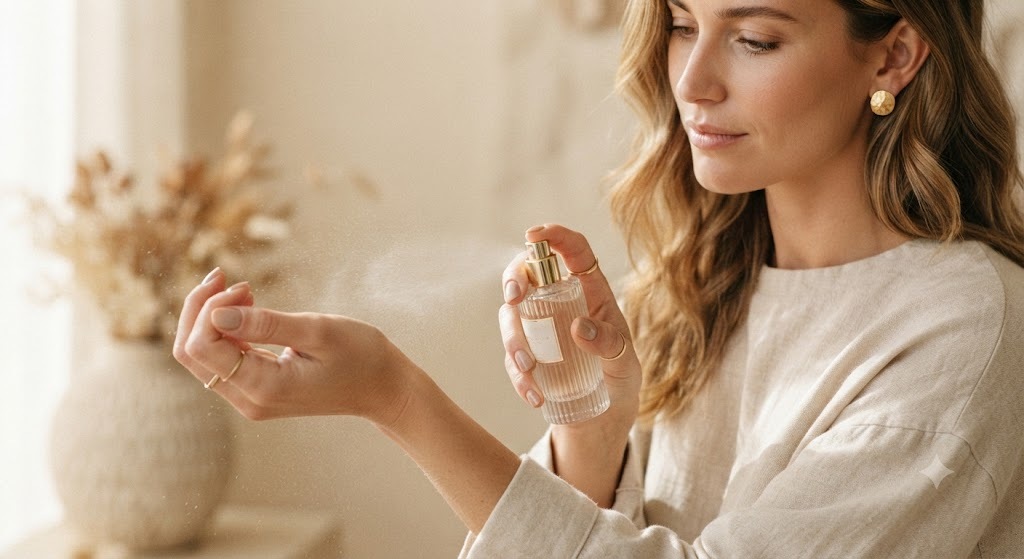
    3. Don’t rub your wrists together. This breaks down the fragrance molecules and can actually shorten how long it lasts.
    4. Layer with matching products. Many budget brands sell matching body washes or lotions — using them together builds a stronger, longer-lasting scent base.
    5. Store it properly. Keep bottles away from sunlight and heat (skip the windowsill), since both can break down the fragrance oils faster.
    6. Reapply strategically. Keep a rollerball or small decant in your backpack for a quick refresh between classes.
    How to Make Budget Perfume Last All Day

    Common Mistakes College Girls Make With Perfume

    Even with the right bottle, a few habits can undercut your fragrance game.

    Over-spraying. More product doesn’t mean it lasts longer — it usually just means classmates smell you before they see you. Two to three sprays is plenty for most eau de toilettes.

    Spraying only on clothes. Fabric holds scent differently than skin and can trap it unevenly. A mix of skin and clothing application works best.

    Buying based on the bottle, not the smell. Pretty packaging sells, but always try to smell a sample first or check spoiler-heavy reviews before buying online.

    Assuming expensive always means better. Plenty of $200 niche perfumes underperform on longevity compared to a well-formulated $25 option.

    Pro Tips From Fragrance Lovers

    Building a small “wardrobe” of two or three scents — one fresh, one sweet, one warm — lets you match fragrance to mood the same way you’d match an outfit.

    Sample sets are one of the smartest purchases a budget-conscious fragrance fan can make. Many retailers sell discovery sets of 5–10 mL bottles, letting you test several scents before committing to a full-size bottle.

    Pay attention to concentration labels. Eau de parfum (EDP) generally lasts longer than eau de toilette (EDT) at the same price point, so checking the label can save you money on reapplication.

    Final Recommendations for Budget-Savvy Students

    You don’t need a designer name to smell unforgettable on campus. Brands like Sol de Janeiro, Zara, Dossier, and Bath & Body Works consistently prove that affordable fragrances for students can rival prestige perfumes in both scent quality and staying power.

    Start with a sample set, learn what notes you gravitate toward, and build your fragrance wardrobe slowly as your budget allows.

    Final Recommendations for Budget-Savvy Students

    Conclusion

    Smelling amazing in college doesn’t require an expensive habit. The best perfumes for college girls on a budget prove that thoughtful choices — the right notes, smart application, and a little research — matter far more than the price tag on the box.

    Whether you lean sweet, fresh, or musky, there’s an affordable bottle out there that feels like you. Start small, experiment with samples, and let your signature scent grow with you through every semester.

    Did you find this helpful? Drop a comment below or share this with a fellow fragrance lover!

    Frequently Asked Questions

    Q1: What is the best budget perfume for college girls? A: It depends on your style, but Sol de Janeiro Cheirosa 62 and Bath & Body Works Japanese Cherry Blossom are two of the most popular budget picks, praised for their long-lasting scent and affordable price points under $30.

    Q2: How can I make cheap perfume last longer? A: Moisturize your skin before applying, target pulse points like wrists and neck, avoid rubbing your wrists together, and store the bottle away from heat and sunlight. Layering with matching lotion also extends wear time.

    Q3: Are drugstore perfumes as good as designer perfumes? A: Many drugstore and mall-brand perfumes are formulated by the same fragrance houses that supply luxury brands, so quality can be surprisingly close. Longevity and projection vary by formula, not just price.

    Q4: How many sprays of perfume should I use? A: Two to three sprays on pulse points is typically enough for most eau de toilettes and eau de parfums. Over-spraying can overwhelm those around you without actually extending how long the scent lasts.

    Q5: What’s the difference between eau de parfum and eau de toilette? A: Eau de parfum (EDP) has a higher concentration of fragrance oil, so it generally lasts longer on skin. Eau de toilette (EDT) is lighter and more diluted, making it fresher but shorter-lasting.

    Q6: Where can I try perfumes before buying a full bottle? A: Many retailers and online fragrance shops sell discovery or sample sets in small vials, letting you test scents on your own skin for a few dollars before investing in a full-size bottle.

    Best Colognes for Men Over 50 — Classic Scents That Age Beautifully