Category: Perfume Guide

  • Best Colognes for Teen Boys That Aren’t Too Strong

    What you’ll learn

    • Why choosing a lighter, subtle fragrance is essential for everyday teen wear
    • The top fresh, non-cloying cologne recommendations trusted by fragrance experts
    • How to apply fragrance properly so it stays subtle and lasts all day long
    • Essential tips on avoiding common mistakes like over-spraying or picking heavy scents

    Introduction

    Picture this: Walking down the high school hallway, you suddenly get hit by a massive wave of synthetic vanilla and heavy musk. Someone clearly went overboard with the body spray before gym class. We have all been there, and it is rarely a pleasant experience. Finding the best colognes for teen boys is a delicate balancing act because nobody wants to smell like a chemical cloud that clears out a room. Instead, the goal for any young guy stepping into the world of personal grooming is to smell clean, approachable, and fresh without choking out his friends or teachers.

    Fragrance development is an art form, and the modern market offers incredible options tailored specifically for younger noses and casual environments. Whether heading to class, hitting the basketball court, or going on a first date, a subtle signature scent builds confidence instantly. Let’s dive in.

    Why Light and Fresh Scents Matter for Teens

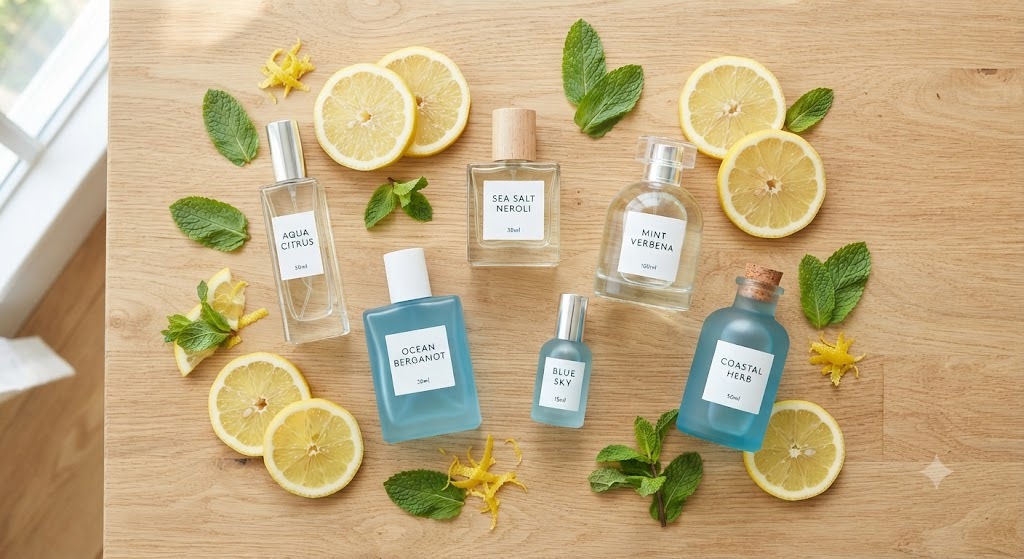
    When young guys start exploring fragrances, they often gravitate toward the loudest, most expensive bottles on the shelf, assuming more projection equals better quality. However, heavy oriental or ultra-sweet gourmand perfumes can easily overwhelm enclosed spaces like classrooms, cars, and movie theaters. A light, airy composition creates an inviting aura rather than an aggressive footprint. According to recent fragrance industry insights, fresh aquatic and citrus categories consistently dominate consumer preference for younger demographics because they mimic the natural smell of cleanliness.
    Why Light and Fresh Scents Matter for Teens

    Choosing the right concentration also matters tremendously. Eau de Toilettes (EDTs) and body mists usually offer lower oil concentrations, meaning they naturally sit closer to the skin. This prevents the scent from mutating into something harsh as body temperature rises throughout a busy school day.

    Top Fragrance Profiles and Product Recommendations

    Navigating the vast world of perfumery can feel overwhelming. Breaking down options by scent profile helps identify what works best for daily wear, sports, or special events.

    Citrus and Aquatic Freshness

    Citrus and aquatic blends act as the ultimate foolproof choices for daily wear. Notes like bergamot, grapefruit, sea salt, and crisp mint instantly lift the mood and project pure vitality.

    A classic standout in this category is Clinique Happy for Men. It bursts open with a bright, zesty cocktail of mandarin orange, lime, and sea notes that feel undeniably uplifting and clean. Another fantastic option is Acqua di Gio by Giorgio Armani, which introduces marine notes intertwined with rosemary and soft jasmine. It smells like an ocean breeze on a warm summer afternoon without ever shouting for attention.

    Clean Soap and White Musk

    For teenagers who simply want to smell like they just stepped out of a refreshing morning shower, clean musks and soapy accords are absolute game-changers. These notes blend seamlessly with natural body chemistry.

    Clean Classic Warm Cotton delivers a crisp, linen-like aroma that feels comforting and completely non-offensive. Similarly, Prada Luna Rossa Sport balances vibrant lavender with ginger and vanilla, creating a powdery, clean sweetness that feels modern, athletic, and sophisticated without feeling mature or stuffy.

    Light Woods and Green Botanicals

    As teens transition into slightly more sophisticated territory for formal events or cooler weather, light woody and green notes offer an earthy elegance. Cedar and vetiver provide grounding elements without heavy amber resin.

    Versace Pour Homme serves as a brilliant bridge into this category, combining neroli, bergamot, and hyacinth with a touch of cedarwood. It strikes a magnificent chord between sporty energy and polished maturity. Likewise, Montblanc Legend Spirit offers a breezy, aromatic woodiness that stays remarkably smooth from the first spray to the final dry down.

    Step-by-Step Guide to Applying Cologne Properly

    Even the most subtle fragrance can become overpowering if applied incorrectly. Mastering the application technique ensures a balanced scent trail.

    • 1: Shower and Cleanse. Always apply fragrance to clean skin so the oils do not mix with sweat or old deodorant.
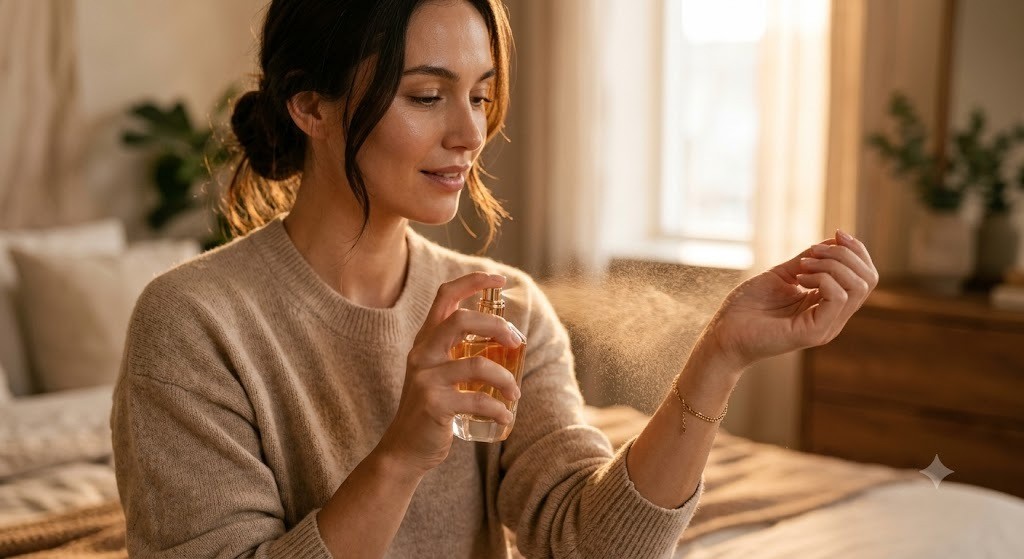
    • 2: Target Pulse Points. Spray lightly on warm areas of the body where blood vessels sit close to the surface, such as the sides of the neck and inner wrists.
    • 3: Do Not Rub. Allow the cologne to settle into the skin naturally without rubbing wrists together, which breaks down the fragile top notes.
    • 4: Keep the Dosage Low. Start with just two sprays for a school day. One on the chest and one on the back of the neck is often more than enough.
    • 5: Consider Clothing. If skin sensitivity is an issue, a single mist on a cotton t-shirt can diffuse the scent gently throughout the day.

    Step-by-Step Guide to Applying Cologne Properly

    Common Mistakes People Make With Teen Colognes

    Skipping basic application rules often leads to frustrating fragrance experiences. Avoiding these common pitfalls keeps the experience pleasant for everyone.

    The biggest mistake is the infamous “shower in a bottle” technique. Spraying ten times because the scent fades after an hour usually happens because the nose gets olfactory fatigue, meaning it stops noticing a familiar smell. Another frequent error is choosing heavy winter fragrances, like dense tobaccos or dark leathers, for hot summer sports practices. These notes amplify drastically in heat and humidity, turning cloying very quickly. Finally, storing bottles in humid bathrooms causes rapid oxidation, ruining the delicate citrus top notes before they even touch the skin.

    Expert Tips for Building a Signature Scent Identity

    Developing a personal fragrance identity is an exciting rite of passage. Fragrance experts recommend starting with a versatile, multi-purpose bottle before building a small rotation.

    Look for bottles labeled as Eau de Toilette (EDT) or Eau Fraiche, as these inherently feature lighter oil concentrations designed for casual wear. Pay attention to how a fragrance changes over time by testing it on skin rather than a paper blotter in a department store. Wear it for an hour to experience the mid and base notes before making a purchase.

    Building a signature scent is a journey of self-expression. Take your time sampling different families until you find something that feels uniquely like you.

    Summary and Final Recommendations

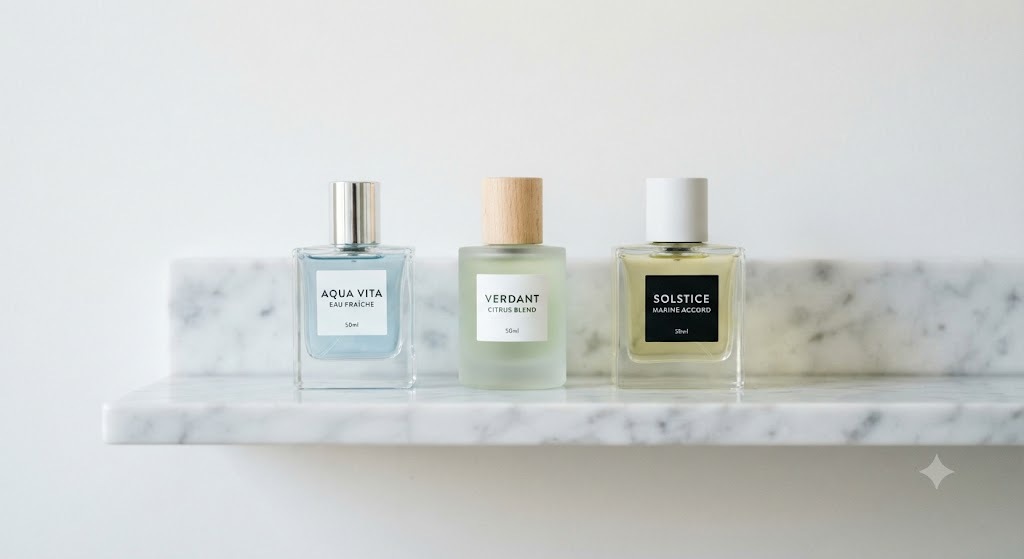
    Finding a great everyday fragrance does not require breaking the bank or wearing something overly complicated. The key lies in prioritizing fresh citrus, aquatic, and clean musky compositions that feel natural and breathable.

    Stick to reputable brands known for quality formulations, apply sparingly, and remember that confidence always wears better than any perfume. Whether choosing a zesty daytime refresher or a subtle clean musk for school, keeping things light ensures a memorable impression for all the right reasons.
    Summary and Final Recommendations

    Conclusion

    Choosing the right fragrance as a teenager is all about striking the right balance between personal expression and social awareness. By opting for lighter, fresher notes, you ensure a pleasant experience for both yourself and everyone around you. The best colognes for teen boys enhance natural appeal rather than masking it entirely, creating an inviting aura of cleanliness and vitality.

    Did you find this helpful? Drop a comment below or share this with a fellow fragrance lover!

    Frequently Asked Questions

    Q1: What are the best colognes for teen boys that won’t give people headaches? A: Light citrus and aquatic fragrances like Clinique Happy for Men, Versace Pour Homme, or Clean Warm Cotton are ideal choices. They feature crisp, transparent notes that do not project aggressively or trigger sensitivities in closed spaces like classrooms.

    Q2: How many sprays of cologne should a teenager wear to school? A: Two sprays are usually more than enough for a school day. Applying one spray to the chest and one to the back of the neck ensures a subtle, pleasant scent bubble that stays close to the skin.

    Q3: Is body spray better than cologne for teenage boys? A: Body sprays are inexpensive and very light, but they often contain high amounts of alcohol and evaporate within an hour. An Eau de Toilette cologne offers better quality ingredients and longer-lasting, smoother development without costing a fortune.

    Q4: Can teenage boys wear luxury designer fragrances? A: Absolutely! Many accessible luxury brands like Giorgio Armani, Versace, and Prada offer fantastic light daytime fragrances that work wonderfully for teenagers without smelling overly mature or heavy.

    Q5: Why does my cologne disappear so quickly on my skin? A: Fragrances often fade faster on dry skin or when applied immediately after waking up before the skin hydrates. Applying an unscented lotion before spraying can significantly improve the longevity of lighter colognes.

    Q6: How should a teen boy store his cologne collection? A: Colognes should be stored in a cool, dark, and dry place away from direct sunlight and humidity. Keeping bottles in a bedroom drawer or closet rather than a steamy bathroom preserves the freshness of the ingredients.

    Best Perfumes for Teen Girls in 2026 — Age-Appropriate and Fun
  • Best Perfumes for Teen Girls in 2026 — Age-Appropriate and Fun
    What you’ll learn:

    • Why light, fresh scents work better for teens than heavy adult perfumes
    • The specific notes and fragrance families that tend to be teen favorites
    • A practical, step-by-step way to pick (or gift) the right bottle
    • Common mistakes parents and teens make when buying a first perfume

    Introduction

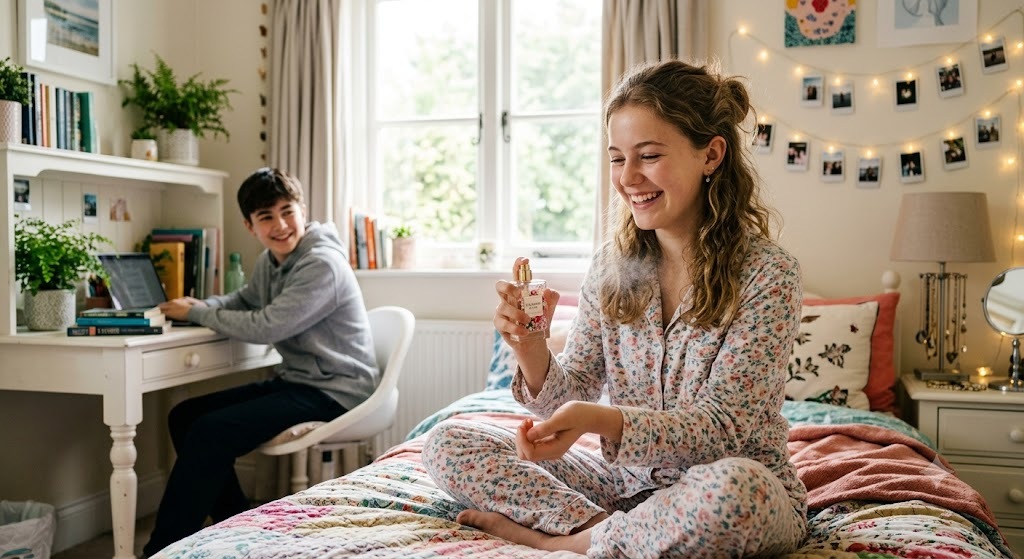
    Finding the best perfumes for teen girls isn’t as simple as grabbing whatever smells nice on the shelf. Teenage skin, teenage schedules, and teenage taste all call for something different than what works for a grown woman heading to the office.

    A first perfume is a small rite of passage. It’s the scent a girl reaches for before her first school dance, the one that ends up tucked into a backpack “just in case,” the one she’ll smell twenty years from now and instantly be sixteen again.

    That’s a lot of pressure for one little bottle. The good news? 2026 has more genuinely great, affordable, and age-appropriate options than ever before.

    In this guide, we’ll walk through what actually makes a fragrance suitable for teens, which notes tend to be crowd-pleasers, how to avoid the most common shopping mistakes, and how to shop smart whether you’re the teen doing the choosing or the parent footing the bill. Let’s dive in.

    Why Choosing the Right Perfume for Teens Matters

    Teenage skin chemistry runs warmer and produces more natural oil than adult skin, which means fragrances often project stronger and wear longer than expected. A scent that seems subtle in the store can turn into something much bolder by lunchtime.

    That’s one reason age-appropriate perfume for teens usually means lighter concentrations — eau de toilette or body mist rather than a heavy eau de parfum or pure parfum. Less concentrated formulas are gentler on developing skin and far less likely to trigger headaches in a crowded classroom.

    There’s also a social dimension. School dress codes, shared classrooms, and close-quarters friend groups mean a fragrance that’s lovely at arm’s length is more welcome than something that announces itself from across the hallway.

    Why Choosing the Right Perfume for Teens Matters

    According to fragrance industry data, the global perfume market is expected to surpass $50 billion by the late 2020s, with the “Gen Z fragrance” segment — light, playful, TikTok-friendly scents — cited by analysts as one of its fastest-growing categories. Brands have taken notice, and that’s exactly why the current crop of teen-friendly launches is stronger than it used to be.

    The Best Fragrance Notes and Families for Teen Girls

    The heart of choosing well is understanding which notes actually suit this age group. Here’s where to start.

    Fresh and Fruity Blends

    Fresh, fruity fragrances are the single most reliable category for teens. Think citrus top notes like bergamot or grapefruit paired with juicy mid notes such as raspberry, pear, or watermelon.

    These scents read as clean and energetic rather than “trying too hard.” They’re also incredibly versatile — appropriate for school, sports practice, or a weekend hangout without feeling out of place in any of those settings.

    Brands like Marc Jacobs and Bath & Body Works have built entire fan bases around this exact profile, and it’s easy to see why. The scent feels like sunshine, not perfume.

    Soft Florals

    A soft floral — think peony, jasmine, or light rose paired with something powdery like musk — is the next step up for a teen who wants to feel a little more grown-up without wearing something that belongs to her mom’s generation.

    The key word here is “soft.” Heavy, old-school florals can smell dated or overwhelming on younger skin. Look for descriptions like “light floral,” “sheer,” or “fresh floral” on the bottle.

    Jo Malone’s Wood Sage & Sea Salt is a good example of restraint done well — it’s technically unisex, but its quiet, clean profile has made it a favorite among teens who lean toward a minimalist “clean girl” aesthetic.

    Gentle Gourmand and Vanilla Scents

    Sweet, vanilla-forward fragrances are enormously popular with this age group, and it’s easy to understand why — vanilla, caramel, and tonka bean notes feel warm, comforting, and instantly likable.

    The trick is finding a gourmand that stays soft rather than tipping into something heavy or cloying. A whipped-cream or buttercream note, for instance, tends to read as cozy rather than overpowering.

    Billie Eilish’s Eilish Eau de Parfum leans into this territory with a musky, caramel-tinged base, and its popularity among teens shows just how much appetite there is for sweet, personality-driven scents right now.

    Step-by-Step: How to Pick the Right Perfume for Your Teen

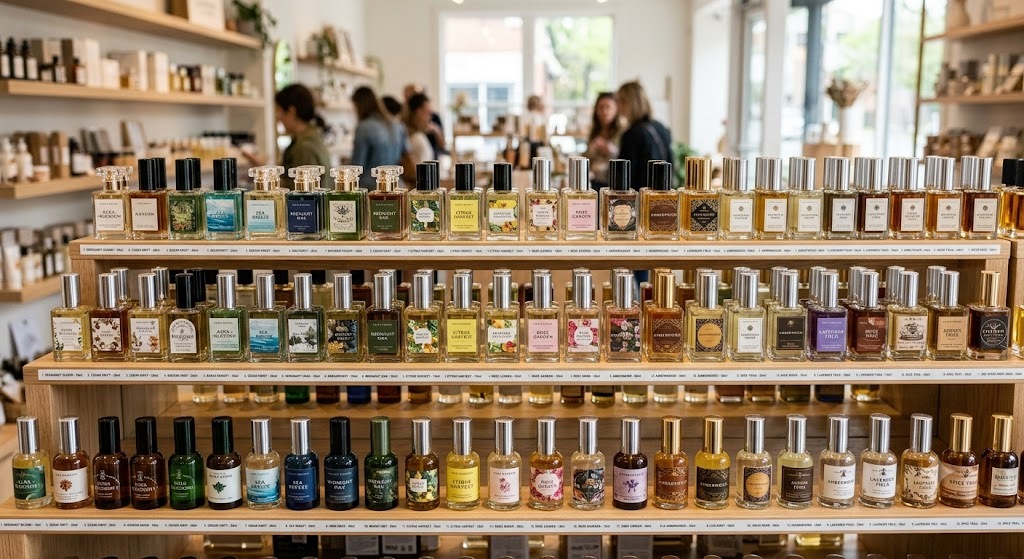
    Shopping for fragrance can feel overwhelming with hundreds of bottles on a shelf. Use this simple process to narrow things down fast.

    1. Start with scent family, not brand. Ask whether she gravitates toward fruity, floral, or sweet smells in everyday life — lotions, candles, even shampoo — before you even open a bottle.
    2. Test on skin, not paper. A fragrance card gives you the top notes only. Spritz a small amount on the wrist and wait 20–30 minutes to see how it actually develops.
    3. Shop in the morning. Your sense of smell is sharpest earlier in the day, before fatigue and “nose blindness” set in from testing too many scents in a row.
    4. Choose eau de toilette over parfum for daily wear. It’s lighter, more affordable, and easier to reapply without becoming overwhelming.
    5. Consider the setting. A scent for school should be subtler than one saved for parties or special occasions — it’s worth having one of each.
    6. Set a budget range first. Teens change preferences quickly, so a $20–$40 bottle is often a smarter first purchase than a $150 investment piece.
     How to Pick the Right Perfume for Your Teen

    Common Mistakes to Avoid When Buying Perfume for Teens

    Even well-meaning shoppers fall into a few predictable traps. Here’s what to watch for.

    1: Choosing based on the bottle, not the scent. A pretty package is tempting, but it says nothing about how the fragrance actually smells or wears.

    2: Going straight for pure parfum concentration. These are stronger, longer-lasting, and often too intense for a first fragrance — start lighter.

    3: Ignoring skin chemistry. A scent that smelled incredible on a friend can smell completely different once it hits someone else’s skin.

    4: Overspending on a “trial” scent. Tastes shift fast at this age, so it rarely makes sense to splurge on the very first bottle.

    5: Assuming louder means better. Heavy sillage might feel exciting in the store, but it can be genuinely unwelcome in a classroom or shared car ride.

    Expert Tips for Making a Fragrance Last All Day

    A few small habits make a noticeable difference in how long any perfume lasts on younger, more active skin.

    Apply right after showering, while skin is still slightly damp — fragrance clings better to hydrated skin than dry skin. Focus on pulse points like wrists, the base of the neck, and behind the ears, where body warmth helps the scent release gradually throughout the day.

    Resist the urge to rub wrists together after spraying. That friction breaks down the fragrance’s molecular structure and can actually shorten how long it lasts, even though it feels like it should help.

    Layering matters too. A matching scented body lotion applied underneath the perfume can extend wear time significantly, since the lotion acts as a moisture base the fragrance can hold onto.

    Final Recommendations: Building a Teen Fragrance Starter Kit

    Rather than committing to one “perfect” bottle, consider building a small rotation.

    A fresh, fruity option for everyday school wear covers most situations effortlessly. A soft floral works well for slightly dressier days — think a school photo day or family event. And a gentle gourmand adds a cozy, personality-driven option for evenings or weekends.

    Building a Teen Fragrance Starter Kit

    This kind of rotation also solves a real problem: it keeps any single scent from becoming so overused that it stops feeling special. Teens tend to appreciate having options as much as adults do — sometimes more.

    Conclusion

    The best perfumes for teen girls all share a few things in common: they’re light enough for daily wear, gentle enough for developing skin, and fun enough to actually feel exciting to put on.

    Whether she leans fruity, floral, or sweet, there’s a genuinely great option out there in 2026 that fits her personality without being overwhelming for the people around her. Start light, test on skin, and let her preferences guide the final choice — that’s really the whole formula.

    Did you find this helpful? Drop a comment below or share this with a fellow fragrance lover!

    Frequently Asked Questions

    Q1: What is the best type of perfume for a teenage girl’s first fragrance? A: Eau de toilette or light eau de parfum in fresh, fruity, or soft floral families tend to work best. They’re gentle on younger skin, affordable enough to experiment with, and versatile for school, weekends, and casual outings without being overpowering in shared spaces.

    Q2: At what age is it appropriate for a girl to start wearing perfume? A: There’s no strict rule, but many girls start experimenting with light body mists or scented lotions around age 11–13, moving to a proper eau de toilette in their mid-teens. It really comes down to personal comfort and skin sensitivity.

    Q3: How much perfume should a teenager apply? A: Less is more. One or two light spritzes on pulse points — wrists and neck — is usually plenty. It’s easy to reapply later if needed, but much harder to tone down a fragrance that’s been over-applied.

    Q4: Are expensive perfumes better for teens than drugstore options? A: Not necessarily. Many budget-friendly brands make genuinely well-blended, long-lasting fragrances aimed specifically at younger wearers. Price often reflects packaging and brand prestige more than actual scent quality at this level.

    Q5: Can teenage girls wear the same perfume as adults? A: They can, but very heavy, intense adult fragrances can feel overwhelming on younger, more reactive skin and in close settings like classrooms. Lighter concentrations of adult-marketed scents are usually a more comfortable middle ground.

    Q6: How can I make a lighter perfume last longer throughout the school day? A: Apply right after showering on slightly damp skin, target pulse points, avoid rubbing wrists together, and consider layering a matching scented lotion underneath. Carrying a small travel-size bottle for a midday touch-up also helps.

    Best Perfumes for Rainy Days — Cozy Scents for Gloomy Weather

  • Best Perfumes for the Gym — Yes, That’s a Thing

    What you’ll learn

    • Why workout scents require a completely different approach than evening fragrances
    • The best fragrance families and notes that complement body heat and movement
    • Practical, step-by-step application techniques to stay fresh without bothering others
    • Key mistakes to avoid when wearing perfume to the gym or workout classes

    The Rising Trend of Workout Scents: Why Gym Perfume Matters

    Finding the best perfumes for the gym might sound unconventional if you assume fragrance belongs strictly at dinner dates or office meetings. Yet, activewear scent styling has quickly become one of the fastest-growing trends in the modern fragrance world.

    Picture this: you are ten minutes into a high-intensity cardio session, your body temperature is rising, and your skin is starting to heat up. As your pulse quickens, any fragrance applied to your skin begins to project significantly faster and stronger than it would in an air-conditioned office.

    According to global cosmetic industry reports, functional scents designed for active lifestyles now account for billions in worldwide fragrance sales. People want to feel clean, energized, and confident while exercising, without creating a cloud of heavy scent that bothers nearby weightlifters.

    Wearing perfume to the gym is not about masking sweat with heavy florals or sweet vanillas. Instead, it is about choosing light, invigorating accords that respond beautifully to body heat and enhance your workout mindset. Let’s dive in.

    Gym Fragrance Etiquette: Why Choosing the Right Gym Perfume Matters

    The gym is a shared, high-exertion environment where people breathe heavily and sweat freely. Because of this, standard perfume rules simply do not apply when you walk onto the fitness floor.

    When your heart rate increases, your blood pumps closer to the surface of your skin. This heat acts as a natural diffuser, accelerating the evaporation rate of perfume molecules. A warm, heavy gourmand or amber fragrance that feels subtle on a chilly evening can quickly expand into an overwhelming aura in a crowded gym.

    Why Choosing the Right Gym Perfume Matters

    Using lightweight gym fragrances demonstrates courtesy to those around you while offering a welcome boost to your own morale. Fresh, subtle accords can act as an olfactory trigger, signaling to your brain that it is time to focus, push harder, and stay energized through every set.

    Selecting the right scent profile ensures you enjoy a clean, uplifting personal aura without invading anyone else’s personal space during a workout.

    Fragrance Families That Excel in the Gym Environment

    Not all perfume families are built to handle heat and physical movement. When shopping for gym-friendly options, target clean, airy, and uplifting fragrance profiles that wear close to the skin.

    Fresh Citrus and Zesty Aromatics

    Citrus notes like bergamot, grapefruit, sparkling lemon, and bitter orange are undisputed champions of the athletic world. These bright top notes offer an immediate burst of refreshing energy that wakes up the senses as soon as you begin your warm-up.

    Aromatic herbs like mint, basil, eucalyptus, and rosemary add a crisp, cooling sensation. When combined with citrus, these herbal elements create a crisp cleanliness that feels airy and pure, even during intense sweat sessions.

    Top recommendations in this category include minimalist classics like Maison Francis Kurkdjian Aqua Universalis or accessible energetic options like Clinique Happy for Men.

    Aquatic and Marine Notes

    Aquatic fragrances utilize ozonic and marine accords to evoke ocean breezes, cool mist, and dewy morning air. These notes feel inherently clean and weightless, making them ideal for high-humidity gym environments.

    Marine scents perform exceptionally well because they lack heavy base notes that clog the air. Instead, they project a breeze-like freshness that harmonizes seamlessly with active physical movement.

    Iconic examples include Davidoff Cool Water, Acqua di Giò EDT, or modern niche options like Heeley Sel Marin, which offer a transparent sea-salt vibe.

    Light Green and Clean Tea Accords

    Green fragrances capture the essence of freshly cut grass, crisp bamboo, vetiver, and crushed green tea leaves. These botanical notes ground your mind and encourage deep, steady breathing during pilates, yoga, or stretching routines.

    Tea accords—particularly green tea and white tea—provide a soft, calming aura that stays refined throughout your session. They subtly enhance your natural skin scent rather than coating it in heavy perfume.

    Consider timeless green choices like Elizabeth Arden Green Tea or Bvlgari Eau Parfumée au Thé Vert for an understated, serene workout aura.

    How to Apply Perfume Before Your Workout: A Step-by-Step Guide

    Proper application technique is just as crucial as selecting the right scent profile. Follow these five simple steps to optimize your gym fragrance routine.

    How to Apply Perfume Before Your Workout A Step-by-Step Guide
    1. Hydrate Your Skin First: Apply fragrance right after showering on slightly hydrated skin. Moisturized skin holds onto light citrus and aquatic top notes much longer than dry skin.
    2. Target Non-Exposed Pulse Points: Spray behind your knees or on your lower torso rather than directly on your neck or chest. As your body warms up, the scent will gently rise without beaming directly into your nose or your workout partner’s space.
    3. Limit Your Sprays: Restrict your application to one or two sprays maximum. Remember, the goal of gym fragrance is personal enjoyment, not room filling projection.
    4. Spray Clothes Wisely: If your skin reacts to fragrance during sweating, spray a delicate mist on the hem of your gym shirt or workout towel instead of directly on your skin.
    5. Allow the Scent to Settle: Apply your fragrance at least 15 to 20 minutes before stepping into the gym area. This lets the sharp initial opening evaporate, leaving only the soft heart notes behind.

    Common Gym Fragrance Mistakes to Avoid at All Costs

    Even experienced fragrance enthusiasts can make key mistakes when picking a scent for workout environments. Steering clear of these common pitfalls will keep your gym experience pleasant and respectful.

    Over-Applying Heavy Base Notes

    The most common mistake is wearing rich, resinous fragrances packed with oud, dark amber, heavy vanilla, or thick leather. These deep base notes cling stubbornly to body heat, becoming suffocating and cloying inside an enclosed workout studio.

    Confusing Body Deodorant with Perfume

    Using heavily scented axe-style body sprays as a substitute for clean fragrance often results in a harsh, synthetic cloud. Pair an unscented antiperspirant with a high-quality light fragrance instead for a far more sophisticated result.

    Spraying Right Before Entering a Group Class

    Spraying perfume in the locker room right before stepping into a crowded spin or hot yoga class can trigger allergies or asthma in fellow participants. Always allow your fragrance time to dry down before entering enclosed class spaces.

    Expert Tips for Maximizing Longevity Without Overpowering Others

    Achieving the perfect balance between longevity and subtle projection requires a few clever tricks from industry insiders.

    First, opt for lighter concentration formulas such as Eau de Toilette (EDT), Eau de Cologne (EDC), or body mists rather than dense Eau de Parfum (EDP) or Extrait de Parfum preparations. Lighter concentrations naturally dissipate faster and project far less aggressively.

    Second, look for fragrances built with synthetic musks like Cetalox or Iso E Super. Fragrances built around these notes (such as Juliette Has a Gun Not A Perfume or Molecule 01) adapt to your individual skin chemistry, producing an alluring “your skin but better” scent profile that never feels heavy.

    Finally, consider solid perfumes or scent oils. Solid wax-based fragrances sit extremely close to the skin, releasing faint hints of aroma only when your skin warm up during exertion.

    Finding Your Signature Gym Scent: Final Recommendations

    Selecting the right athletic fragrance elevates your daily workout routine into a sensory ritual that boosts energy, mood, and personal confidence.

    Finding Your Signature Gym Scent

    Look for scents that feature uplifting citrus, breezy marine accords, or tranquil green tea notes. Keep your application minimal, stick to light spray concentrations, and always keep shared space etiquette in mind.

    By choosing lighter compositions, you can enjoy all the uplifting benefits of fine fragrance while staying perfectly courteous to everyone sharing the fitness floor.

    Conclusion

    Choosing the best perfumes for the gym comes down to balance, restraint, and selecting fresh, invigorating scent profiles. By swapping out heavy winter ambers and sweet gourmands for zesty citrus, marine, and green tea notes, you create a personal energizing bubble that enhances your physical workout.

    Always remember that in an active fitness space, less is always more. A single light spray on your torso or lower body provides just enough aromatic motivation without overwhelming your workout neighbors.

    Did you find this helpful? Drop a comment below or share this with a fellow fragrance lover!

    Frequently Asked Questions

    Q1: What are the best perfumes for the gym that will not offend others?

    A: The best gym perfumes feature light, clean notes like lemon, bergamot, green tea, ocean mist, and subtle white musks. Fragrances like Elizabeth Arden Green Tea, Maison Francis Kurkdjian Aqua Universalis, and Davidoff Cool Water offer crisp, non-intrusive freshness that stays subtle even when your body heats up during exercise.

    Q2: Is it acceptable to wear perfume to a workout class or gym?

    A: Yes, wearing perfume to the gym is completely fine as long as you observe basic gym etiquette. Stick to fresh, airy scent profiles, choose lighter concentrations like Eau de Toilette or body mists, and limit your application to one or two subtle sprays well before starting your session.

    Q3: Where should you apply fragrance before working out?

    A: Apply your fragrance to lower pulse points like behind your knees, on your lower torso, or on the lower hem of your gym shirt. Avoid spraying directly on your neck, chest, or collarbone, as intense body heat in these areas can cause the fragrance to project too aggressively.

    Q4: Why do perfumes smell stronger when you sweat at the gym?

    A: Physical exercise increases your internal blood circulation and skin surface temperature. Heat accelerates the evaporation rate of perfume alcohol and aromatic oils, causing scent molecules to project much faster and fill the surrounding air with greater intensity than at resting temperatures.

    Q5: Should I use Eau de Parfum or Eau de Toilette for gym workouts?

    A: Eau de Toilette (EDT) or Eau de Cologne (EDC) is significantly better for the gym than Eau de Parfum (EDP). EDTs contain a lower concentration of fragrance oils, allowing them to remain airy, transparent, and light without becoming heavy or suffocating during high-intensity training.

    Q6: Can I wear perfume during hot yoga or intense cardio sessions?

    A: In high-intensity or high-humidity settings like hot yoga or spin classes, it is best to wear either a very faint skin scent (like Molecule 01) or skip perfume entirely. Enclosed, warm rooms amplify scents drastically, so keeping fragrance minimal ensures a comfortable environment for all participants.

    Best Wedding Day Perfumes for Brides in 2026: The Ultimate Guide

  • Best Perfumes to Wear on a First Date — Scents That Attract

    What you’ll learn

    • The psychological impact of scent on romantic attraction and memory formation
    • Specific, top-rated fragrance recommendations for unforgettable first impressions
    • Strategic application techniques to make your perfume last through dinner and drinks
    • Common fragrance mistakes that can ruin an otherwise perfect romantic evening

    Introduction

    First dates are a delicate dance of nerves, excitement, and anticipation. You spend hours agonizing over your outfit, perfecting your hair, and choosing the right venue, yet many people completely overlook one of the most powerful invisible tools in their arsenal: scent. Finding the best perfumes to wear on a first date can dramatically shift the energy of the entire encounter, creating an immediate sense of intimacy and magnetic allure. In fact, research in olfactory psychology shows that scent triggers emotional centers in the brain faster than sight or sound. A carefully chosen fragrance does not just smell pleasant; it tells a story, sparks chemistry, and etches your presence into their memory long after the night ends. Let’s dive in.

    The Psychology of Scent and Attraction

    Before choosing a bottle off your vanity, it helps to understand why certain fragrances pull people in while others overwhelm them. When you meet someone new, your sense of smell plays a primal role in assessing compatibility. Warm, inviting notes like vanilla, amber, and soft musk mimic the natural warmth of human skin, signaling comfort and safety. Meanwhile, subtle floral or crisp citrus notes introduce an element of playful elegance.

    According to global fragrance industry market reports, the prestige perfume sector thrives because consumers recognize that signature scents boost personal confidence. When you feel good about how you smell, your body language changes. You stand taller, smile easier, and project effortless charm.

    The Psychology of Scent and Attraction

    Curating Your Dating Wardrobe

    Building an effective dating fragrance profile requires understanding how different notes interact with body chemistry and setting the right mood.

    Sweet and Warm Gourmands

    Gourmand notes like vanilla, tonka bean, and roasted praline create an irresistible, edible aura that draws people closer. These scents feel cozy, intimate, and warm. They work exceptionally well for evening coffee dates, casual dinners, or intimate lounge settings.

    When people smell sweet notes combined with a touch of spice, it triggers feelings of comfort and relaxation. Iconic choices like Yves Saint Laurent Black Opium or Maison Margiela By the Fireplace excel here because they balance sweetness with smoky or rich depths.

    Elegant Florals and Fresh Accents

    If your first date takes place during daylight hours—such as a weekend brunch or a walk through an art gallery—you want something uplifting yet sophisticated. Crisp citrus, white florals like jasmine, and dewy rose notes project freshness and vitality.

    These brighter compositions feel approachable and lively. Scents like Chanel Chance Eau Tendre or Jo Malone Peony & Blush Suede offer a breezy, romantic charm that never feels overpowering or stuffy in open-air environments.

    Mysterious Woods and Sensual Musks

    For evening cocktails or upscale dinners, deeper, earthier notes add a layer of sophisticated mystery. Sandalwood, cedar, ambergris, and clean white musks cling close to the skin, creating a personal bubble of scent that invites closeness.

    Fragrances in this category, such as Le Labo Santal 33 or Byredo Mojave Ghost, project quiet confidence. They whisper rather than shout, making them ideal for close-quarters conversation where subtlety wins over loudness.

    Strategic Application Guide

    Choosing the right fragrance is only half the battle; knowing how and where to apply it ensures it performs beautifully throughout the date.

    1. Target Pulse Points: Apply your perfume to warm areas of the body where blood vessels sit close to the skin. This includes the wrists, the sides of the neck, and behind the earlobes.
    2. Moisturize First: Dry skin drinks up fragrance molecules, causing them to fade quickly. Layer an unscented body lotion or matching body cream before spraying your perfume to lock in longevity.
    3. Avoid Wrist Rubbing: Rubbing your wrists together crushes the delicate top notes, altering the fragrance profile and shortening its lifespan on skin. Simply spray and let it dry naturally.
    4. Mind the Fabric: A light mist on a scarf or the hem of a coat can help the scent linger gently in the air as you move, though be cautious with delicate silks that might stain from oils.
    Strategic Application Guide

    Common Mistakes People Make With Date Night Fragrances

    Even the most expensive niche perfumes can backfire if application goes wrong. Avoid these frequent missteps to keep your romantic encounter smooth.

    • Over-spraying: The biggest rookie mistake is bathing in perfume. In a close restaurant or a car ride, an overpowering cloud of scent causes sensory fatigue and discomfort. Less is always more.
    • Choosing Untried Samples: Wearing a brand-new, untested fragrance on a first date is risky. Skin chemistry can turn certain notes sour or powdery unexpectedly. Stick to tried-and-true favorites.
    • Ignoring the Setting: Wearing an ultra-heavy, animalic oud to an outdoor daytime picnic feels mismatched and jarring. Match your scent intensity to the environment and temperature.
    • Ignoring Your Date’s Comfort: If you know your date has sensitivities or allergies, opt for clean, transparent skin scents rather than heavy, projecting projection bombs.

    Expert Tips for Maximum Longevity

    Mastering the art of projection and longevity turns a good date fragrance into an unforgettable one. Layering is a professional secret used by fragrance enthusiasts worldwide. Start with a scented shower gel, follow with a matching body lotion, and finish with the eau de parfum. This builds depth and keeps the scent developing harmoniously for hours.

    For more insights on building a versatile collection, check out our guide on how to build a seasonal fragrance wardrobe. Additionally, keep a travel atomizer in your bag for a quick, subtle refresh if the date extends into late-night drinks.

    Final Recommendations

    Ultimately, the best perfume to wear on a first date is one that makes you feel confident, authentic, and comfortable in your own skin. Whether you lean toward sweet vanilla, crisp citrus, or deep woody amber, let your personality shine through. A great fragrance should feel like an invisible signature that complements your charm without stealing the spotlight entirely.

    Final Recommendations

    Conclusion

    Navigating the world of romance is an exciting journey, and your signature scent acts as your quiet wingman. By selecting the right fragrance notes, applying them with care, and respecting the environment of your date, you set the stage for an unforgettable connection. Finding the best perfumes to wear on a first date is all about balancing allure with personal authenticity.

    Did you find this helpful? Drop a comment below or share this with a fellow fragrance lover!

    Frequently Asked Questions

    Q1: What are the best perfume notes for a romantic first date? A: Warm gourmand notes like vanilla, tonka bean, and soft amber are universally appealing because they create an intimate, cozy atmosphere. Subtle florals and clean musks also work wonderfully for daytime or casual encounters.

    Q2: How many sprays of perfume should I wear on a date? A: Two to three sprays are generally ideal. Focus on warm pulse points like your wrists and neck so the scent diffuses naturally as your body temperature rises during the evening.

    Q3: Should I wear a brand-new perfume on a first date? A: It is best to avoid wearing a brand-new fragrance for the first time on a date. Skin chemistry can alter notes unexpectedly, and you want to ensure you feel entirely comfortable and confident with how the scent develops.

    Q4: Are heavy oriental or oud fragrances okay for a first date? A: Heavy, highly projecting oud or animalic scents can easily overwhelm a small restaurant or enclosed space. It is safer to choose smoother, more approachable woody or amber profiles for initial dates.

    Q5: How can I make my date night perfume last longer? A: Apply your fragrance directly to well-moisturized skin immediately after a shower. Layering with a matching body lotion or applying a light mist to your clothing fibers will also boost longevity.

    Q6: Is it better to wear a sweet perfume or a fresh perfume? A: It depends entirely on the setting and time of day. Sweet, warm scents excel during evening dinners and intimate dates, while fresh, citrusy, or floral scents shine during daytime activities like brunch or outdoor strolls.

    Oakcha vs Dossier — Which Dupe Brand Actually Wins?

  • Oakcha vs Dossier — Which Dupe Brand Actually Wins?

    What you’ll learn:

    • How Oakcha and Dossier actually differ in formula, concentration, and price
    • Which brand wins on scent accuracy for popular designer dupes
    • How longevity and projection compare between the two
    • Which brand is the smarter buy depending on what you’re looking for

    Introduction

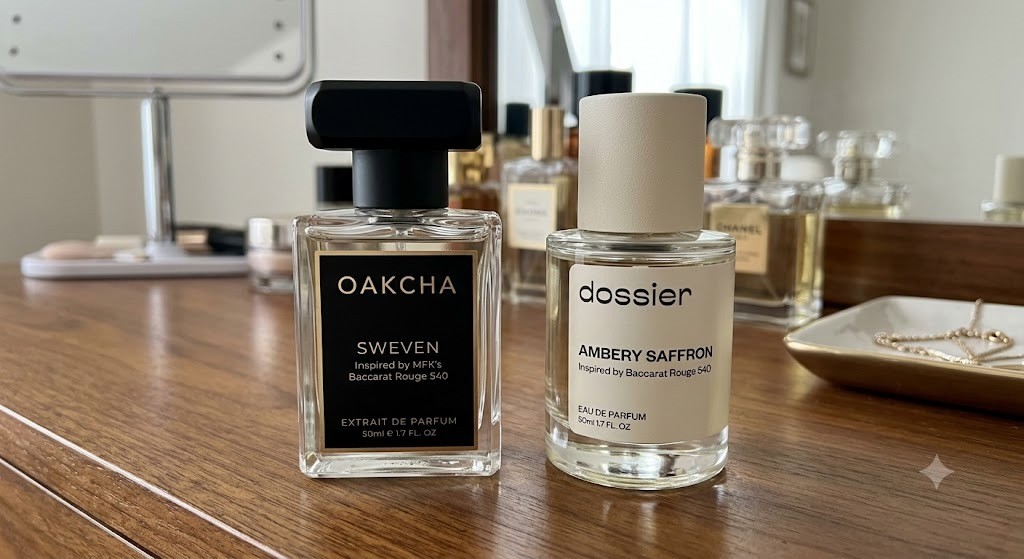
    If you’ve spent any time in the fragrance corner of TikTok, you’ve seen the debate: Oakcha vs Dossier, and which one actually deserves a spot on your shelf. Both brands built loyal followings by promising the same warm, musky, or powdery notes as luxury bottles, minus the luxury price tag.

    But “dupe brand” doesn’t mean identical business model. Oakcha and Dossier take genuinely different approaches to formulation, pricing, and even where their juice gets made. One leans into ultra-high oil concentration. The other leans into French perfumery credentials.

    I tested bestsellers from both brands side by side, sprayed them on skin (not just paper), and tracked how they held up over a full day. This isn’t a quick sniff-and-guess. It’s a real comparison of what you’re actually paying for.

    Let’s dive in.

    Why the Perfume Dupe Boom Even Happened

    Designer and niche perfume prices have climbed dramatically over the past decade, with many prestige eau de parfums now retailing well above $150 for a standard bottle. A single bottle of Maison Francis Kurkdjian’s Baccarat Rouge 540, for example, runs around $325 for 70ml — a price that’s kept it firmly in “special occasion only” territory for most fragrance fans.

    That gap between what a scent costs to formulate and what it retails for opened the door for dupe brands. Direct-to-consumer companies realized they could cut out the celebrity endorsement fees, glossy ad campaigns, and heavy packaging markups that inflate designer pricing, and instead sell fragrance-forward, notes-first products.

    Oakcha and Dossier both emerged from that gap, but they solved it differently.

    Why the Perfume Dupe Boom Even Happened

    Oakcha vs Dossier: How the Formulas Actually Compare

    This is where the two brands genuinely split paths, and it matters more than most dupe comparisons let on.

    Concentration and Oil Percentage

    Oakcha formulates almost its entire line as extrait de parfum, typically sitting around a 30% fragrance oil concentration. That’s notably higher than most designer eau de parfums, which usually land in the 15–20% range, and it’s a big reason Oakcha fans report scents that feel rich from the very first spray.

    Dossier, by contrast, mostly sells at eau de parfum strength. That doesn’t mean it’s weak — Dossier’s EDPs are formulated to be concentrated enough to hold their own through a workday — but on paper, Oakcha is pushing a heavier oil load into every bottle.

    Where They’re Made

    Dossier leans hard into its Grasse, France production, marketing itself as being crafted in what’s widely considered the historic capital of perfumery, with formulas developed through back-and-forth refinement with a dedicated perfumer until the scent match feels right.

    Oakcha, meanwhile, is a New York–based brand that focuses less on provenance storytelling and more on ingredient transparency, explicitly listing which iconic fragrance inspired each of its more than 70 scents.

    Clean Formulation Claims

    Both brands market themselves as vegan and cruelty-free. Oakcha specifically highlights that its formulas skip parabens and phthalates, two ingredients some consumers try to avoid. Dossier makes a similar clean-beauty pitch, describing its perfumes as non-toxic, vegan, and eco-friendly, right down to donating returned bottles rather than tossing them.

    Neither brand is reinventing perfumery here. But if “clean formulation” is a priority for you, you’re not sacrificing anything by picking either one.

    Step-by-Step: How I Compared Them

    Here’s the exact process I used to test both brands fairly, so you can replicate it if you’re deciding between the two yourself.

    1. Pick matching inspirations. I chose scents from each brand that dupe the same category of designer fragrance — for example, an amber-vanilla dupe from each brand inspired by YSL’s Black Opium.
    2. Apply to skin, not paper. Fragrance behaves differently on skin chemistry than on a paper strip, so every test was a skin spray on a clean wrist.
    3. Track the opening (0–15 minutes). This is where a dupe usually reveals itself. I noted whether the top notes felt sharp, synthetic, or genuinely close to the original.
    4. Check the heart notes (30 minutes–2 hours). This is the “true” scent of the fragrance, once the initial alcohol burn-off fades.
    5. Track longevity every 2 hours. I noted when the scent became a close-skin scent versus when it faded entirely.
    6. Compare final impression to the designer original, worn from memory and from recent testing.
    Step-by-Step How I Compared Them

    Across this process, Oakcha’s higher oil concentration consistently translated into a stronger, longer opening. Dossier’s scents felt slightly softer on application but held a close-to-skin presence for a respectable stretch of the day.

    Common Mistakes People Make When Buying Perfume Dupes

    Before you decide between Oakcha and Dossier, avoid these common missteps.

    Assuming “dupe” means “identical.” Even the best dupes are inspired by, not chemically identical to, the original. Expect something close and satisfying, not a molecule-for-molecule clone.

    Ignoring concentration when comparing prices. A $29 eau de parfum and a $40 extrait de parfum aren’t the same product category, even if they smell similar on first spray. Always check the concentration listed on the bottle.

    Buying full-size before sampling. Both brands offer discovery or sample sets. Skipping that step means risking money on a scent that reads differently on your specific skin chemistry.

    Judging longevity from paper testers only. Skin oils, dryness, and even the weather change how long a fragrance lasts. Always test wear time on skin.

    Storing bottles in the bathroom. Heat and humidity break down fragrance oils over time. Keep both Oakcha and Dossier bottles in a cool, dark drawer instead of a steamy bathroom shelf.

    Expert Tips for Getting the Most Out of Either Brand

    A few extras that make a real difference once you’ve picked your bottle:

    • Layer with an unscented lotion first. This helps both Oakcha’s and Dossier’s formulas cling longer, especially on dry skin.
    • Spray, don’t rub. Rubbing your wrists together after applying breaks down top notes faster and can make a fragrance smell “off” sooner than it should.
    • Buy a travel atomizer. If you land on a Dossier scent, whose EDP formulas can run a touch lighter than Oakcha’s extraits, a midday reapplication from a small atomizer keeps things going without needing a heavier hand.
    • Match concentration to occasion. Save Oakcha’s higher-oil extraits for cooler weather or evenings, when you want more projection; lighter Dossier EDPs can work well for daytime office settings.

    So, Which One Actually Wins?

    Here’s the honest breakdown. If scent strength, projection, and longevity are your top priority, Oakcha’s higher fragrance-oil concentration gives it a real edge — its extraits genuinely behave more like the pricier originals they’re inspired by.

    If you care most about the story behind the bottle, minimalist design, and a slightly softer, more office-friendly wear, Dossier’s Grasse-made eau de parfums are the better fit, especially for daytime scents.

    Neither brand is a flat-out loser here. They’re built for slightly different fragrance lifestyles, and the “win” depends on what you actually want from a bottle.

    So, Which One Actually Wins

    Conclusion

    At the end of the day, the Oakcha vs Dossier debate isn’t about which brand is objectively better — it’s about which formula matches how you want to wear fragrance. Oakcha brings bolder concentration and longer-lasting projection, while Dossier offers a softer, more refined daily-wear option backed by its Grasse, France roots.

    Either way, you’re getting a legitimate alternative to $300 department store bottles without giving up quality or clean ingredients. Try a sample set from each before committing to a full bottle, and let your own skin chemistry make the final call.

    Did you find this helpful? Drop a comment below or share this with a fellow fragrance lover!

    Frequently Asked Questions

    Q1: Is Oakcha or Dossier a better dupe for designer perfumes? A: It depends on the scent category. Oakcha’s higher oil concentration tends to produce a closer match for bold, warm fragrances like amber or gourmand scents, while Dossier’s lighter EDP formulas can feel closer to fresher, more citrus-forward designer originals.

    Q2: Which brand lasts longer on skin, Oakcha or Dossier? A: Oakcha’s extrait de parfum formulas, with roughly 30% oil concentration, generally outlast Dossier’s eau de parfum offerings, which sit at a lower concentration but still deliver solid all-day wear for most skin types.

    Q3: Are Oakcha and Dossier perfumes considered clean or non-toxic? A: Both brands market themselves as vegan and cruelty-free, and both specifically avoid parabens and phthalates in their formulas, making them comparable choices if clean ingredients matter to your buying decision.

    Q4: Is Dossier or Oakcha cheaper? A: Pricing is close between the two, with both brands typically landing in the $28–$50 range per bottle depending on size and concentration, though Oakcha’s higher oil percentage can make it feel like better value per spray.

    Q5: Where are Oakcha and Dossier perfumes made? A: Dossier formulates its fragrances in Grasse, France, historically known as the perfume capital of the world, while Oakcha is a New York–based brand that develops its dupe formulas in-house.

    Q6: Can I sample Oakcha and Dossier before buying a full bottle? A: Yes, both brands offer discovery or sample sets, which is the smartest way to test how a dupe performs on your specific skin chemistry before committing to a full-size bottle.

    Dossier Perfumes Honest Review: Are Luxury Dupes Worth Buying?

  • Best Frankincense Perfumes and Why Everyone Is Obsessed

    What you’ll learn

    • The historical secret that makes frankincense a modern luxury staple.
    • The definitive roundup of the best frankincense perfumes across different price points.
    • Master strategies to layer resinous scents for maximum lifespan and projection.
    • Fatal application mistakes that ruin the complexity of smoky ingredients.

    Introduction

    Step into any high-end luxury boutique or niche perfume house right now, and you will notice an unmistakable olfactory shift hanging in the air. Everyone is hunting for the best frankincense perfumes, a category that has suddenly evolved from an underground indie obsession into a massive global design trend. Modern fragrance consumers are moving away from overly sweet, mass-produced fruity florals. Instead, they want something deeply mysterious, deeply calming, and entirely distinct.

    Fragrance trends always reflect our cultural desires, and right now, we crave grounded luxury. Frankincense, also known as olibanum, provides an incredible bridge between ancient history and cutting-edge modern design. It carries an aristocratic charm that instantly elevates your personal aura, making you smell incredibly sophisticated. Let’s dive in.

    The Sacred History and Global Appeal of Olibanum

    To understand why the best frankincense perfumes command such immense respect, we must look at where this legendary ingredient originates. Workers harvest the raw resin from the bark of the Boswellia tree, which thrives primarily in dry, rocky regions across Oman, Somalia, and Yemen. According to historical records, frankincense was once considered so precious that its trade value surpassed the price of pure gold.

    Historically, ancient civilizations used this golden tear-shaped resin during profound spiritual ceremonies and royal court gatherings. The fragrance industry uses roughly several thousand tons of premium raw natural resins annually to keep up with global niche market demands. When modern master perfumers steam-distill this ancient material, they extract a complex aromatic profile that smells surprisingly fresh, zesty, and deeply woody.

    The Sacred History and Global Appeal of Olibanum

    Deciphering the Unique Frankincense Scent Profile

    Many people assume that an incense-forward fragrance will simply smell like a smoky, dark campfire or a dusty antique shop. However, premium olibanum delivers an extraordinarily multifaceted experience that challenges your senses in the best possible way. The initial top notes often shock newcomers because they burst forth with a bright, sparkling, citrusy crispness that mimics fresh lime juice or crushed pine needles.

    As the fragrance warms up and settles down into your skin, the true magic of the resin begins to take over. It transitions beautifully into a warm, deeply resinous, and slightly peppery mid-section. Finally, the dry-down leaves a clean, slightly musky, and beautifully balsamic trail that clings to clothing for days. It is this astonishing dynamic contrast between bright energy and deep, dark comfort that keeps fragrance lovers completely hooked.

    The Ultimate Review of the Best Frankincense Perfumes

    Finding the absolute best frankincense perfumes requires examining how different artistic houses balance this intense, dramatic note. Here is a curated, deep-dive exploration of the absolute finest resinous creations dominating the luxury fragrance landscape right now.

    The Gold Standard of Modern Niche Luxury

    Amouage Epic Woman stands as a towering masterpiece of high-end Omani perfumery, showcasing the raw material in its most authentic habitat. Amouage beautifully pairs a high-concentration dose of silver frankincense with an opulent bouquet of dark damask rose, intense cinnamon, and rich oud.

    The resulting blend smells incredibly royal, deeply warm, and undeniably powerful. It projects an immediate aura of immense wealth and high social status, making it perfect for cold winter nights or formal evening galas where you want to stand out completely from the crowd.

    The Hyper-Realistic High-Church Experience

    Comme des Garçons Series 3 Incense: Avignon offers the most hyper-realistic, beautifully historical interpretation of incense available on the market. This legendary cult-classic scent explicitly replicates the cool, stony, majestic atmosphere of an old French Gothic cathedral during a grand ceremony.

    The perfumer combined dry, smoky frankincense with cold myrrh, dark patchouli, and slightly sweet vanilla to soften the sharp mineral edges. It wears close to the skin like a beautiful, comforting whisper, appealing immensely to artists, writers, and lovers of avant-garde fashion design.

    The Bright and Contemporary Citrus Blend

    Byredo Super Cedar takes a completely different, beautifully modern approach by stripping away the heavy, gothic shadows usually associated with resins. Byredo brilliantly juxtaposes a clean, sparkling splash of olibanum against a massive, dry heart of Virginia cedarwood and silky smooth white musk.

    This creates an incredibly airy, fresh, and minimalistic profile that feels exceptionally clean and crisp rather than heavy or oppressive. It works beautifully as a high-end daytime office scent, providing a subtle, sophisticated hum of calm focus that keeps you feeling grounded throughout chaotic workdays.

    How to Choose the Best Frankincense Perfumes for Your Style

    Navigating the complex world of resinous perfumes can feel a bit intimidating if you are accustomed to lighter, fresh aquatic scents. You must analyze how the accompanying notes direct the overall personality of the central resin.

    1. For Everyday Versatility: Seek out modern blends that deliberately pair olibanum with bright top notes like Italian bergamot, green vetiver, or crisp pink pepper. These ingredients lift the heavy base, making the perfume perfectly wearable for spring mornings and casual social gatherings.
    2. For Sensual Evenings: Look for deep, rich oriental compositions where master perfumers wrap the smoky resin around warm amber, Madagascar vanilla, creamy sandalwood, or rich leather. These warm elements maximize the natural, seductive warmth of the base.
    3. For Pure Drama: Choose bold, high-concentration niche extraits that explicitly combine frankincense with heavy animalic notes, real agarwood (oud), or intense spices like saffron and clove. These heavy materials create unmatched projection and unforgettable presence.
    How to Choose the Best Frankincense Perfumes for Your Style

    Crucial Mistakes to Avoid When Wearing Resinous Fragrances

    One of the absolute biggest mistakes rookie fragrance collectors make is applying their heavy incense perfumes during intense, high-humidity summer afternoons. High ambient heat acts as a massive amplifier for heavy resins, turning what should be a sophisticated, mysterious trail into an suffocating cloud that can easily overwhelm those around you. Keep your deep, smoky masterpieces reserved for crisp autumn mornings, freezing winter nights, or highly climate-controlled indoor venues.

    Another common error is rubbing your wrists together aggressively immediately after spraying your perfume onto your skin. This friction generates intense localized heat that prematurely shears away the delicate, sparkling citrus top notes of the olibanum. Instead, simply spray the juice cleanly onto your pulse points and let it air-dry naturally to experience the slow, beautiful evolution of the composition exactly as the artistic creator intended.

    Expert Layering Guide for a Truly Custom Signature Scent

    If you want to create a genuinely unforgettable, entirely unique olfactory signature, you should experiment with the art of fragrance layering. The dry, smoky nature of the best frankincense perfumes makes them an exceptional, highly versatile foundation for mixing with simpler, sweeter daytime scents. Spraying a single layer of a basic, linear vanilla or bright citrus cologne over a deep incense base will instantly add incredible complexity and longevity.

    Expert Perfumer Tip: To maximize the lifespan of your natural resinous perfumes, always ensure your skin is deeply moisturized before application. Applying a thin layer of an unscented, high-quality ceramide lotion creates a perfect moisture barrier that prevents your skin from rapidly drinking up the precious perfume oils.

    If you are eager to expand your knowledge of deeply comforting, rich base notes that work beautifully alongside smoky resins, take a moment to explore our companion article on [how to style cozy vanilla fragrances for autumn and winter]. The smooth sweetness of premium vanilla perfectly tames the wild, fiery smoke of raw olibanum.

    The Future of Incense and Resins in the Beauty Industry

    As the global fragrance industry moves closer toward sustainability and green chemistry, the sourcing of precious Boswellia resins has undergone massive positive reform. Luxury brands are now investing heavily in fair-trade initiatives that protect old-growth tree populations in East Africa while ensuring fair wages for local harvesting communities. This ethical shift ensures that our collective obsession with these beautiful, ancient smoky profiles remains safe for generations to come.

    Furthermore, modern extraction methods like supercritical $CO_2$ extraction allow perfumers to capture the absolute truest, most pristine expression of the live tree bark without damaging the delicate natural materials. This means the latest frankincense releases smell cleaner, more vibrant, and more realistic than anything available on the market a decade ago. The category is truly entering a magnificent golden era.

    The Future of Incense and Resins in the Beauty Industry

    Conclusion

    Embracing the rich, mysterious world of the best frankincense perfumes is an excellent way to break free from boring, predictable scent trends. These magnificent, historically revered resins offer an unparalleled depth that instantly transforms your personal style into something truly extraordinary. Whether you prefer a clean, modern woody blend or an opulent, dramatic evening masterpiece, there is a perfect bottle waiting to join your collection.

    Did you find this helpful? Drop a comment below or share this with a fellow fragrance lover!

    Frequently Asked Questions

    Q1: What exactly is the difference between frankincense and olibanum on a perfume ingredient label?

    A: There is absolutely no difference between the two terms from a chemical standpoint. “Frankincense” is the traditional English name derived from the Old French phrase “franc encens,” which translates directly to “high-quality incense.” Conversely, “olibanum” is the official botanical and pharmaceutical name derived from the original Arabic word “al-lubán,” referencing the milky sap of the tree.

    Q2: Do the best frankincense perfumes last longer on the skin than standard floral scents?

    A: Yes, they generally last significantly longer than typical floral or citrus fragrances. Resins are incredibly heavy, dense, and complex molecules with very low volatility. Consequently, they act as exceptional natural fixatives within a perfume composition, anchoring the lighter ingredients to your skin and lingering easily for eight to twelve hours.

    Q3: Can someone who suffers from mild asthma safely wear a heavily smoky incense perfume?

    A: Yes, because liquid perfumes do not involve any actual combustion, smoke, or airborne soot particles like burning stick incense does. The “smoky” effect in luxury perfume is entirely an olfactory illusion created by clean liquid essential oils and aroma chemicals. However, if you are highly sensitive to strong odors, always test a light spray on your footwear or clothing first.

    Q4: Why does my favorite frankincense perfume smell remarkably like fresh lemons when I first spray it?

    A: Raw Boswellia resin naturally contains a massive percentage of natural chemical compounds called alpha-pinene and limonene. These are the exact same organic terpene compounds found inside fresh lemon peels, juicy limes, and green pine needles. This natural makeup gives high-quality frankincense its characteristically bright, zesty, and surprisingly energetic opening blast.

    Q5: Are these heavy resinous perfumes considered fully unisex, or do they lean masculine?

    A: They are completely, beautifully unisex. In traditional Middle Eastern fragrance culture, rich resinous scents are worn proudly by everyone regardless of gender. The gender presentation depends entirely on the supporting notes; blending the resin with sweet rose or vanilla pulls it feminine, while pairing it with dry cedar, vetiver, or dark leather pushes it masculine.

    Q6: Can I use pure aromatherapy frankincense essential oil directly on my skin as a replacement for perfume?

    A: No, you should never apply undiluted essential oils directly onto your skin. Pure essential oils are incredibly concentrated and can cause severe chemical burns, intense contact dermatitis, or long-term allergic sensitization. Always dilute pure oils inside a safe carrier oil like jojoba, or simply purchase a professionally formulated, skin-safe fine perfume.

    Best Natural Perfumes Made With Real Botanicals

  • The Rise of Wellness Perfumes — What Brands Are Doing It Right

    What you’ll learn

    • Why wellness perfumes have become one of the fragrance industry’s biggest trends
    • Which brands are creating thoughtful, science-inspired scents
    • How to choose a wellness fragrance without unrealistic expectations
    • Common myths and expert tips for buying functional fragrances

    Introduction

    The Rise of Wellness Perfumes is changing the way people think about fragrance. Instead of choosing a scent only because it smells beautiful, many fragrance lovers now look for perfumes that help create a calming, uplifting, or comforting atmosphere throughout the day.

    This shift reflects a broader movement toward self-care and mindful living. Today’s consumers want products that fit naturally into their daily wellness routines, whether that’s enjoying a peaceful morning, staying focused during work, or winding down after a busy evening. While perfumes cannot treat medical conditions or replace professional healthcare, carefully crafted scents can certainly become meaningful parts of personal rituals.

    The global fragrance market continues to grow rapidly, with analysts estimating it will exceed $70 billion worldwide within the next several years, fueled by premium fragrances, niche brands, and wellness-focused innovation. Consumers increasingly value ingredients, craftsmanship, sustainability, and emotional storytelling alongside beautiful scent profiles.

    So what exactly makes a perfume a “wellness perfume,” and which brands are getting the balance right?

    Let’s dive in.

    Why Wellness Perfumes Matter More Than Ever

    The idea of connecting fragrance with emotional well-being isn’t new. Ancient civilizations used aromatic plants, flowers, woods, and resins in ceremonies, meditation, and daily rituals. Today’s wellness perfumes build upon that history while embracing modern perfumery and consumer preferences.

    Unlike traditional perfumes that focus mainly on smelling attractive or luxurious, wellness fragrances are designed around experiences. Brands often highlight feelings such as relaxation, clarity, confidence, comfort, or optimism rather than promising medical benefits.

    Another reason this category has exploded is lifestyle change. Remote work, stressful schedules, and increased attention to mental well-being have encouraged people to create small moments of calm throughout the day.

    Many consumers also appreciate that wellness-inspired fragrances often feature recognizable botanical notes such as:

    • Lavender
    • Bergamot
    • Neroli
    • Cedarwood
    • Sandalwood
    • Vetiver
    • Jasmine
    • Green tea

    These familiar ingredients already carry positive emotional associations for many people.

    Secondary keyword: functional fragrance

    Rather than replacing aromatherapy, a functional fragrance blends artistic perfumery with mood-inspired scent design. The result feels luxurious while remaining approachable.

    Why Wellness Perfumes Matter More Than Ever

    What Brands Are Doing Right in the Wellness Perfume Movement

    The best wellness brands focus on honesty, craftsmanship, and emotional storytelling instead of exaggerated promises.

    1. Vyrao Blends Luxury Perfumery with Positive Rituals

    Vyrao has become one of the most recognizable names in wellness-inspired fragrance.

    Its perfumes combine fine fragrance techniques with botanical ingredients and thoughtful storytelling. Rather than claiming to heal emotions, the brand encourages wearers to create positive daily rituals through scent.

    Popular creations include:

    • Witchy Woo
    • Free 00
    • Georgette

    These fragrances feature woody, floral, citrus, and spicy accords that feel sophisticated while encouraging mindful moments.

    What stands out most is transparency. The brand emphasizes emotional experiences rather than impossible guarantees.

    2. The Nue Co. Bridges Science and Fragrance

    The Nue Co. approaches fragrance from an interesting perspective.

    Its bestselling Functional Fragrance was developed with aromatic ingredients commonly associated with relaxation, including green cardamom, iris, palo santo, and coriander.

    The brand positions the perfume as part of a calming daily routine—not as a medical treatment. That distinction matters because responsible wellness brands avoid misleading claims while still recognizing the emotional power of scent.

    The fragrance itself feels airy, woody, slightly spicy, and incredibly wearable throughout the day.

    3. Lush, Aesop, and Maison Margiela Focus on Emotional Experiences

    Several established brands have naturally expanded into wellness territory.

    Lush continues to use essential oils and botanical ingredients in many fragrances that evoke nature and relaxation.

    Aesop creates minimalist scents with earthy, green, woody, and herbal compositions that encourage slower, more intentional experiences.

    Meanwhile, Maison Margiela Replica fragrances tell emotional stories through scent memories. Rather than claiming wellness benefits, they recreate comforting moments like rainy afternoons, lazy Sundays, cozy fireplaces, and peaceful mornings.

    This emotional storytelling often resonates more deeply than bold marketing promises.

    How to Choose a Wellness Perfume That Fits Your Lifestyle

    Choosing the right wellness fragrance doesn’t need to feel overwhelming.

    Instead of buying based solely on trends, think about how you want a fragrance to fit into your daily routine.

    Step 1: Decide the mood you enjoy most

    Ask yourself:

    1. Do you enjoy fresh, energetic mornings?
    2. Do you prefer calming evening scents?
    3. Do you want an everyday signature fragrance?

    Matching your perfume to your lifestyle usually creates a more satisfying experience than chasing viral recommendations.

    Step 2: Understand fragrance families

    Different scent families create different impressions.

    • Citrus feels bright and refreshing.
    • Green notes feel crisp and clean.
    • Lavender feels soft and comforting.
    • Woods feel grounding.
    • Musk feels warm and cozy.
    • Floral notes feel elegant and uplifting.

    Personal preference matters far more than marketing language.

    Step 3: Test before buying

    Always sample first whenever possible.

    A perfume changes dramatically after:

    • 5 minutes
    • 30 minutes
    • 3–6 hours

    Skin chemistry, weather, humidity, and even clothing affect how a fragrance develops.

    Never judge a perfume solely from the first spray.

    Step 4: Build a small fragrance wardrobe

    Many enthusiasts now own several perfumes instead of relying on just one.

    For example:

    • Bright citrus for mornings
    • Clean musk for work
    • Soft florals for weekends
    • Warm woods for evenings

    This approach supports different moods without requiring an enormous collection.

    How to Choose a Wellness Perfume That Fits Your Lifestyle

    Common Myths About Wellness Perfumes

    The growing popularity of wellness fragrances has also created confusion.

    1: Wellness perfumes cure anxiety

    No perfume should be marketed as a cure for anxiety, depression, stress disorders, or other health conditions.

    While pleasant scents may contribute to relaxation or comfort as part of a personal routine, they are not medical treatments.

    2: Natural always means better

    Natural ingredients can smell beautiful, but synthetic molecules also play an essential role.

    Modern perfumery often combines both to improve longevity, stability, and consistency.

    3: Expensive means more relaxing

    Price doesn’t determine emotional enjoyment.

    A thoughtfully composed $40 fragrance may feel more comforting than a luxury perfume costing several hundred dollars.

    4: Everyone reacts the same way

    Fragrance is deeply personal.

    A woody sandalwood perfume may feel cozy to one person and heavy to another.

    Your own memories, culture, and experiences shape how you interpret scent.

    Expert Tips for Building a Mindful Fragrance Routine

    One of the biggest lessons experienced fragrance lovers learn is that perfume works best when it becomes part of a daily ritual instead of a quick finishing touch.

    Here are several practical habits:

    • Apply fragrance slowly instead of rushing.
    • Spray on moisturized skin for better longevity.
    • Rotate perfumes with the seasons.
    • Store bottles away from sunlight and heat.
    • Avoid overspraying.
    • Keep a fragrance journal to remember favorites.

    You can also explore layering complementary scents, but start gently. Pairing soft musk with fresh citrus or woody notes often creates a balanced result without overwhelming the senses.

    These small habits help you enjoy fragrance more intentionally while extending the life of your favorite bottles.

    Why The Rise of Wellness Perfumes Is More Than a Passing Trend

    The Rise of Wellness Perfumes reflects broader consumer values rather than a short-lived social media trend.

    Today’s fragrance lovers want authenticity.

    They appreciate transparency about ingredients, sustainable packaging, responsible marketing, and thoughtfully designed scents that complement everyday life.

    Brands succeeding in this space avoid unrealistic promises. Instead, they create memorable fragrances inspired by emotion, nature, and personal rituals.

    Whether you prefer bright citrus, comforting musk, earthy woods, powdery florals, or fresh green compositions, wellness-inspired perfumes encourage slowing down and enjoying the sensory experience.

    Ultimately, fragrance becomes less about impressing others and more about expressing yourself.

    Why The Rise of Wellness Perfumes Is More Than a Passing Trend

    Conclusion

    The Rise of Wellness Perfumes shows how fragrance is evolving beyond simple luxury into a meaningful part of modern self-care routines. While no perfume can replace medical advice or guarantee emotional outcomes, thoughtfully crafted scents can help create enjoyable rituals that make everyday moments feel a little more intentional.

    The brands leading this movement focus on quality ingredients, artistic composition, transparency, and honest storytelling rather than exaggerated health claims. That’s exactly what makes them worth exploring.

    Whether you’re discovering wellness fragrances for the first time or expanding an existing perfume wardrobe, choosing scents that genuinely resonate with your personality will always be more rewarding than following trends alone.

    Did you find this helpful? Drop a comment below or share this with a fellow fragrance lover!

    Frequently Asked Questions

    Q1: What is a wellness perfume?

    A wellness perfume is a fragrance designed to complement self-care routines through thoughtfully chosen scent compositions. Rather than promising medical benefits, these perfumes often focus on creating calming, refreshing, comforting, or uplifting experiences using carefully balanced fragrance notes.

    Q2: Are wellness perfumes the same as aromatherapy?

    Not exactly. Aromatherapy traditionally involves essential oils used within specific wellness practices. Wellness perfumes are fine fragrances inspired by emotional experiences and botanical ingredients, but they are primarily designed as perfumes rather than therapeutic products.

    Q3: Which brands are known for wellness fragrances?

    Popular brands include Vyrao, The Nue Co., Aesop, Lush, and Maison Margiela’s Replica collection. Each approaches wellness differently, focusing on emotional storytelling, botanical inspiration, and mindful fragrance experiences instead of unrealistic claims.

    Q4: Do wellness perfumes last as long as traditional perfumes?

    Yes. Longevity depends on fragrance concentration, ingredients, skin chemistry, and formulation rather than whether a perfume is marketed as wellness-focused. Eau de Parfum versions generally last longer than lighter concentrations.

    Q5: How do I choose the best wellness perfume?

    Start by identifying the scent families you naturally enjoy, such as citrus, woody, floral, green, or musky fragrances. Sample perfumes on your skin, wear them for several hours, and choose one that feels comfortable and suits your daily routine.

    Q6: Is The Rise of Wellness Perfumes just a marketing trend?

    While marketing has certainly accelerated interest, the movement reflects genuine consumer demand for mindful living, premium craftsmanship, sustainability, and emotionally engaging fragrance experiences. The strongest brands succeed because they balance storytelling with transparency and quality.

    Best Clean Perfumes With No Harmful Ingredients: The Ultimate Guide to Safe Luxury Scents

  • Best Rose Perfumes That Don’t Smell Like Grandma’s Bathroom

    What you’ll learn

    • Why traditional rose fragrances earned a “powdery” reputation—and how modern perfumery transformed them.
    • The top modern notes that pair with rose to create fresh, edgy, and intoxicating scents.
    • A curated list of the best rose perfumes tailored to every mood, season, and budget.
    • Pro tips on layering and applying rose fragrances so they last all day without overwhelming.

    Introduction

    We have all experienced it at least once. You spray a rose perfume expecting a walk through a sun-drenched European garden, but instead, you are instantly transported to a musty velvet armchair or an old-fashioned vanity drawer. For decades, traditional floral scents relied heavily on dense violet notes, heavy talcum powder accords, and synthetic musks that made rose feel outdated.

    Finding the best rose perfumes that feel lively, modern, and genuinely refreshing can feel like an impossible quest. Thankfully, world-class perfumers have completely reinvented this iconic flower. Today’s rose fragrances are bright, spiced, woody, and unexpectedly edgy. Whether blended with juicy lychee, dark leather, or crisp amber, the humble blossom has officially made a stunning comeback. Let’s dive in.

    Why Modern Rose Fragrances Are Completely Different Now

    To understand why rose had a dusty reputation for so long, we have to look back at mid-century perfume formulas. Classic formulations relied heavily on concentrated rose oxide combined with iris root and heavy aldehydes. This specific combination created a dry, chalky finish that instantly signaled “vintage vanity.”

    Why Modern Rose Fragrances Are Completely Different Now

    Today, the fragrance industry uses advanced CO2 extraction methods to capture the living flower’s true scent profile. Instead of extracting oil from harvested petals that have wilted, master perfumers capture the crisp green stem, the watery morning dew, and the blooming center in real time.

    Furthermore, modern perfumery pairs rose with surprising contrast notes. According to industry market reports, floral-woody and floral-gourmand blends have grown exponentially in popularity, proving that beauty lovers want flowers with a contemporary edge. By grounding delicate petals with dry cedarwood, tart pink pepper, or creamy vanilla, perfumers have successfully rescued rose from the back of the medicine cabinet.

    The Ultimate List of the Best Rose Perfumes for Women

    If you want to wear a floral scent that feels effortlessly chic, you need a fragrance that balances sweetness with depth. Here are the top modern rose scents categorized by their distinct scent profiles.

    The Dewy and Fresh Category

    If you love crisp, clean scents that feel like stepping out of a luxurious shower, dewy rose accords are your match. These perfumes highlight the green, leafy elements of the plant along with watery floral nuances.

    • Maison Francis Kurkdjian – À la Rose: This masterpiece uses two types of roses—Damask and Centifolia—brightened with crisp Calabrian bergamot and radiant violet blossom. It smells like fresh-cut blooms soaked in morning rain.
    • Diptyque – Eau Rose (Eau de Parfum): Unlike standard florals, this scent infuses artichoke, chamomile, and honey. It offers a green, almost vegetal freshness that keeps the rose grounded and sophisticated.

    These choices work brilliantly for office environments or hot summer afternoons when heavy gourmands feel too suffocating.

    The Woody and Edgy Category

    For those who want a dramatic, confident signature scent, pairing rose with rich woods or soft suede creates an intoxicating balance of feminine and masculine energy.

    • Byredo – Rose of No Man’s Land: Created as a tribute to World War I nurses, this fragrance opens with fiery pink pepper and sweet raspberry blossom before settling into a base of papyrus and amber. It is dry, spicy, and deeply mysterious.
    • Le Labo – Rose 31: A cult classic for a reason. This scent takes the traditional flower and tosses it into a woodshop. Packed with cumin, cedar, and vetiver, it delivers a dirty, spicy edge that feels fiercely independent.

    Woody florals stand out exceptionally well during crisp autumn months and evening events where you want your trail to linger in the room.

    The Fruity and Gourmand Category

    Fruity florals often get a bad rap for feeling juvenile, but high-end perfumery elevates fruity rose blends into decadent, irresistible compositions.

    • Parfums de Marly – Delina: The undisputed queen of modern luxury perfume. Delina mixes Turkish rose with tart lychee, rhubarb, and creamy nutmeg. It is vibrant, sensual, and undeniably memorable.
    • Chloe – Eau de Parfum: A modern staple that introduced millions of women to fresh rose. Combined with peony, freesia, and warm amber, it delivers a sparkling, bright bouquet that feels timeless rather than vintage.

    These playful blends are perfect for dates, brunch with friends, or whenever you want your fragrance to boost your mood instantly.

    How to Apply Rose Perfume for Maximum Longevity

    Even the best rose perfumes can fade quickly or turn sour if applied incorrectly. Because floral molecules are often volatile top and heart notes, proper application techniques ensure your scent stays vibrant from morning until night.

    How to Apply Rose Perfume for Maximum Longevity

    1: Prep Your Skin with Moisture

    Fragrance molecules bind to oils, not dry skin. Applying perfume to dry wrists means the alcohol evaporates immediately, taking top notes along with it. Always apply an unscented body lotion or a light smear of petroleum jelly to your pulse points before spraying.

    2: Target Warm Pulse Points

    Focus your sprays on areas where blood vessels sit closest to the surface of your skin. These natural heat sources continuously warm the oil, radiating the scent outward throughout the day.

    1. The sides of your neck behind the ears
    2. The inside of your elbows
    3. The collarbone and cleavage area
    4. Behind your knees (especially effective when wearing dresses)

    Step 3: Never Rub Your Wrists Together

    This is the single most common fragrance mistake! Friction generates heat that breaks down delicate floral top notes—like pink pepper, bergamot, and lychee—before they even have a chance to bloom. Spray, let the liquid air-dry naturally, and let the scent unfold on its own.

    4 Common Myths About Rose Perfumes Busted

    Misconceptions prevent many perfume enthusiasts from enjoying one of the most versatile notes in fragrance design. Let’s dispel these persistent myths once and for all.

    1: Rose Scents Are Only for Older Women

    This idea comes from mid-century formulas that relied on heavy powder notes. Modern perfumery crafts wild, spicy, metallic, and sweet rose profiles that appeal to all generations.

    2: Rose Perfumes All Smell the Same

    There are thousands of rose varieties, each producing a different essential oil profile. A Damask rose smells deep, jammy, and rich, while a May rose smells light, green, and honeyed. When blended with spices or woods, no two rose perfumes taste or smell alike.

    “A flower does not think of competing with the flower next to it. It just blooms.” The same applies to floral notes—rose acts as a chameleon in perfumery, absorbing the character of whatever note sits beside it.

    3: Floral Perfumes Don’t Last Long

    While light floral waters fade fast, fine rose extractions hold incredible staying power when anchored with base notes like patchouli, oud, amber, or vanilla.

    4: You Can Only Wear Rose in the Spring

    While fresh floral water shines in warm weather, dark, resinous rose blends perform exceptionally well in winter cold. Spiced rose notes cut through freezing air effortlessly.

    Expert Layering Tips to Customize Your Signature Scent

    If you want a truly unique personal fragrance that nobody else can replicate, layering is your secret weapon. Combining your floral notes with contrasting olfactory families creates bespoke complexity.

    • Add Spice for Warmth: Spray a simple rose perfume over a warm cardamon or cinnamon body oil to convert a day scent into an alluring night fragrance.
    • Add Citrus for Energy: Layer your rose scent with a sharp lemon or grapefruit mist to make the florals feel extra crisp and energizing during humid summer days.
    • Add Vanilla for Softness: A touch of sweet amber or rich vanilla bean grounds floral notes, making them feel cozy, warm, and comforting.

    For more deep-dive guides on master perfume layering techniques, check out our comprehensive guide on creating a signature scent wardrobe.

    Finding Your Perfect Match

    Finding the best rose perfumes comes down to knowing which secondary notes speak to your personal style. You don’t have to settle for powdery soaps or outdated vanity mists anymore. From dark and smoky leather combinations to bright, tart lychee blends, modern perfumery offers a universe of fresh floral choices.

    Finding Your Perfect Match

    Test fragrances directly on your skin rather than paper blotters, give them a few hours to develop through their heart and base notes, and watch how your perception of this classic blossom changes forever.

    Conclusion

    Upgrading your fragrance collection with a modern floral scent is one of the easiest ways to elevate your everyday style. By choosing compositions anchored by rich woods, sparkling citrus, or warm amber, you can confidently wear the best rose perfumes without ever worrying about smelling like an antique shop.

    Embrace the stunning variety of modern perfumery, experiment with new note combinations, and find the bottle that brings you joy every single morning.

    Did you find this helpful? Drop a comment below or share this with a fellow fragrance lover!

    Frequently Asked Questions

    Q1: What makes a rose perfume smell powdery or old-fashioned?

    A: Rose scents smell powdery when combined with heavy concentrations of iris, violet, talc accords, or synthetic aldehydes. Older fragrance formulas relied on these combinations, whereas modern perfumery pairs rose with fresh citrus, green leaves, juicy fruits, or crisp woods to maintain a clean, contemporary finish.

    Q2: Which fragrance notes pair best with rose for a modern scent?

    A: Crisp citrus notes like bergamot and mandarin add immediate sparkle, while pink pepper, cumin, and patchouli provide an edgy contrast. Fruits like lychee and raspberry enhance sweetness, while cedarwood, sandalwood, and amber give the flower a grounded, sophisticated depth.

    Q3: How can I tell if a perfume uses Damask or May rose?

    A: Damask rose (Rosa Damascena) typically smells rich, deep, spicy, and slightly jammy, making it ideal for evening or winter scents. May rose (Rosa Centifolia) features a lighter, clearer, sweeter, and more honeyed floral profile that feels effortless for spring and summer wear.

    Q4: Why does rose perfume smell different on my skin than on paper?

    A: Paper blotters do not have natural heat or skin oils. When applied to your wrists, your body heat warms the alcohol, evaporating top notes faster and interacting with your skin’s natural pH balance and moisture levels, which transforms the fragrance profile completely.

    Q5: Can I wear rose perfume if I prefer unisex or masculine scents?

    A: Absolutely. Rose is a central note in traditional Middle Eastern unisex perfumery. Look for formulations that blend rose with smoky oud, raw leather, vetiver, or dry cedarwood. These notes strip away excess sweetness, resulting in a dark, earthy, and sophisticated scent profile suitable for anyone.

    Q6: How many sprays of rose perfume should I apply?

    A: For high-concentration Eau de Parfum (EDP) formulas, 2 to 3 sprays on key warm pulse points—such as your neck, wrists, or collarbone—are sufficient. Lighter Eau de Toilette (EDT) or body mists may require 4 to 5 sprays throughout the day to maintain their intensity.

    Best Cherry Perfumes in 2026 — From Playful to Sophisticated

  • Best Jasmine Perfumes That Are Modern and Wearable

    What you’ll learn

    • Why traditional jasmine has a ‘dated’ reputation—and how modern perfumery completely transformed it.
    • The exact fragrance notes that pair with jasmine to create fresh, edgy, and universally wearable scents.
    • A curated list of the best jasmine perfumes across different styles, from clean and airy to warm and sensual.
    • Professional tips on how to apply and layer your jasmine fragrance for maximum modern impact and longevity.

    Introduction

    We have all experienced it at least once. You spray a floral perfume expecting a breathe of fresh air, but instead, you are instantly transported to a musty velvet armchair or an old-fashioned vanity drawer. For decades, classic white floral scents relied heavily on dense, powdery, and intensely ‘indolic’ compositions that made jasmine feel completely outdated and unwearable. This heavy, almost aggressive interpretation gave this beautiful flower a dusty reputation, scaring away generations of potential lovers.

    Finding the best jasmine perfumes that feel lively, modern, and genuinely refreshing can feel like an impossible quest. Thankfully, world-class perfumers have completely reinvented this iconic blossom. Today’s jasmine fragrances are bright, transparent, unexpectedly spiced, or grounded with dry woods. Whether blended with juicy citrus, crisp green notes, or creamy contemporary musks, the humble jasmine flower has officially made a stunning comeback. In this guide, we will explore the very best creations that prove jasmine is not only relevant but essential for any modern fragrance collection. Let’s dive in.

    Why Modern Jasmine Perfumes Are Completely Different Now

    To understand why jasmine had a dated reputation for so long, we must look at traditional perfume history. Classic formulations often used large amounts of Jasminum grandiflorum absolute, which is naturally rich in compounds called indoles. Indoles can sometimes present a slightly ‘animalic’ or deeply indolic scent, especially in high concentrations. When combined with old-school dense musks and powdery aldehydes, the result was a heavy, overwhelming floral “bomb” that many associated with previous generations.

    Why Modern Jasmine Perfumes Are Completely Different Now

    Today, the fragrance industry uses advanced extraction methods and innovative synthesis to capture the jasmine’s true, ethereal aroma. Modern scent-makers often focus on Jasminum sambac, known for its greener, slightly sportier profile. They might also use molecular isolates that emphasize the ‘clean’ and ‘dewy’ facets of the flower while minimizing the heavy indolic qualities. By focusing on transparency and brightness, these new techniques have completely revolutionized the way we experience this ancient flower, resulting in the best jasmine perfumes that feel lighter and much easier to wear every day.

    Exploring the Best Jasmine Perfumes for Every Taste

    If you want a floral scent that feels effortlessly chic and contemporary, you need a fragrance that balances jasmine’s sweetness with unexpected contrasts. Here are our top modern jasmine scents categorized by their distinct scent profiles.

    1: Clean and Luminous Jasmine Scents

    If you love crisp, radiant scents that feel like walking through a sun-drenched coastal garden, clean and luminous jasmine accords are your perfect match. These perfumes highlight the green, transparent, and almost watery elements of the blossom. They reject heavy complexity in favor of airy, uplifting simplicity.

    • Le Labo – Jasmin 17: A stunning interpretation that deconstructs jasmine. Le Labo grounds the floral notes with bright orange blossom and bitter musk, resulting in a crisp, slightly citrusy, and deeply fresh aura. It’s jasmine for people who are afraid of jasmine.
    • Aerin – Ikat Jasmine: This scent is sophistication in a bottle. Aerin cleverly combines Egyptian jasmine and jasmine sambac, brightening them with tuberose infusion and contrasting with honeysuckle and sandalwood. It feels like wearing a crisp white linen shirt.

    These choices work brilliantly for professional environments or bright spring mornings when you want your scent to feel uplifting and transparent.

    2: Modernised Indolic & Sensual Jasmine

    For those who want a confident, sultry, yet entirely modern signature, modernised indolic jasmine perfumes are the ideal option. They don’t avoid the flower’s natural indolic properties but rather embrace them in a balanced, contemporary way, often grounding them with unexpected earthy or spicy elements.

    • Byredo – Flowerhead: Byredo creates an incredibly complex but wearable floral explosion. While it celebrates the ‘fleshy’ side of jasmine, it is cut dramatically with Sicilian lemon, angelica, and wild tuberose. It’s large and confident, but fresh rather than musty.
    • Tom Ford – Jasmin Rouge: A seductive masterpiece. Tom Ford wraps precious jasmine sambac absolute with unusual notes like Clary Sage and spices, resting everything on amber and woody facets. It is lush and rich, yet completely contemporary and daring.

    Choose these deeper jasmine blends for sophisticated evening events or any moment you want your presence to feel magnetic and effortlessly cool.

    3: Gourmand and Creamy Jasmine Scents

    A relatively newer trend, creamy or gourmand jasmine fragrances are arguably the most approachable and universally loved modern interpretations. They transform the sharp floral edge into smooth, comforting, and decadent compositions that are difficult to resist.

    • Jo Malone London – Jasmine Sambac & Marigold: A surprisingly smooth and sophisticated cologne. The natural, green jasmine sambac is softened significantly by the warm sweetness of marigold, create a slightly honeyed, velvety aroma.
    • Kilian – Love, Don’t Be Shy: While jasmine is only part of its complex structure, it is essential. Kilian wraps Moroccan jasmine and orange blossom in sweet, candied marshmallows and vanilla. The result is an addictive, fluffy, and completely wearable ‘grown-up’ gourmand floral.

    These gourmand scents are perfect for cozy weather, date nights, or when you simply want your perfume to feel like a comforting, delicious embrace.

    Step-by-Step Guide: Making Your Jasmine Perfume Last All Day

    Even the best jasmine perfumes can fade quickly if applied incorrectly, especially if they are lighter, modern compositions. Proper application techniques ensure your fresh scent stays vibrant and modern from morning until night.

     Making Your Jasmine Perfume Last All Day

    1: Maximize Moisture

    Jasmine molecules bind much better to hydrated skin than dry skin. Applying perfume to dry wrists means the alcohol evaporates almost immediately, taking the beautiful floral notes along with it. Always apply an unscented body lotion or, even better, a light, scent-free body oil to your pulse points right before spraying.

    2: Target Warm Pulse Points

    Focus your application on the parts of your body that naturally generate the most heat. These points continually warm the fragrance oils throughout the day, radiating the scent outward.

    1. The inner elbows and behind the knees
    2. The pulse points on your wrists
    3. The sides of your neck and just behind your ears
    4. A light mist onto fresh, clean hair (it holds scent incredibly well)

    3: Avoid the ‘Friction’ Trap

    This is the most critical and common fragrance mistake. Friction generates unnecessary heat that prematurely breaks down the delicate top notes—like citrus, green leaves, or berry accords—before the heart of the jasmine has a chance to bloom. Spray, let the liquid air-dry naturally on your skin, and allow the intricate perfume structure to unfold at its own pace.

    4 Common Myths About Jasmine Perfumes Busted

    Misconceptions prevent many perfume lovers from experiencing the true beauty of this versatile flower. Let’s dispel the most persistent myths that keep modern shoppers away from jasmine.

    1: Jasmine Scents Are Exclusively for Older Generations

    This is the biggest falsehood in the floral world. This idea stems from classic perfumes that combined jasmine with heavy powders, intense musk, and extremely high indolic compounds. Modern perfumery has shattered this outdated style, crafting fresh, luminous, woody, and even gourmand jasmine profiles that are perfectly suited for all ages.

    2: All Jasmine Perfumes Smell the Same

    There are hundreds of jasmine species, and each one offers a unique olfactory profile. Jasminum sambac often feels greener, fruitier, and fresher, while Jasminum grandiflorum typically has a deeper, more classical, and slightly sweeter aroma. When these are combined with vastly different supporting notes like sandalwood, oud, red berries, or vanilla, no two jasmine perfumes will ever smell alike.

    3: Jasmine is Always Loud, Heavy, and Overwhelming

    While traditional ‘floral bombs’ existed, many of the best jasmine perfumes today are designed for transparency and lightness. Innovations in extraction allow perfumers to capture the ethereal, sheer quality of the blossom, creating subtle skin-scents that are refreshing rather than stifling.

    4: Jasmine Perfumes Don’t Last Long on Skin

    This depends entirely on the formulation and the base notes. While very light, citrus-heavy jasmine waters can fade quickly, high-end perfumery anchors the jasmine flower with powerful fixatives like patchouli, modern musks, warm amber, or dry woods. These rich bases allow the jasmine to linger beautifully for many hours.

    Expert Tips for Customizing Your Modern Jasmine Scent

    If you love the classic aroma of jasmine but want your personal signature to be truly unique, layering is your best strategy. Combining a straightforward jasmine scent with a different olfactory family creates bespoke complexity that nobody else will have.

    • Layer with Dry Woods for Depth: If your favorite jasmine perfume feels too sweet or airy, spray it over a dry sandalwood or cedarwood-heavy base fragrance. This instantly grounds the floral notes, making them feel warmer, deeper, and more sophisticated.
    • Add Citrus for Sparkling Vitality: Layer your jasmine perfume with a bright lemon, grapefruit, or bergamot mist. This combination creates a sparkling, effervescent effect that makes the jasmine feel incredibly fresh and energizing, perfect for hot weather.
    • Introduce Spices for a Warm Contrast: For a seductive twist, layer your jasmine with a simple spice-focused fragrance like pink pepper or cardamon. The spices create a warm, vibrating contrast that beautifully complements the natural sensuality of the jasmine.

    For more detailed guides on how to become a master at perfume layering, explore our popular article on.

    Finding Your Modern Jasmine Signature

    Finding your perfect match among the best jasmine perfumes comes down to understanding which contemporary notes best complement your personal style. You no longer have to avoid jasmine out of fear of it smelling dated, musty, or overpowering. From luminous and clean to gourmand and creamy, modern perfumery has unlocked entirely new dimensions of this beautiful, ancient flower.

    Finding Your Modern Jasmine Signature

    Embrace the stunning variety, experiment with unusual note combinations, and prioritize testing fragrances directly on your skin, allowing them hours to fully develop. When you find the right modernized jasmine scent, you won’t just be wearing a perfume; you’ll be experiencing the contemporary reawakening of one of the world’s most beloved blossoms.

    Conclusion

    Upgrading your fragrance collection with a modern jasmine scent is arguably the best way to rediscover white florals. By choosing compositions that are cleverly balanced with fresh fruits, contemporary woods, or comforting gourmand notes, you can confidently wear the best jasmine perfumes knowing they will always feel relevant and wearable, never musty or old-fashioned.

    Did you find this helpful? We’d love to hear about your favorite modern jasmine scent. Drop a comment below or share this guide with a fellow fragrance lover!

    Frequently Asked Questions

    Q1: What makes a traditional jasmine perfume smell “dated”?

    A: Jasmine scents feel “dated” or powdery when they use dense musks, very high concentrations of Jasminum grandiflorum absolute (which has strong indolic qualities), and old-fashioned aldehydes. Modern perfumery avoids these combinations, instead using cleaner jasmine molecules and brighter, contrasting notes for freshness.

    Q2: Which modern notes pair best with jasmine to make it more wearable?

    A: Bright citrus (like bergamot or Sicilian lemon), crisp green notes, airy musks, and dry woods (like sandalwood or cedar) are ideal. These modern notes provide transparency and contrast, balancing the jasmine’s natural sweetness and preventing it from becoming heavy or stifling.

    Q3: What is the difference between Jasminum Grandiflorum and Jasminum Sambac in perfume?

    A: Jasminum Grandiflorum (common jasmine) typically smells richer, sweeter, more sensual, and has slightly stronger classic indolic facets. Jasminum Sambac (Arabian jasmine) is generally greener, brighter, more transparent, and has fruitier nuances, making it easier to integrate into fresh, modern compositions.

    Q4: Are there any completely clean or transparent jasmine perfumes?

    A: Yes, many modern niche and luxury brands offer sheer, transparent jasmine scents. These are often made using molecular isolates or high-tech fractions of jasmine absolute that highlight the ‘dewy’ and ‘green’ characteristics while minimizing heavy or animalic elements, resulting in luminous, airy skin scents.

    Q5: Is it possible for jasmine to be worn in a unisex way?

    A: Absolutely. While jasmine is traditionally associated with female-marketing fragrances, many modern niche and luxury unisex perfumes feature jasmine. The flower’s natural, complex indolic properties, especially when paired with earthier notes like vetiver, oud, or intense spices, can create powerful and universally wearable fragrances.

    Q6: How many sprays of a modern jasmine perfume should I apply?

    A: Because modern jasmine scents are often designed for transparency, you can be slightly more generous. Focus on application: 2 sprays to the neck (sides), 1 to the inner elbow or wrist, and perhaps a light mist to your clothing or hair will ensure a lasting but not overpowering scent trail all day.

    Best Green and Earthy Perfumes for Nature Lovers

  • Best Sandalwood Perfumes — Creamy, Warm and Irresistible

    What you’ll learn

    • The unique fragrance profiles that make sandalwood a legendary note in perfumery.
    • Detailed breakdowns of the absolute best sandalwood perfumes for every budget and style.
    • Professional layering secrets to make your warm woody scents last twice as long.
    • Common myths debunked regarding synthetic versus natural Mysore sandalwood.

    Introduction

    Have you ever caught a drift of a fragrance that immediately made you lean in closer? A scent so effortlessly smooth, milky, and grounded that it felt less like a perfume and more like a warm, luxurious embrace? That is the undeniable magic of sandalwood.

    If you are on the hunt for a fragrance that strikes the ultimate balance between sophisticated luxury and cozy comfort, finding the best sandalwood perfumes will transform your entire collection. Sandalwood acts as the ultimate chameleon in the fragrance world. It pairs beautifully with everything from bright citrus to dark, earthy patchouli, making it a staple for any season or occasion.

    The modern perfume market is absolutely packed with woody options, which can make choosing just one bottle feel incredibly overwhelming. In this definitive guide, we will break down the absolute standout scents of the year, explain the fascinating history behind this precious wood, and give you actionable tips to make your fragrance last from morning until night. Let’s dive in.

    The Timeless Appeal of Sandalwood Fragrances

    Before we jump into our top product picks, it helps to understand why this specific note holds such a legendary status in modern perfumery. For centuries, traditional fragrance creators have prized genuine sandalwood for its incredible fixative properties, meaning it helps other lighter notes stay anchored to your skin for hours on end.

    The Timeless Appeal of Sandalwood Fragrances

    Historically, true Mysore sandalwood from India set the gold standard for luxury scent profiles. However, due to severe over-harvesting and strict ecological protections, modern perfumers now rely on sustainably sourced Australian sandalwood and highly sophisticated synthetic alternatives to create that signature creamy sandalwood fragrance we all love.

    The Absolute Best Sandalwood Perfumes

    Let’s get straight to the point and explore the elite fragrances that put this beautiful wood on full display. We have carefully selected three distinct masterpieces that showcase the sheer versatility of the note, ranging from deeply dry and academic to ultra-smooth and sweet.

    Le Labo Santal 33

    You simply cannot discuss the best sandalwood perfumes without mentioning the fragrance that defined an entire generation of scent lovers. Le Labo Santal 33 is a bona fide cult classic for a reason. It strips away the traditional heavy sweetness often associated with amber bases and instead opts for a dry, crisp, and linear interpretation of wood.

    When you first spray Santal 33, you are greeted by an intriguing mix of violet, cardamom, and leather. As it settles onto the skin, the papery texture of cedarwood merges seamlessly with a deeply aromatic, slightly smoky sandalwood base. It evokes the feeling of walking into an old, sunlit library or sitting near an open campfire in the American West.

    This formulation boasts an incredible concentration of oil, meaning it leaves an unforgettable fragrance trail wherever you walk. If you love unisex fragrances that feel modern, artistic, and entirely distinct from mass-market floral scents, this bottle deserves a permanent spot on your vanity.

    Tom Ford Santal Blush

    If Santal 33 represents the rugged, texturized side of wood, Tom Ford Santal Blush sits on the opposite end of the spectrum as an expression of pure, unfiltered luxury. This juice is incredibly smooth, spicy, and texturally velvety, making it an exceptional choice for glamorous evening wear or intimate date nights.

    Santal Blush highlights the inherently exotic nature of the ingredient by pairing it with a complex blend of cinnamon, cumin, and fenugreek in the opening. The heart reveals a beautiful, soft floral arrangement of ylang-ylang and jasmine, which prevents the heavy wood notes from feeling overly masculine or dense.

    The dry down is where the true magic happens. The base shifts into a wonderfully rich, warm, and creamy texture thanks to a generous dose of benzoin and musk. It wraps around the skin like a plush cashmere sweater, radiating a soft warmth that feels effortlessly elegant and deeply sensual. Byredo Gypsy Water

    For those who prefer their woody notes to feel airy, breezy, and bright rather than heavy and dark, Byredo Gypsy Water is an absolute revelation. This fragrance beautifully reimagines how a classic long lasting sandalwood perfume can function as a fresh, everyday signature scent.

    The fragrance opens with a brilliant, sparkling burst of juniper berries, fresh lemon, and pepper. This initial brightness gently gives way to an aromatic heart of pine needles and incense, adding a beautiful outdoor freshness. The base stabilizes the entire composition with a soft mix of amber, sweet vanilla, and a beautiful, gentle sandalwood.

    Gypsy Water is the ultimate pick for anyone who finds traditional woody fragrances a bit too suffocating or intense. It wears close to the skin, offering an incredibly clean, comforting aura that transitions flawlessly from casual office meetings to relaxed weekend brunches.

    How to Maximize the Longevity of Your Scent

    Investing in a luxury fragrance is an exciting experience, but it can be highly frustrating if your favorite notes seem to evaporate into thin air after just an hour or two. Because woody molecules are physically larger and heavier, they inherently last longer than citrus or floral notes, but you can still use specific techniques to extend their lifespan.

    How to Maximize the Longevity of Your Scent

    To get the most out of your collection, follow this simple, foolproof application sequence before you step out the door:

    1.Hydrate the skin thoroughly:Immediately post-shower.

    Fragrance requires moisture to anchor itself to your body. Apply a completely fragrance-free lotion or a thin layer of cosmetic petroleum jelly directly to your target application points to create a moisture barrier.

    2.Target your primary pulse points:Maintain a 6-inch distance.

    Spray your selected perfume from about six inches away directly onto your wrists, the base of your throat, and right behind your ears. These warm areas naturally amplify the scent profile throughout the day.

    3.Allow the fragrance to air dry completely:Do not rub your wrists.

    Resist the strong urge to rub your wrists together after spraying. Rubbing creates friction and heat, which prematurely breaks down the delicate top notes and alters the intended evolution of the scent.

    Common Myths About Woody Fragrances

    Because the fragrance community is incredibly passionate, a massive amount of misinformation spreads online regarding how woody ingredients are sourced and utilized. Let’s take a moment to debunk two of the most pervasive myths floating around the internet today.

    The first major myth is that synthetic fragrance molecules are inherently inferior to natural essential oils. In reality, modern green chemistry has allowed laboratories to create incredibly complex synthetic molecules like Javanol and Sandalore. These molecules mimic the exact olfactory texture of rare wood while offering far superior projection and zero environmental harm.

    Another common misconception is that the best sandalwood perfumes are exclusively meant to be worn during the freezing cold autumn and winter months. While these warm profiles certainly shine in crisp weather, their creamy, milky qualities bloom beautifully under the summer sun when paired with fresh top notes like bergamot, coconut, or marine accords.

    Pro Tips for Creative Fragrance Layering

    If you truly want to stand out from the crowd, you can use your woody perfumes as a solid structural base to create a completely custom, signature olfactory blend. Sandalwood acts as a beautiful canvas because its milky creaminess can soften sharp edges and add immense depth to lighter formulas.

    Try layering a heavy, woody base with a bright, sparkling citrus eau de cologne to create a beautiful, sun-drenched daytime aesthetic. Alternatively, you can combine your wood notes with a sweet vanilla or gourmand fragrance to amp up the overall richness and create an irresistible, dessert-like trail.

    Pro Tip: When layering two distinct fragrances, always spray the heavier, wood-dominated scent first. Allow it to sit on your skin for about two minutes to dry down slightly before misting your lighter floral or citrus fragrance directly on top.

    Finding Your Perfect Signature Wood Scents

    Ultimately, selecting the right bottle comes down to understanding how a fragrance interacts with your unique skin chemistry. A perfume that smells incredibly dry and papery on a paper blotter might transform into a deeply sweet, ambery masterpiece the moment it warms up on your wrist.

    Finding Your Perfect Signature Wood Scents

    Before purchasing a full luxury bottle, always try to secure a small sample vial to test the longevity and sillage over the course of a full day. Look for balanced compositions that offer high-quality structural support, ensuring your investment brings you joy for years to come.

    Conclusion

    Finding the best sandalwood perfumes is an absolute game-changer for anyone looking to build a timeless, sophisticated, and deeply comforting fragrance wardrobe. Whether you gravitate toward the dry, intellectual leather notes of Le Labo Santal 33, the opulent spice of Tom Ford Santal Blush, or the bright, outdoor freshness of Byredo Gypsy Water, there is a perfect bottle out there waiting for you.

    Remember to care for your skin, apply your scents strategically to warm pulse points, and don’t be afraid to experiment with creative layering combinations to make the scent completely your own. The world of fine perfumery is all about personal expression and enjoying the sensory journey.

    Did you find this helpful? Drop a comment below or share this with a fellow fragrance lover!

    Frequently Asked Questions

    Q1: What does a classic sandalwood perfume smell like?

    A: A high-quality sandalwood perfume typically features a deeply warm, rich, and woody core characterized by a unique, milky creaminess. Unlike sharp cedarwood or smoky oud, it delivers a smooth, comforting, and almost buttery texture. It frequently anchors top notes of exotic spices, delicate florals, sweet vanilla, or earthy musks to create a well-rounded and sophisticated fragrance profile.

    Q2: Why are high-quality sandalwood perfumes so expensive?

    A: True natural sandalwood requires the host tree to grow for a minimum of 30 to 40 years before the heartwood develops enough concentrated aromatic oil for extraction. Because of historical over-harvesting, natural global supplies are strictly protected and limited, driving up raw material costs significantly for luxury houses that use genuine botanical extracts.

    Q3: Is sandalwood a masculine or feminine fragrance note?

    A: Sandalwood is completely gender-neutral and serves as an incredibly popular base note in both masculine and feminine marketing. Its ultimate olfactory direction depends entirely on the supporting ingredients. When blended with soft florals or sweet vanilla, it leans traditionally feminine, while pairings with leather, tobacco, or dark spices skew more masculine.

    Q4: Can I wear a heavy sandalwood perfume during the summer?

    A: You can absolutely enjoy these beautiful woody notes during the summer months. The key secret is to look for lighter formulations that balance the heavy woody base with bright, effervescent top notes like crisp lime, green bergamot, fresh mint, or salty marine accords, which prevent the scent from feeling suffocating in high humidity.

    Q5: What is the difference between Australian and East Indian sandalwood?

    A: East Indian sandalwood (Santalum album) delivers the classic, ultra-creamy, smooth, and deeply sweet aroma historically prized in fine perfumery. Australian sandalwood (Santalum spicatum) tends to possess a much sharper, fresher, and distinctly greener or woodier profile. Both offer incredible structural longevity but project very different initial artistic moods.

    Q6: What specific perfume notes pair best with a sandalwood base?

    A: Sandalwood acts as an exceptional structural foundation for a vast array of ingredients. It pairs beautifully with warm spices like cardamom, cinnamon, and black pepper. It also creates stunning olfactory contrasts when combined with rich jasmine, dark patchouli, creamy vanilla, golden amber, or bright, uplifting citrus fruits like bergamot and grapefruit.

    Best Calming Perfumes to Reduce Stress and Anxiety