

What you’ll learn
- The crucial differences between synthetic aroma chemicals and true botanical extracts.
- How to identify genuine clean fragrance brands using transparent ingredient lists.
- Expert techniques to maximize the longevity and sillage of plant-based scents.
- A curated look at the leading luxury houses defining the green beauty revolution.
Introduction
Finding the best natural perfumes can feel like searching for a hidden oasis in a desert of synthetic chemicals. Every day, millions of us spritz on commercial scents without realizing that a single bottle can contain hundreds of undisclosed petrochemicals. These hidden synthetic ingredients often trigger stubborn headaches, skin irritation, and respiratory discomfort. If you are tired of compromised wellness for the sake of a signature scent, it is time to pivot toward nature.
The modern olfactory world is experiencing a massive paradigm shift as artisan perfumers reclaim ancient traditions. By utilizing pure essential oils, absolutes, and resins, conscious brands are crafting complex masterpieces that rival traditional luxury houses. These living fragrances interact uniquely with your skin chemistry, creating a deeply personalized aromatic profile that evolves beautifully throughout the day. Let’s dive in.
The Evolution of Clean Fragrance
The fragrance industry has long hidden behind the legal loophole of “parfum” or “fragrance” on ingredient labels. This single word legally protects proprietary trade secrets, but it also allows brands to mask phalates, parabens, and synthetic musks. According to industry data from the Breast Cancer Prevention Partners, fragrance blends frequently contain high-hazard compounds linked to hormone disruption. This lack of transparency has fueled the massive rise in consumer demand for cleaner, safer, and more sustainable beauty alternatives.
Historically, ancient civilizations in Egypt and Mesopotamia relied exclusively on raw botanicals, infusing precious resins like frankincense with rich carrier oils. The transition to synthetic molecules in the late 19th century democratized perfumery, but it stripped away the soulful essence of the plants. Today, the best natural perfumes merge this ancient reverence for botanicals with modern green chemistry. This harmonious fusion delivers sophisticated, multi-layered profiles that are safe for both your body and the planet.
Demystifying Botanical Scent Profiles
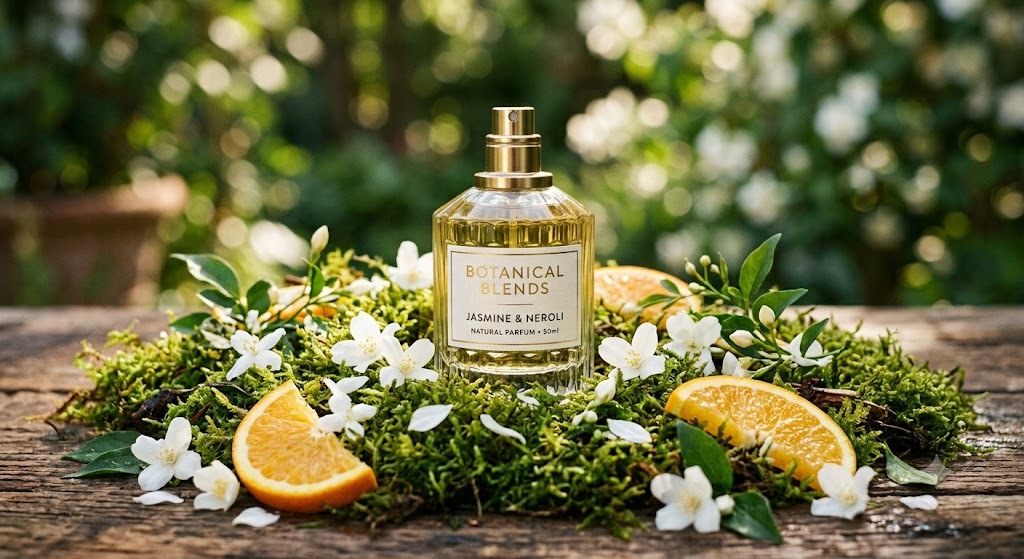
To truly appreciate plant-based perfumery, you must understand how natural raw materials behave quite differently than laboratory-created synthetics. Synthetics are designed to remain linear and static, smelling identical from the first spray until hours later on your skin. Natural raw ingredients, however, are dynamic, complex, and deeply influenced by the environment where the crops were grown.
The Magic of Real Top Notes
Natural top notes provide the crucial first impression of a fragrance, bursting with vibrant life immediately upon application. Because natural molecules are highly volatile, these notes evaporate relatively quickly, usually within fifteen to thirty minutes. Sparkling citrus oils like bergamot, blood orange, and pink grapefruit offer an instant mood lift that synthetic alternatives simply cannot replicate. You might also encounter crisp herbal top notes like wild lavender, crushed mint leaves, or peppery basil.
The Heart of Botanical Perfumery
As the initial burst of citrus gently fades, the middle or heart notes emerge to define the core character of the blend. In botanical perfumery, this section is traditionally dominated by opulent, hand-harvested floral absolutes and steam-distilled spices. Precious Bulgarian rose, intoxicating night-blooming jasmine, and creamy ylang-ylang form the emotional centerpiece of these clean formulations. These rich botanicals linger beautifully on the skin for several hours, shifting subtly as your body temperature fluctuates.
The Grounding Base Notes
The base notes act as the anchor of the entire fragrance composition, providing depth, warmth, and essential longevity. Synthetic perfumery relies heavily on petroleum-derived musks to achieve all-day wear, but natural artisans utilize rich, earth-grown alternatives. Velvety sandalwood, smoky vetiver, sweet vanilla bean, and complex labdanum resin create an incredibly warm and comforting foundation. These heavy botanical molecules evaporate very slowly, ensuring a beautiful, lingering dry-down that stays close to your skin.
How to Choose Authentic Natural Perfume
Navigating the green beauty market requires a discerning eye, as greenwashing runs rampant across drugstore and luxury beauty counters alike. Many mainstream brands proudly display images of fresh flowers on their packaging while filling their actual bottles with synthetic liquids. To find genuine products, you must look past clever marketing campaigns and analyze the ingredient list.
- Check for Full Ingredient Disclosure: Trustworthy brands willingly list every single botanical extract, carrier oil, and alcohol source on their packaging.
- Look for Certified Organic Alcohol: High-quality natural perfumes utilize non-GMO, organic grape, sugarcane, or grain alcohol as their base.
- Avoid the Generic Term “Fragrance”: If a brand simply lists “fragrance” or “parfum” without an asterisk clarifying its natural origin, it likely contains synthetics.
- Seek Out Recognized Third-Party Certifications: Look for trusted seals from organizations like ECOCERT, COSMOS, or the Natural Perfumers Guild.
- Understand the Pricing Reality: Authentic botanical absolutes, like pure rose or oud, are highly expensive to harvest, which is reflected in the final retail price.

Common Myths About Botanical Scents
One persistent myth surrounding natural perfumery is that plant-based options lack complexity, smelling like basic aromatherapy oils or health-food stores. While early iterations in the nineties were often simple blends, today’s natural perfumers train in classic French techniques. They combine hundreds of rare botanical materials to build complex, sophisticated narratives that evolve elegantly from day to night. Brands like Henry Rose and Heretic Parfum have proven that clean scents can easily compete on the global luxury stage.
Another frequent complaint is that the best natural perfumes do not last as long as traditional, synthetic perfumes. It is true that without synthetic fixatives, a natural scent will not artificially cling to your skin for forty-eight hours. However, this is actually a benefit for your endocrine system and your overall respiratory health. Natural perfumes are designed to be an intimate, personal experience, creating a subtle scent bubble rather than overpowering an entire room.
Pro Tips to Extend Your Clean Fragrance
Because botanical blends lack synthetic chemical fixatives, maximizing their wear time requires a bit of strategic application knowledge. Applying your scent directly to dry, parched skin causes the thirsty lipids to quickly drink up the precious essential oils. To combat this, always apply an unscented, organic body oil or rich shea butter base to your pulse points prior to spritzing. The emollient barrier traps the botanical molecules on the surface of your skin, drastically extending the fragrance’s lifespan.
Furthermore, target your warmest pulse points where blood flow is closest to the surface, such as the wrists, inner elbows, and collarbones. Never rub your wrists together after application, as this friction creates heat that prematurely breaks down the delicate top notes. For an enchanting, long-lasting scent trail, lightly mist your hair or your favorite organic cotton and cashmere clothing. For more insights into clean lifestyle choices, check out our guide on sustainable beauty rituals.
Elevating Your Daily Scent Ritual
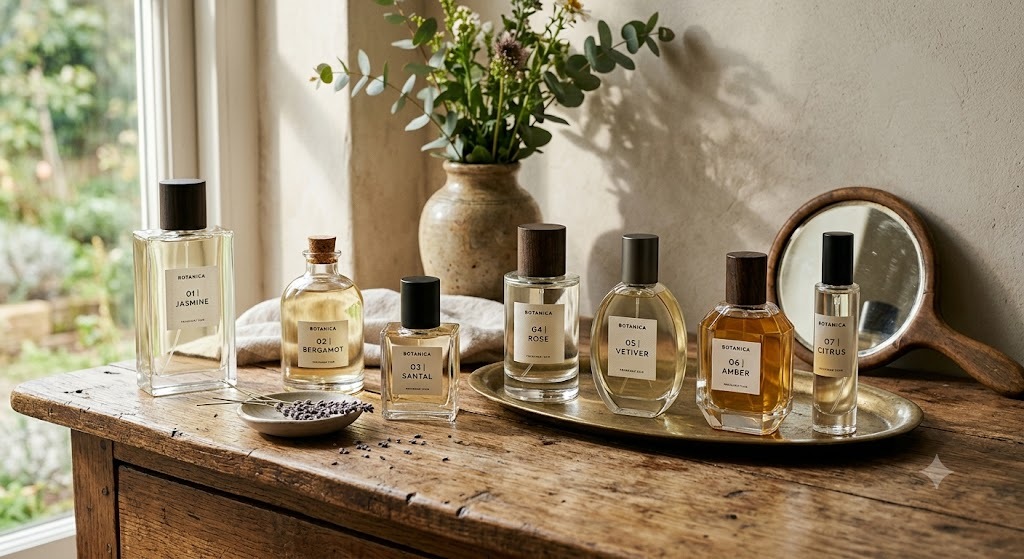
Transitioning your vanity to prioritize botanical scents is a beautiful act of self-care that honors both your health and planet Earth. When you spray a true botanical masterpiece, you are experiencing the authentic essence of a living plant harvested by human hands. These formulations allow you to express your unique personal style elegantly without exposing your body to undisclosed chemical toxins.
As you explore this vibrant olfactory landscape, remember to be patient with your nose as it adjusts away from aggressive synthetics. Sample different families, from bright and zesty citruses to deep, smoldering woods, to see how they uniquely dance with your skin chemistry. The world of clean luxury is vast, welcoming, and incredibly rewarding for those who seek pure ingredients.
Conclusion
Embracing the best natural perfumes is more than just a fleeting beauty trend; it is a conscious lifestyle choice that champions wellness, transparency, and artistic integrity. By stepping away from synthetic chemicals, you open the door to a deeply personal and luxurious sensory experience. These authentic botanical creations prove that we never have to sacrifice our physical health or environmental values to smell absolutely breathtaking.
Did you find this helpful? Drop a comment below or share this with a fellow fragrance lover!
Frequently Asked Questions
What does natural perfume actually mean?
An authentic natural perfume is formulated exclusively using raw materials derived directly from nature, such as plants, flowers, seeds, and resins. These blends use steam distillation, expression, or expression to extract pure essential oils and absolutes. They completely exclude synthetic aroma chemicals, petroleum derivatives, phthalates, and artificial colorants, utilizing organic alcohol bases instead.
Why do natural perfumes cost more than regular options?
True botanical perfumery relies on massive quantities of physical plant matter to produce tiny amounts of precious oil. For example, it requires thousands of individual rose petals to extract just one single drop of pure rose absolute. This intensive agricultural labor, combined with ethical sourcing practices, makes the raw ingredients significantly more expensive than mass-produced synthetic chemicals.
Do natural perfumes expire faster than synthetic ones?
Yes, because they do not contain synthetic preservatives, botanical perfumes generally have a slightly shorter shelf life than mass-market options. Most natural formulations remain perfectly fresh and potent for roughly twelve to twenty-four months after opening. To extend their lifespan, store your bottles away from direct sunlight, humidity, and extreme temperature fluctuations.
Can botanical perfumes cause allergic reactions?
While natural ingredients are completely free from synthetic chemical irritants, true botanicals can still occasionally trigger personal skin sensitivities. Plants contain natural allergens, such as linalool found in lavender, which might cause reactions in highly sensitive individuals. It is always wise to perform a small patch test on your inner forearm before applying a new scent widely.
Is natural perfume vegan and cruelty-free?
Most modern clean fragrance brands are strictly cruelty-free and vegan, but it is important to always check the packaging labels carefully. Historically, perfumers used animal-derived ingredients like deer musk, ambergris, or civet for base depth. Today, ethical botanical brands substitute these with beautiful plant-derived alternatives like ambrette seed, labdanum, and legally harvested resins.
How can I make my natural perfume last all day long?
To maximize longevity, apply your fragrance to well-moisturized skin or over a thin layer of unscented balm on your pulse points. Spraying your hair and clothing fibers also helps lock in the botanical molecules far longer than skin application alone. Carrying a travel-sized rollerball for a quick, refreshing midday spritz is another excellent habit of clean beauty enthusiasts.
Pingback: Best Toxin-Free Perfumes for Sensitive Skin - fragrantip
Pingback: Best Frankincense Perfumes and Why Everyone Is Obsessed - fragrantip