What you’ll learn
- Why synthetic fragrance molecules cling so tightly to your clothes.
- Quick, no-wash remedies for delicate and dry-clean-only fabrics.
- Highly effective laundry techniques using common household pantry items.
- Crucial mistakes to avoid so you don’t lock the scent in forever.
Introduction
We have all been there before. You walk into a luxury department store, get overzealous with a tester bottle of a rich, warm winter scent like Tom Ford Black Orchid, and suddenly your favorite sweater is trapped in a cloud of heavy fragrance. While a beautiful perfume makes a wonderful signature statement, an overpowering aroma can quickly become suffocating, trigger headaches, or clash aggressively with your next day’s choice of scent.
Learning how to get rid of perfume from your wardrobe doesn’t have to mean throwing things into an endless cycle of harsh washes. Fragrance molecules are specifically designed to last, binding tightly to both natural and synthetic fibers.
Fortunately, you can reclaim your clothes and restore their fresh, clean neutrality with a few simple, strategic laundry hacks and clever household ingredients. Whether you are dealing with a spilled decant or a lingering thrift store find, this ultimate guide will walk you through the process step-by-step. Let’s dive in.
Understanding How to Get Rid of Perfume: Why Scents Stick
To beat the aroma, you need to understand exactly what you are fighting against. The global fragrance industry relies heavily on complex chemical engineering to ensure that perfumes linger on skin and textiles for as long as possible. In fact, many modern high-end Eau de Parfums boast oil concentrations between 15% and 20%, featuring heavy synthetic base notes like Ambroxan, ISO E Super, and crystalline musks that resist evaporation.
These fixatives function like an invisible anchor. When you spray a fragrance, the bright, volatile top notes like citrus or light florals dissipate within an hour. However, the heavy, resinous, or powdery base notes sink deep into the microscopic pores of your clothing fibers.
Synthetic fabrics like polyester, nylon, and acrylic are especially notorious for gripping onto oil-based fragrance compounds. Because these materials are petroleum-based, they share a chemical affinity with perfume oils, making a standard quick wash cycle virtually useless against them.

The Best Laundry Methods to Eliminate Fragrance Molecules
If your garment is machine washable, the laundry room is your first line of defense. Standard commercial detergents often contain optical brighteners and synthetic scents that merely mask odors rather than stripping them away. To truly neutralize the fragrance, you need to reach for targeted, deep-cleaning agents.
The Power of White Vinegar and Baking Soda
Household baking soda is a natural amphoteric substance, meaning it chemically reacts with both strong acids and bases to neutralize odors rather than masking them. To start, fill a clean sink or basin with warm water and submerge your scented garment.
Add one full cup of baking soda to the water, stirring gently to ensure it dissolves completely. Allow the clothing to soak for at least four to six hours, or ideally overnight, giving the sodium bicarbonate ample time to draw the trapped oils out of the fabric weave.
After soaking, thoroughly rinse the garment and place it into your washing machine. Instead of standard fabric softener, which leaves behind a waxy coating that traps odors, pour half a cup of distilled white vinegar into the fabric softener dispenser. The acetic acid in the vinegar works to break down the remaining perfume bonds while naturally softening the fibers.
Utilizing Heavy-Duty Odor Eliminators
When dealing with incredibly stubborn, syrupy sweet gourmand perfumes or heavy oud fragrances, everyday pantry items might need a boost. This is where specialized laundry additives like OxiClean Odor Blasters or sport-specific detergents come into play. These formulas utilize complex enzyme blends specifically engineered to digest organic compounds and oily residues.
Always select the warmest water temperature setting recommended on your garment’s care label. Warm water expands the fabric fibers, allowing the enzymatic cleaners to penetrate deep into the core of the yarn.
For an extra boost, pause your washing machine cycle once the drum has filled and agitated for five minutes. Let the clothes sit submerged in the enzyme-rich soapy water for 30 minutes before allowing the machine to complete its regular cycle.
The Double-Wash Technique for Persistent Scents
For vintage clothing items or jackets soaked in decades of powdery aldehydes, a single wash cycle rarely does the trick. You will need to implement a dedicated two-step washing protocol to guarantee complete scent removal.
First, run the clothing through a cycle using a completely unscented, clear liquid detergent alongside an odor-eliminating booster. Do not use commercial dryer sheets or scented pods during this stage.
Once the first cycle finishes, immediately start a second consecutive wash cycle. This time, add only one cup of white vinegar to the drum and run a thoroughly deep rinse cycle to flush out every last microscopic trace of liberated perfume oil.
How to Get Rid of Perfume Without Washing Your Clothes
Not every clothing item can survive a trip through the washing machine. Tailored blazers, delicate silk blouses, and structured wool coats require alternative, dry-cleaning-safe interventions to lift away unwanted aromas safely.
Harnessing the Power of Fresh Air and UV Rays
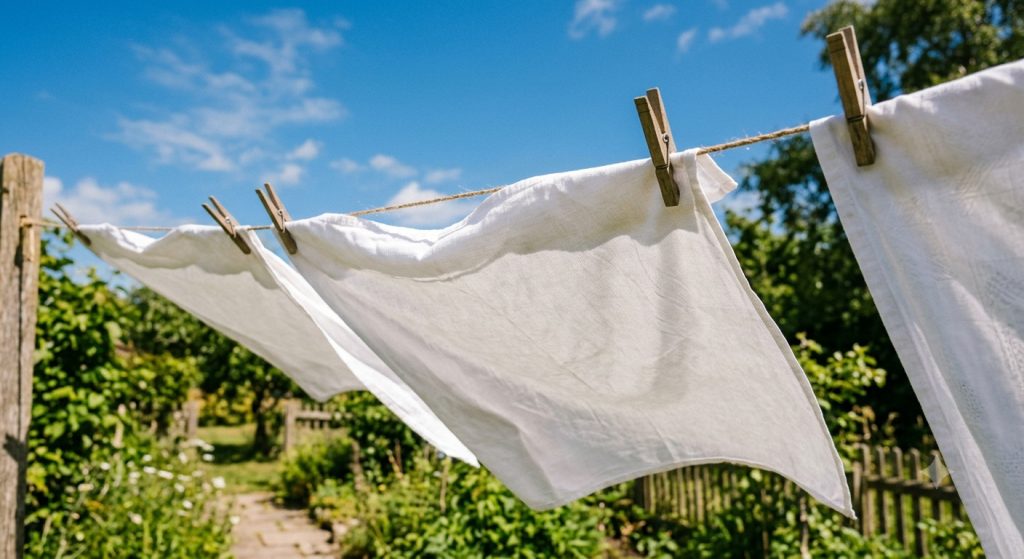
Nature provides one of the absolute most powerful odor-eliminating tools completely free of charge. Sunlight emits natural ultraviolet (UV) rays that actively break down the chemical bonds of complex fragrance compounds. Combined with a gentle moving breeze, outdoor airing can work absolute wonders on heavily scented items.
Hang your perfume-laden clothing on a sturdy wooden or plastic hanger and place it outdoors in a well-ventilated, shaded area. Direct, intense sunlight can fade vibrant dyes, so a bright, breezy covered porch or a shady spot beneath a tree canopy is ideal.
Leave the garment outside for a full day. The moving air acts as a natural volatilizer, carrying away the stubborn molecules as they slowly release from the fabric.
The Rubbing Alcohol or Vodka Spray Method
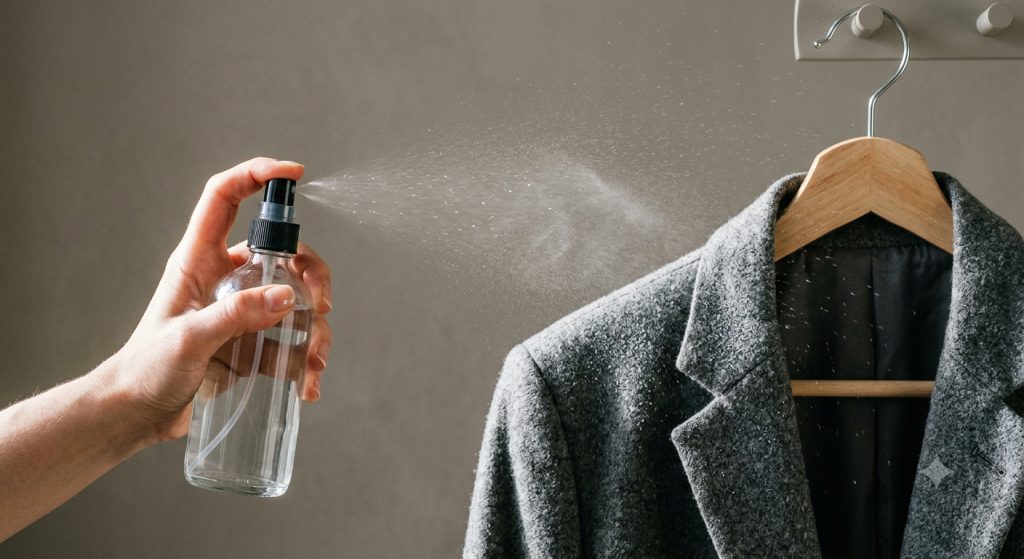
If you need a rapid solution before heading out the door, look no further than your liquor cabinet or first aid kit. Cheap, high-proof unflavored vodka or standard 70% isopropyl rubbing alcohol serves as an excellent solvent for perfume oils.
As the alcohol evaporates into the air, it chemically binds with the perfume oils, lifting them away from the textile fibers without leaving any lingering scent or residue behind.
Activated Charcoal and Enclosed Spaces
For structured garments like heavy winter coats or delicate vintage knits that cannot tolerate moisture, passive absorption is the safest path forward. Activated charcoal possesses an incredibly porous molecular structure, creating a massive surface area that acts like a magnet for airborne odors and volatile organic compounds.
Place your scented clothing inside a large, sealable plastic storage bin or a heavy-duty garment bag. Tuck three to four breathable fabric pouches filled with activated charcoal briquettes into the bottom of the container.
Seal the box tightly and leave it undisturbed for five to seven days. The charcoal will slowly and steadily draw the ambient fragrance molecules out of the fabric matrix, trapping them permanently within its carbon pores.
The Steam Treatment for Quick Refreshing
Heat and moisture can work together to open up tight fabric weaves, releasing stubborn oils that are locked deep inside the threads. A high-quality handheld garment steamer is perfect for this task.
Hang your garment up and slowly pass the steaming nozzle down the length of the fabric, keeping a distance of two to three inches to avoid water spotting. The hot vapor relaxes the fibers, effectively liquefying the heavy base notes of the perfume.
Immediately after steaming, hang the item directly in front of an open window or an oscillating fan to ensure the loosened fragrance molecules are blown away rather than settling right back into the cooling cloth.
Fabric-Specific Guides: Delicate vs. Sturdy Materials
Different fabrics require drastically different levels of care. Using a method designed for sturdy denim on a delicate silk blouse could permanently ruin the texture or integrity of your garment.
| Fabric Type | Primary Risk | Best Removal Method |
| Silk & Satin | Water spotting, fiber friction | Vodka spray or charcoal box |
| Wool & Cashmere | Felting, shrinkage | Outdoor air drying & gentle steaming |
| Leather & Suede | Drying out, discoloration | Cornstarch extraction & professional care |
| Cotton & Linen | Color bleeding | Baking soda soak & vinegar rinse |
| Polyester & Nylon | Oil retention | Heavy-duty enzyme wash |
Saving Silk, Wool, and Cashmere From Overpowering Scents
Natural protein fibers like silk, wool, and cashmere are highly sensitive to pH extremes. This means heavy applications of acidic vinegar or alkaline baking soda can occasionally degrade their delicate structures.
For wool and cashmere knits, opt for a long, slow airing out process in a room with high humidity, such as a bathroom after a hot shower. The ambient steam gently coaxes the scent out without risking shrinkage. For precious silks, stick exclusively to the dry activated charcoal box method to preserve the fabric’s luminous sheen and fluid drape.
Clearing Fragrances Out of Leather and Suede Jackets
Leather and suede are highly porous animal skins that eagerly absorb oils, making perfume removal a delicate balancing act. Never spray liquid solutions directly onto suede, as this will instantly ruin the soft nap.
Instead, dust a generous layer of fine cornstarch or arrowroot powder directly over the affected areas of the jacket. Allow the powder to sit for 24 hours to absorb the surface oils, then gently brush it away with a soft-bristled suede brush. For deep-set odors in heavy leather, hanging the jacket in a closet alongside an open container of baking soda is the safest hands-off approach.
Purging Perfumes From Denim and Heavy Cottons
Heavy cottons, canvas, and denim are incredibly durable, meaning you can utilize more aggressive treatments without fear of structural damage. These hardier textiles respond beautifully to the hot water double-wash technique.
If a pair of jeans still carries a stubborn fragrance after washing, try tossing them into the dryer on a low heat setting accompanied by a clean, dry terry cloth towel. The friction of the towel helps pull remaining residues off the denim, though you must ensure the scent is mostly gone before applying dryer heat.
Common Mistakes to Avoid When Removing Scent
When people discover their favorite shirt smells overwhelmingly like a perfume counter, panic often sets in. Unfortunately, rushing the cleaning process usually leads to common tactical errors that end up setting the fragrance permanently.
- 1: Shoving the garment straight into a hot dryer. Applying high, dry heat to a garment that still smells of perfume will thermally bake the synthetic oil molecules directly into the core of the fabric fibers. Once a fragrance is heat-set, removing it becomes exponentially more difficult, if not impossible. Always verify the scent is 100% gone while the garment is still damp.
- 2: Overloading on scented fabric softeners and dryer sheets. Trying to mask an intense perfume like Maison Francis Kurkdjian Baccarat Rouge 540 with a “Mountain Spring” fabric softener creates a chaotic, unpleasant olfactory soup. Furthermore, fabric softeners leave a slippery silicone coating over the fabric, sealing the bad odors beneath a fresh chemical barrier.
- 3: Rubbing the fabric vigorously with damp cloths. If you accidentally spray too much perfume on your sleeve, your immediate reaction might be to scrub the spot with a wet paper towel. This friction pushes the oil molecules deeper into the textile weave and can easily pill or fray delicate threads. Instead, always blot the area firmly with a dry, clean microfiber cloth.
Pro Tips from Perfumers to Keep Fabrics Fresh
The absolute best way to manage heavy fragrance buildup on your wardrobe is to prevent it from happening in the first place. Professional perfumers understand how scents interact with various mediums and utilize clever application habits to protect their clothing.
First, make it an ironclad rule to apply your fragrance directly to your bare skin before putting on your clothes. Focus on your classic warm pulse points—like the wrists, the base of the throat, and behind the ears.
Allow the perfume to dry down completely for three to five minutes before pulling your shirt over your head. This gives the alcohol base time to evaporate fully, leaving the oils bound to your skin’s natural lipids rather than absorbing directly into your clothing’s dry yarn.
Additionally, consider creating a dedicated “fragrance barrier” if you love wearing incredibly heavy, resinous, or oriental scents. Wearing a simple, lightweight cotton undershirt or camisole protects your expensive wool sweaters and dry-clean-only silks from absorbing your personal scent signature.
Summary of the Ultimate Scents-Off Strategy
Getting rid of a stubborn, lingering perfume aroma requires matching the right counter-measure to your specific fabric type. For your everyday washable wardrobe pieces, a simple overnight soak in a warm baking soda bath followed by a crisp white vinegar rinse will easily clear out the most resilient fragrance anchors.
When dealing with structured luxury items, tailored evening wear, or delicate vintage treasures, rely on passive absorption methods like activated charcoal boxes or a light, refreshing mist of high-proof vodka.
Always resist the temptation to mask the smell with heavily scented commercial detergents, and never let a fragrant item enter the dry cycle until you are completely certain the fabric has returned to a perfectly neutral state.
Conclusion
An accidental over-spraying of a potent luxury perfume doesn’t mean your favorite wardrobe pieces are ruined forever. By understanding the oil-based chemistry of modern fragrances and employing gentle, targeted neutralizing agents like white vinegar, baking soda, and fresh open air, you can easily restore your clothes to their original, pristine condition. Take your time, treat your delicate fabrics with care, and always air-dry your items whenever you are in doubt.
Did you find this helpful? Drop a comment below or share this with a fellow fragrance lover who needs to rescue their wardrobe!
Frequently Asked Questions
Q1: How do I get rid of perfume smell from clothes that are dry clean only?A: The safest method for dry-clean-only items is to place them inside a sealed plastic bin with several pouches of activated charcoal for three to five days. Alternatively, you can hang the garment in a breezy, shaded outdoor area for 24 hours, or lightly mist the inside of the item with high-proof unflavored vodka, which dissolves and lifts perfume oils as it evaporates.
Q2: Will white vinegar ruin my colored clothes if I use it to remove fragrance?A: No, distilled white vinegar is completely safe for standard colored laundry when used correctly. In fact, vinegar actually helps set fabric dyes and removes dulling soap scum residues. Simply add half a cup of white vinegar directly to your washing machine’s fabric softener dispenser during the rinse cycle to neutralize stubborn perfume oils safely.
Q3: Can I use baking soda on delicate fabrics like wool or silk?A: You should use caution when applying baking soda to delicate animal fibers like silk and wool. Baking soda is mildly alkaline, and prolonged exposure can occasionally coarsen or weaken these delicate protein-based materials. For wool and silk, it is much safer to use dry activated charcoal absorption or a gentle, localized steaming method instead.
Q4: Why does my shirt still smell like perfume even after being washed twice?A: This usually happens because the perfume contains heavy synthetic fixatives like Ambroxan or crystalline musks, which bond tenaciously to petroleum-based synthetic fabrics like polyester. If you used standard detergent, it likely just coated the fibers. Try a pre-soak in baking soda followed by an enzymatic sports detergent wash to break down the resilient oils.
Q5: How do you remove spilled perfume liquid directly from a fabric surface?A: Instantly blot the spill firmly with a clean, dry microfiber cloth to absorb as much excess liquid oil as possible—never rub the spot. Once blotted, dust the area heavily with cornstarch or talcum powder to draw out the remaining dampness. Let it sit for four hours, brush the powder away, and then treat the spot with an unscented liquid dish soap.
Q6: Does hanging clothes in the sun always remove fragrance?A: Sunlight is incredibly effective because UV rays break down the complex chemical structures of perfume molecules. However, while a bright, breezy day will drastically fade most scents within a few hours, you should keep vibrant or dark clothes in a shaded, well-ventilated spot instead, as direct sunlight can cause fabric dyes to prematurely fade.
Leave a Reply