What you’ll learn
- The rare biological phenomenon that creates true agarwood
- Why real oud oil prices can surpass the value of gold per ounce
- How to distinguish between authentic luxury oud and cheap synthetic alternatives
- The best ways to wear and preserve your investment-grade fragrances
Have you ever wondered why a tiny bottle of luxury fragrance can cost hundreds or even thousands of dollars? The answer almost always traces back to a single, mythical ingredient that has captivated kings, pharaohs, and modern connoisseurs for centuries. This mysterious component is oud, often referred to in haute parfumerie circles as “liquid gold.”
If you are trying to understand why oud is the most expensive perfume element in existence, you have to look beyond basic manufacturing. It is an ingredient steeped in history, biological rarity, and deep cultural reverence.
The perfume world is filled with beautiful scents like soft vanilla, fresh citrusy bergamot, and powdery rose. Yet, none of these ingredients command the jaw-dropping market prices or the sheer mystical allure of pure oud.
The global demand for this precious resin continues to skyrocket among luxury lifestyle consumers. Let’s dive in and uncover the fascinating secrets behind this multi-billion dollar aromatic treasure.
The Origins of Liquid Gold and Why Oud Is the Most Expensive Perfume Component
To appreciate why oud is the most expensive perfume raw material, we must look at where it comes from. Oud is harvested from the heartwood of Aquilaria trees, which are native to the dense tropical rainforests of Southeast Asia.
On their own, these trees are relatively pale, lightweight, and completely odorless. They do not possess any of the deep, earthy, or sweet woody notes that fragrance lovers crave.
The magic only happens through a highly unusual, completely destructive biological process. When an Aquilaria tree is wounded by lightning, insects, or human activity, it becomes vulnerable to a specific type of mold infection.
In a desperate bid to defend itself from this microscopic invader, the tree launches a powerful immune response. It begins producing a dark, dense, and intensely aromatic resin to seal off the infected areas.
Over decades, this rich embedded resin transforms the pale heartwood into a heavy, dark wood known as agarwood. This resin-soaked wood is the foundational source of authentic oud oil.

A Biological Lottery in the Rainforest
The primary reason why true oud costs a small fortune is the pure randomness of its creation in nature. Studies show that only about 2% to 7% of wild Aquilaria trees ever become infected and produce this prized resin.
This means a harvester could spend weeks trekking through dense, humid jungles without finding a single producing tree. Finding an ancient, wild tree that has spent half a century developing its rich oil profile is like winning a literal lottery.
Because wild harvesting has pushed the Aquilaria tree to the brink of extinction, international trade is strictly monitored. The tree is protected under CITES (Convention on International Trade in Endangered Species of Wild Fauna and Flora).
This protective environmental legal framework severely limits the global supply. Consequently, restricted supply coupled with massive, unyielding global demand naturally drives the raw market value into the stratosphere.
The Complex Extraction Process Driving Up the Value
The physical collection of infected wood is merely the first step in a long, grueling journey. Extracting the pure oil from the resinous heartwood requires immense manual labor and generations of artisanal expertise.
Workers must carefully carve away the healthy, uninfected white wood by hand using specialized tools. This delicate process takes days of focused concentration to ensure not a single sliver of precious resin is wasted.
Once the pure agarwood is isolated, it is ground into small chips or fine powder. This material must then undergo extensive processing to release its volatile aromatic compounds.
The Art of Traditional Hydro-Distillation
To turn the wood into liquid perfume, processors typically utilize traditional hydro-distillation techniques. The ground agarwood is soaked in large water vats for several days to soften the dense fiber structures.
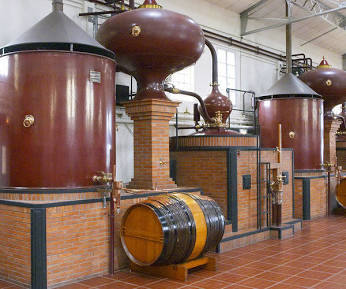
Following the soaking phase, the mixture is transferred to copper stills where it is boiled for long periods. As the steam rises through the wood fibers, it carries away the microscopic droplets of aromatic oil.
The steam is then cooled through a condensation system, allowing the pure oil to separate from the water. This process demands constant temperature monitoring over multiple days to prevent scorching the delicate scent.
Shockingly Low Yield Ratios
The most shocking aspect of oud production is the abysmal mathematical yield of the raw material. To produce just one tiny tola (a traditional Middle Eastern measurement equal to roughly 11.7 grams) of pure oil, distillers require up to 70 pounds of agarwood.
When you break down those numbers, it becomes crystal clear why production costs remain so consistently elevated. You are losing vast amounts of weight just to capture a few precious drops of liquid amber.
Furthermore, the quality of the oil depends heavily on the age of the tree and the duration of the distillation. Older trees yield a smoother, multi-layered aroma that features zero harsh chemical edges.
Cheap, rushed distillation methods yield an oil that smells intensely fecal, barnyard-like, or unpleasantly medicinal. True artisan distillers treat the process like aging a fine vintage wine, which commands premium pricing from collectors worldwide.
Deciphering the Astronomical Market Prices of True Oud
When we look at the raw financial metrics, the numbers associated with high-grade oud are staggering. High-quality wild agarwood can command prices up to $100,000 per single kilogram in elite global markets.
The pure essential oil derived from this wood easily fetches thousands of dollars an ounce, occasionally making it worth significantly more than pure 24-karat gold.
Because the prices are so extreme, the fragrance industry has split into two distinct tiers. On one side, you have ultra-luxury houses using authentic natural extracts.
On the other side, mass-market brands rely heavily on affordable synthetic molecules. Understanding this divide is essential for any consumer trying to navigate the complex world of modern niche perfumery.
| Type of Oud | Average Cost | Scent Longevity | Complexity Profile |
| Wild Natural Artisanal | $1,000+ per 10ml | 24+ Hours on Skin | Evolves from smoky to sweet, animalic, and warm woody |
| Cultivated Plantation | $200 – $400 per 10ml | 12 – 18 Hours | Clean, linear woody notes with less funk or animalic depth |
| Synthetic Reconstitution | $5 – $20 per 10ml | 4 – 8 Hours | Sharp, static, deeply smoky, or leathery without evolution |
The Unmatched Olfactory Profile of Natural Oud
Why do people willingly pay these exorbitant prices for a single scent note? The answer lies in the unparalleled, chameleonic nature of the raw material’s olfactory profile.
Natural oud is not just a single scent; it is an entire symphonic experience contained within a single drop. It possesses an astonishing ability to morph and adapt to the specific skin chemistry of the individual wearer.
When you first apply pure natural oud, you might be hit with a powerful, polarizing wave of animalic notes. It can smell intensely earthy, smoky, or reminiscent of old leather and damp forest floors.
However, as the warmth of your skin begins to evaporate the molecules, the fragrance undergoes a dramatic transformation. Over several hours, it softens into a rich, sweet woody masterpiece with hints of warm amber, tobacco, and dried fruits.
Synthetic alternatives manufactured in laboratory environments simply cannot mimic this mesmerizing lifecycle. Synthetic oud molecules, such as Black Agar or various chemical bases, tend to be completely static.
They provide a pleasant, sharp, smoky wood scent from the initial spray until they fade away, but they lack the living, breathing soul of the authentic botanical resin.
Step-by-Step Guide to Identifying Authentic Oud Fragrances
With so many synthetic duplicates flooding the modern marketplace, finding a bottle featuring genuine agarwood oil requires a discerning eye. If you want to invest your hard-earned money wisely, follow this systematic approach to evaluate your next luxury purchase.

1. Analyze the Retail Pricing Realistically
If a retail brand claims to sell an all-natural, pure oud eau de parfum for $40 or $50, it is guaranteed to be 100% synthetic. The baseline manufacturing cost of the raw natural oil makes those retail prices mathematically impossible. Expect to pay at least $200 to $350 for an entry-level niche bottle containing a meaningful percentage of real cultivated oud.
2. Observe the Scent’s Evolution Over Several Hours
Spray the fragrance on your wrist and walk away from the perfume counter. Do not make a purchasing decision based solely on the top notes. True natural oud needs at least 30 to 60 minutes to shed its initial medicinal sharpness and reveal its underlying sweet, powdery, and musky complexity. If the scent smells exactly the same at hour six as it did during the first ten seconds, it is synthetic.
3. Check the Longevity and Residual Skin Textures
Pure oud oil is naturally incredibly viscous, thick, and packed with heavy molecular structures. Fragrances containing high percentages of natural oud will typically display incredible longevity, often lasting on the skin for over 15 hours and remaining on clothing for days. When sprayed on the skin, it may leave a slight, non-greasy sheen due to the sheer density of the natural oils.
4. Look for Reputable Luxury and Niche Houses
To guarantee you are experiencing the real deal, target historic niche houses known for ethical sourcing and authentic ingredient validation. Brands like Amouage, Xerjoff, Roja Parfums, and Arabian Oud are famous for utilizing genuine, high-grade Middle Eastern and Southeast Asian oud oils within their premium collections.
Common Myths and Misconceptions About Oud Perfume
As oud has transitioned from a traditional Middle Eastern cultural staple to a global luxury phenomenon, several myths have emerged. The most pervasive myth is that all oud perfumes smell dirty, barnyard-like, or unpleasantly fecal.
While some wild varieties from specific regions like Assam, India possess an intensely animalic opening, many others are remarkably smooth, warm, and sweet woody from the very start.
Another common misconception is that wild harvested oud is always superior to cultivated alternatives. Due to the strict environmental protections surrounding wild Aquilaria trees, sustainable tree farming plantations have emerged across Cambodia, Thailand, and Vietnam.
These plantations manually inoculate the trees with the fungus to trigger resin production. While plantation-grown oud is often younger and slightly less complex, it provides an ethical, eco-friendly, and highly consistent supply of genuine oil.
Industry Fact: The global fragrance market value is projected to exceed $70 billion by the end of the decade, with the luxury oud segment experiencing the fastest compound annual growth rate due to explosive demand in Western markets.
Pro Tips for Wearing and Layering Your Luxury Oud
Because authentic oud is exceptionally potent and highly complex, wearing it requires a bit more intentionality than your average fresh, citrusy summer cologne. To get the absolute most out of your expensive bottle, apply the fragrance directly to clean, well-moisturized pulse points.
The heat radiating from your wrists, neck, and behind your knees will slowly unfurl the dense, resinous layers over an extended period.
If you find pure oud a bit too intimidating to wear on its own, it makes an absolutely spectacular base layer for custom scent combining. Try applying a single spray of a deep oud fragrance, then top it with two sprays of a bright, fresh citrusy or sweet vanilla perfume.
The heavy oud molecules act as a natural fixative, anchoring the volatile lighter notes to your skin and dramatically extending the overall longevity of your entire custom scent profile.
Summary of Why Oud Commands the Global Fragrance Crown
When you add up all the variables, it is easy to see why this material maintains its position as the ultimate luxury ingredient. It represents a perfect storm of biological rarity, intensive manual labor, and unmatched artistic beauty. It is an olfactive experience that synthetic chemistry simply cannot fully replicate.
- Rarity: Only a tiny fraction of wild trees ever produce the precious dark defense resin.
- Labor: Isolating the resin requires meticulous hand-carving and slow, precise hydro-distillation.
- Performance: True oud offers unmatched skin longevity, lasting for days on fabrics.
- Complexity: The scent profile evolves beautifully from smoky leather to warm, sweet woodiness.
Conclusion
Investing in a high-quality oud fragrance is about more than buying a luxury item. It connects you to an ancient, multi-sensory tradition that spans centuries of human history. Knowing why oud is the most expensive perfume ingredient allows you to appreciate every spray of this liquid gold on a much deeper level.
Whether you prefer a dark, smoky traditional blend or a modern, fresh citrusy hybrid, true oud remains the undisputed king of the fragrance world.
Did you find this helpful? Drop a comment below or share this with a fellow fragrance lover to spread the olfactive knowledge!
Frequently Asked Questions
Q1: Exactly why oud is the most expensive perfume ingredient compared to options like sandalwood or musk?
A: True oud requires a random, decades-long biological mold infection inside a rare, protected genus of tree to even exist. This extreme natural rarity, combined with a manual harvesting process and a shockingly low oil extraction yield, creates a massive supply deficit. Other premium ingredients simply do not face the same extreme biological barriers to production.
Q2: How long does a genuine oud perfume last on human skin?
A: Due to the dense, heavy molecular weight of natural agarwood resin, high-quality oud fragrances boast incredible longevity. On clean skin, you can easily expect an authentic formulation to project for 12 to 24 hours. On textiles like wool coats or cotton shirts, the warm woody base notes can easily linger for several weeks.
Q3: Is it possible to buy eco-friendly and sustainably sourced natural oud?
A: Yes, absolutely. While wild-harvested Aquilaria trees are critically endangered and strictly protected, modern sustainable forestry plantations now ethically cultivate these trees throughout Southeast Asia. They carefully manage the infection process, ensuring a steady, legal supply of authentic oil without harming wild ecosystems or violating global CITES regulations.
Q4: What are some famous commercial perfumes that contain real oud notes?
A: Legendary luxury fragrances like Tom Ford Oud Wood, Creed Royal Oud, Louis Vuitton Ombre Nomade, and Maison Francis Kurkdjian Oud Satin Mood are globally celebrated for showcasing this ingredient. These houses artfully blend the rich, earthy resin with complementary elements like powdery rose, warm amber, and sweet vanilla to create timeless masterpieces.
Q5: Can synthetic oud hurt my skin or alter my fragrance experience?
A: Synthetic oud compounds used by reputable fragrance houses are fully certified, safe, and strictly regulated by IFRA. They will not harm your skin. However, they do alter your overall olfactory experience by remaining completely static, flat, and linear, lacking the gorgeous, multi-hour aromatic evolution that characterizes natural agarwood oil extracts.
Q6: Why does some raw oud oil smell like a barnyard or leather when first applied?
A: This intense initial aroma is a natural characteristic of specific regional distillation styles, particularly traditional Indian oud. The prolonged water-soaking of the wood prior to boiling creates a unique fermentation profile. This bold, animalic funk eventually transitions into a beautifully smooth, sweet woody, and deeply comforting amber scent after warming up on your skin.
What Is Ambergris? The Weird Ingredient in Luxury Perfumes
Roja Elysium vs Nishane Hacivat: Which Fresh Niche Fragrance Is Better in 2026?
Leave a Reply