


What you’ll learn:
- Where the word “musk” actually comes from — and why it’s stranger than you think
- The real difference between natural musk and the synthetic musk in your perfume today
- Why almost every bottle on your shelf contains musk, even if the label never says so
- How to choose a musk fragrance that fits your personality and the occasion
Introduction
Musk in perfume is one of the most talked-about, least understood notes in the entire fragrance world. It shows up in the description of nearly every perfume you’ve ever owned, from your everyday body spray to that expensive bottle you save for special occasions.
But ask most perfume lovers what musk actually smells like, and you’ll get a dozen different answers. Some say it’s clean and soapy. Others describe it as warm, skin-like, almost sensual. A few insist it smells faintly animalic, like something ancient and untamed.
Here’s the twist: musk hasn’t come from an animal in your perfume for decades. What you’re smelling today is almost certainly a laboratory-made molecule engineered to recreate a scent that once required killing an endangered deer.
That contradiction — a note beloved by millions, born from a substance most modern noses will never encounter — is exactly why musk deserves a closer look. Let’s dive in.
Why Musk Matters So Much in Fragrance
Musk isn’t just another note on a fragrance pyramid. It’s the quiet workhorse holding the whole composition together.
In perfumery, musk is prized as a fixative. That means it slows down the evaporation of lighter, more volatile ingredients like citrus or florals, helping a fragrance last longer on skin. Without musk, many perfumes would fade within an hour.
It also adds a warm, skin-like base that makes a scent feel personal rather than purely decorative. That “your skin but better” quality so many popular fragrances chase almost always comes down to musk.

Musk also carries enormous commercial weight. Perfumers frequently blend musk at meaningful concentrations in modern formulas because consumer testing consistently shows people respond to it, even when they can’t name what they’re smelling. That’s part of why musk-forward fragrances like body washes, laundry detergents, and fine perfumes all lean on the same handful of musk molecules.
The Origins and Evolution of Musk
From the Himalayan Musk Deer
The story of musk begins with the male musk deer, a small, timid animal native to mountain regions across Central and East Asia. The deer produces a strong-smelling secretion in a gland near its abdomen, historically used to mark territory and attract mates.
For thousands of years, perfumers scraped this substance from the gland, dried it into dark granules, and dissolved it in alcohol to create musk tincture. Harvesting it meant killing the deer, and demand was so high that musk once traded by weight for roughly twice the price of gold.
The toll on musk deer populations was devastating. By the mid-20th century, overhunting had pushed multiple musk deer species toward extinction, and in 1979 the Convention on International Trade in Endangered Species (CITES) placed the animal under international protection, effectively ending the legal trade in natural deer musk.
The Rise of Synthetic Musk
The shift to synthetic musk actually began earlier than most people realize. In the late 1800s, a chemist working to improve TNT explosives accidentally discovered a compound with a strikingly musky odor. That accidental find launched the first generation of synthetic musks, known as nitro-musks.
Later generations improved on safety and performance. Polycyclic musks, then macrocyclic musks, and eventually alicyclic musks each solved problems the last generation left behind, from environmental persistence to skin sensitivity.
By 1981, a well-known cosmetics retailer launched a fragrance simply called White Musk, built entirely from synthetic ingredients. It became hugely popular and helped reshape what “musk” meant to everyday consumers: no longer dark and animalic, but clean, soft, and approachable.
Why You’ll Never Smell Real Deer Musk Again
Today, virtually all musk used in perfumery is synthetic. Natural deer musk trade remains banned under CITES, and reputable fragrance houses do not use it. If a modern perfume lists “musk” on its note pyramid, you are smelling a lab-created molecule, not an animal product.
This is genuinely good news for both animal welfare and consistency. Synthetic musk molecules can be manufactured with precise, repeatable quality, something that was never possible with a wild-harvested animal secretion.
How to Choose and Wear a Musk Fragrance
Picking the right musk perfume comes down to understanding the different “faces” musk can wear in a composition. Here’s a simple approach to finding yours.
- Identify the musk style you’re drawn to. Clean “white musk” fragrances feel soapy and fresh, ideal for daytime and office wear. Warm, skin-like musks feel more intimate and work well for evenings or colder months.
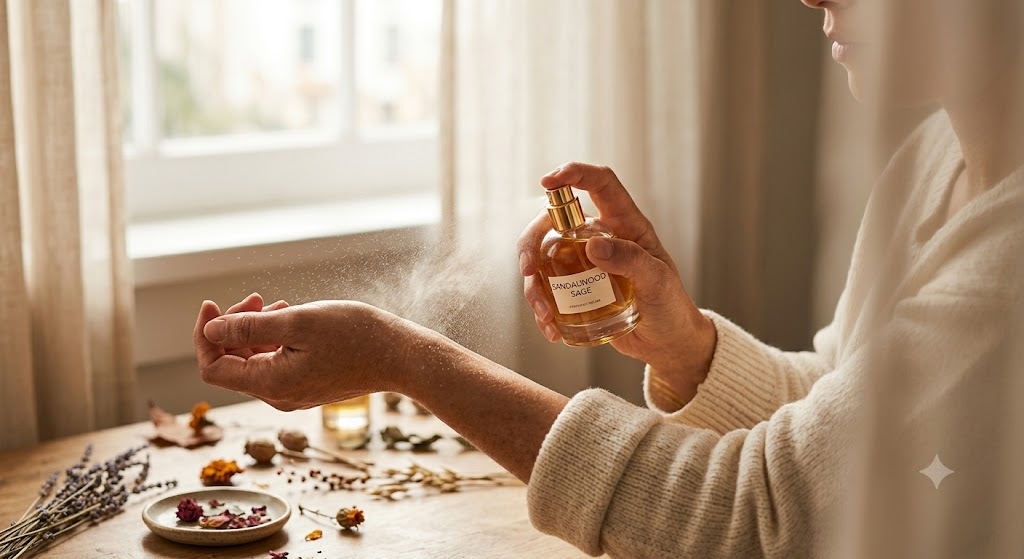
- Test it on skin, not paper. Musk interacts with your natural body chemistry more than almost any other note. A musk that smells powdery on a test strip can shift into something entirely different once it warms on your wrist.
- Layer thoughtfully. Musk pairs beautifully with vanilla for sweetness, sandalwood for depth, or citrus for a fresher opening. Many perfumers build entire fragrances around a musk base precisely because it plays so well with others.
- Consider longevity needs. Because musk molecules have low volatility, musk-heavy fragrances tend to last significantly longer on skin and fabric than lighter, citrus-forward scents.
- Don’t panic if you can’t smell it. A meaningful share of the population has a genetic condition called specific anosmia, meaning they’re partially or fully unable to detect certain musk molecules. If a friend raves about a musk fragrance you find faint, your nose may simply process that particular molecule differently.
Common Mistakes and Myths About Musk
Myth: All musk perfumes come from animals. This hasn’t been broadly true for decades. Mainstream perfumery relies almost entirely on synthetic musk, and natural deer musk trade has been restricted since 1979.
Myth: Musk always smells “dirty” or animalic. Modern white musks are engineered specifically to smell clean and soft, closer to fresh laundry than anything animalic. The perception of musk as heavy or sensual usually comes from vintage-style compositions layered with other warm base notes.
Mistake: Buying a musk fragrance based on the bottle photo or paper strip alone. Because musk behaves so differently on individual skin chemistry, a musk-heavy perfume can smell completely different from person to person. Always test on skin before committing to a full bottle.
Mistake: Assuming stronger sillage means better quality. Musk’s fixative properties mean small amounts go a long way. Overapplying a musk-forward fragrance often reads as overwhelming rather than luxurious.
Myth: Synthetic musk is somehow “fake” or inferior. Many synthetic musk molecules, particularly macrocyclic and alicyclic types, are prized by perfumers precisely because they capture the warmth of natural musk more consistently and safely than the original animal-derived version ever could.
Expert Tips for Getting the Most Out of Musk Fragrances
Fragrance formulators pay close attention to how musk is layered, not just whether it’s present. A few professional-level tips can help you shop and wear musk more confidently.
Apply musk-based fragrances to pulse points where body heat is highest, like the inner wrists and base of the throat. Musk needs warmth to fully develop, and these areas help the scent bloom properly throughout the day.
Store musk perfumes away from direct sunlight and heat. While musk molecules themselves are fairly stable, prolonged heat exposure can degrade the surrounding composition and shift the overall balance of the fragrance.
If you’re new to musk, start with a lighter “clean musk” composition before working up to deeper, more animalic-leaning blends. This lets your nose adjust to how musk behaves on your specific skin chemistry without feeling overwhelmed.
Finally, pay attention to concentration. Eau de parfum and parfum formulations typically carry a higher percentage of musk and other base notes, meaning they’ll project longer and develop a richer character over several hours compared to a lighter eau de toilette.
Final Recommendations: Making Musk Work for You
Musk has traveled an extraordinary road, from a scraped animal gland traded for its weight in gold to a precisely engineered laboratory molecule found in nearly every fragrance on store shelves.
Understanding that journey changes how you shop. When you see “musk” on a perfume’s note list today, you’re looking at decades of chemistry designed to be safer, more consistent, and far more ethical than the substance that first earned the name.

Whether you gravitate toward crisp white musk or a deeper, skin-warm blend, the key is testing on your own skin and paying attention to how the fragrance evolves over a few hours, not just the first spray.
Conclusion
Musk in perfume tells a bigger story than most people realize, one that spans centuries of history, near-extinction, and remarkable chemistry. What started as a rare, animal-derived luxury has become one of the most reliable, versatile, and widely loved notes in modern fragrance.
The next time you catch that warm, comforting base note in your favorite scent, you’ll know exactly what you’re smelling and why it lingers so beautifully on your skin. Musk earned its reputation the hard way, and today’s synthetic versions honor that legacy without the ethical cost.
Did you find this helpful? Drop a comment below or share this with a fellow fragrance lover!
Frequently Asked Questions
Q1: Is musk in perfume made from real animals today? No. Legitimate modern perfumery relies almost entirely on synthetic musk. Natural deer musk trade has been restricted internationally since 1979, and reputable fragrance brands do not use animal-derived musk in their formulas.
Q2: What does musk actually smell like? Musk is often described as warm, soft, and skin-like, sometimes with powdery or slightly sweet undertones. Synthetic “white musk” tends to smell clean and soapy, while deeper musk blends can feel more sensual and animalic.
Q3: Why is musk used in so many perfumes? Musk acts as a fixative, helping other notes last longer on skin. It also adds warmth and depth to a composition, which is why perfumers include it in a huge percentage of fragrance formulas, from fine perfume to laundry products.
Q4: Why can’t I smell musk in some perfumes that other people love? Some people have a genetic trait called specific anosmia, which makes them partially or fully unable to detect certain musk molecules. This is common and doesn’t mean anything is wrong with the fragrance or your sense of smell overall.
Q5: Is synthetic musk safe to wear? Modern synthetic musks used by reputable fragrance houses undergo safety testing and regulatory review. Some older nitro-musk compounds were phased out over safety concerns, but current generations of musk molecules are formulated with those lessons in mind.
Q6: What’s the difference between white musk and regular musk? White musk refers to clean, soft synthetic musk compositions, popularized in the 1980s, designed to smell fresh rather than animalic. “Regular” or deeper musk blends often layer in warmer, richer notes to evoke the more sensual character associated with historic natural musk.
Why Oud Is the Most Expensive Perfume Ingredient in the World