
What you’ll learn
- The best places to apply perfume for maximum longevity
- Why many people accidentally weaken their fragrance
- Step-by-step techniques used by fragrance enthusiasts
- Common perfume mistakes and how to avoid them
Introduction
Knowing How to Apply Perfume correctly can make the difference between a fragrance that disappears after an hour and one that stays with you all day.
Surprisingly, many people spend good money on luxury fragrances from brands like Chanel, Dior, or Tom Ford but unknowingly apply them in ways that reduce their performance. They spray too far away, rub their wrists together, or apply fragrance on dry skin without realizing these habits can affect how a scent develops.
The global fragrance industry is worth tens of billions of dollars annually, and consumers continue investing heavily in personal fragrances. Yet proper perfume application remains one of the most misunderstood parts of fragrance wearing.
The good news? You don’t need more perfume. You simply need better technique.
Whether you wear fresh citrus scents, warm woody fragrances, sweet gourmands, or elegant florals, the right application method can dramatically improve your fragrance experience.
Let’s dive in.
H2: Why Proper Perfume Application Matters
Perfume is more than a pleasant scent. It is a carefully designed composition of top notes, heart notes, and base notes that evolve over time.
When applied correctly, a fragrance unfolds exactly as the perfumer intended. You experience the bright opening notes first, followed by the richer middle notes and finally the long-lasting base notes.
Skin chemistry, temperature, humidity, and application technique all influence how a perfume performs. Even an expensive Eau de Parfum may seem weak if applied incorrectly.
Another important factor is fragrance projection. This refers to how far your scent radiates from your body. Proper application helps create a pleasant scent bubble without overwhelming those around you.
Many fragrance lovers focus entirely on buying new bottles while overlooking the simple techniques that can improve performance immediately.
H2: How to Apply Perfume Correctly
The heart of successful fragrance wearing comes down to a few proven principles.
H3: Apply Perfume to Pulse Points
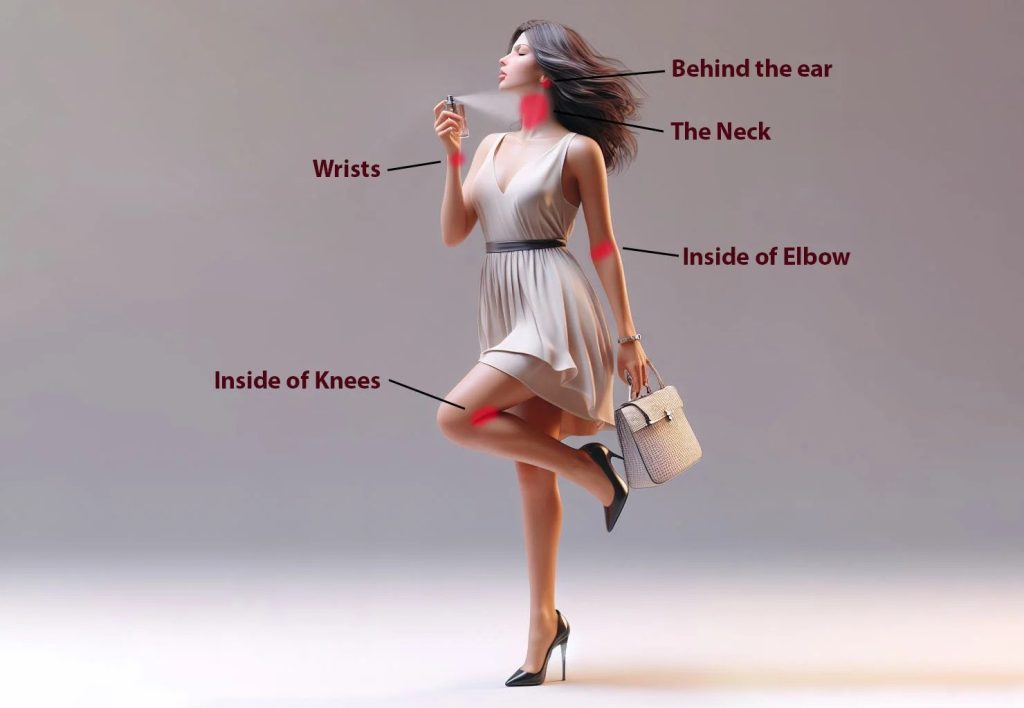
Pulse points are areas where blood vessels sit closer to the skin’s surface. These naturally warmer areas help diffuse fragrance throughout the day.
The best pulse points include:
- Wrists
- Neck
- Behind ears
- Inside elbows
- Collarbone area
- Behind knees
The warmth generated in these areas gradually releases fragrance molecules, helping the scent evolve naturally.
For daily wear, two to four sprays distributed across pulse points are often enough. Stronger fragrances may require even less.
H3: Apply on Moisturized Skin
One of the biggest secrets to making perfume last longer is moisturizing first.
Dry skin absorbs fragrance oils quickly, causing scents to fade faster. Moisturized skin creates a better surface for fragrance molecules to cling to.
Apply an unscented body lotion immediately after showering and before spraying perfume. This simple habit can noticeably improve longevity.
Many luxury brands also offer matching body lotions designed specifically for their fragrances. Layering products from the same scent family can extend wear time even further.
H3: Spray From the Right Distance
Distance matters more than most people realize.
Hold the bottle approximately 5–7 inches from your skin. This allows an even distribution of fragrance rather than concentrating too much liquid in one spot.
Spraying too close can create wet patches that waste fragrance. Spraying too far away causes much of the perfume to drift into the air instead of landing on your skin.
A controlled spray ensures maximum efficiency and better scent performance throughout the day.
H2: Step-by-Step Guide to Applying Perfume
Follow this simple routine every time you wear fragrance.
Step 1: Shower First
Clean skin provides the ideal foundation for perfume. Dirt, sweat, and oils can interfere with fragrance performance.
Applying perfume after a shower helps the scent adhere better.
Step 2: Moisturize Your Skin
Use an unscented moisturizer on areas where you plan to spray fragrance.
This creates a hydrated surface that helps hold scent molecules.
Step 3: Choose Your Pulse Points
Select two to four pulse points depending on fragrance strength.
For office settings, lighter application is usually best.
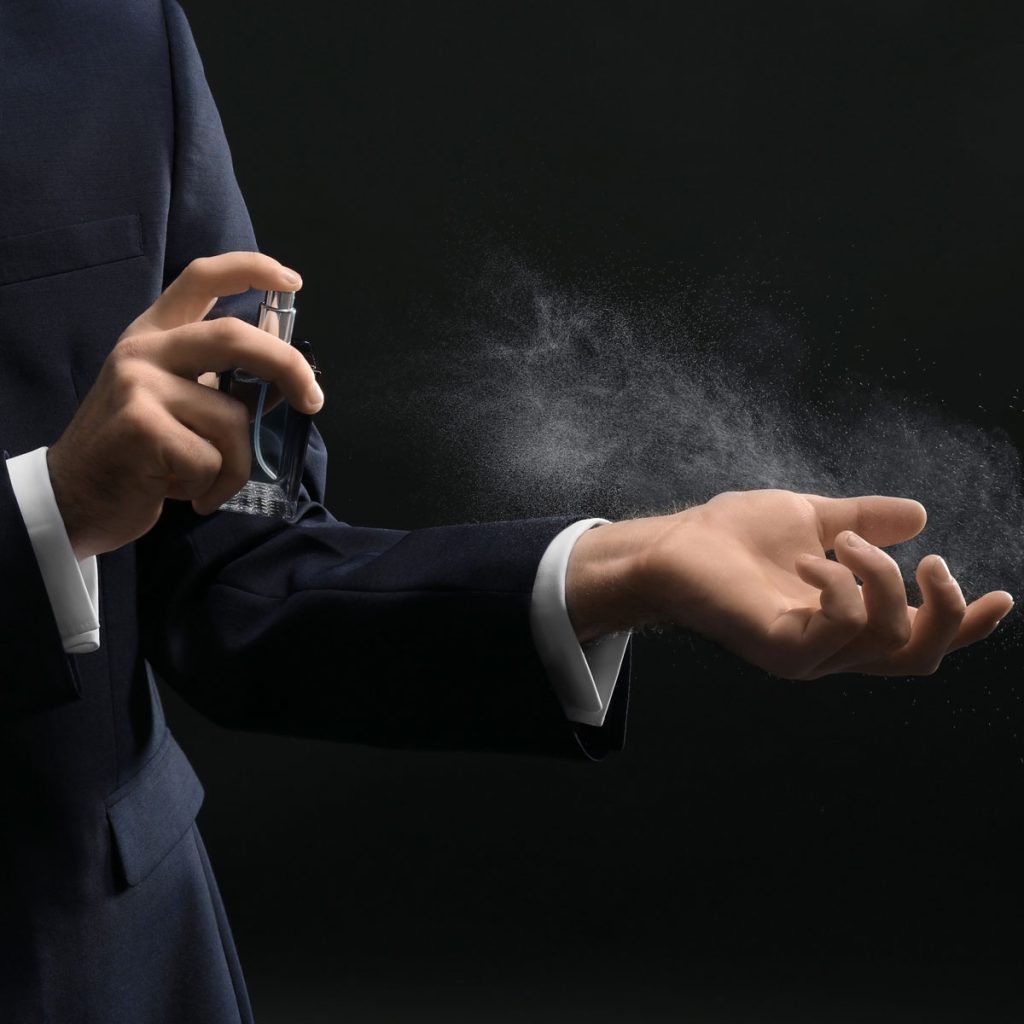
Step 4: Spray Directly Onto Skin
Hold the bottle 5–7 inches away and spray confidently.
Avoid excessive spraying.
Step 5: Let It Dry Naturally
Allow the fragrance to settle and dry on its own.
This helps preserve the integrity of the scent structure.
Step 6: Optional Clothing Application
Some fragrances perform well on fabric.
A light spray on clothing can increase longevity, but always test first because certain perfumes may stain delicate materials.
Step 7: Reapply Only When Needed
If necessary, reapply later in the day. Travel-size atomizers make this convenient without carrying a full bottle.
H2: Common Perfume Mistakes Most People Make
Even experienced fragrance wearers sometimes develop habits that hurt performance.
Rubbing Wrists Together
This is perhaps the most common mistake.
After spraying perfume, many people instinctively rub their wrists together. Doing so creates friction and heat that can disrupt the delicate top notes.
Instead, simply let the fragrance dry naturally.
Spraying Too Much
More fragrance does not automatically mean better performance.
Overapplication can overwhelm people around you and may even cause you to become nose-blind to your own scent.
Quality matters more than quantity.
Applying Only to Clothes
Fabric can hold scent for a long time, but relying solely on clothing often prevents the fragrance from fully developing.
Body heat plays an important role in fragrance evolution.
Storing Perfume Incorrectly
Heat, sunlight, and humidity can damage fragrance compositions.
Avoid storing perfumes in bathrooms where temperature fluctuations are common.
Instead, keep bottles in a cool, dark place.
Choosing the Wrong Concentration
Not all fragrances are created equal.
An Eau de Toilette generally contains a lower concentration of fragrance oils than an Eau de Parfum. Understanding these differences helps set realistic expectations for longevity.
H2: Expert Tips for Better Fragrance Performance
Fragrance enthusiasts often use advanced techniques to get the most from their collections.
Layer Similar Scents
Layering complementary products can create a richer and longer-lasting scent experience.
Start with a matching shower gel, followed by body lotion and then perfume.
Spray Hair Carefully
Hair can retain fragrance exceptionally well.
Rather than spraying directly onto hair, spray onto a brush or use a dedicated hair mist designed for fragrance application.
Consider Weather Conditions
Hot weather amplifies fragrance projection.
Cold weather tends to mute fragrances, making stronger scents such as amber, vanilla, and woody compositions more effective during winter.
Match Fragrance Strength to Occasion
Fresh citrus and aquatic scents work beautifully during the day.
Richer fragrances with oud, amber, vanilla, and spices often excel during evenings and special occasions.
Rotate Your Fragrances
Wearing the same scent daily can make you less aware of it.
Rotating fragrances helps maintain appreciation for each scent profile while preventing scent fatigue
H2: Summary and Final Recommendation
Learning How to Apply Perfume properly is one of the easiest ways to improve your fragrance experience without spending additional money.
Focus on clean, moisturized skin. Apply fragrance to pulse points. Use the correct spray distance. Avoid rubbing your wrists together and resist the urge to overspray.
These simple adjustments can dramatically increase both longevity and projection.
Remember that fragrance is personal. Experiment with different application techniques and discover what works best with your skin chemistry, climate, and favorite scent families.
When used correctly, even a modest fragrance can perform beautifully and leave a memorable impression throughout the day.
Conclusion
Fragrance is an invisible accessory that can boost confidence, express personality, and create lasting memories. Yet many people never experience their perfumes at their full potential because they apply them incorrectly.
By understanding How to Apply Perfume the right way, you can enjoy better longevity, improved projection, and a more complete fragrance journey from the first spray to the final dry down.
Small adjustments—such as moisturizing your skin, targeting pulse points, and avoiding common mistakes—can make a remarkable difference.
The next time you reach for your favorite bottle, put these techniques into practice and notice how much better your fragrance performs.
Did you find this helpful? Drop a comment below or share this with a fellow fragrance lover!
Frequently Asked Questions
Q1: How to apply perfume so it lasts all day?
A: Apply perfume immediately after moisturizing clean skin and focus on pulse points such as the neck, wrists, and behind the ears. Hydrated skin holds fragrance better, helping the scent last significantly longer throughout the day.
Q2: Where should I spray perfume for best results?
A: The best locations are pulse points including the wrists, neck, collarbone area, inside elbows, and behind the ears. These warmer areas naturally help diffuse fragrance over time.
Q3: Should I rub perfume into my skin?
A: No. Rubbing perfume can generate heat and friction that may affect the fragrance’s top notes. Allow the perfume to dry naturally after spraying for the best performance.
Q4: Is it okay to spray perfume on clothes?
A: Yes, in many cases. Clothing can help fragrance last longer. However, some perfumes may stain delicate fabrics, so test carefully before applying directly to garments.
Q5: How many sprays of perfume should I use?
A: Most people only need two to four sprays depending on fragrance strength and occasion. Stronger Eau de Parfum concentrations usually require fewer sprays than lighter fragrances.
Q6: Does moisturizer really help perfume last longer?
A: Absolutely. Moisturized skin provides a better surface for fragrance oils to adhere to, which can improve both longevity and overall scent performance throughout the day.