What you’ll learn
- The exact definition of perfume sillage and how it differs from similar terms.
- The science behind what makes a fragrance trail linger in the air.
- Practical methods to control, increase, or soften your personal scent cloud.
- How to choose the right concentration of perfume to match your lifestyle goals.
Introduction
Have you ever walked past someone and found yourself instantly captivated by a lingering, beautiful cloud of fragrance? Perhaps a colleague left an elevator minutes ago, yet a warm, comforting note of vanilla or clean linen still hangs pleasantly in the air. This magical, invisible phenomenon is exactly what fragrance enthusiasts talk about when they use the word sillage.
If you are new to the world of fragrance, you might find yourself asking: what does “sillage” mean in perfume circles? It is one of those classic French terms that sounds highly sophisticated but describes a very simple concept. Understanding this term can completely transform how you buy, wear, and enjoy your favorite scents.
Many people confuse this lingering quality with how strong a bottle smells right when you spray it. However, the true definition involves how your perfume behaves as you move through a room over time. Let’s dive in.
The Origins and Meaning of Sillage
To understand the modern perfume sillage definition, it helps to look at where the word actually comes from. Sillage is a beautiful French word that literally translates to “wake” or “trail.” Think of the elegant, V-shaped white water trail left behind by a boat moving through a calm lake. It can also describe the invisible air current left behind by an airplane wing high up in the blue sky.
In the beauty and luxury fragrance industry, this word describes the invisible trail a perfume leaves behind as the wearer moves. It is essentially the lingering scent footprint you leave in your wake. If a perfume has a strong trail, it means your scent remains in a physical space even after you have walked away.
[Boat on Water]       ---> Leaves behind ---> A visible water wake
[Perfume Wearer]      ---> Leaves behind ---> An invisible scent trail (Sillage)
This lingering quality matters immensely to fragrance creators and buyers alike. According to global fragrance industry reports, the demand for long-lasting perfumes with noticeable trails has grown by over 15% in recent years. People do not just want to smell good when they bring their wrist up to their nose; they want their presence to feel memorable.

Sillage vs. Projection vs. Longevity
The heart of understanding your fragrance lies in separating three terms that people constantly mix up. While they all relate to how a perfume performs, they measure completely different characteristics of a formulation.
What is Perfume Projection?
Projection measures how far a fragrance radiates outward from your body while you are standing perfectly still. Think of it as a personal, stationary bubble of aroma. If someone can smell your citrusy summer cologne from five feet away while you are sitting in a meeting, that is an example of high projection.
Sillage, on the other hand, requires physical movement to activate. It is not an expanding bubble; it is a dynamic trail left behind in your path. A perfume can have very low projection but incredibly high lingering power in an empty hallway.
What is Fragrance Longevity?
Longevity refers purely to time. It answers the simple question: how many hours does the perfume stay bound to your physical skin or clothing before disappearing entirely?
A rich, heavy oriental blend or an earthy woody perfume might last for twelve hours on your skin (high longevity). However, it might only be noticeable to you or someone hugging you (low projection and low trail).
How the Three Elements Work Together
To help visualize how these three traits interact, consider how a classic luxury perfume performs over an average day. Here is a quick breakdown of how these distinct performance metrics look side-by-side:
| Fragrance Term | What It Measures | Best Analogy |
| Sillage | The trail left behind in the air after you move away. | A boat’s wake in the water. |
| Projection | How far the scent throws while you are standing still. | An invisible personal bubble. |
| Longevity | How many hours the oils remain attached to your skin. | The battery life of the scent. |
How to Increase Perfume Sillage
If you want your favorite scent to leave a more memorable path behind you, there are several highly effective tricks you can try. You do not necessarily need to buy a brand-new bottle to get a more noticeable fragrance trail meaning out of your current collection.
The Application Strategy
1.Create a Moisture Barrier:Apply right after showering.
Fragrance molecules evaporate rapidly on dry skin. Apply an unscented lotion or a matching body cream to your skin first. This creates an emollient base that locks down the aromatic compounds.
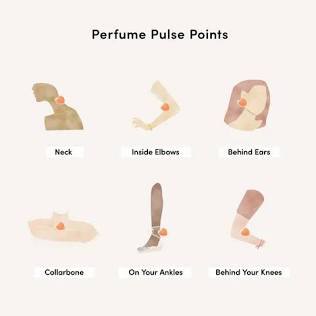
2.Target Your Dynamic Pulse Points:Focus on areas that move.
Instead of just spraying your wrists, target areas of your body that create motion. Spray the back of your neck, your hair, and the inside of your elbows. As you swing your arms and turn your head, you naturally fan the aroma into the air.
3.Utilize Your Clothing Fabrics:Spray natural fibers gently.
Skin warms up perfume, accelerating the dry-down process. Spritzing your clothes allows the scent to evaporate at a much slower, steadier rate. Natural fibers like wool, cotton, and silk hold onto molecules beautifully, leaving an effortless trail as you walk.
A Note on Hair Mist: Regular perfumes contain high levels of alcohol, which can dry out your hair over time. If you want to use your hair to project a beautiful scent trail, try spraying your hairbrush first and running it through your locks, or invest in a dedicated hair mist.
Common Mistakes That Ruin Your Scent Trail
Many well-meaning fragrance lovers accidentally kill their scent trail because of a few simple misunderstandings. The absolute biggest mistake you can make is aggressively rubbing your wrists together after applying a spray.
People think rubbing creates warmth that activates the perfume, but it actually creates friction that shears the delicate top notes. This friction breaks down the initial structure of the volatile oils, causing the top notes of sharp citrus or sweet berry to evaporate prematurely.
Another massive mistake is falling victim to olfactory fatigue, often called “nose blindness.” When you wear the exact same signature scent every single day, your brain eventually decides to ignore it so your senses do not get overwhelmed.
When this happens, you might mistakenly think your perfume has lost its strength. If you react by spraying half the bottle on your body, you will create an overwhelmingly suffocating cloud for everyone else around you.
How Concentration Levels Impact Sillage
The concentration of aromatic oils inside your bottle plays a massive role in what does sillage mean in perfume performance. Many people automatically assume that a more expensive, highly concentrated perfume will leave the largest trail, but the science of molecular evaporation actually proves the exact opposite.
To understand why, check out our guide on how to read perfume labels properly.
- Eau de Cologne (EDC): Contains roughly 2% to 4% oil concentration. These are highly volatile, light blends filled with bright citrus and fresh herbal notes. They burst into the air quickly but fade away entirely within an hour or two.
- Eau de Toilette (EDT): Contains around 5% to 15% aromatic oils. Because they have a higher ratio of alcohol to oil, the molecules evaporate rapidly away from the skin. This rapid evaporation often creates a massive, dramatic trail for the first few hours.
- Eau de Parfum (EDP): Sits perfectly in the middle at 15% to 20% oil. This concentration offers an ideal, balanced mix of strong staying power and a polite, gorgeous trail that feels sophisticated without being rude.
- Parfum / Extrait de Parfum: The highest concentration, often reaching 20% to 40% pure oil. Because these formulas are incredibly heavy and dense, they cling tightly to the skin. They last for days, but their trail is actually quite intimate and close to the body.
How to Test the Trail of a Fragrance
Testing how a perfume behaves when you move is notoriously difficult because you cannot stand behind yourself. Thankfully, there are two foolproof methods to evaluate the trail of any scent in your collection without guessing.
The easiest method requires the help of a trusted friend or family member. Simply spray your perfume, walk into a clean, closed room, and spend about thirty seconds moving around. Walk out of the room, close the door behind you, and wait two full minutes. Have your friend walk into the room and tell you if the air smells distinctly of your fragrance.
If you are home alone, you can use a clean, unworn cardboard box or an index card. Spray the card twice from a distance of six inches, place it inside an empty room, and leave the door slightly ajar. Walk back inside after ten minutes. If a beautiful, woody, powdery, or musky aroma greets you right at the doorway, you know your fragrance has excellent ambient strength.
Conclusion
At the end of the day, mastering your fragrance is all about personal expression and confidence. Knowing what does sillage mean in perfume allows you to curate how you want to be remembered in social circles, workplaces, and special events. Whether you prefer an intense, spicy trail that commands attention or a soft, clean cloud that whispers elegance, controlling your scent trail is a true art form.
Choose your concentration wisely, apply your sprays to strategic movement zones, and always protect your top notes from friction. Your signature scent is your invisible calling card—make sure it leaves an unforgettable impression.
Did you find this helpful? Drop a comment below or share this with a fellow fragrance lover!
Frequently Asked Questions
Q1: What does sillage mean in perfume compared to projection?
A: Sillage refers specifically to the invisible trail left behind in the air as you move through a space. Projection measures how far a fragrance radiates outward from your body while you are standing completely still. Think of projection as a stationary bubble, while sillage is a dynamic, moving wake.
Q2: Can a perfume have good longevity but poor sillage?
A: Yes, absolutely. High-concentration perfumes like Extrait de Parfum or pure perfume oils cling tightly to your skin, lasting twelve hours or more. However, because they lack high alcohol content to cause rapid evaporation, they often leave a very minimal trail in the air.
Q3: Why can’t I smell my own perfume trail after a few hours?
A: This is due to a natural neurological process called olfactory fatigue, or nose blindness. Your brain filters out familiar, constant smells to avoid sensory overload. Just because you cannot smell your own fragrance trail does not mean others around you cannot perceive it beautifully.
Q4: Does cold weather affect how a perfume trail behaves?
A: Cold air slows down the evaporation process of perfume oils on your skin. Consequently, your perfume will naturally project less and leave a smaller trail in the winter. This is why people generally switch to heavier, richer woody and spicy gourmand scents during the colder months.
Q5: Is it rude to wear a perfume with heavy sillage to an office?
A: Generally, yes. Enclosed spaces like offices, airplanes, and classrooms require polite, intimate fragrances. Wearing a massive, room-filling scent can trigger allergies or headaches in colleagues. Opt for lighter Eau de Toilette formulations or clean, fresh, soapy profiles for professional settings.
Q6: Does spraying perfume in my hair increase the trail?
A: Yes, spraying your hair is one of the most effective ways to boost your scent trail. Because your head is constantly moving and hair is incredibly porous, it acts as a natural fan for the fragrance. Just be sure to use alcohol-free hair mists to prevent drying out your locks.