What you’ll learn
- How long different types of perfumes typically last
- Why some fragrances disappear faster than others
- Common mistakes that reduce perfume longevity
- Expert tips to make your fragrance last all day
Introduction
Have you ever sprayed your favorite fragrance in the morning only to wonder where it went by lunchtime? If you’ve asked yourself, How Long Should a Perfume Last?, you’re definitely not alone.
Perfume longevity is one of the most common concerns among fragrance lovers. Some scents seem to stay on the skin from sunrise to sunset, while others fade away within a few hours. This often leaves people questioning whether their perfume is weak, fake, or simply not performing as expected.
The truth is that there isn’t one universal answer. Several factors influence how long a perfume lasts, including its concentration, ingredients, skin chemistry, weather conditions, and application technique.
Understanding what’s normal can save you money, prevent disappointment, and help you choose fragrances that match your expectations. Whether you love fresh citrus scents, warm vanilla fragrances, or rich woody perfumes, knowing how longevity works will make you a smarter fragrance buyer.
Let’s dive in.
Why Perfume Longevity Matters
When people buy a fragrance, they usually focus on the scent itself. However, longevity is just as important as the aroma.
A beautiful fragrance that disappears after an hour may not provide the experience you want. On the other hand, a long-lasting perfume can offer better value and require fewer reapplications throughout the day.
[IMAGE: Luxury perfume bottles displayed beside fragrance notes such as flowers, woods, and citrus fruits]
The global fragrance industry generates tens of billions of dollars annually, and consumers consistently rank longevity among the top factors influencing purchasing decisions. Brands such as Chanel, Dior, and Tom Ford invest heavily in creating fragrances with balanced performance.
Longevity also affects confidence. Many people wear fragrance as part of their personal style. Knowing your scent is still present several hours later can enhance the overall experience.
It’s important to remember that a perfume doesn’t need to last 24 hours to be considered good. In fact, many highly respected fragrances offer moderate longevity but excel in scent quality and craftsmanship.
How Long Should a Perfume Last? The Real Answer
The biggest factor affecting longevity is fragrance concentration.
1: Eau de Cologne
Eau de Cologne typically contains 2% to 5% fragrance oil.
These fragrances are light, refreshing, and often dominated by citrus notes. Because they contain less aromatic material, they generally last between 1 and 3 hours on the skin.
Classic colognes are ideal for hot weather, gym sessions, or quick refreshment throughout the day. Their shorter lifespan is completely normal.
If your citrus cologne disappears after two hours, it isn’t necessarily a poor-quality product. That’s simply how the concentration is designed.
2: Eau de Toilette and Eau de Parfum
Eau de Toilette (EDT) usually contains around 5% to 15% fragrance oil.
Most EDT fragrances last approximately 3 to 6 hours. Popular fresh fragrances often fall into this category because they offer a lighter wearing experience.
Eau de Parfum (EDP), meanwhile, generally contains 15% to 20% fragrance oil. Most EDP fragrances last between 6 and 10 hours, depending on the ingredients and formulation.
For example, fragrances from Dior’s Sauvage line and several Chanel EDP releases often provide strong longevity due to their concentration and composition.
3: Parfum and Extrait de Parfum
Parfum or Extrait de Parfum contains the highest concentration of fragrance oils, often 20% to 40%.
These luxurious formulas can last 8 to 12 hours or even longer.
Rich ingredients such as amber, oud, vanilla, sandalwood, patchouli, and musk tend to remain on the skin for extended periods. Some may still be noticeable on clothing the next day.
However, concentration alone doesn’t guarantee performance. A well-made Eau de Parfum can sometimes outlast a poorly formulated Parfum.
Factors That Affect How Long Perfume Lasts
Even the most expensive fragrance can behave differently from person to person.
1. Your Skin Type
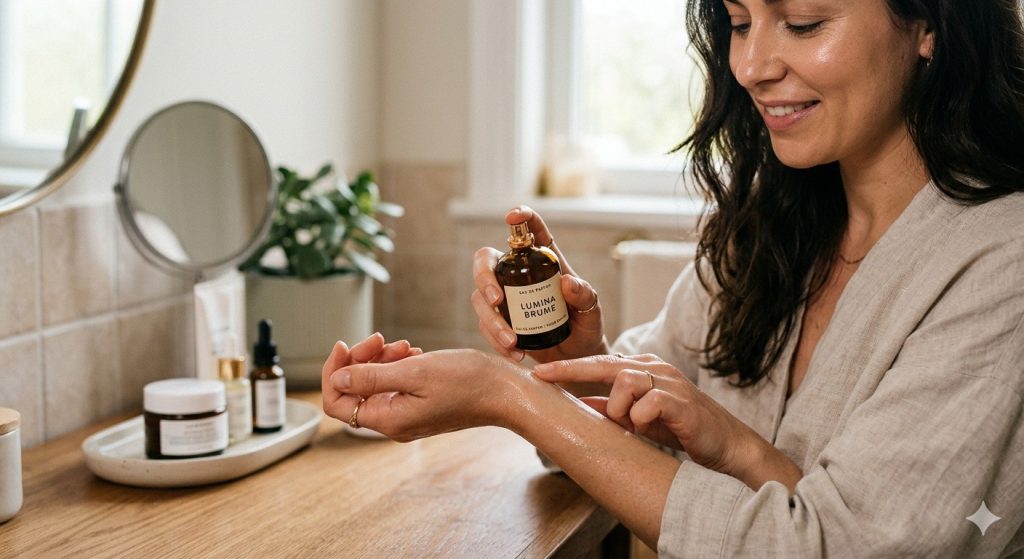
Dry skin tends to absorb fragrance more quickly, causing scents to fade faster.
Oily skin naturally holds fragrance molecules longer. This is why some people enjoy significantly better longevity from the same perfume.
Applying an unscented moisturizer before perfume can dramatically improve performance.
2. Fragrance Notes
Not all ingredients last equally.
Fast-fading notes include:
- Lemon
- Bergamot
- Grapefruit
- Green notes
Long-lasting notes include:
- Vanilla
- Amber
- Oud
- Musk
- Patchouli
- Sandalwood
A fresh citrus fragrance will naturally disappear faster than a deep oriental or woody perfume.
3. Weather Conditions
Heat can increase projection but may shorten longevity.
Cold weather often reduces projection while helping heavier notes remain detectable longer.
Humidity can also affect how fragrances develop on the skin.
4. Application Technique
Where and how you apply perfume matters.
Pulse points such as wrists, neck, behind the ears, and inner elbows generate warmth that helps fragrance diffuse throughout the day.
Proper application can significantly improve performance without using additional sprays.
5. Fragrance Storage
Perfume is sensitive to heat, sunlight, and air exposure.
Storing bottles in a cool, dark place helps preserve the formula and maintain longevity over time.
Bathrooms are often one of the worst places to store fragrances because temperature fluctuations can damage the scent.
Common Mistakes and Myths About Perfume Longevity
Many fragrance lovers unknowingly reduce their perfume’s performance.
1: Rubbing Wrists Together
This is perhaps the most common mistake.
Rubbing breaks down delicate top notes and can alter the fragrance’s development.
Instead, spray and let the perfume dry naturally.
2: Applying Only to Clothing
Clothing can hold fragrance well, but relying solely on fabric may prevent the scent from developing properly.
The best approach combines skin and clothing application when appropriate.
3: Over-Spraying
More sprays don’t always equal longer longevity.
Sometimes excessive application causes nose fatigue, making you think the fragrance disappeared when it’s still noticeable to others.
1: Expensive Perfumes Always Last Longer
Price and longevity are not the same thing.
Some affordable fragrances outperform luxury scents in terms of lasting power.
2: If You Can’t Smell It, It’s Gone
This is often false.
Your nose can become accustomed to a scent, a phenomenon called olfactory fatigue.
Others may still smell your fragrance long after you stop noticing it.
3: Fresh Scents Should Last All Day
Fresh fragrances are designed to feel airy and refreshing.
Expecting a citrus-heavy scent to perform like a rich amber fragrance is unrealistic.
Expert Tips to Make Perfume Last Longer
Want better performance from your favorite fragrance? These professional techniques can help.
Hydrate Your Skin First
Apply an unscented lotion before spraying perfume.
Moisturized skin creates a better surface for fragrance molecules to cling to.
Layer Matching Products
Many fragrance lines offer body washes, lotions, and deodorants.
Using matching products creates a scent foundation that extends longevity.
Spray Strategic Areas
Focus on:
- Neck
- Behind ears
- Collarbone
- Inner elbows
- Back of neck
These areas generate warmth and improve scent diffusion.
Apply After Showering
Freshly cleansed skin often holds fragrance more effectively.
The slight moisture remaining after a shower can help perfume perform better.
Choose Fragrances Based on Notes
If longevity is your priority, look for fragrances containing:
- Amber
- Vanilla
- Oud
- Musk
- Sandalwood
- Tonka bean
These notes naturally provide longer-lasting performance.
What Is a Good Perfume Longevity Benchmark?
Many consumers wonder what counts as “good” performance.
Here is a simple benchmark:
| Perfume Type | Typical Longevity |
|---|---|
| Eau de Cologne | 1–3 hours |
| Eau de Toilette | 3–6 hours |
| Eau de Parfum | 6–10 hours |
| Parfum / Extrait | 8–12+ hours |
A fragrance lasting within these ranges is generally performing normally.
Remember that longevity isn’t the only measure of quality. Some legendary fragrances are beloved because of their composition, artistry, and emotional impact rather than their staying power.
The best perfume is the one that fits your preferences, lifestyle, and expectations.
Conclusion
So, How Long Should a Perfume Last? For most fragrances, anywhere from 3 to 10 hours is perfectly normal depending on the concentration, ingredients, and your individual skin chemistry.
Fresh citrus scents often fade sooner, while rich woody, musky, and amber-based fragrances can linger throughout the day. Understanding these differences helps set realistic expectations and allows you to choose perfumes that match your needs.
A few simple habits—such as moisturizing your skin, applying perfume correctly, and storing bottles properly—can make a noticeable difference in longevity.
Fragrance is deeply personal, and performance varies from person to person. The key is finding scents that not only smell amazing but also fit your desired wearing experience.
Did you find this helpful? Drop a comment below or share this with a fellow fragrance lover!
Frequently Asked Questions
Q1: How long should perfume last on skin?
A: Most perfumes last between 3 and 10 hours depending on concentration. Eau de Toilette typically lasts 3–6 hours, while Eau de Parfum often lasts 6–10 hours. Skin type, weather, and fragrance notes can also affect longevity.
Q2: Why does my perfume fade so quickly?
A: Dry skin, hot weather, light citrus ingredients, and improper application are common reasons. Applying fragrance to moisturized skin can help improve performance significantly.
Q3: Is it normal for perfume to last only 2 hours?
A: Yes, especially if you’re wearing an Eau de Cologne or a fragrance dominated by citrus and fresh notes. Short longevity doesn’t necessarily mean the perfume is low quality.
Q4: Does perfume last longer on clothes or skin?
A: Perfume often lasts longer on clothing because fabric holds fragrance molecules well. However, fragrance develops more naturally and beautifully on skin due to body heat.
Q5: Which fragrance notes last the longest?
A: Amber, vanilla, musk, oud, patchouli, sandalwood, and tonka bean are among the longest-lasting fragrance notes. They are commonly used in perfumes known for strong longevity.
Q6: How can I make my perfume last all day?
A: Moisturize before application, spray pulse points, layer matching products, store perfumes correctly, and choose fragrances with naturally long-lasting base notes such as amber, musk, and vanilla.