What you’ll learn
- Why the same perfume can smell completely different on two people
- How body chemistry affects fragrance performance
- The role of skin type, diet, and environment in scent development
- Tips for finding perfumes that work best with your skin
Introduction
Have you ever sprayed a perfume on your wrist, loved it, and then noticed it smelled completely different on a friend? If you’ve wondered, why does perfume smell different on different people, you’re not imagining things.
This is one of the most fascinating aspects of fragrance. A perfume is not a static product. Once it touches your skin, it begins interacting with your body’s natural oils, temperature, moisture levels, and even your lifestyle habits. The result is a scent experience that becomes uniquely yours.
That’s why a fragrance that smells bright, fresh, and citrusy on one person may seem warmer, sweeter, or even slightly woody on someone else.
Understanding this phenomenon can help you choose fragrances more effectively and avoid costly blind purchases. It also explains why fragrance experts always recommend testing a perfume on your own skin before buying.
Let’s dive in.
Why Perfume Smelling Different Matters
Perfume is often described as an invisible accessory. Unlike clothing or jewelry, fragrance interacts directly with your body chemistry.
This interaction creates a personalized scent profile that makes every wearing experience unique. Even when two people use the exact same bottle, the fragrance journey can be surprisingly different.
The global fragrance industry is worth tens of billions of dollars annually, and personalization has become one of the biggest trends in modern perfumery. Luxury brands such as Chanel, Dior, and Tom Ford invest heavily in creating complex compositions that evolve uniquely on skin.
A fragrance typically contains three stages:
- Top notes
- Heart (middle) notes
- Base notes
As these notes develop over several hours, your skin chemistry influences how quickly they evaporate and how they are perceived.
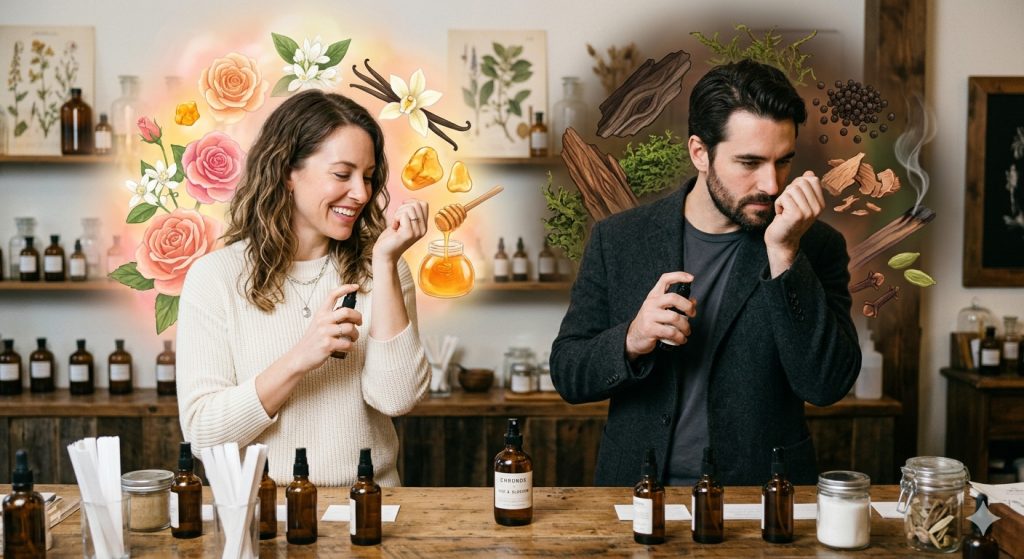
The Science Behind Why Perfume Smells Different
Body Chemistry Changes Everything
Your skin is covered by a thin layer of natural oils known as sebum.
These oils mix with perfume molecules immediately after application. Since everyone produces different amounts and compositions of skin oils, fragrances react differently from person to person.
For example, someone with oilier skin may notice stronger projection and longer-lasting performance. On dry skin, the same fragrance may seem lighter and disappear faster.
This is one of the primary reasons perfume reviews can vary so dramatically between users.
Skin pH Plays a Role
Many people believe skin pH completely changes perfume.
While pH has less influence than popular myths suggest, it can still affect how certain ingredients behave on the skin.
Slight differences in acidity can alter how floral, citrus, and aromatic compounds are perceived. This may explain why one person experiences a perfume as crisp and fresh while another finds it softer and sweeter.
The effect is subtle but real.
Natural Body Odor Influences Fragrance
Every person has a unique natural scent.
This scent comes from skin bacteria, sweat composition, hormones, and genetics.
When perfume mixes with your natural odor profile, it creates a customized result. Think of perfume as a musical composition and your skin as the speaker system playing it. The same song sounds different depending on the equipment.
This explains why fragrances become highly personal.
Skin Type Affects Longevity and Scent
Skin type is one of the most overlooked factors in fragrance performance.
Oily Skin
Oily skin tends to hold fragrance molecules longer.
As a result:
- Better longevity
- Stronger projection
- Richer development of base notes
Many people with oily skin notice that amber, vanilla, musk, and woody fragrances perform exceptionally well.
Dry Skin
Dry skin absorbs fragrance more quickly.
This can make perfumes seem weaker or less complex.
Using an unscented moisturizer before applying perfume often improves longevity significantly.
Combination Skin
Combination skin can create varying performance across different body areas.
Testing fragrances on pulse points such as wrists and neck helps identify the best application spots.
Body Temperature Changes Fragrance Development
Heat accelerates fragrance evaporation.
People with naturally warmer skin often experience:
- Stronger opening notes
- Faster fragrance evolution
- Increased projection
Meanwhile, cooler skin temperatures may slow development and make fragrances smell softer.
This is why the same perfume can seem vibrant on one person and subdued on another.
Popular fresh fragrances such as Acqua di Gio often become brighter on warmer skin, while richer scents like Black Orchid may reveal deeper notes more quickly.
How to Test Perfume Correctly on Your Skin
Choosing a fragrance becomes easier when you understand how skin chemistry works.
Follow these steps:
1. Spray Directly on Skin
Avoid testing only on paper strips.
Blotters reveal the fragrance structure but cannot predict how it will behave on your body.
2. Wait at Least 30 Minutes
Many people judge perfumes too quickly.
The first few minutes only reveal top notes. The heart and base notes often tell the real story.
3. Avoid Rubbing Your Wrists
Rubbing creates heat and friction.
This can alter the fragrance development and distort your perception of the scent.
4. Test Only Two or Three Perfumes
Your nose becomes fatigued after multiple fragrance tests.
Limiting the number helps maintain accuracy.
5. Wear It for a Full Day
The best fragrance evaluations happen over several hours.
Observe:
- Opening scent
- Mid-stage development
- Dry-down phase
- Longevity
- Projection
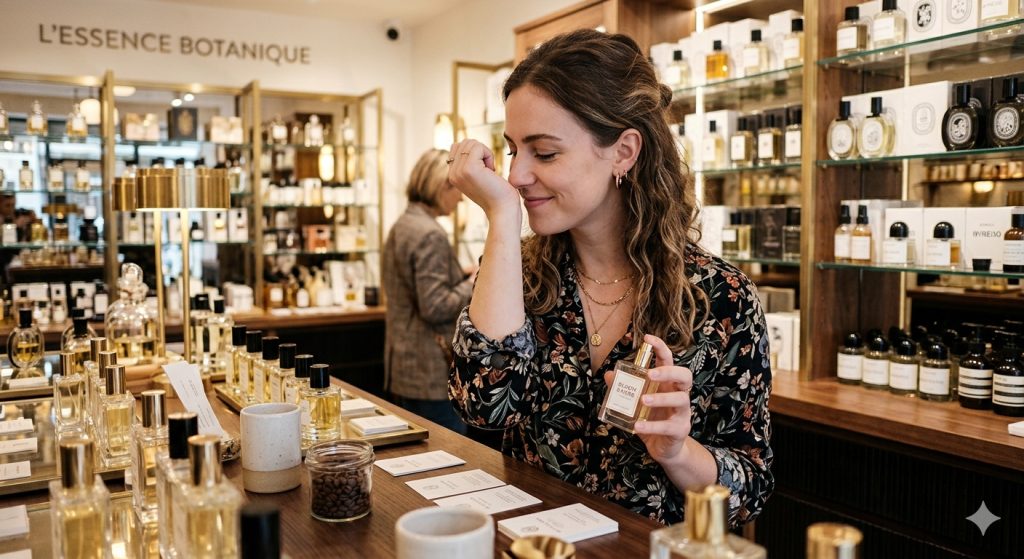
Common Myths About Why Perfume Smells Different
1: Expensive Perfumes Smell Better on Everyone
Price does not guarantee compatibility.
A luxury fragrance can perform poorly on one person and beautifully on another.
Skin chemistry matters more than price.
2: One Signature Scent Works for Everyone
There is no universally perfect fragrance.
Even bestsellers perform differently across individuals.
This is why fragrance enthusiasts often own multiple perfumes for different seasons and occasions.
3: Perfume Quality Changes the Smell Entirely
High-quality ingredients improve richness and complexity.
However, body chemistry still influences how those ingredients are perceived.
4: Perfume Smells the Same Forever
Fragrances evolve continuously throughout wear.
The scent you smell after five minutes is not the same scent you’ll experience four hours later.
Expert Tips for Finding Fragrances That Match Your Chemistry
Experienced fragrance lovers often focus on patterns rather than individual perfumes.
Identify Notes That Work Well on You
Notice recurring ingredients in fragrances you love.
Examples include:
- Vanilla
- Musk
- Sandalwood
- Bergamot
- Rose
- Vetiver
These notes often perform consistently across multiple fragrances.
Keep a Fragrance Journal
Record:
- Perfume name
- Notes
- Longevity
- Projection
- Overall impression
Over time, you’ll identify clear trends.
Consider the Season
Heat, humidity, and weather affect fragrance performance.
Fresh citrus scents often shine in summer, while warm amber and woody fragrances excel in colder months.
Learn Fragrance Families
Understanding fragrance families helps narrow choices:
- Fresh
- Floral
- Woody
- Oriental
- Gourmand
- Aromatic
These categories provide useful clues about future purchases.
Key Takeaways and Final Recommendation
Understanding why perfume behaves differently can transform the way you shop for fragrances.
Remember these essentials:
- Body chemistry affects scent development.
- Skin type influences longevity.
- Temperature changes projection and evolution.
- Natural body odor contributes to uniqueness.
- Testing on your own skin is essential.
Instead of searching for a perfume that smells exactly like it does on someone else, focus on discovering fragrances that complement your personal chemistry.
That is where the magic of perfumery truly begins.
Conclusion
The answer to why does perfume smell different on everyone comes down to a combination of science and individuality. Your skin chemistry, natural oils, body temperature, and even environmental conditions shape the fragrance experience.
This uniqueness is actually one of the most beautiful aspects of perfume. Rather than trying to replicate how a scent smells on someone else, embrace the way it evolves on your own skin. That’s how truly personal fragrance memories are created.
The next time you test a perfume, give it time to develop and pay attention to how it interacts with your body. You may discover a hidden masterpiece that feels uniquely yours.
Did you find this helpful? Drop a comment below or share this with a fellow fragrance lover!
Frequently Asked Questions
Q1: Why does perfume smell different on different people?
A: Perfume smells different because each person’s skin chemistry, oil production, body temperature, and natural scent are unique. These factors interact with fragrance ingredients and create a personalized scent experience.
Q2: Does skin type affect perfume performance?
A: Yes. Oily skin generally holds fragrance longer and projects more strongly, while dry skin may cause perfume to fade faster. Moisturized skin often improves longevity and scent development.
Q3: Why does a perfume smell good on someone else but not on me?
A: Body chemistry can dramatically influence how fragrance notes develop. Ingredients that shine on one person’s skin may become softer, sweeter, or less noticeable on another person’s skin.
Q4: Can diet affect how perfume smells?
A: Diet may influence natural body odor, which can subtly affect how fragrances interact with your skin. Strongly flavored foods, hydration levels, and lifestyle habits can contribute to scent perception.
Q5: Should I test perfume on paper or skin?
A: Skin testing is always best. Paper strips help you understand the fragrance composition, but only your skin reveals how the perfume will truly smell and perform throughout the day.
Q6: How long should I test a perfume before deciding?
A: Ideally, wear a perfume for at least six to eight hours. This allows you to experience the top, middle, and base notes before making a purchase decision.
What Is a Fragrance Family? Complete Guide for Beginners
Leave a Reply