
What you’ll learn
- The crucial differences between synthetic fragrances and certified organic perfumes.
- A curated list of the top luxury natural perfume houses dominating the industry this year.
- How to properly apply and store botanical scents to maximize their longevity.
- The truth behind common clean beauty myths and how to read fragrance ingredient labels.
Introduction
Finding the best organic perfumes used to feel like an impossible treasure hunt. For decades, the luxury fragrance industry relied almost exclusively on synthetic aroma-chemicals to achieve depth and staying power. However, modern fragrance technology has evolved dramatically, allowing natural perfumers to craft complex, deeply moving scents without relying on petrochemicals.
Today, conscious consumers demand transparency along with luxury, prompting a massive shift toward botanical blends. Statistics show that the global clean beauty market is projected to reach over $15 billion by the late 2020s, with fine fragrance leading the innovation curve. You no longer have to compromise your wellness standards to smell absolutely divine.
Whether you adore a sultry, sun-warmed amber or a crisp, dew-kissed citrus, the botanical world offers unparalleled olfactory art. Let’s dive in.
The Evolution of Natural Fragrances
Understanding why clean scents matter requires a quick look at conventional perfume manufacturing. Most traditional perfumes contain synthetic fixatives, phthalates, and undisclosed chemical mixtures protected under “trade secret” laws. Consequently, many scent enthusiasts experience headaches, skin irritation, or respiratory sensitivity from standard commercial sprays.
Switching to non-toxic scents changes the entire sensory experience. Instead of a static, linear synthetic molecule, natural botanical oils interact dynamically with your unique skin chemistry. This means the formulation evolves uniquely on your skin, creating a truly personalized signature scent.

The Best Organic Perfumes to Elevate Your Scent Wardrobe
Navigating the world of botanical perfumery can feel overwhelming with so many new brands entering the market. To help you find your next signature scent, we have thoroughly analyzed the composition, wear time, and aromatic profiles of the top clean fragrances available today.
Henry Rose: The Pioneer of Ingredient Transparency
Founded by Michelle Pfeiffer, Henry Rose completely revolutionized the luxury fragrance space by achieving Environmental Working Group (EWG) Verification. Every single ingredient is rigorously vetted for safety, yet the scents rival any high-end European fashion house. Their standout creation, Torn, blends rich vanilla bean with earthy vetiver, creating a warm, musky aura that lingers beautifully for hours.
Skylar: Hypoallergenic and Fresh
If you possess highly sensitive skin or suffer from fragrance-induced headaches, Skylar is your ultimate safe haven. This brand utilizes clean, consciously sourced ingredients to craft light, uplifting olfactory experiences. Salt Air is a fan favorite, mimicking the crisp sensation of ocean breezes, driftwood, and sea salt, making it ideal for casual, everyday wear.
Abel Odor: 100% Certified Natural Luxury
Operating out of Amsterdam, Abel Odor proves that completely natural perfumery can be deeply sophisticated and edgy. They use only organic ingredients, food-grade alcohol, and essential oils to create concentrated eau de parfums. Their masterwork, Green Cedar, marries twice-distilled Texas cedar with wild Moroccan cedarwood, yielding a striking, woody masterpiece that appeals to all genders.
How to Apply and Extend the Life of Botanical Perfumes
Natural blends lack the heavy synthetic fixatives that make conventional perfumes cling to fabric for days. However, you can easily maximize the longevity of your favorite clean blends by applying a few strategic, time-tested application techniques.
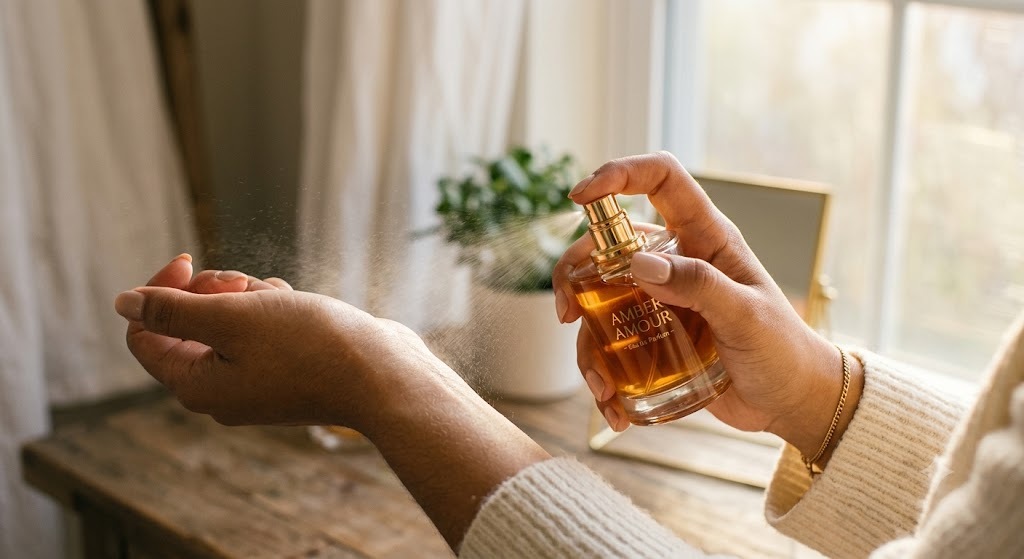
- Hydrate the skin first: Botanical oils bind far better to moisture than to dry skin. Apply an unscented organic body lotion or a touch of jojoba oil to your pulse points before spraying your perfume.
- Target your pulse points: Focus your sprays on areas where the blood vessels run closest to the skin’s surface, such as your wrists, the base of your throat, and behind your knees. The natural warmth of these zones continuously diffuses the scent throughout the day.
- Avoid the friction rub: Never rub your wrists together after applying perfume. This friction friction friction breaks down the delicate top notes prematurely, short-changing your fragrance journey.
Common Myths About Organic Perfumes
Misinformation runs rampant in the beauty industry, particularly regarding clean, green, and conscious products. Let’s debunk the most prominent myths so you can shop with absolute confidence and clarity.
Myth: Natural perfumes only last an hour or two on the skin. Reality: While top notes like citrus fade quickly, base notes like patchouli, labdanum, sandalwood, and vanilla boast incredible natural staying power that can easily last six to eight hours.
Another frequent misconception is that natural ingredients are automatically safer than synthetics. In reality, wild-harvested plants can still trigger allergic reactions in certain individuals. Always look for brands that independently test for allergens and clearly list their botanical components.
Pro Advice for Building a Clean Fragrance Wardrobe
Transitioning to a non-toxic fragrance lifestyle does not mean you need to replace your entire collection overnight. Instead, approach the journey seasonally, swapping out your heaviest synthetic bottles for cleaner alternatives as you empty them.
When shopping, look closely at the base alcohol used in the formulation. The absolute highest quality brands utilize organic sugar cane alcohol or organic grape alcohol, which provides a incredibly clean, crisp opening note without the harsh chemical sting typical of industrial denatured alcohol. For more insights on curating your vanity sustainably, check out our guide on sustainable beauty packaging transitions.
Final Recommendations for Clean Scents
Investing in the best organic perfumes is a beautiful way to honor your personal wellness while indulging in the luxury of fine fragrance. The modern botanical perfumes of 2026 offer magnificent complexity, beautiful sillage, and exceptional longevity that easily rival the iconic synthetic classics.

Conclusion
Embracing the world of botanical perfumery opens up a completely new realm of sensory appreciation. By choosing clean, non-toxic formulations, you protect your body’s wellness while discovering how beautifully natural ingredients interact with your skin’s unique chemistry. The market for the best organic perfumes will only continue to grow, bring forth even more breathtaking olfactory art.
Did you find this helpful? Drop a comment below or share this with a fellow fragrance lover!
Frequently Asked Questions
Q: What makes a perfume truly organic?
A: A truly organic perfume utilizes aromatic compounds derived exclusively from physically processed plants, alongside certified organic carrier oils or organic ferment alcohol. The ingredients must be grown without synthetic pesticides, bioengineering, or ionizing radiation, and ideally certified by an accredited body like the USDA or COSMOS.
Q: Do organic perfumes expire faster than traditional synthetic perfumes?
A: Yes, natural perfumes generally possess a slightly shorter shelf life because they lack synthetic chemical preservatives. Most botanical fragrances remain perfectly fresh and vibrant for 12 to 24 months, provided you store them away from direct sunlight, heat, and high humidity.
Q: Why do some natural perfumes smell different on different people?
A: Natural essential oils contain hundreds of complex, living molecules that react dynamically with your skin’s unique pH, moisture levels, and lipid profile. Synthetics remain highly static, whereas botanical ingredients shift and morph, creating a deeply personalized scent profile unique to you.
Q: Are organic perfumes completely safe for individuals with asthma?
A: While organic options eliminate synthetic irritants, petroleum derivatives, and phthalates, they still contain natural essential oils. Certain botanical ingredients like oakmoss or specific citrus oils can still trigger sensitivities, so individuals with respiratory conditions should always perform a careful patch test.
Q: Why are high-quality organic perfumes often more expensive?
A: The raw materials required for authentic botanical perfumery are exceptionally costly to cultivate, harvest, and distill. For instance, it requires thousands of pounds of fresh rose petals just to extract a single ounce of pure rose essential oil, making natural ingredients significantly pricier than mass-produced synthetic alternatives.
Q: Can I layer different natural fragrances together safely?
A: Absolutely. Because botanical perfumes mimic the natural harmonies found in the wild, they are incredibly forgiving and beautiful when layered. You can easily create your own custom blend by spraying a heavy woody or amber base fragrance first, then topping it with a bright, uplifting citrus or floral spray.