

What you’ll learn
- Why traditional rose fragrances earned a “powdery” reputation—and how modern perfumery transformed them.
- The top modern notes that pair with rose to create fresh, edgy, and intoxicating scents.
- A curated list of the best rose perfumes tailored to every mood, season, and budget.
- Pro tips on layering and applying rose fragrances so they last all day without overwhelming.
Introduction
We have all experienced it at least once. You spray a rose perfume expecting a walk through a sun-drenched European garden, but instead, you are instantly transported to a musty velvet armchair or an old-fashioned vanity drawer. For decades, traditional floral scents relied heavily on dense violet notes, heavy talcum powder accords, and synthetic musks that made rose feel outdated.
Finding the best rose perfumes that feel lively, modern, and genuinely refreshing can feel like an impossible quest. Thankfully, world-class perfumers have completely reinvented this iconic flower. Today’s rose fragrances are bright, spiced, woody, and unexpectedly edgy. Whether blended with juicy lychee, dark leather, or crisp amber, the humble blossom has officially made a stunning comeback. Let’s dive in.
Why Modern Rose Fragrances Are Completely Different Now
To understand why rose had a dusty reputation for so long, we have to look back at mid-century perfume formulas. Classic formulations relied heavily on concentrated rose oxide combined with iris root and heavy aldehydes. This specific combination created a dry, chalky finish that instantly signaled “vintage vanity.”
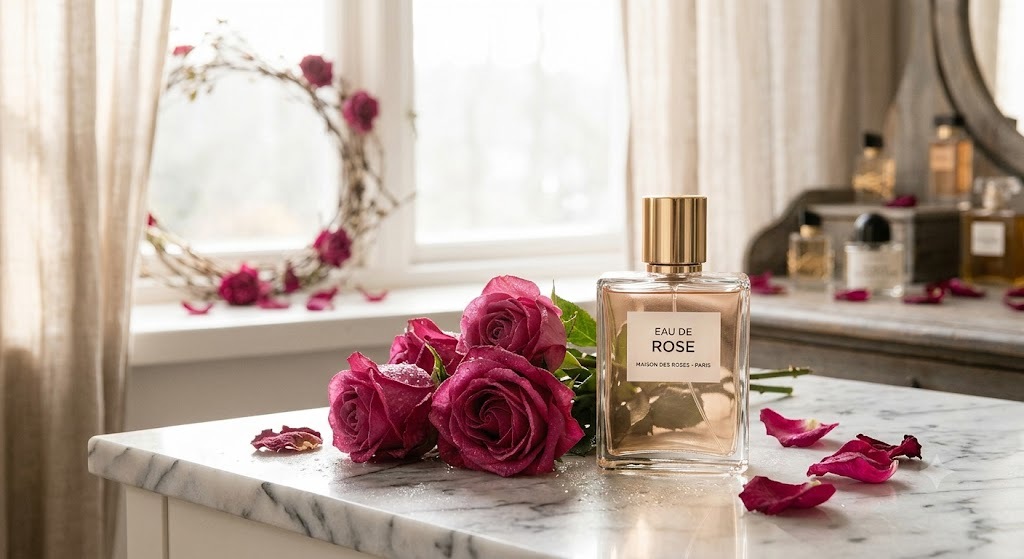
Today, the fragrance industry uses advanced CO2 extraction methods to capture the living flower’s true scent profile. Instead of extracting oil from harvested petals that have wilted, master perfumers capture the crisp green stem, the watery morning dew, and the blooming center in real time.
Furthermore, modern perfumery pairs rose with surprising contrast notes. According to industry market reports, floral-woody and floral-gourmand blends have grown exponentially in popularity, proving that beauty lovers want flowers with a contemporary edge. By grounding delicate petals with dry cedarwood, tart pink pepper, or creamy vanilla, perfumers have successfully rescued rose from the back of the medicine cabinet.
The Ultimate List of the Best Rose Perfumes for Women
If you want to wear a floral scent that feels effortlessly chic, you need a fragrance that balances sweetness with depth. Here are the top modern rose scents categorized by their distinct scent profiles.
The Dewy and Fresh Category
If you love crisp, clean scents that feel like stepping out of a luxurious shower, dewy rose accords are your match. These perfumes highlight the green, leafy elements of the plant along with watery floral nuances.
- Maison Francis Kurkdjian – À la Rose: This masterpiece uses two types of roses—Damask and Centifolia—brightened with crisp Calabrian bergamot and radiant violet blossom. It smells like fresh-cut blooms soaked in morning rain.
- Diptyque – Eau Rose (Eau de Parfum): Unlike standard florals, this scent infuses artichoke, chamomile, and honey. It offers a green, almost vegetal freshness that keeps the rose grounded and sophisticated.
These choices work brilliantly for office environments or hot summer afternoons when heavy gourmands feel too suffocating.
The Woody and Edgy Category
For those who want a dramatic, confident signature scent, pairing rose with rich woods or soft suede creates an intoxicating balance of feminine and masculine energy.
- Byredo – Rose of No Man’s Land: Created as a tribute to World War I nurses, this fragrance opens with fiery pink pepper and sweet raspberry blossom before settling into a base of papyrus and amber. It is dry, spicy, and deeply mysterious.
- Le Labo – Rose 31: A cult classic for a reason. This scent takes the traditional flower and tosses it into a woodshop. Packed with cumin, cedar, and vetiver, it delivers a dirty, spicy edge that feels fiercely independent.
Woody florals stand out exceptionally well during crisp autumn months and evening events where you want your trail to linger in the room.
The Fruity and Gourmand Category
Fruity florals often get a bad rap for feeling juvenile, but high-end perfumery elevates fruity rose blends into decadent, irresistible compositions.
- Parfums de Marly – Delina: The undisputed queen of modern luxury perfume. Delina mixes Turkish rose with tart lychee, rhubarb, and creamy nutmeg. It is vibrant, sensual, and undeniably memorable.
- Chloe – Eau de Parfum: A modern staple that introduced millions of women to fresh rose. Combined with peony, freesia, and warm amber, it delivers a sparkling, bright bouquet that feels timeless rather than vintage.
These playful blends are perfect for dates, brunch with friends, or whenever you want your fragrance to boost your mood instantly.
How to Apply Rose Perfume for Maximum Longevity
Even the best rose perfumes can fade quickly or turn sour if applied incorrectly. Because floral molecules are often volatile top and heart notes, proper application techniques ensure your scent stays vibrant from morning until night.
1: Prep Your Skin with Moisture
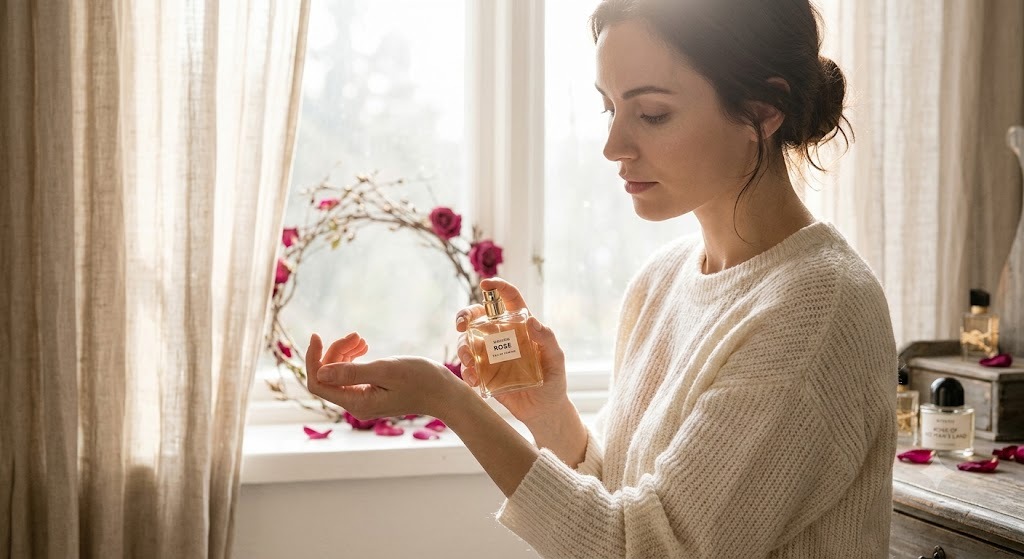
Fragrance molecules bind to oils, not dry skin. Applying perfume to dry wrists means the alcohol evaporates immediately, taking top notes along with it. Always apply an unscented body lotion or a light smear of petroleum jelly to your pulse points before spraying.
2: Target Warm Pulse Points
Focus your sprays on areas where blood vessels sit closest to the surface of your skin. These natural heat sources continuously warm the oil, radiating the scent outward throughout the day.
- The sides of your neck behind the ears
- The inside of your elbows
- The collarbone and cleavage area
- Behind your knees (especially effective when wearing dresses)
Step 3: Never Rub Your Wrists Together
This is the single most common fragrance mistake! Friction generates heat that breaks down delicate floral top notes—like pink pepper, bergamot, and lychee—before they even have a chance to bloom. Spray, let the liquid air-dry naturally, and let the scent unfold on its own.
4 Common Myths About Rose Perfumes Busted
Misconceptions prevent many perfume enthusiasts from enjoying one of the most versatile notes in fragrance design. Let’s dispel these persistent myths once and for all.
1: Rose Scents Are Only for Older Women
This idea comes from mid-century formulas that relied on heavy powder notes. Modern perfumery crafts wild, spicy, metallic, and sweet rose profiles that appeal to all generations.
2: Rose Perfumes All Smell the Same
There are thousands of rose varieties, each producing a different essential oil profile. A Damask rose smells deep, jammy, and rich, while a May rose smells light, green, and honeyed. When blended with spices or woods, no two rose perfumes taste or smell alike.
“A flower does not think of competing with the flower next to it. It just blooms.” The same applies to floral notes—rose acts as a chameleon in perfumery, absorbing the character of whatever note sits beside it.
3: Floral Perfumes Don’t Last Long
While light floral waters fade fast, fine rose extractions hold incredible staying power when anchored with base notes like patchouli, oud, amber, or vanilla.
4: You Can Only Wear Rose in the Spring
While fresh floral water shines in warm weather, dark, resinous rose blends perform exceptionally well in winter cold. Spiced rose notes cut through freezing air effortlessly.
Expert Layering Tips to Customize Your Signature Scent
If you want a truly unique personal fragrance that nobody else can replicate, layering is your secret weapon. Combining your floral notes with contrasting olfactory families creates bespoke complexity.
- Add Spice for Warmth: Spray a simple rose perfume over a warm cardamon or cinnamon body oil to convert a day scent into an alluring night fragrance.
- Add Citrus for Energy: Layer your rose scent with a sharp lemon or grapefruit mist to make the florals feel extra crisp and energizing during humid summer days.
- Add Vanilla for Softness: A touch of sweet amber or rich vanilla bean grounds floral notes, making them feel cozy, warm, and comforting.
For more deep-dive guides on master perfume layering techniques, check out our comprehensive guide on creating a signature scent wardrobe.
Finding Your Perfect Match
Finding the best rose perfumes comes down to knowing which secondary notes speak to your personal style. You don’t have to settle for powdery soaps or outdated vanity mists anymore. From dark and smoky leather combinations to bright, tart lychee blends, modern perfumery offers a universe of fresh floral choices.
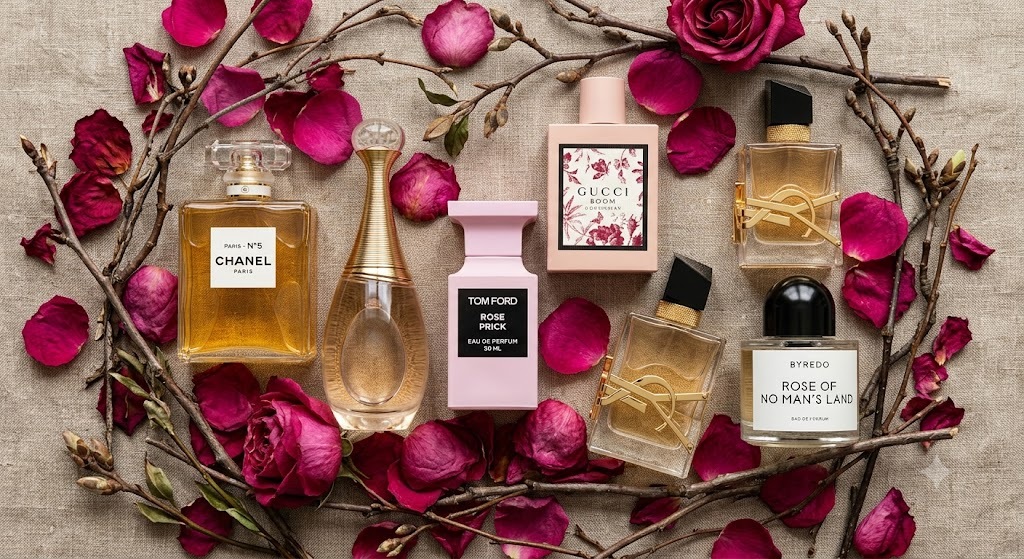
Test fragrances directly on your skin rather than paper blotters, give them a few hours to develop through their heart and base notes, and watch how your perception of this classic blossom changes forever.
Conclusion
Upgrading your fragrance collection with a modern floral scent is one of the easiest ways to elevate your everyday style. By choosing compositions anchored by rich woods, sparkling citrus, or warm amber, you can confidently wear the best rose perfumes without ever worrying about smelling like an antique shop.
Embrace the stunning variety of modern perfumery, experiment with new note combinations, and find the bottle that brings you joy every single morning.
Did you find this helpful? Drop a comment below or share this with a fellow fragrance lover!
Frequently Asked Questions
Q1: What makes a rose perfume smell powdery or old-fashioned?
A: Rose scents smell powdery when combined with heavy concentrations of iris, violet, talc accords, or synthetic aldehydes. Older fragrance formulas relied on these combinations, whereas modern perfumery pairs rose with fresh citrus, green leaves, juicy fruits, or crisp woods to maintain a clean, contemporary finish.
Q2: Which fragrance notes pair best with rose for a modern scent?
A: Crisp citrus notes like bergamot and mandarin add immediate sparkle, while pink pepper, cumin, and patchouli provide an edgy contrast. Fruits like lychee and raspberry enhance sweetness, while cedarwood, sandalwood, and amber give the flower a grounded, sophisticated depth.
Q3: How can I tell if a perfume uses Damask or May rose?
A: Damask rose (Rosa Damascena) typically smells rich, deep, spicy, and slightly jammy, making it ideal for evening or winter scents. May rose (Rosa Centifolia) features a lighter, clearer, sweeter, and more honeyed floral profile that feels effortless for spring and summer wear.
Q4: Why does rose perfume smell different on my skin than on paper?
A: Paper blotters do not have natural heat or skin oils. When applied to your wrists, your body heat warms the alcohol, evaporating top notes faster and interacting with your skin’s natural pH balance and moisture levels, which transforms the fragrance profile completely.
Q5: Can I wear rose perfume if I prefer unisex or masculine scents?
A: Absolutely. Rose is a central note in traditional Middle Eastern unisex perfumery. Look for formulations that blend rose with smoky oud, raw leather, vetiver, or dry cedarwood. These notes strip away excess sweetness, resulting in a dark, earthy, and sophisticated scent profile suitable for anyone.
Q6: How many sprays of rose perfume should I apply?
A: For high-concentration Eau de Parfum (EDP) formulas, 2 to 3 sprays on key warm pulse points—such as your neck, wrists, or collarbone—are sufficient. Lighter Eau de Toilette (EDT) or body mists may require 4 to 5 sprays throughout the day to maintain their intensity.
Best Cherry Perfumes in 2026 — From Playful to Sophisticated