
What you’ll learn
- The unique fragrance profiles that make sandalwood a legendary note in perfumery.
- Detailed breakdowns of the absolute best sandalwood perfumes for every budget and style.
- Professional layering secrets to make your warm woody scents last twice as long.
- Common myths debunked regarding synthetic versus natural Mysore sandalwood.
Introduction
Have you ever caught a drift of a fragrance that immediately made you lean in closer? A scent so effortlessly smooth, milky, and grounded that it felt less like a perfume and more like a warm, luxurious embrace? That is the undeniable magic of sandalwood.
If you are on the hunt for a fragrance that strikes the ultimate balance between sophisticated luxury and cozy comfort, finding the best sandalwood perfumes will transform your entire collection. Sandalwood acts as the ultimate chameleon in the fragrance world. It pairs beautifully with everything from bright citrus to dark, earthy patchouli, making it a staple for any season or occasion.
The modern perfume market is absolutely packed with woody options, which can make choosing just one bottle feel incredibly overwhelming. In this definitive guide, we will break down the absolute standout scents of the year, explain the fascinating history behind this precious wood, and give you actionable tips to make your fragrance last from morning until night. Let’s dive in.
The Timeless Appeal of Sandalwood Fragrances
Before we jump into our top product picks, it helps to understand why this specific note holds such a legendary status in modern perfumery. For centuries, traditional fragrance creators have prized genuine sandalwood for its incredible fixative properties, meaning it helps other lighter notes stay anchored to your skin for hours on end.
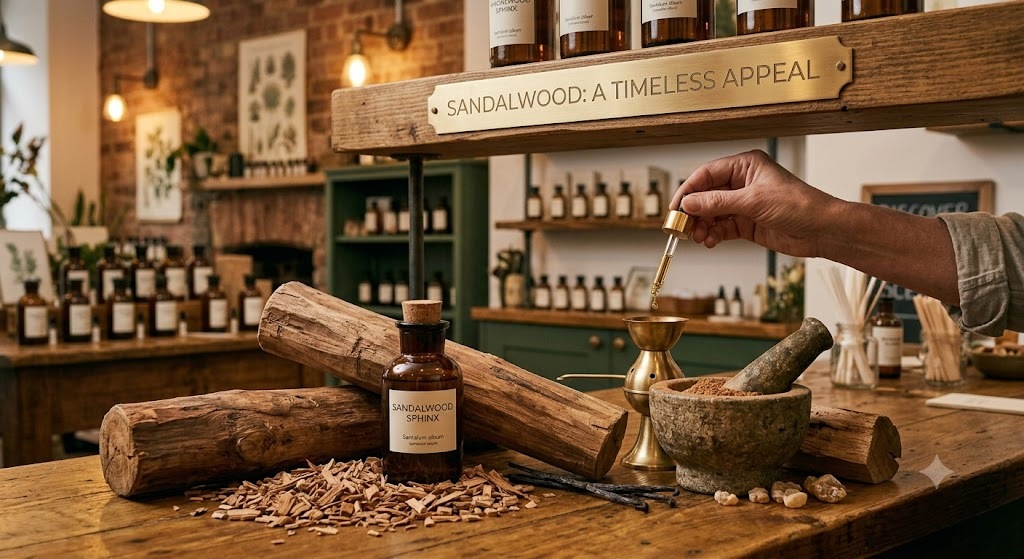
Historically, true Mysore sandalwood from India set the gold standard for luxury scent profiles. However, due to severe over-harvesting and strict ecological protections, modern perfumers now rely on sustainably sourced Australian sandalwood and highly sophisticated synthetic alternatives to create that signature creamy sandalwood fragrance we all love.
The Absolute Best Sandalwood Perfumes
Let’s get straight to the point and explore the elite fragrances that put this beautiful wood on full display. We have carefully selected three distinct masterpieces that showcase the sheer versatility of the note, ranging from deeply dry and academic to ultra-smooth and sweet.
Le Labo Santal 33
You simply cannot discuss the best sandalwood perfumes without mentioning the fragrance that defined an entire generation of scent lovers. Le Labo Santal 33 is a bona fide cult classic for a reason. It strips away the traditional heavy sweetness often associated with amber bases and instead opts for a dry, crisp, and linear interpretation of wood.
When you first spray Santal 33, you are greeted by an intriguing mix of violet, cardamom, and leather. As it settles onto the skin, the papery texture of cedarwood merges seamlessly with a deeply aromatic, slightly smoky sandalwood base. It evokes the feeling of walking into an old, sunlit library or sitting near an open campfire in the American West.
This formulation boasts an incredible concentration of oil, meaning it leaves an unforgettable fragrance trail wherever you walk. If you love unisex fragrances that feel modern, artistic, and entirely distinct from mass-market floral scents, this bottle deserves a permanent spot on your vanity.
Tom Ford Santal Blush
If Santal 33 represents the rugged, texturized side of wood, Tom Ford Santal Blush sits on the opposite end of the spectrum as an expression of pure, unfiltered luxury. This juice is incredibly smooth, spicy, and texturally velvety, making it an exceptional choice for glamorous evening wear or intimate date nights.
Santal Blush highlights the inherently exotic nature of the ingredient by pairing it with a complex blend of cinnamon, cumin, and fenugreek in the opening. The heart reveals a beautiful, soft floral arrangement of ylang-ylang and jasmine, which prevents the heavy wood notes from feeling overly masculine or dense.
The dry down is where the true magic happens. The base shifts into a wonderfully rich, warm, and creamy texture thanks to a generous dose of benzoin and musk. It wraps around the skin like a plush cashmere sweater, radiating a soft warmth that feels effortlessly elegant and deeply sensual. Byredo Gypsy Water
For those who prefer their woody notes to feel airy, breezy, and bright rather than heavy and dark, Byredo Gypsy Water is an absolute revelation. This fragrance beautifully reimagines how a classic long lasting sandalwood perfume can function as a fresh, everyday signature scent.
The fragrance opens with a brilliant, sparkling burst of juniper berries, fresh lemon, and pepper. This initial brightness gently gives way to an aromatic heart of pine needles and incense, adding a beautiful outdoor freshness. The base stabilizes the entire composition with a soft mix of amber, sweet vanilla, and a beautiful, gentle sandalwood.
Gypsy Water is the ultimate pick for anyone who finds traditional woody fragrances a bit too suffocating or intense. It wears close to the skin, offering an incredibly clean, comforting aura that transitions flawlessly from casual office meetings to relaxed weekend brunches.
How to Maximize the Longevity of Your Scent
Investing in a luxury fragrance is an exciting experience, but it can be highly frustrating if your favorite notes seem to evaporate into thin air after just an hour or two. Because woody molecules are physically larger and heavier, they inherently last longer than citrus or floral notes, but you can still use specific techniques to extend their lifespan.
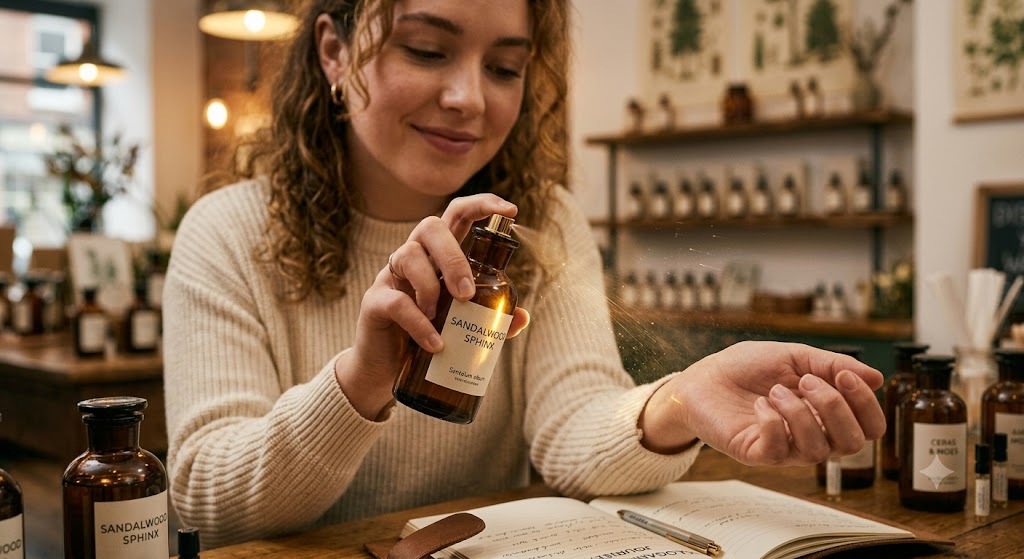
To get the most out of your collection, follow this simple, foolproof application sequence before you step out the door:
1.Hydrate the skin thoroughly:Immediately post-shower.
Fragrance requires moisture to anchor itself to your body. Apply a completely fragrance-free lotion or a thin layer of cosmetic petroleum jelly directly to your target application points to create a moisture barrier.
2.Target your primary pulse points:Maintain a 6-inch distance.
Spray your selected perfume from about six inches away directly onto your wrists, the base of your throat, and right behind your ears. These warm areas naturally amplify the scent profile throughout the day.
3.Allow the fragrance to air dry completely:Do not rub your wrists.
Resist the strong urge to rub your wrists together after spraying. Rubbing creates friction and heat, which prematurely breaks down the delicate top notes and alters the intended evolution of the scent.
Common Myths About Woody Fragrances
Because the fragrance community is incredibly passionate, a massive amount of misinformation spreads online regarding how woody ingredients are sourced and utilized. Let’s take a moment to debunk two of the most pervasive myths floating around the internet today.
The first major myth is that synthetic fragrance molecules are inherently inferior to natural essential oils. In reality, modern green chemistry has allowed laboratories to create incredibly complex synthetic molecules like Javanol and Sandalore. These molecules mimic the exact olfactory texture of rare wood while offering far superior projection and zero environmental harm.
Another common misconception is that the best sandalwood perfumes are exclusively meant to be worn during the freezing cold autumn and winter months. While these warm profiles certainly shine in crisp weather, their creamy, milky qualities bloom beautifully under the summer sun when paired with fresh top notes like bergamot, coconut, or marine accords.
Pro Tips for Creative Fragrance Layering
If you truly want to stand out from the crowd, you can use your woody perfumes as a solid structural base to create a completely custom, signature olfactory blend. Sandalwood acts as a beautiful canvas because its milky creaminess can soften sharp edges and add immense depth to lighter formulas.
Try layering a heavy, woody base with a bright, sparkling citrus eau de cologne to create a beautiful, sun-drenched daytime aesthetic. Alternatively, you can combine your wood notes with a sweet vanilla or gourmand fragrance to amp up the overall richness and create an irresistible, dessert-like trail.
Pro Tip: When layering two distinct fragrances, always spray the heavier, wood-dominated scent first. Allow it to sit on your skin for about two minutes to dry down slightly before misting your lighter floral or citrus fragrance directly on top.
Finding Your Perfect Signature Wood Scents
Ultimately, selecting the right bottle comes down to understanding how a fragrance interacts with your unique skin chemistry. A perfume that smells incredibly dry and papery on a paper blotter might transform into a deeply sweet, ambery masterpiece the moment it warms up on your wrist.

Before purchasing a full luxury bottle, always try to secure a small sample vial to test the longevity and sillage over the course of a full day. Look for balanced compositions that offer high-quality structural support, ensuring your investment brings you joy for years to come.
Conclusion
Finding the best sandalwood perfumes is an absolute game-changer for anyone looking to build a timeless, sophisticated, and deeply comforting fragrance wardrobe. Whether you gravitate toward the dry, intellectual leather notes of Le Labo Santal 33, the opulent spice of Tom Ford Santal Blush, or the bright, outdoor freshness of Byredo Gypsy Water, there is a perfect bottle out there waiting for you.
Remember to care for your skin, apply your scents strategically to warm pulse points, and don’t be afraid to experiment with creative layering combinations to make the scent completely your own. The world of fine perfumery is all about personal expression and enjoying the sensory journey.
Did you find this helpful? Drop a comment below or share this with a fellow fragrance lover!
Frequently Asked Questions
Q1: What does a classic sandalwood perfume smell like?
A: A high-quality sandalwood perfume typically features a deeply warm, rich, and woody core characterized by a unique, milky creaminess. Unlike sharp cedarwood or smoky oud, it delivers a smooth, comforting, and almost buttery texture. It frequently anchors top notes of exotic spices, delicate florals, sweet vanilla, or earthy musks to create a well-rounded and sophisticated fragrance profile.
Q2: Why are high-quality sandalwood perfumes so expensive?
A: True natural sandalwood requires the host tree to grow for a minimum of 30 to 40 years before the heartwood develops enough concentrated aromatic oil for extraction. Because of historical over-harvesting, natural global supplies are strictly protected and limited, driving up raw material costs significantly for luxury houses that use genuine botanical extracts.
Q3: Is sandalwood a masculine or feminine fragrance note?
A: Sandalwood is completely gender-neutral and serves as an incredibly popular base note in both masculine and feminine marketing. Its ultimate olfactory direction depends entirely on the supporting ingredients. When blended with soft florals or sweet vanilla, it leans traditionally feminine, while pairings with leather, tobacco, or dark spices skew more masculine.
Q4: Can I wear a heavy sandalwood perfume during the summer?
A: You can absolutely enjoy these beautiful woody notes during the summer months. The key secret is to look for lighter formulations that balance the heavy woody base with bright, effervescent top notes like crisp lime, green bergamot, fresh mint, or salty marine accords, which prevent the scent from feeling suffocating in high humidity.
Q5: What is the difference between Australian and East Indian sandalwood?
A: East Indian sandalwood (Santalum album) delivers the classic, ultra-creamy, smooth, and deeply sweet aroma historically prized in fine perfumery. Australian sandalwood (Santalum spicatum) tends to possess a much sharper, fresher, and distinctly greener or woodier profile. Both offer incredible structural longevity but project very different initial artistic moods.
Q6: What specific perfume notes pair best with a sandalwood base?
A: Sandalwood acts as an exceptional structural foundation for a vast array of ingredients. It pairs beautifully with warm spices like cardamom, cinnamon, and black pepper. It also creates stunning olfactory contrasts when combined with rich jasmine, dark patchouli, creamy vanilla, golden amber, or bright, uplifting citrus fruits like bergamot and grapefruit.