

What you’ll learn
- The definition of a soliflore fragrance and how it differs from complex blends
- Why single-note perfumes are experiencing a massive modern renaissance
- How to choose, wear, and layer soliflore scents like a professional
- Top luxury and niche soliflore perfumes to add to your collection immediately
Introduction
Imagine stepping into a sun-drenched greenhouse where every single blossom in the air belongs to just one flower—say, a heavy, velvet-petaled damask rose in full bloom. There are no distracting spices, no competing tropical fruits, and no heavy amber bases hiding beneath the petals. Just pure, unadulterated botanical beauty.
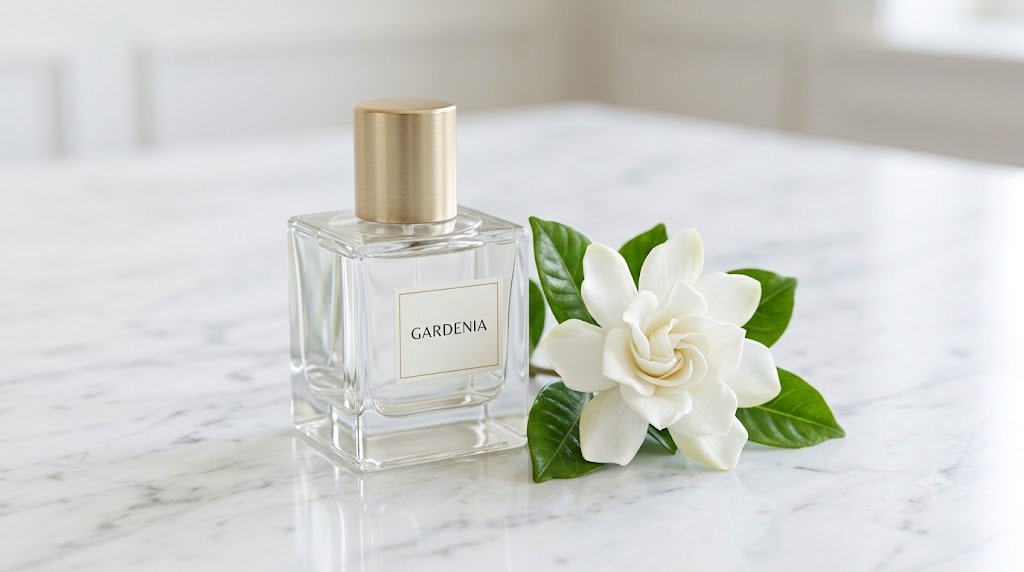
If you have ever wondered what is a soliflore perfume, you are already stepping into one of the most elegant, minimalist movements in modern fragrance. Derived from the French words for “single” (seul) and “flower” (fleur), a soliflore is a perfume designed to spotlight one specific floral note from top to base.
While the fragrance industry spent decades pushing mega-blends featuring fifty ingredients or more, noses everywhere are stripping away the noise. Let’s dive in.
The Art and Origins of Single-Note Fragrances
To truly appreciate the soliflore, you have to look back at the history of perfumery. Long before chemists synthesized complex aroma-chemicals, early perfumers attempted to bottle the exact scent of nature’s most fleeting blossoms. Recreating a realistic lily-of-the-valley or violet without modern headspace technology was an act of pure alchemy.
Today, a soliflore is much more than a simple linear extract; it is a masterclass in raw material sourcing and technical restraint. Perfumers use a combination of natural absolutes, high-grade essential oils, and modern captive notes to capture every facet of a flower—from the green, dewy snap of its stem to the honeyed warmth of its fully opened petals.
Why Soliflore Fragrances Are Dominating the Market Today
The modern fragrance landscape is shifting rapidly. Consumers are experiencing olfactory fatigue from ultra-sweet, sugary gourmands and heavy, room-filling synthetics. Here is why single-note perfumes are having an undeniable moment right now.
The Craving for Transparency and Simplicity
Modern buyers care deeply about ingredient transparency, clean beauty aesthetics, and intentional living. A soliflore offers an honest, back-to-basics approach to scent creation. You know exactly what you are smelling, whether it is crisp French lavender, creamy tuberose, or bright orange blossom. This radical simplicity feels refreshing in a crowded marketplace.
The Rise of Layering and Customization
Perfume lovers no longer want to smell like everyone else; they want to curate a signature aura. Soliflores serve as the ultimate building blocks in a modern wardrobe. You can wear a pristine jasmine soliflore on its own for effortless daytime elegance, or layer it over a woody base to create a bespoke evening scent that belongs entirely to you.
Technological Breakthroughs in Extraction
Creating a soliflore used to mean dealing with flat or harsh representations of delicate flowers. Thanks to advanced headspace technology and green chemistry, modern perfumers can capture the exact chemical signature of a living flower without destroying it in a processing vat. The result? Ultra-realistic floral profiles that smell dewy, fresh, and alive on the skin.
How to Choose and Wear a Soliflore Perfume
Incorporating a soliflore into your daily rotation requires a slightly different approach than wearing a traditional multi-layered perfume. Follow these practical steps to get the most out of your single-note bottles.
- Identify Your Core Floral Preference: Decide whether you lean toward clean whites (jasmine, tuberose, neroli), powdery florals (violet, iris), or romantic blooms (rose, peony).
- Test on Skin, Not Blotters: Soliflores rely heavily on your personal body chemistry to develop. A rose soliflore that smells jammy on a paper strip might turn wonderfully green and crisp on your skin.
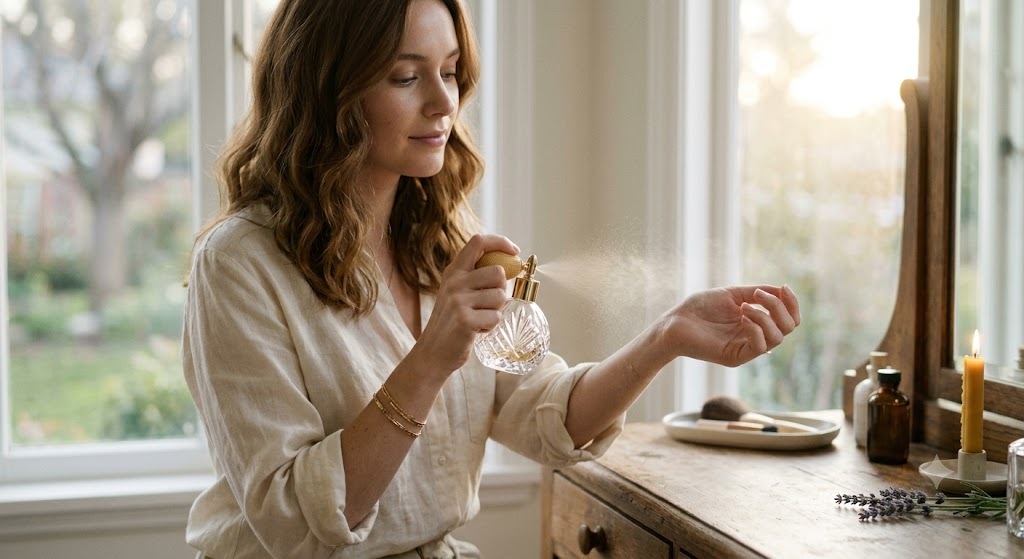
- Practice Strategic Layering: Apply your soliflore directly after an unscented body lotion or over a light oil base to lock in volatile top notes that typically fade quickly.
- Experiment with Combinations: Spray a clean muguet (lily-of-the-valley) on one wrist and a warm vanilla or musk on the other to create a personalized depth that feels multidimensional.
Common Myths About Soliflore Perfumes
Despite their growing popularity, several misconceptions still surround single-note fragrances. Clearing these up will help you appreciate their true craftsmanship.
1: Single-Note Means Simple or Boring
Many people assume that because a fragrance focuses on only one flower, it lacks complexity. In reality, creating a compelling soliflore is exceptionally difficult. A master perfumer must build illusion and depth using supporting notes—like citrus top notes for sparkle or green stems for realism—so the perfume evolves over time rather than staying flat.
2: Soliflores Have Terrible Longevity
Because floral notes are often perceived as light, critics claim they disappear within minutes. While delicate citrus-florals or water lilies fade quickly, soliflores built around indolic white florals like tuberose or heavy resins like rose absolute can easily last all day on skin and fabrics.
Myth 3: They Can Only Be Worn in the Spring
While blooming florals feel natural during spring and summer, rich soliflores like dark rose, spicy carnation, or narcotic jasmine carry immense warmth and depth, making them striking and sensual choices for cold autumn and winter nights.
Expert Tips for Elevating Your Soliflore Experience
Building a world-class fragrance collection takes time, but mastering soliflores gives you incredible versatility. According to industry data, consumer interest in transparent, single-origin botanical scents has risen steadily over the past few years, driven by niche houses prioritizing sustainable farming.
When selecting a high-end soliflore, look to legendary houses that specialize in botanical isolation. Iconic examples include Frederic Malle’s Portrait of a Lady (for rose mastery), Diptyque’s Olene (for crisp wisteria and jasmine), or Serge Lutens’ Sa Majesté la Rose.
For more inspiration on building a versatile fragrance wardrobe, check out our guide on.
Summary and Final Recommendations
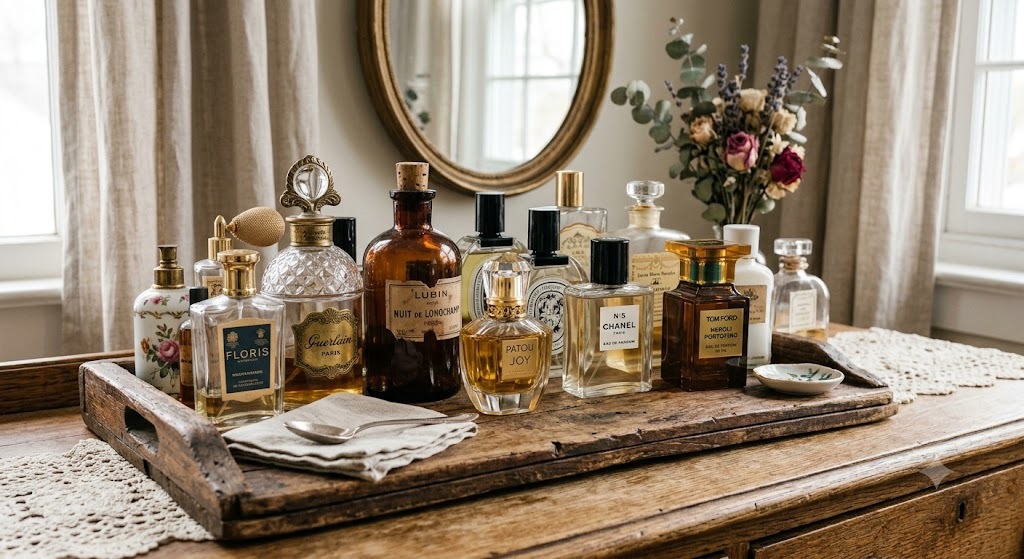
The soliflore movement represents a return to the pure poetry of perfumery. By stripping away unnecessary additives, these fragrances allow us to connect deeply with individual botanical notes. Whether you want to channel crisp morning greens or sultry evening blooms, adding a high-quality soliflore to your vanity provides unmatched versatility and timeless elegance.
Conclusion
Understanding what is a soliflore perfume opens the door to a more intentional, customizable, and poetic relationship with your fragrance collection. Instead of relying on crowded, pre-packaged scent profiles, you get to celebrate the pure, unmasked beauty of nature’s finest blossoms. Embrace the simplicity, experiment with layering, and let a single note speak volumes.
Did you find this helpful? Drop a comment below or share this with a fellow fragrance lover!
Frequently Asked Questions
Q1: What is a soliflore perfume in simple terms? A: A soliflore perfume is a fragrance built around a single, dominant floral note, such as rose, jasmine, or lavender. Instead of a complex, evolving blend of multiple scent families, a soliflore highlights the pure characteristics of one specific flower from the opening spray down to the final dry-down.
Q2: Are soliflore perfumes long-lasting? A: Longevity depends entirely on the specific flower used and the concentration of the formula. Heavy, rich flowers like tuberose, rose, and orange blossom tend to last for hours on skin, while lighter, aquatic florals like violet leaf or lily-of-the-valley may require reapplication throughout the day.
Q3: Can I layer a soliflore perfume with other fragrances? A: Absolutely. Soliflores serve as exceptional layering tools because their clean, focused profiles do not clash with other scents. You can layer a rose soliflore over a woody base or mix jasmine with vanilla to create a custom signature scent unique to you.
Q4: What are some famous examples of soliflore perfumes? A: Classic and modern examples include Diptyque Olene (focused on wisteria and jasmine), Jo Malone Red Roses, Serge Lutens Sa Majesté la Rose, and Gucci Flora Gorgeous Gardenia. These houses highlight individual petals with remarkable clarity and artistic precision.
Q5: Do soliflore fragrances smell artificial? A: Not necessarily. While synthetic aroma-chemicals are often used to stabilize volatile floral notes or mimic flowers that cannot yield natural oil (like lily-of-the-valley), high-end niche soliflores utilize advanced extraction methods to smell remarkably dewy, fresh, and true to nature.
Q6: Are soliflore perfumes only meant for women? A: Fragrance has no gender boundaries. Many soliflores featuring deep rose, earthy iris, or aromatic lavender lean completely unisex, offering an exceptionally sophisticated and grounded aroma that appeals to all perfume enthusiasts regardless of gender.
Pingback: How Fragrance Houses Create New Perfumes — Behind the Scenes - fragrantip