
What you’ll learn
- What benzyl alcohol actually is and why perfumers rely on it for complex floral and sweet notes.
- The exact regulatory limits and safety standards governing its use in global cosmetics and luxury fragrances.
- How to identify if your skin is sensitive to this ingredient and check your favorite designer bottles.
- Smart shopping strategies to choose safe, high-performing scents without unnecessary irritation.
Introduction
Picture this: you unbox a brand-new, luxury designer bottle, spray that gorgeous initial cloud of crisp citrus and warm amber onto your pulse points, and immediately fall head over heels. Fragrance is pure magic, capturing memories, emotions, and personal style in a single glass bottle. Yet, if you flip over the sleek box and read the fine print ingredients list, you might stumble upon a chemical name that sounds a little intimidating: What Is Benzyl Alcohol in Perfume really, and why is it sitting right next to your favorite natural essential oils?
When diving into the fascinating world of niche and designer perfumery, understanding what goes onto your skin matters just as much as how the scent evolves through the dry-down. While chemical names can spark unnecessary panic, transparency is your best friend when curating a signature scent wardrobe. Let’s dive in.
The Chemistry Behind the Scent
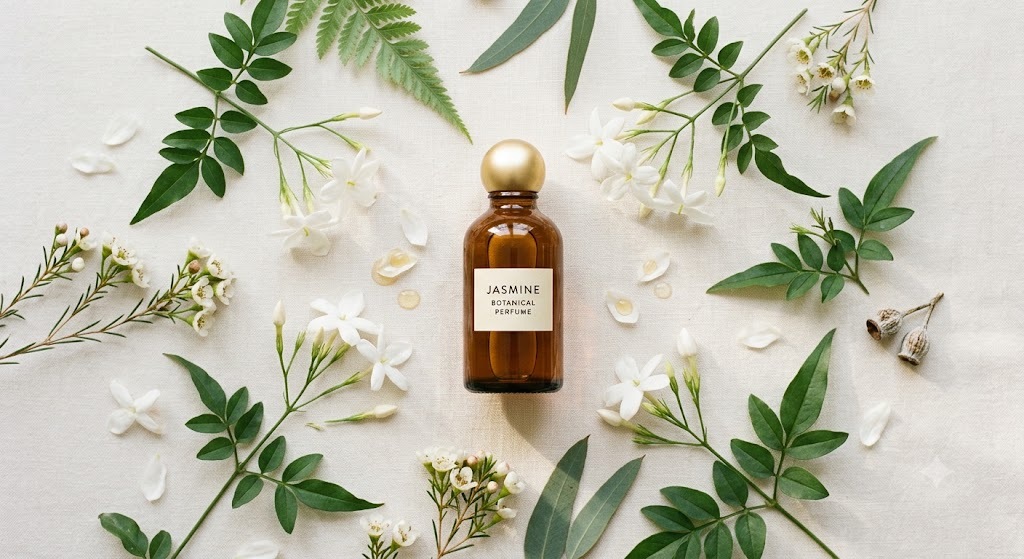
To truly understand what is benzyl alcohol in perfume, we need to look at how modern and traditional perfumery operate behind the scenes. Benzyl alcohol is an aromatic alcohol naturally found in a wide array of plants, flowers, and fruits, including jasmine, hyacinth, ylang-ylang, and even teas and apricots. Because extracting it purely from natural sources is often costly and resource-heavy, perfumers frequently utilize lab-synthesized versions that possess the exact same molecular structure.
In the global fragrance market, this compound acts as a silent worker. According to data from the International Fragrance Association (IFRA), aromatic alcohols serve foundational roles across thousands of commercial formulations. They stabilize volatile top notes, prevent bacterial growth, and act as incredible blending agents that smooth out sharp edges in complex formulations.
Why Formulators Love Benzyl Alcohol
The reason you find this ingredient in everything from fresh aquatic sprays to heavy, gourmand winter perfumes comes down to its incredible versatility. Formulators rely on it for several distinct chemical and sensory reasons that elevate the final product.
Solvent and Carrier Properties
Perfume oils are concentrated, thick extracts that do not easily mix uniformly into alcohol and water bases on their own. Benzyl alcohol excels as an organic solvent, dissolving various resinous oils, absolutes, and synthetic aroma chemicals cleanly. This ensures every single spray from your bottle delivers an identical, consistent ratio of notes from the first spritz to the very last drop.
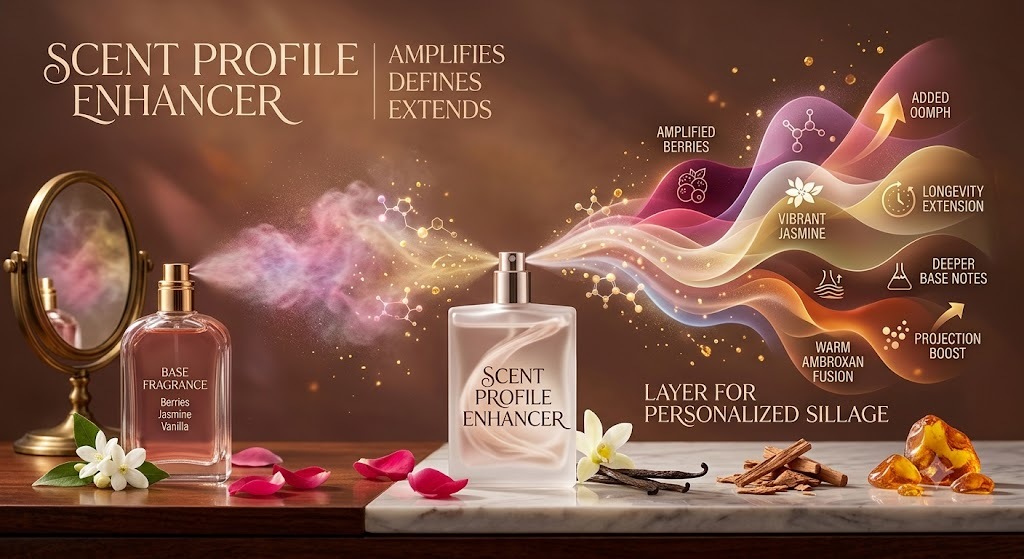
Scent Profile Enhancer
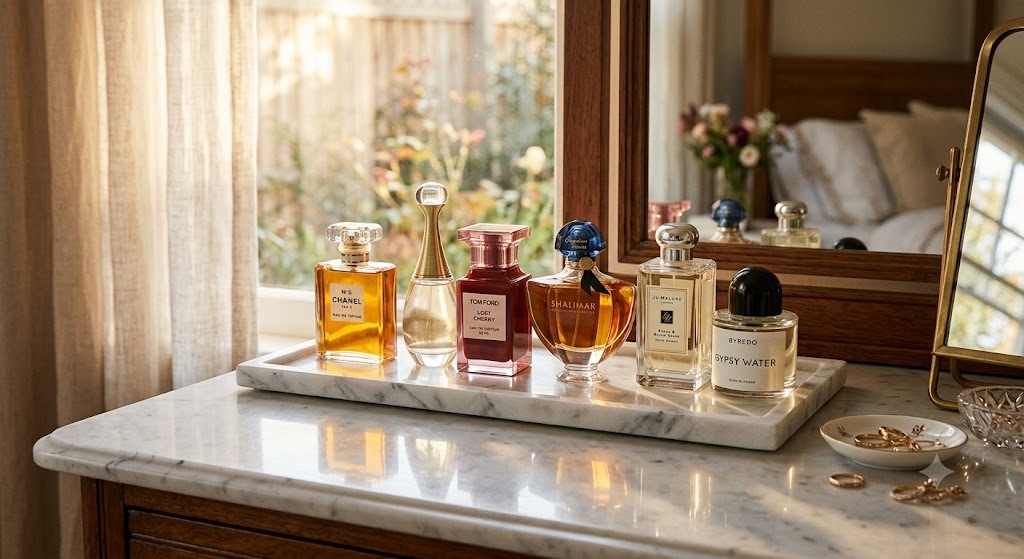
Beyond its functional mechanics, this ingredient brings a subtle, pleasant sensory contribution to the composition. It possesses a very faint, mild, sweet-balsamic odor that complements floral accords effortlessly. When you smell the opulent, heady sweetness of a luxury jasmine or gardenia perfume like Dior J’adore or Gucci Bloom, components like this help bridge the gap between heavy florals and lighter citrus notes.
Preservative and Stabilizer Support
Modern perfumes contain water, natural extracts, and alcohol, all of which can degrade or breed microbes if left unprotected. While high ethanol content handles most preservation, compounds like this provide secondary antimicrobial support. They safeguard the product’s integrity over years of vanity display, ensuring your expensive juice doesn’t spoil or discolor prematurely.
How to Check and Manage Your Perfume Exposure
Navigating fragrance ingredients requires a practical approach rather than blind fear. If you want to wear your favorite scents safely while protecting your skin barrier, follow these actionable steps.
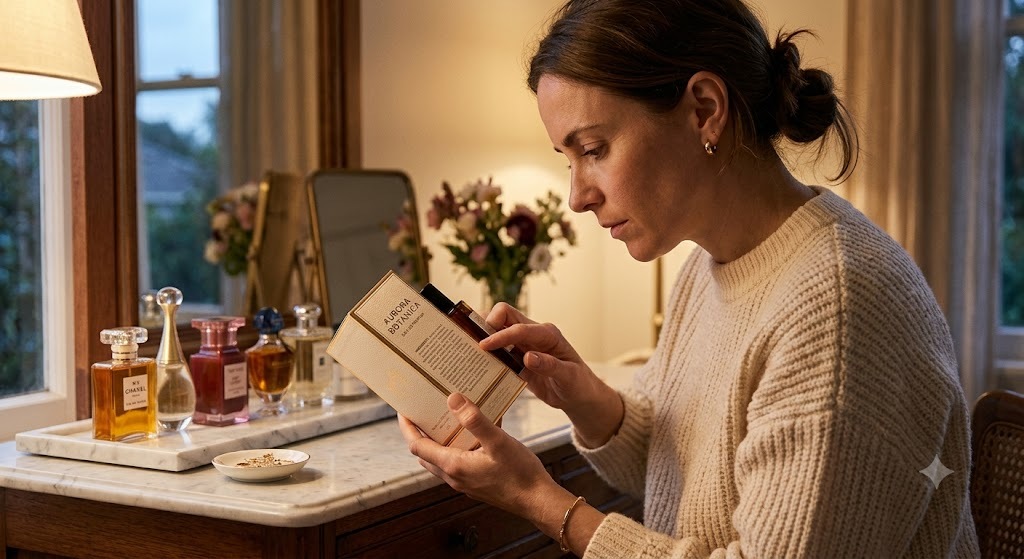
- Inspect the Packaging: Turn your perfume boxes around and check the mandatory ingredient disclosure list, typically found near the bottom or side flap.
- Look for EU Allergan Declarations: In regions like the European Union, regulations require brands to explicitly list common allergens like benzyl alcohol if they exceed specific thresholds (0.001% in leave-on products, 0.01% in rinse-off).
- Perform a Patch Test: Spray a new fragrance onto the inner crook of your elbow instead of your neck or wrists first. Wait 24 hours to monitor for any redness, itching, or contact dermatitis.
- Spray on Fabric Instead of Skin: If you know you have reactive skin, spray your favorite juice onto your scarf, jacket lining, or collar instead of bare pulse points to enjoy the sillage without direct dermal contact.
Common Myths About Fragrance Chemicals
The beauty community is filled with well-meaning misinformation regarding synthetic and natural chemicals. Let’s clear up some widespread misconceptions.
One persistent myth claims that any chemical name ending in “-ol” is a drying, harsh rubbing alcohol that will instantly strip your skin. In reality, chemical naming conventions in organic chemistry cover thousands of distinct molecules; aromatic alcohols like benzyl alcohol function entirely differently on skin compared to denatured ethanol or isopropyl alcohol.
Another frequent misconception is that “natural equals completely safe while synthetic equals toxic.” Poison ivy and natural essential oils like citrus bergamot can cause severe contact dermatitis or phototoxicity, whereas strictly controlled lab-created ingredients are often purified and tested rigorously for safety under strict international guidelines.
Expert Tips for Fragrance Safety
Building a sophisticated perfume collection means prioritizing both sensory pleasure and skin health. Experienced fragrance enthusiasts know that moderation and proper storage are key to avoiding unwanted reactions.
Always store your fragrance bottles in cool, dark environments away from direct sunlight and bathroom humidity. Heat and UV rays break down aromatic compounds over time, causing delicate molecules to oxidize and potentially turn irritating to sensitive skin types. If you want to explore more about maintaining your collection, check out our guide on.
Furthermore, remember that concentration matters. Eau de Parfum and Extrait concentrations contain higher percentages of aromatic compounds and carrier substances than light Eau de Colognes or body mists, meaning sensitive individuals should apply them more sparingly.
Summary and Final Takeaway
Understanding what is benzyl alcohol in perfume empowers you to make informed, confident choices about the products you spray on your body every day. Far from being a hidden toxin, it is a well-researched, highly functional ingredient utilized by master perfumers to ensure stability, smooth blending, and gorgeous floral nuances.
While individuals with known contact allergies should exercise caution and patch-test new purchases, the average fragrance lover can enjoy their favorite luxury and niche scents safely and worry-free.
Conclusion
Stepping into the intricate world of perfumery opens up an exciting sensory journey filled with art, chemistry, and history. Knowing what goes into your favorite bottles lets you appreciate the craftsmanship even more deeply. Armed with the facts about common ingredients, you can build a stunning, diverse scent wardrobe with complete peace of mind. Did you find this helpful? Drop a comment below or share this with a fellow fragrance lover!
Frequently Asked Questions
Q1: What is benzyl alcohol in perfume used for? A: Benzyl alcohol is a multi-functional ingredient used primarily as a solvent to dissolve concentrated perfume oils, a preservative booster to maintain formula stability, and a fixative that subtly enhances sweet floral notes like jasmine and ylang-ylang.
Q2: Is benzyl alcohol safe for sensitive skin? A: For most people, it is entirely safe in the low concentrations found in fine fragrances. However, it is a recognized EU fragrance allergen, meaning individuals with specific chemical sensitivities or eczema may experience mild contact dermatitis and should always patch-test first.
Q3: Is benzyl alcohol the same thing as rubbing alcohol? A: No. While both belong to the alcohol family in chemistry, rubbing alcohol is typically isopropyl or denatured ethanol used for disinfection and quick evaporation, whereas benzyl alcohol is an aromatic alcohol with a pleasant, faint balsamic scent.
Q4: Why do brands have to list benzyl alcohol on perfume labels? A: Regulatory bodies, such as the European Union cosmetics regulations, require manufacturers to explicitly list specific known contact allergens on product packaging so consumers with sensitivities can make informed purchasing decisions.
Q5: Can I find perfumes that are completely free of benzyl alcohol? A: Yes, many clean beauty brands and specialty houses formulate specifically without synthetic or restricted fragrance allergens, often utilizing simplified formulas or 100% natural botanical isolates, though you must always check individual brand ingredient disclosures.
Q6: Does natural perfume contain benzyl alcohol? A: Yes, naturally. Benzyl alcohol occurs organically in many high-end natural raw materials used in perfumery, including absolute oils extracted from jasmine, hyacinth, neroli, and various fruits, meaning even natural perfumes can feature it naturally.