
What you’ll learn
- The fundamental chemical and sourcing differences between natural and synthetic notes
- How longevity, projection, and skin safety compare across both categories
- Why modern perfumery relies on a harmonious blend of botanical extracts and lab-created molecules
- How to choose the right fragrance style for your personal skin chemistry and lifestyle
Introduction (150–200 words)
Spray a bottle of luxury perfume on your pulse points, and you enter a magical world crafted from thousands of hidden components. The debate surrounding natural vs synthetic fragrance ingredients sparks passionate arguments among perfumers, clean beauty advocates, and everyday fragrance lovers alike. You might assume that 100% natural oils always reign supreme over modern laboratory creations, but the reality of modern perfumery is far more nuanced, fascinating, and complex than mere marketing labels suggest.
Behind every gorgeous bottle sits a meticulous balancing act between Earth’s ancient botanicals and cutting-edge aroma chemistry. Understanding what actually goes into your favorite eau de parfum changes how you shop, wear, and appreciate scent forever. Whether you crave the dewy green rush of freshly crushed rose petals or the hyper-realistic warmth of clean laundry and ambergris, knowing your ingredients empowers smarter choices. Let’s dive in.
The Evolution of Modern Perfumery
For centuries, humanity relied exclusively on Mother Nature to bottle beauty. Ancient Egyptians infused oils with lotus flowers, resins, and myrrh, while traditional French perfumers harvested fields of lavender and jasmine under the Mediterranean sun. However, the perfume industry revolutionized forever in the late 19th century with the synthesis of molecules like coumarin and vanillin. This monumental shift broke the physical limits of botanical extraction, allowing perfumers to capture scents that refuse to yield essential oils naturally, such as lily of the valley, lilac, and fresh sea air.
Today, the fragrance industry generates billions of dollars annually, relying heavily on aroma chemistry to maintain consistency, protect endangered ecosystems, and lower production costs. According to market data from the global fragrance sector, over 90% of modern commercial formulations incorporate synthetic compounds alongside natural extracts. This fusion prevents environmental over-harvesting—such as the near-extinction of Indian sandalwood—while unlocking breathtaking creative dimensions that raw nature alone could never achieve.
Comparing Natural and Synthetic Fragrance Ingredients
Evaluating botanical extracts versus laboratory-created molecules requires a close look at how each category performs on the skin, impacts the environment, and shapes scent profiles.
Scent Complexity and Evolution
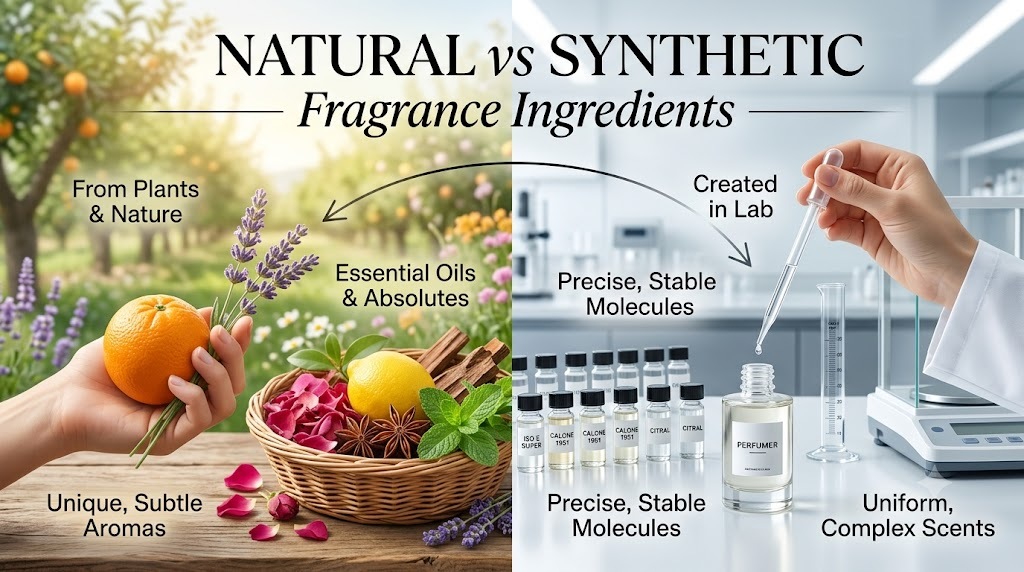
Natural ingredients feature complex, living profiles composed of hundreds of individual chemical compounds. When you spray a pure rose absolute, it shifts, breathes, and evolves on your skin across several hours, revealing subtle green, honeyed, and spicy nuances. Synthetics, by contrast, isolate specific target molecules. While individual aroma chemicals can smell linear or sharp on their own, master perfumers use them to build architectural stability, anchoring volatile top notes so your favorite citrus splash actually lingers past lunch.
Longevity and Projection
Physics dictates that natural molecules are often heavy and volatile, meaning zesty top notes like bergamot or lemon evaporate rapidly in warm weather. Synthetic fixatives and heavy aroma molecules—like Iso E Super, Ambroxan, or Hedione—project massively and cling to fabric for days. If you demand beast-mode performance from your signature scent, synthetics usually deliver superior staying power compared to delicate, purely botanical formulations that require frequent reapplication.
Safety, Allergies, and Skin Chemistry
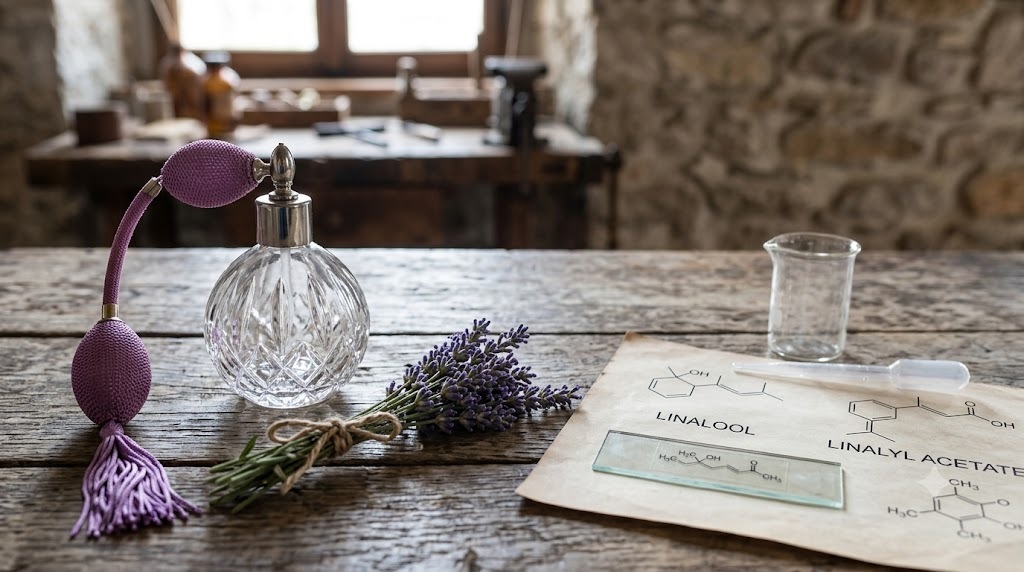
A common misconception dictates that natural automatically equals safe, while synthetic means toxic. In reality, botanical essential oils contain powerful, complex allergens like linalool, geraniol, and eugenol, which frequently trigger contact dermatitis or sensitivity in delicate skin types. Reputable synthetic ingredients, regulated rigorously by organizations like IFRA (International Fragrance Association), undergo intense safety testing to ensure purity, stability, and minimized allergen profiles for sensitive wearers.
How to Choose the Right Fragrance Profile for You
Navigating the vast landscape of niche and designer perfumes becomes effortless when you adopt a strategic approach to ingredient selection based on your personal values, skin type, and wearing habits.
- Assess your skin sensitivity: If you experience frequent rashes or eczema flare-ups from traditional perfumes, explore hypoallergenic synthetic formulas or certified organic botanical perfumes featuring minimal allergen listings.
- Define your performance needs: If you want a subtle, aromatherapy-style skin scent that fades gracefully by afternoon, lean toward natural botanical oils. If you require 12-hour office longevity, seek out modern molecular compositions.
- Examine brand transparency: Look for niche houses like Le Labo, Byredo, or clean brands like Henry Rose that clearly disclose their ingredient sourcing, allergen filtering, and safety compliance standards.
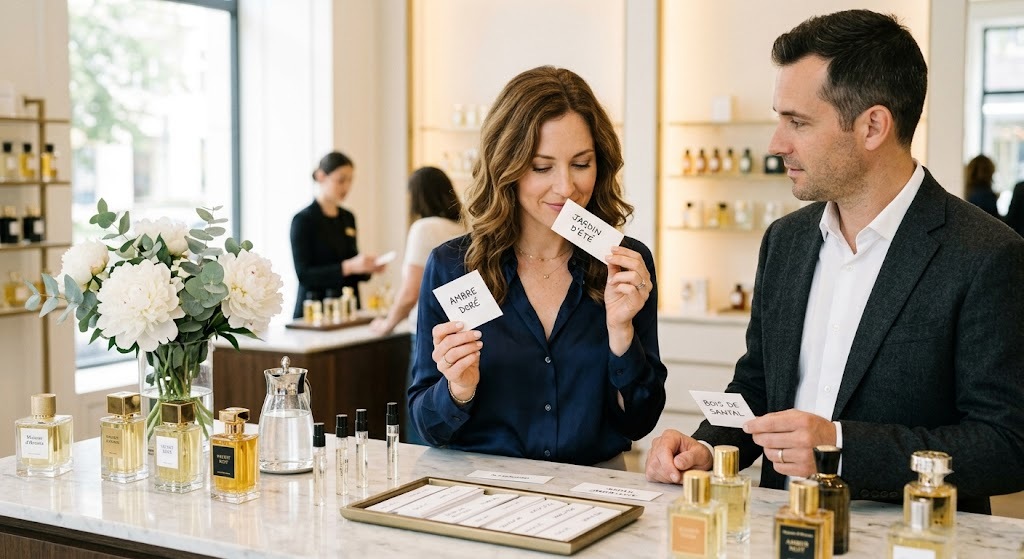
- Test on skin, not paper: Spray potential choices directly onto your pulse points and wait at least two hours. Notice how natural notes melt into your unique skin chemistry compared to high-projection synthetic blends.
- Consider environmental impact: Recognize that while synthetics save endangered plants, certain petro-derived molecules lack biodegradability. Look for upcycled synthetic ingredients produced via green chemistry.
Common Myths About Perfume Ingredients
Misinformation runs rampant in the beauty community regarding what goes into a fragrance bottle. Let’s debunk the most persistent myths surrounding natural vs synthetic fragrance ingredients.
The first major myth claims that natural perfumes are always eco-friendly. Harvesting millions of delicate blossoms to produce a tiny fraction of pure essential oil can actually demand staggering amounts of land, water, and labor, sometimes rivaling the environmental footprint of efficient laboratory synthesis.
Another widespread fallacy states that synthetic fragrances are entirely composed of toxic chemicals. Every substance on Earth—including pure water and organic lavender oil—consists of chemicals. Well-designed aroma molecules undergo extensive toxicological screening, and many clean synthetic ingredients are actually bio-derived through biotechnology and fermentation rather than crude oil refining.
Finally, many believe that expensive perfumes contain 100% natural oils while cheap ones use synthetics. Price points reflect brand marketing, luxury packaging, and rare botanical sourcing, but even the world’s most expensive Maison Francis Kurkdjian or Tom Ford masterpieces rely heavily on masterclass synthetic chemistry to achieve their iconic sillage and texture.
Expert Tips for Building a Balanced Fragrance Wardrobe
Curating a well-rounded fragrance collection means embracing the best of both worlds rather than choosing strict ideological sides. Master perfumers treat natural and synthetic ingredients like colors on an artist’s palette, blending rich botanicals with clean synthetics to achieve harmony, depth, and character.
Look for fragrances that highlight innovative green chemistry. Modern biotechnology now allows scientists to engineer identical natural molecules using yeast fermentation or sugarcane conversion, bypassing both destructive harvesting and petroleum reliance. For instance, sustainable vanillin or patchouli alternatives offer the exact luxurious profile of the natural plant without harming fragile rainforest ecosystems or local farming communities.
When storing your collection, keep both natural and synthetic-heavy bottles away from direct sunlight and fluctuating temperatures. Natural oils degrade rapidly when exposed to heat, while complex synthetic structures can break down over time, altering the top notes of your favorite investment bottles. For deeper insights into preservation, explore our guide on.
Summary and Final Recommendations
The ongoing debate over natural vs synthetic fragrance ingredients does not feature a single winner, because both styles serve distinct purposes in the art of perfumery. Naturals offer unmatched organic richness, soulful complexity, and a direct connection to botanical history. Synthetics provide incredible longevity, safety precision, environmental protection, and boundless creative horizons.
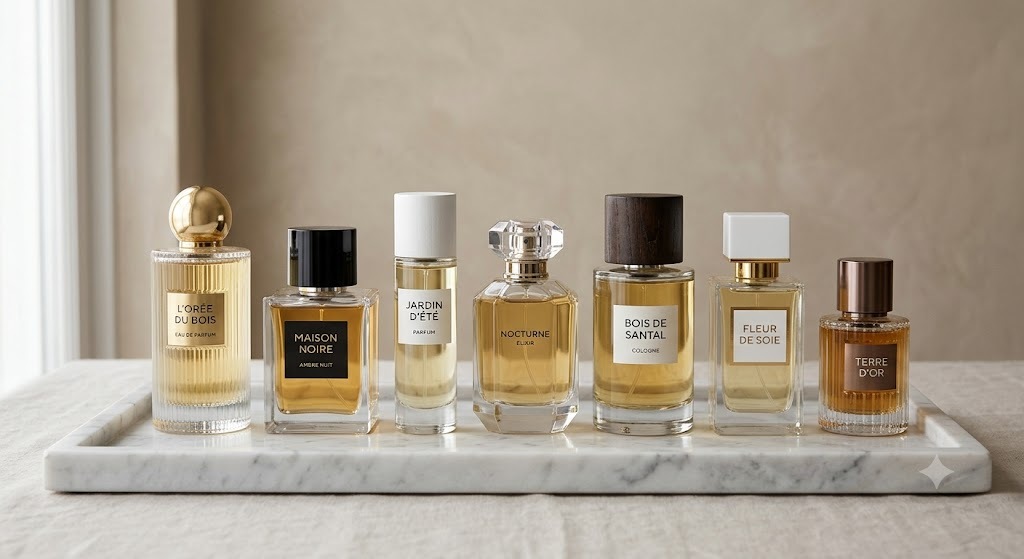
Embracing a balanced fragrance wardrobe allows you to enjoy the sparkling, dewy realism of a botanical citrus morning spray alongside the warm, magnetic amber-wood projection of a sophisticated evening synthetic masterpiece. Let your personal skin chemistry, lifestyle, and olfactory cravings guide your next bottle purchase.
Conclusion
Exploring the intricate balance between Earth-derived botanicals and laboratory-crafted molecules transforms perfume appreciation from a casual habit into an art form. Understanding the unique strengths of natural vs synthetic fragrance ingredients ensures you make informed, confident choices that align with your skin sensitivity, performance expectations, and personal ethics. Whether you fall in love with raw essential oils or revolutionary aroma chemistry, the right scent should always make you feel confident, beautiful, and uniquely yourself.
Did you find this helpful? Drop a comment below or share this with a fellow fragrance lover!
Frequently Asked Questions
Q1: What is the main difference between natural vs synthetic fragrance ingredients? A: Natural ingredients are extracted directly from plants, flowers, wood, and resins using methods like distillation or expression, offering complex, evolving scent profiles. Synthetic ingredients are created or isolated in a laboratory by chemists, providing hyper-consistent smells, superior longevity, and notes that cannot be extracted naturally, such as lily of the valley or aquatic accords.
Q2: Are synthetic fragrances toxic to wear on the skin? A: Not inherently. Reputable fragrance houses must comply with strict safety guidelines set by the International Fragrance Association (IFRA). While any chemical—natural or synthetic—can cause localized irritation or allergic reactions in sensitive individuals, government-regulated synthetic ingredients undergo rigorous dermatological testing to ensure they are safe for public consumer use.
Q3: Do natural perfumes last longer than synthetic perfumes? A: Generally, no. Natural essential oils tend to evaporate much faster because they lack the heavy, stable molecular structures found in modern synthetic fixatives. Synthetic ingredients like Iso E Super or Ambroxan are specifically engineered to anchor a perfume to your skin and clothing, offering significantly stronger projection and all-day longevity.
Q4: Why do some people prefer clean or all-natural perfumes? A: Many consumers prefer natural or clean formulas to avoid specific synthetic allergens, phthalates, or artificial colorants. Others appreciate the aromatherapy benefits of pure botanical essential oils and prefer supporting sustainable, organic farming practices used to harvest traditional perfume crops like French lavender and Grasse rose.
Q5: Are expensive designer perfumes made entirely of natural ingredients? A: No. High-end and luxury perfumes almost always combine high-grade natural extracts with advanced synthetics. Even the most prestigious niche fragrance houses rely on synthetic aroma chemicals to add stability, enhance sillage, protect endangered species from over-harvesting, and replicate notes that do not yield natural essential oils.
Q6: How can I tell if a perfume uses natural or synthetic ingredients? A: Check the brand’s official website, ingredient disclosure policy, or packaging details. Brands emphasizing natural ingredients will usually highlight certifications like organic, ISO 9235 compliance, or specific botanical percentages. However, all commercial perfumes legally list generic terms like “Parfum” or “Fragrance” on the outer box to protect proprietary trade formulas.
Best Colognes for College Guys: The Ultimate 2026 Campus Guide