What you’ll learn
- Why your current perfume storage strategy might be ruining your expensive bottles.
- The scientific truth behind rubbing your wrists together after spraying.
- How to properly evaluate the longevity and performance of a fragrance.
- Expert techniques to make your signature scent last all day without over-spraying.
Introduction
Finding your signature scent is a beautiful, deeply personal journey. However, the world of scent is filled with misinformation, which is why we need these 10 perfume myths debunked by actual industry pros. If you have ever been told how to store, apply, or judge a fragrance by a well-meaning friend, there is a high chance you received incorrect advice.
Misconceptions pass down through generations like family heirlooms, causing people to waste precious juice and alter the beautiful chemistry of their luxury bottles. Whether you love a rich, woody oud or a sparkling, fresh citrus, knowing the absolute truth about your bottles will completely change your daily routine. Let’s dive in.
Hard Facts: Why Scent Misconceptions Affect Your Wallet
Understanding how your favorite juices operate on a molecular level is crucial before we break down the most common misconceptions. The global fragrance market is a massive, multi-billion dollar luxury industry. Brands invest heavily in master perfumers, also known as “noses,” who spend years balancing delicate synthetic molecules and natural essential oils.
When consumers fall for common marketing traps or outdated old wives’ tales, they inadvertently ruin these complex creations. This leads to altered scent profiles, poor performance, and ultimately, wasted money. Educating yourself on the true science of olfaction ensures you get the absolute most out of every single spray.
The Core Breakdown: 10 Perfume Myths Debunked
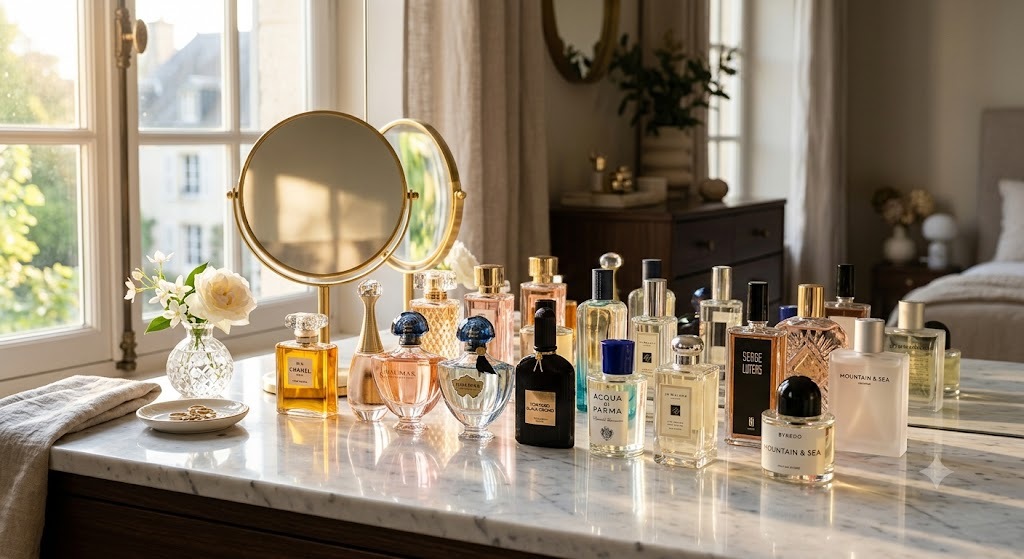
The world of perfumery contains a fascinating mix of art, chemistry, and romance. Unfortunately, this creative blend also makes it incredibly easy for false information to spread. Let’s peel back the curtain and look at the real science behind your favorite luxury fragrances.
Rubbing Your Wrists Together Bonds the Scent
This is easily the most common habit in the entire beauty world. You spray your wrists, press them together, and rub vigorously. Most people assume this friction embeds the oil into the skin or helps activate the notes.
In reality, rubbing your wrists together creates friction that generates unexpected heat. This heat prematurely breaks down the delicate top notes, such as volatile citruses and light florals. You are essentially skipping the beautiful opening of your fragrance and rushing straight to the middle notes, ruining the perfumer’s intended composition.
The Bathroom Counter is the Perfect Storage Spot
It looks incredibly chic to display your gorgeous glass bottles on your bathroom counter or a brightly lit windowsill. It feels convenient to grab your signature bottle right after a warm shower.
However, this habit is a death sentence for delicate essential oils. Bathrooms experience extreme temperature fluctuations and high humidity, which stress the chemical bonds of your juice. Combined with direct sunlight, this environment accelerates oxidation, turning your expensive juice sour, dark, and flat within months.
True Luxury Perfumes Only Contain Natural Ingredients
Many clean beauty enthusiasts believe that synthetic chemicals are inherently bad and that high-end houses only use 100% natural flower extracts. This could not be further from the truth.
In fact, modern perfumery relies heavily on high-quality synthetic molecules for stability, safety, and creative freedom. Synthetic elements allow perfumers to recreate scents that cannot be extracted naturally, like crisp marine notes or warm, comforting amber. Furthermore, synthetics are often much safer for sensitive, allergy-prone skin than unpredictable raw naturals.
Spraying a Scent Cloud and Walking Through It Works Best
We have all seen this cinematic technique in movies and commercials. A person sprays a massive, dramatic cloud of mist into the air and gracefully walks through it to coat themselves evenly.
While it feels incredibly luxurious, this method is a massive waste of expensive product. Most of the fine mist settles directly onto your bathroom tiles or carpet, leaving only a tiny fraction on your body. To get the full value out of your bottle, you must apply the juice directly to your warm skin.
If You Can’t Smell Your Own Perfume, It Has Faded
It is incredibly frustrating when you spray a powerful scent in the morning, only to realize you can no longer smell it by lunchtime. Many people assume the formulation is weak or has completely disappeared.
Before you reapply and overwhelm everyone in the room, understand that your brain is simply protecting you. This phenomenon is called olfactory fatigue, or nose-blindness. Your brain quickly categorizes your familiar daily scent as a safe background element so it can focus on new, potentially dangerous environmental smells.
Men’s and Women’s Scents Are Chemically Different
Walk into any department store, and you will find a rigid separation between the pour homme and pour femme sections. The packaging, marketing, and bottle designs scream that gender boundaries are absolute.
Chemically speaking, scent has absolutely no gender. The separation is purely a modern marketing construct designed to appeal to societal norms. Men can smell absolutely incredible in powdery, sweet roses, while women can effortlessly rock deep, earthy vetiver and smoky tobacco blends.
All Perfumes Last Exactly the Same Amount of Time
Consumers often get frustrated when a gorgeous, expensive citrus scent disappears after three hours, while a heavy vanilla oil lasts into the next day. They assume the shorter-lived bottle is simply poor quality.
Longevity depends entirely on the fragrance concentration and the molecular weight of the ingredients. Citrus notes have tiny, light molecular structures that evaporate very rapidly. Conversely, heavy base notes like rich sandalwood, dark oud, and sweet vanilla possess large, dense molecules that cling to surfaces for days.
Fragrances Smell Identical on Every Single Person
Testing a magnificent scent on a friend or a paper blotting strip is a great starting point. However, buying a bottle based solely on how it smells on someone else is a massive gamble.
Your unique skin chemistry plays a massive role in how a fragrance evolves. Factors like your skin’s natural lipid levels, diet, stress hormones, and even skin temperature alter the final olfactory profile. A scent that turns creamy and sweet on your friend might turn intensely sharp or sour on your own skin.
Tester Bottles in Stores Are Much Stronger
A persistent conspiracy theory claims that fragrance houses deliberately fill department store tester bottles with highly concentrated juice. The theory suggests this trick fools consumers into making a purchase based on amazing performance.
In reality, brands would face massive legal penalties, counterfeiting lawsuits, and supply chain nightmares if they manufactured two separate versions of the same juice. Tester bottles come directly from the exact same manufacturing batches as the retail boxes sitting on the shelves behind them.
High Concentrations Like Parfum Are Always Better
It is easy to assume that higher concentration designations like Eau de Parfum or Extrait de Parfum are always superior to a lighter Eau de Toilette. People naturally associate high price tags with better overall experiences.
While higher concentrations do contain more pure oils, they often sit much closer to the skin and lack projection. An Eau de Toilette contains more volatile alcohol, which creates a larger, more dramatic scent bubble around you. Depending on the weather and setting, the lighter version is often the superior choice.
Your Step-by-Step Guide to Maximizing Scent Longevity
Now that we have reviewed these 10 perfume myths debunked by science, let’s look at actionable steps to maximize your scent game. Follow this expert routine to ensure your favorite bottles perform beautifully all day long.
- Hydrate Your Canvas First: Always apply an unscented moisturizer or a thin layer of petroleum jelly directly to your skin before spraying. Dry skin quickly drinks up the precious oils, whereas hydrated skin gives the molecules something to securely latch onto.
- Target Your True Pulse Points: Focus your sprays on the warmest areas of your body where blood vessels sit closest to the surface. Your inner wrists, the base of your throat, behind your ears, and even the backs of your knees act as natural, heat-activated diffusers.
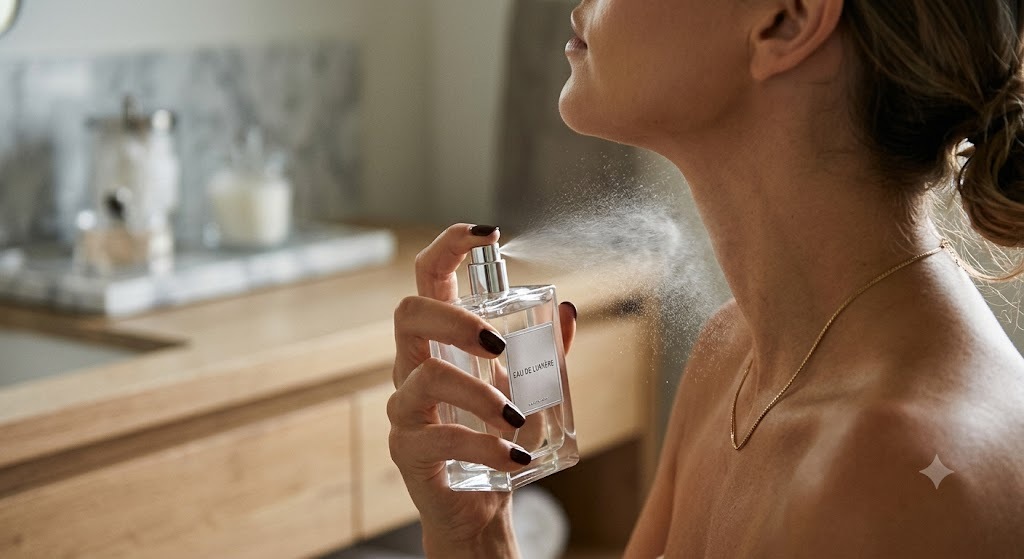
- Master the Perfect Spraying Distance: Hold your bottle roughly five to seven inches away from your skin when spraying. This specific distance allows the alcohol to mist perfectly and create an even layer, rather than pooling into a wet, dripping mess.
- Let the Juice Dry Naturally: Once applied, leave the wet spots completely alone. Allow the alcohol to evaporate naturally over the course of five minutes to preserve the complex progression of top, middle, and base notes.
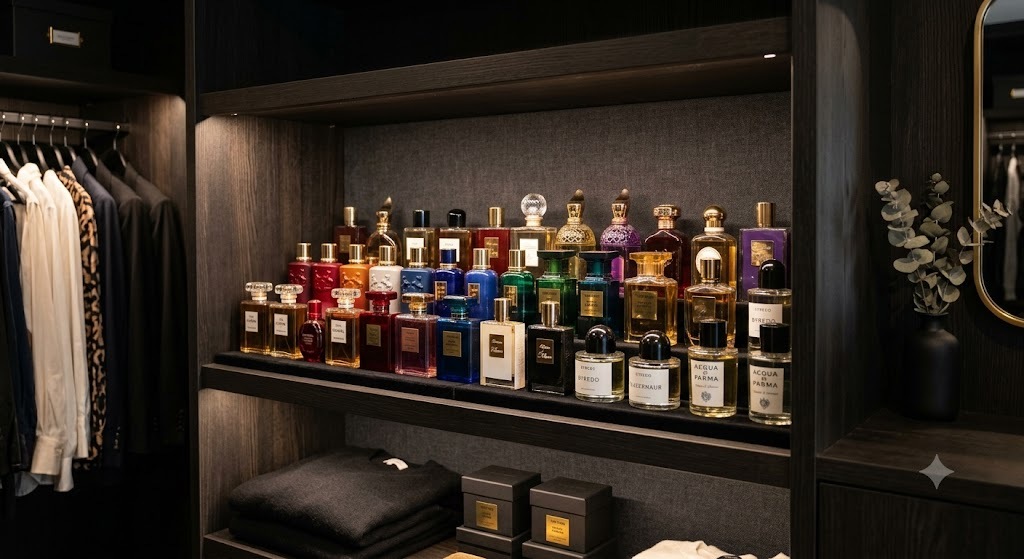
- Protect Your Physical Collection: Move your precious bottles out of the bathroom immediately. Store them securely inside a dark bedroom closet, a dresser drawer, or even inside their original cardboard boxes to maintain a completely stable temperature.
3 Critical Application Mistakes You Need to Avoid
Even seasoned collectors can fall into bad habits that hinder their daily scent experience. Avoid these three critical mistakes to keep your scent bubble clean and sophisticated.
- Over-Spraying to Compensate for Nose-Blindness: If you can no longer smell your signature daily scent, do not desperately add five extra sprays. You will quickly overwhelm your coworkers, friends, and anyone sharing an elevator with you. Instead, ask a trusted friend if they can still perceive your scent.
- Spraying Clean Fragrances Directly Onto Delicate Fabrics: While spraying your clothes can help a scent last longer, spraying highly concentrated oils onto delicate silks, crisp whites, or soft suede can leave permanent, greasy stains. Stick to spraying your skin or the inner linings of heavy coats.
- Shaking Your Bottles Before Application: Many people treat their expensive perfumes like a bottle of fresh salad dressing, shaking it vigorously before spraying. This unnecessary action introduces ambient air into the bottle, which accelerates oxidation and slowly degrades the quality of the oils inside.
Pro Insights: Understanding the Architecture of Olfaction
To truly elevate your appreciation for fine perfumery, you must understand the classic fragrance pyramid. Every masterfully crafted scent is structured with a distinct opening, heart, and base that unfolds slowly over hours.
| Scent Layer | Typical Evaporation Time | Common Ingedient Notes |
| Top Notes | 5 to 15 Minutes | Bergamot, Lemon, Grapefruit, Mint, Basil |
| Heart (Middle) Notes | 2 to 4 Hours | Lavender, Jasmine, Rose, Cinnamon, Nutmeg |
| Base Notes | 6 to 24+ Hours | Vanilla, Sandalwood, Amber, Patchouli, Oud |
By understanding this natural progression, you can easily predict how a new purchase will behave throughout the day. You will no longer judge a complex creation solely on its first five minutes of spray time, saving you from impulse buys you might later regret.
Final Recommendations for the Ultimate Scent Experience
Curating a beautiful collection should bring joy, confidence, and a touch of daily luxury to your lifestyle. Don’t let rigid rules or outdated misconceptions ruin the fun of experimenting with new combinations.
Invest in a small, portable travel atomizer if you are deeply concerned about longevity throughout a long workday. This allows you to safely refresh your lighter citrus or floral juices in the afternoon without ruining your master bottles at home. Treat your collection like fine wine, give it a cool, dark home, and always trust your own nose above marketing trends.
Conclusion
Navigating the complex world of fine fragrance becomes incredibly easy once you have these 10 perfume myths debunked by actual chemical facts. By ditching the bad habits of rubbing your wrists and storing your bottles in a humid bathroom, you protect your financial investments and enjoy your scents the way master perfumers intended.
True fragrance appreciation is all about personal expression, sensory joy, and a bit of practical science. Now that you are armed with real industry knowledge, you can confidently build a collection that turns heads for all the right reasons. Did you find this helpful? Drop a comment below or share this with a fellow fragrance lover!
Frequently Asked Questions
Q1: How long does an unopened bottle of perfume typically last if stored correctly?
A: An unopened bottle can easily last anywhere from three to five years, and sometimes much longer, if kept away from light and heat. The airtight seal prevents oxidation from starting. However, once you spray the bottle for the very first time, oxygen enters the chamber and slowly begins the natural aging process of the juice inside.
Q2: Can I store my expensive perfume bottles inside a clothing refrigerator?
A: Yes, using a dedicated skincare or beverage refrigerator is an excellent option for serious collectors. The constant, cool, and stable temperature slows down chemical degradation perfectly. Just ensure the refrigerator is not set to freezing temperatures, as extreme cold can cause the natural oils and synthetic elements to separate permanently.
Q3: Why does my favorite perfume smell completely different than it did five years ago?
A: This usually happens due to industry reformulations. Global regulatory bodies regularly update safety guidelines, sometimes banning or restricting classic ingredients due to newly discovered skin allergens. When this happens, luxury houses must reformulate the juice using alternative ingredients, which can subtly alter the original smell and longevity you remember.
Q4: Is it safe to spray high-quality perfume directly into my hair for a longer-lasting trail?
A: You should avoid spraying standard perfume directly onto your hair on a daily basis. The high alcohol content can dry out your strands and cause brittleness over time. Instead, spray your favorite scent onto your hairbrush and let the alcohol evaporate for a few seconds before brushing, or invest in a dedicated, alcohol-free hair mist.
Q5: What is the main difference between linear and non-linear fragrances?
A: A linear scent is formulated to smell exactly the same from the first initial spray until it completely fades off your skin hours later. A non-linear fragrance goes through a distinct, evolving journey, transitioning clearly from bright top notes down into the rich base notes over time. Both styles have unique benefits depending on your preferences.
Q6: Why do some cheap perfumes give me an immediate headache?
A: Headaches are usually triggered by specific scent synthetics or low-quality solvents rather than the price tag itself. High concentrations of heavy synthetic musks or intense white florals can overstimulate your nasal passages and trigger a physical reaction. If you are sensitive, try switching to lighter concentrations or testing scents on your clothes instead of directly under your nose.
How to Know When Your Perfume Has Expired: The Ultimate Guide
Leave a Reply