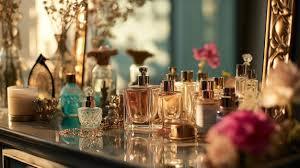


What you’ll learn
- The exact sensory warning signs that reveal a spoiled fragrance.
- Why certain perfume families degrade much faster than others.
- Practical testing methods to check a bottle’s current freshness.
- Pro-grade storage secrets to double the lifespan of your collection.
Introduction
We have all been there. You reach for that gorgeous, luxury bottle of perfume you saved for special occasions, press the atomizer, and take a deep breath. Instead of the lush, intoxicating cloud of jasmine or warm vanilla you expected, your nose is hit with something resembling nail polish remover or old vinegar. It is a heartbreaking moment for any fragrance lover. Learning how to know when your perfume has reached its expiration date can save you from a major olfactory disappointment and protect your skin from potential irritation.
Many people treat fragrance like fine wine, assuming that a beautiful bottle will simply get better, richer, and more complex with age. Unfortunately, the reality of fragrance chemistry is quite different. Perfume is a delicate chemical blend of alcohol, water, and volatile essential oils or synthetic aroma compounds. Over time, exposure to environmental factors causes these components to break down. Let’s dive in.
How Long Do Fragrances Actually Last?
Before we look at the physical warning signs, we need to understand the typical timeline of a fragrance’s lifecycle. Unlike a carton of milk, a bottle of eau de parfum does not come with a stark, mandatory expiration date stamped boldly on the glass. Instead, most cosmetic manufacturers use a small symbol on the box or bottle known as the Period After Opening (PAO) indicator. This icon looks like a tiny open jar with a number followed by the letter “M,” such as 24M or 36M, indicating that the product is formulated to remain stable for 24 or 36 months after your very first spray.
On average, a standard bottle of perfume lasts between three to five years from its manufacture date. However, this is not a hard-and-fast rule. Some pristine, unopened bottles can remain perfectly intact for a decade, while poorly stored bottles might turn sour in under a year. The longevity of your scent depends heavily on its specific olfactory family, chemical formulation, and how you treat it.

The Chemical Culprit: Why Scents Break Down
To understand the lifecycle of a scent, we have to look at oxidation. The moment you press down on a fresh atomizer for the first time, you introduce ambient oxygen into the sealed bottle. Oxygen is the ultimate enemy of fragrance oils. As air mixes with the liquid, a slow chain of chemical reactions begins, systematically altering the molecular structure of the juice.
Furthermore, light and heat accelerate this degradation process exponentially. Ultraviolet rays from direct sunlight break the chemical bonds that hold the aromatic molecules together. High temperatures cause the volatile top notes to evaporate within the bottle, leaving behind a unbalanced, distorted version of the original masterpiece.
The Sensory Warning Signs of Expired Perfume
When you want to evaluate a bottle in your collection, your three best diagnostic tools are your nose, your eyes, and your skin. Let us look closer at how to analyze these specific shifts.
The Smell Test: Sniffing Out the Truth
The absolute most reliable indicator of a spoiled fragrance is a dramatic change in the scent profile itself. When a perfume expires, the volatile, fleeting top notes—such as bright citrus, crisp greens, and delicate fruits—are always the first to vanish or distort. You will often notice a sharp, harsh, or chemical opening that smells strongly of rubbing alcohol, plastic, or household vinegar.
As the middle and base notes begin to oxidize, the fragrance loses its depth and radiance. A once-creamy vanilla might start smelling unpleasantly smoky or stale, while a crisp floral can take on a heavy, dusty, or damp cardboard aroma. If the juice smells flat, sour, or completely unrecognizable compared to when you first bought it, the chemical bond has fundamentally changed.
The Visual Test: Checking Color and Clarity
If you are wondering how to know when your perfume has turned, a quick visual inspection can provide instant clues. Take your bottle to a well-lit room and examine the liquid closely. One of the most common visual indicators of oxidation is a distinct darkening or yellowing of the juice. For instance, a clear or pale pink liquid might morph into a deep amber, burnt orange, or dull brown hue over time.
Beyond color shifting, keep a sharp eye out for changes in clarity. Fresh perfume should be perfectly translucent and free of debris. If you notice a cloudy appearance, milky separation, or actual particulate matter floating at the bottom of the glass, the oils have separated from the alcohol base. This physical separation is an undeniable sign that the formula has degraded past the point of return.
The Texture and Performance Test
Sometimes, a perfume might pass the initial sniff test but reveal its age through its physical consistency and performance on your skin. When you spray the fragrance onto a piece of testing paper or your wrist, pay attention to how the liquid feels. If it leaves a distinctly thick, oily, or uncharacteristically sticky residue that refuses to absorb, the carrier compounds have likely broken down.
You might also notice a major drop in longevity and sillage. An expired perfume often loses its staying power entirely. A scent that used to project beautifully for eight hours might suddenly vanish from your skin within twenty minutes of application. This happens because the heavy fixatives in the base notes have lost their ability to anchor the lighter aromatic molecules.
The Longevity Scale of Different Scent Profiles
Not all fragrances are created equal when it comes to shelf life. The specific ingredients used to blend your favorite scent dictate how gracefully it will age over the years.
| Fragrance Family | Average Lifespan | Vulnerability Level | Key Reasons |
| Citrus & Green | 1 – 2 Years | Very High | Light, volatile molecules oxidize rapidly |
| Light Florals | 2 – 3 Years | Moderate | Delicate synthetic and natural accords shift easily |
| Chypre & Fruity | 3 – 4 Years | Low | Balanced structure with grounded mid-notes |
| Woody & Oriental | 5+ Years | Very Low | Heavy, dense base resins act as natural stabilizers |
Why Citrus and Floral Scents Turn Quickly
If your collection is packed with bright, sparkling summer scents, you need to monitor them closely. Citrus oils, like bergamot, lemon, grapefruit, and mandarin, consist of highly volatile, lightweight molecules. These structures are incredibly sensitive to oxygen exposure.
Similarly, light, airy floral notes like lily of the valley, peony, and white iris rely on delicate synthetic accords. Once oxidation kicks in, these notes rapidly lose their freshness, turning sour or completely evaporating, which leaves the fragrance feeling sharp, hollow, and unbalanced.
Why Woody and Oriental Scents Last Longer
On the flip side, heavy, rich oriental and woody fragrances are built to survive the test of time. Scents that feature prominent base notes of rich patchouli, warm amber, earthy vetiver, cedarwood, and rich Madagascar vanilla inherently possess a much longer shelf life.
The molecules making up these dense base notes are larger, heavier, and far more chemically stable than their citrus counterparts. In fact, some high-quality patchouli, sandalwood, and oud-based perfumes can actually deepen and improve in complexity over five to ten years, behaving much more like a fine, cellared wine.
Step-by-Step Guide to Testing Your Perfume Collection
If you have an impressive fragrance wardrobe and want to figure out how to know when your perfume needs to be tossed, follow this systematic evaluation routine.
1: The Paper Blotter Test
Never spray a suspected expired perfume directly onto your skin right away. If the oils have oxidized, they can cause contact dermatitis, redness, or itchy allergic reactions. Instead, take a clean, unscented paper blotter strip or a plain white index card.
Spray the fragrance two or three times onto the paper from a distance of six inches. Let the liquid settle for a few seconds to allow the initial blast of alcohol to dissipate naturally, then take a gentle sniff.
2: Track the Evolution
Do not make your final judgment based solely on the first sniff. Let the paper strip sit on a clean desk or counter, and revisit it at regular intervals over the next few hours. Check it at the thirty-minute mark to evaluate the heart notes, and check it again after four hours to see how the base notes smell.
An expired fragrance will often completely fall apart during this evolution, leaving behind an unpleasant, sour, or metallic chemical trail rather than a smooth, beautiful dry-down.
3: Check the Spray Mechanism
While evaluating the juice, take a moment to look at the mechanical state of the bottle itself. Is there crusted, green, or brown residue building up around the rim of the nozzle? Has the spray mechanism become stiff, sticky, or leaky?
Crusted residue around the atomizer nozzle indicates that old, stagnant perfume oils have dried up and oxidized right at the opening. This residue can contaminate the fresh juice every single time you press the pump, ruining the entire bottle.
Common Myths and Mistakes About Perfume Expiration
There are dozens of misconceptions circulating on social media regarding how to handle, test, and preserve luxury fragrances. Let us debunk the biggest offenders.

Keeping Perfume on the Bathroom Vanity
This is the absolute most common—and destructive—mistake a fragrance collector can make. Displaying your gorgeous Chanel or Dior bottles on a marble bathroom counter or an open vanity looks stunning for photos, but it is a fast-track ticket to a spoiled scent.
Bathrooms experience radical, rapid swings in both temperature and humidity every time someone takes a hot shower. This constant heating and cooling cycle stresses the chemical bonds of the perfume, causing it to spoil in a fraction of its natural lifespan.
The Refrigerator Fix-All
Many beauty influencers swear by storing their entire perfume collection inside a standard kitchen refrigerator right next to the milk. While keeping your fragrance cool does slow down the oxidation process, a standard food fridge is actually too cold.
The extreme cold can cause the delicate essential oils to crystallize and separate from the alcohol base. Even worse, taking the bottle out of the freezing fridge into a warm room to apply it creates sudden temperature shocks that generate internal condensation, accelerating spoilage.
Pro Tips to Extend the Shelf Life of Your Fragrances
If you want to maximize your investment and ensure your signature scents last for many years to come, implement these expert-approved storage habits.
Embrace the Dark and Cool
The absolute best environment for a luxury fragrance is a dark, temperature-controlled space with minimal humidity fluctuations. A dark bedroom closet, a deep dresser drawer, or a dedicated cabinet are all ideal sanctuaries for your collection.
If you are a serious collector with hundreds of rare or vintage bottles, you might even consider investing in a specialized cosmetic refrigerator. These devices keep a constant, mild temperature of around 55°F (12°C), which perfectly preserves delicate aroma compounds without shocking them.
Keep the Original Box
Never throw away the sturdy cardboard box that your perfume came in! While it is tempting to discard the packaging to display the bare glass bottles, those boxes are custom-designed to protect the juice from light exposure.
Storing your perfume inside its original box provides an extra, highly effective layer of insulation against both damaging UV light rays and ambient temperature drops.
Avoid Shaking the Bottle
Unlike certain beauty products or medicines, perfume should never be shaken before use. Shaking the bottle vigorously forcefully introduces unwanted air bubbles throughout the liquid, instantly increasing the level of internal oxidation.
Always handle your bottles gently, picking them up securely by the heavy glass base rather than the decorative cap to avoid accidental drops and spills.
What to Do When a Perfume Has Expired
If you have completed your evaluations and confirmed that a beloved bottle has officially turned sour, it is time to say goodbye. Using an expired, oxidized perfume directly on your skin is highly discouraged by dermatologists. The altered chemical compounds can cause skin sensitization, painful rashes, and dark pigmentation patches when exposed to sunlight.
If you love the bottle design too much to throw it away, you can carefully pop off the atomizer, safely dispose of the spoiled liquid down the drain, wash the glass out with rubbing alcohol, and display the empty bottle as a gorgeous piece of vanity decor.
Conclusion
Understanding how to know when your perfume has expired is a crucial skill for anyone building a thoughtful fragrance collection. By keeping a sharp eye out for deepening colors, tracking shifts in scent clarity, and using your nose to detect sour, vinegary, or metallic notes, you can easily protect yourself from bad scent days and potential skin irritation.
Treat your fragrance collection like the valuable liquid art that it is. Invest a little bit of time into proper storage by hiding your bottles away from the harsh light and humidity of your bathroom, and they will reward you with beautiful, intoxicating performance for many years to come.
Did you find this helpful? Drop a comment below or share this with a fellow fragrance lover!
Frequently Asked Questions
Q1: Can using an expired perfume cause actual harm to my skin?
A: Yes, it absolutely can. When the essential oils and chemical aromatics inside a perfume oxidize over time, they form completely new chemical byproducts. Applying these degraded compounds directly to your skin can easily trigger contact dermatitis, causing redness, itching, burning, or allergic hives. If a fragrance smells off, stop applying it to your body immediately.
Q2: Does unopened perfume expire if it has never been sprayed?
A: Unopened perfume does last significantly longer than an opened bottle because the factory seal keeps oxygen out. However, it can still expire eventually. If the bottle is stored in a hot, sunny room, the ambient heat penetrating the glass will slowly break down the internal chemical bonds over time, even if the factory seal remains completely unbroken.
Q3: How can I find the exact manufacture date of my perfume bottle?
A: You can easily check the specific manufacture date by looking for the printed batch code. This is a short alphanumeric code stamped on the bottom of the glass bottle or the cardboard packaging. You can plug this code into trusted online cosmetic databases like CheckFresh or CheckCosmetic to find the exact month and year your bottle was manufactured.
Q4: Do solid perfumes expire faster than traditional liquid spray perfumes?
A: Solid perfumes typically have a shorter shelf life than liquid spray perfumes. Solid formulas use a base of natural waxes and vegetable oils, such as beeswax, jojoba oil, or shea butter. These natural cream bases oxidize and turn rancid much faster than the high-proof denatured alcohol base used to preserve standard liquid spray perfumes.
Q5: Can I save a spoiled perfume by mixing it with fresh alcohol?
A: No, you cannot reverse the oxidation process once it has occurred. Once the chemical bonds of the fragrance oils have broken down and turned sour, adding new alcohol or mixing it with other ingredients will not fix the smell. It will only dilute the unpleasant, oxidized odor without restoring any of the original, beautiful top notes.
Q6: Why does my perfume smell different but the color looks completely normal?
A: The volatile top notes of a fragrance can oxidize and degrade long before the heavier base notes or artificial colorants show any visible signs of shifting. If your nose clearly tells you that the juice smells sour, sharp, or metallic, trust your sense of smell over your eyes. The fragrance has started to turn.