What you’ll learn
- The hidden science behind fragrance concentrations and how they affect longevity.
- Why high-priced, natural ingredients often evaporate faster than synthetic ones.
- Practical, expert-backed techniques to extend the lifespan of any scent on your skin.
- How your specific skin chemistry and application habits impact perfume performance.
Introduction
Imagine spending a week’s grocery budget on a gorgeous, gleaming bottle of luxury perfume. You unbox it with high expectations, mist it onto your skin, and step out the door feeling like royalty. But by lunchtime, the magnificent aroma has completely vanished. It is an incredibly frustrating experience that leaves many beauty lovers asking: why expensive perfumes fail to last as long as cheap drugstore dupes?
The truth is that price and longevity do not always walk hand in hand in the fragrance world. A steep price tag usually guarantees high-quality ingredients, unique artistic compositions, and exquisite packaging, but it does not buy immunity from the laws of chemistry. Understanding the mechanics of scent can completely transform how you shop for and wear your favorite juices. Let’s dive in.
The Fragrance Price Tag vs. Longevity Myth
When we pay a premium for luxury goods, we naturally expect superior performance across every single metric. If a coat costs a thousand dollars, we expect it to keep us warm and withstand years of wear. However, fine fragrance operates under a completely different set of rules because perfumery is an art form rooted deeply in volatile organic chemistry.
Many consumers mistakenly believe that luxury fashion houses and niche perfume brands possess a secret ingredient that locks a scent to the skin for days. In reality, the high cost of premium fragrances usually stems from rare raw materials, intricate extraction processes, global marketing campaigns, and custom-designed crystal bottles. Longevity, conversely, depends almost entirely on the molecular weight of the ingredients and the overall concentration of perfume oils used in the blend.

The Scientific Reasons Behind Scent Evaporation
To truly understand why expensive perfumes sometimes fade into thin air, we need to look at the anatomy of a fragrance. Every perfume is a carefully calibrated mixture of alcohol, water, and aromatic compounds that evaporate at different rates.
The Fragrance Pyramid and Molecular Weight
Perfumes are constructed using a traditional three-tiered structure known as the fragrance pyramid, consisting of top notes, heart notes, and base notes. Top notes are the initial scents you smell right after spraying, typically featuring bright citruses like bergamot, crisp green notes, or light fruits. Because these molecules are incredibly small and light, they flash off your skin within 15 to 30 minutes, regardless of whether the bottle cost $20 or $400.
Heart notes emerge next, showcasing florals like jasmine, rose, or warm spices like cardamom, lasting for a few hours. Finally, the heavy base notes—such as rich amber, creamy vanilla, earthy patchouli, and warm sandalwood—take over. These dense, heavy molecules evaporate very slowly, anchoring the fragrance to your skin. If an expensive perfume is formulated to be a fresh, uplifting citrus heavy blend, it will naturally fade quickly because it lacks these heavy base anchors.
Natural Ingredients vs. Synthetic Fixatives
Niche and ultra-luxury perfume houses pride themselves on using high concentrations of natural absolute oils, sourcing rare ingredients like real Grasse rose, natural oud, or precious Florentine iris. While these naturals offer unparalleled depth, complexity, and richness, they are often highly volatile and delicate.
Mass-market, budget-friendly perfumes, on the other hand, rely heavily on synthetic aroma chemicals. Modern labs engineer these synthetic molecules specifically to cling to surfaces and resist breaking down. Synthetic fixatives like synthetic musks can stubbornly stick to skin and clothes for days. Therefore, a cheap perfume packed with synthetic linear musks will frequently outlast an expensive, all-natural botanical blend.
Concentration Levels Demystified
The label on your bottle dictates the ratio of pure fragrance oil to alcohol solvent, which serves as a major indicator of potential staying power. Eau de Cologne (EDC) contains a mere 2% to 4% oil and is designed to be a fleeting, refreshing splash. Eau de Toilette (EDT) steps things up to 5% to 15% oil, offering a lighter wear ideal for warm daytime environments.
Eau de Parfum (EDP) is the industry standard for luxury, boasting a robust 15% to 20% concentration that typically ensures a solid six to eight hours of performance. The most expensive category, Extrait de Parfum or Pure Parfum, features anywhere from 20% to 40% aromatic compounds. Interestingly, because Extraits contain less alcohol to lift the scent into the air, they often sit very close to the skin as an intimate scent bubble rather than projecting loudly across a room.
| Fragrance Type | Oil Concentration | Average Longevity | Best Suited For |
| Eau de Cologne (EDC) | 2% – 4% | 1 – 2 Hours | Post-shower refresh, hot summer days |
| Eau de Toilette (EDT) | 5% – 15% | 3 – 5 Hours | Daytime wear, casual outings, office |
| Eau de Parfum (EDP) | 15% – 20% | 6 – 8 Hours | Evening wear, colder weather, versatile daily use |
| Extrait de Parfum | 20% – 40% | 8+ Hours | Special occasions, intimate settings |
How to Maximize Your Fragrance Longevity
If you have already invested in a beautiful luxury scent that seems to disappear too quickly, do not despair. You can significantly extend the life of your favorite juices by modifying how and where you apply them.
- Prep with an Occlusive Moisturizer: Fragrance molecules need something to hold onto, and dry skin is the ultimate enemy of perfume. Applying an unscented lotion or a thin layer of petroleum jelly to your pulse points before spraying creates a rich, emollient barrier that locks the oils in place.
- Target Your Pulse Points Strategicially: Focus your sprays on areas where your blood vessels run closest to the skin surface. The warm skin of your wrists, the sides of your neck, behind your ears, and even the inside of your elbows acts as a natural radiator, slowly diffusing the scent throughout the day.
- Spray Your Clothing and Hair: Hair and natural fibers like wool, cotton, and cashmere hold onto fragrance molecules far better than human skin. Mist your clothes or spray your hairbrush before running it through your locks to create a beautiful, long-lasting scent trail that lingers for days.
- Store Your Bottles Correctly: Direct sunlight, fluctuating temperatures, and bathroom humidity break down the delicate chemical bonds in expensive juices. Protect your investment by keeping your collection in a cool, dark drawer or closet rather than on a sunny windowsill or a damp bathroom counter.

Common Perfume Mistakes That Ruin Staying Power
Many fragrance enthusiasts inadvertently destroy their perfume’s performance through poor application habits. Identifying and correcting these missteps can instantly boost your scent’s lifespan.
The most common crime committed against fine fragrance is the classic “spray and rub.” Rubbing your wrists together after spraying creates intense friction and localized heat. This mechanical energy prematurely crushes the delicate top notes, forcing the perfume to skip its beautiful opening act and altering the intended development of the scent. Instead, simply spray the juice and let it air-dry naturally on your skin.
Another frequent mistake is relying on the “spray, step, and walk” cloud method. While walking through a mist of perfume feels incredibly glamorous, the vast majority of the expensive product ends up settling onto your carpet or bathroom tiles. This wasteful technique leaves only a minuscule amount of scent on your body, ensuring it will evaporate completely within an hour or two. Always apply the product directly to your body for maximum efficiency.
Pro Insights into Skin Chemistry and Olfactory Fatigue
To truly master the art of wearing scent, we have to look at the biological factors that dictate how we perceive our own perfumes.
Your unique skin chemistry plays a massive role in how a fragrance develops and persists. Factors such as your skin’s natural pH level, diet, hydration status, and even stress levels can drastically alter the scent profile. For instance, oily skin types naturally retain fragrance molecules much longer because their skin oils act as built-in fixatives. If you possess a dry skin type, you will naturally consume fragrance molecules at a much faster rate, meaning you will need to reapply more frequently.
Furthermore, you might think your expensive perfume has completely vanished when, in reality, everyone around you can still smell it clearly. This psychological phenomenon is known as olfactory fatigue or nose blindness. When your brain is constantly exposed to a specific sensory input, it filters it out as background noise to protect your nervous system from overload. If you wear the same signature luxury scent day after day, your brain will tune it out, tricking you into believing the product has faded.
Smart Shopping Strategies for Fragrance Lovers
Now that you understand why expensive perfumes behave the way they do, you can approach the luxury perfume counter with confidence and savvy strategy.
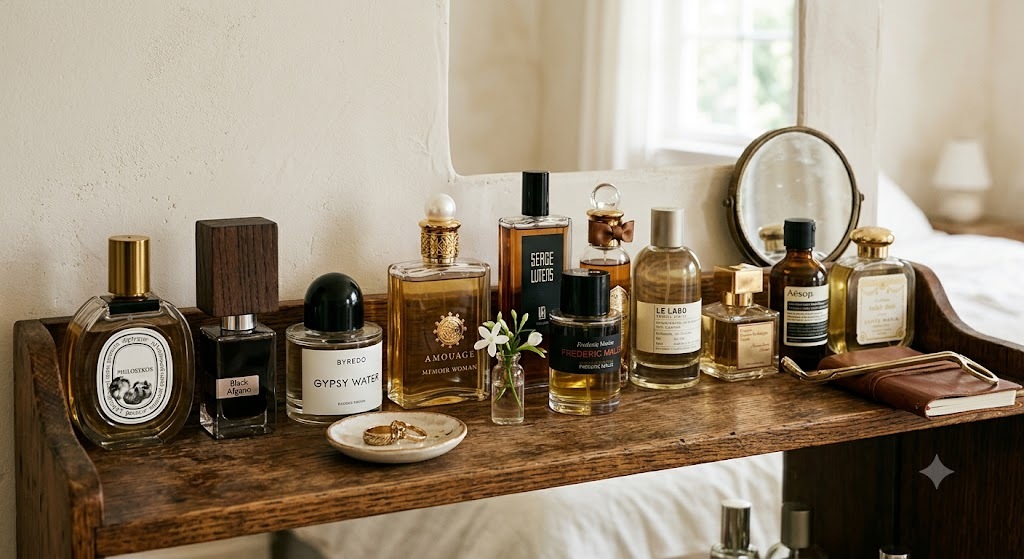
Before dropping hundreds of dollars on a full-sized bottle based on a five-minute impression at a department store counter, always test the juice on your skin for a full day. Request a sample vial or purchase a small decant online so you can track how the scent evolves across several hours in your normal daily environment. Pay close attention to how quickly the top notes transition into the base.
Additionally, take the time to read the listed scent notes on fragrance databases. If you prioritize exceptional longevity above all else, intentionally steer clear of delicate, citrus-dominant colognes or airy aquatic blends. Instead, look for complex compositions that feature robust, high-performing base notes like Madagascar vanilla, Indonesian patchouli, rich benzoin, labdanum, cedarwood, and heavy white musks to guarantee great performance.
Conclusion
At the end of the day, a high price tag simply reflects the artistry, raw material sourcing, and exclusivity of a luxury house—not a mechanical guarantee of timeless endurance. Understanding the natural behavior of scent molecules empowers you to appreciate the fleeting beauty of rare natural ingredients without feeling cheated by their performance. By mastering proper application techniques, hydrating your skin, and choosing composition profiles that suit your lifestyle, you can enjoy your favorite luxury fragrances to their absolute fullest potential.
Did you find this helpful? Drop a comment below or share this with a fellow fragrance lover!
Frequently Asked Questions
Q1: Why do some cheap drugstore perfumes last much longer than my expensive luxury scents?
A: Cheap perfumes often rely heavily on robust, mass-produced synthetic aroma chemicals and heavy synthetic musks. Chemists engineer these specific synthetic molecules to cling stubbornly to surfaces and resist breaking down. Luxury perfumes, by contrast, frequently utilize delicate, natural essential oils that evaporate much faster despite their high cost and superior ingredient quality.
Q2: Will buying an Extrait de Parfum ensure that my scent projects loudly across the room?
A: Not necessarily. Extrait de Parfum formulas contain a very high concentration of oils and less alcohol. Because alcohol is the primary vehicle that causes a fragrance to volatilize and project into the air, an Extrait will often sit closer to the skin as an intimate, rich scent bubble rather than throwing a loud trail across a large room.
Q3: Can my diet or lifestyle really change how long an expensive perfume lasts on my skin?
A: Yes, absolutely. Your skin’s hydration levels, your diet, and your personal hormone levels directly impact your skin’s natural moisture balance and lipid levels. Oily skin naturally binds to fragrance molecules and extends their lifespans, while dry skin, dehydration, consuming spicy foods, or drinking alcohol can cause your skin to consume or reject scents much faster.
Q4: How can I tell if my expensive perfume has actually faded or if I am just experiencing nose blindness?
A: The easiest way to test for olfactory fatigue is to check with someone else. Ask a trusted friend or family member if they can smell your perfume from an arm’s length away. Alternatively, you can step out into the fresh air for an hour or spray the scent onto a clean fabric scarf in another room, returning later to see if the aroma is still present.
Q5: Does the color of the perfume liquid give any clues about its potential longevity?
A: Often, yes. Deeply colored juices—ranging from rich ambers and warm yellows to dark browns—usually indicate a high concentration of heavy, natural raw ingredients like vanilla resins, jasmine absolute, patchouli, or warm spices. These dense ingredients possess high molecular weights, which almost always translate to superior staying power on your skin.
Q6: Should I store my expensive perfume bottles inside the refrigerator to make them last longer?
A: While keeping perfumes cool is highly beneficial, a standard kitchen refrigerator is generally too cold and can cause the essential oils in delicate blends to crystallize or separate. The best storage solution is to keep your precious bottles tucked inside their original cardboard boxes, placed deep within a cool, dark bedroom closet or drawer.
Leave a Reply