


What you’ll learn
- How an accidental overdose of synthetic ingredients changed the perfume industry forever.
- The fascinating, dramatic story behind Coco Chanel’s choice of the number five.
- How a brilliant mix of marketing genius and Hollywood glamour secured its global legacy.
- Practical tips to identify vintage bottles and maximize your personal wearing experience.
Introduction
Imagine walking into a room and instantly recognizing a scent that has lingered in the air for over a century. Fragrance has a unique power to transport us through time, but very few perfume bottles carry an entire empire within their glass walls. When it comes to global recognition and cultural impact, nothing matches the legacy found in the history of Chanel No. 5. This legendary liquid did not just change how women smell; it fundamentally shifted how the entire world views luxury and identity.
The history of Chanel No. 5 began with a desire to break all the traditional rules of 1920s perfumery. Gabrielle “Coco” Chanel wanted a scent that mirrored her revolutionary fashion designs—something clean, structured, and completely liberated from the heavy floral trends of her era. What followed was a series of fortunate mistakes, bold business deals, and cultural milestones that turned a simple laboratory sample into an eternal icon. Let’s dive in.
The Birth of a Revolution
To truly understand why this fragrance matters, we have to look at what women were wearing before its release in 1921. At the time, respectable women wore simple, single-note floral scents like lavender, rose, or jasmine. These fragrances were sweet, delicate, and faded quickly from the skin. Meanwhile, more complex, musky, or earthy blends were associated with women of the night or bohemian artists.
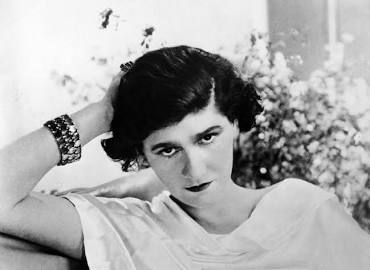
Coco Chanel despised these categories. She believed that a woman’s natural scent should be complemented by something abstract, clean, and entirely manufactured. She famously stated that a woman should smell like a woman, not a rose bush. She wanted an artificial composition that was meticulously crafted, much like a piece of haute couture clothing.
This vision led her to collaborate with Ernest Beaux, a brilliant French-Russian perfumer who had been experimenting with groundbreaking aromatic compounds. The resulting creation would challenge the entire fragrance industry and introduce a brand new category of designer fragrance that prioritized complexity over simplicity.
The Liquid Alchemy and Legacy
The heart of this story lies within the actual chemistry of the bottle. Ernest Beaux used a complex array of natural ingredients, including precious jasmine and May rose harvested from Grasse, France. However, the true magic came from a relatively new group of synthetic organic compounds known as aldehydes.
The Innovation of Aldehydes
Aldehydes are synthetic chemicals that add a sparkling, effervescent, and slightly soapy quality to natural florals. Think of the crisp scent of clean linen or the sharp, cold air of a winter morning. Before the development of Chanel No. 5, perfumers used aldehydes sparingly because they were incredibly potent and difficult to balance.
Legend has it that Beaux’s assistant accidentally added an overdose of aldehydes to sample number five. Instead of ruining the mixture, this heavy-handed mistake lifted the rich floral notes of jasmine, ylang-ylang, and neroli, giving the fragrance its signature powdery brightness. When Coco smelled it, she knew instantly that the formula was exactly what she had been searching for.
The Power of the Number Five
Why did she choose the fifth sample? For Coco Chanel, the number five held deep, almost mystical significance. She considered it her lucky number and consistently integrated it into her life and work. She often presented her fashion collections on the fifth day of the fifth month to ensure success.
Naming the perfume “No. 5” was a stroke of pure minimalist genius. During a time when other perfumes bore dramatic, romantic names like L’Heure Bleue or Mitsouko, a simple number stood out as incredibly modern and daring. It treated the fragrance like a direct laboratory serial number, highlighting its clean, industrial, and avant-garde nature.
Evolution of the Iconic Bottle
The bottle design itself was a direct rebellion against the ornate, crystal-heavy crystal decanters popular in the early 20th century. Coco wanted a vessel that was invisible, allowing the golden liquid to be the star. She chose a simple, rectangular glass silhouette with clean lines and sharp facets.
Over the decades, the bottle has undergone only minor modifications to its proportions and stopper shape to keep it feeling current. Its timeless design was so visually striking that Andy Warhol famously immortalized it in a series of pop-art silk screens during the 1980s, proving that the bottle itself had become a monument of modern art.
How to Experience and Apply This Masterpiece
To get the absolute most out of this historical scent profile, you need to understand the proper application techniques. Because this formulation relies heavily on a complex layer of top, heart, and base notes, it evolves beautifully on warm skin over several hours.
The Optimal Application Ritual
1.Prep Your Skin:Right after bathing.
Always apply your fragrance to clean, thoroughly hydrated skin. Unscented lotion or a matching Chanel body cream provides an excellent moisture base that grips the volatile top-note molecules, preventing the sparkling aldehydes from evaporating too quickly.
2.Target Your Pulse Points:Do not overspray.
Focus your application on warm pulse points where blood flow is closest to the skin’s surface. Lightly spritz the inside of your wrists, the base of your throat, and behind your earlobes to allow the natural body heat to diffuse the rich heart notes of jasmine and rose.
3.Avoid the Rubbing Mistake:Crucial for scent integrity.
Never rub your wrists together after applying the perfume. Friction generates excessive heat that prematurely breaks down the delicate top notes, essentially crushing the signature effervescent opening before it has a chance to breathe naturally.
4.Mist Your Clothing Safely:For an extended scent trail.
For a long-lasting impression, spray a fine mist into the air and walk through it, allowing the scent to settle on your clothing. The woody base notes of sandalwood, amber, and vetiver will cling beautifully to natural fabrics like wool and silk without altering the scent profile.
Dismantling Common Myths
Despite being the most documented fragrance in the world, several myths continue to float around this legendary formulation. Let’s set the record straight on a few of the most common misconceptions.
Myth: Chanel No. 5 smells exactly like an old-fashioned bar of soap.
Fact: While the initial burst of aldehydes can remind people of modern soap, this is actually a historical reversal. Modern soap manufacturers spent decades copying the clean aroma of Chanel No. 5, not the other way around. Once it settles, the fragrance shifts into a deeply rich, warm, and sweet floral-woody blend.
Another common myth is that the current version sold in department stores is identical to the 1921 original. In reality, global raw material regulations and sustainability guidelines change over time. Chanel’s in-house master perfumers have carefully updated the formulation over the years to substitute restricted ingredients while retaining the exact olfactory signature of the classic vintage Chanel No 5.
Pro Insights for Collectors
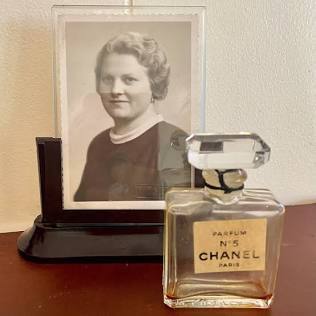
For true perfume enthusiasts, collecting vintage bottles is a thrilling pursuit. If you are hunting through estate sales or online marketplaces, always check the bottom of the glass for etched alignment marks and specific licensing text. Vintage editions from the mid-20th century often feature a slightly deeper, richer base because they utilized natural animal musks that are no longer used in modern perfumery.
If you enjoy exploring the deep cultural history of designer fragrance, you might also want to read our comprehensive guide on how French fashion houses shaped the modern luxury market. Understanding the historical context of the post-war luxury boom helps explain how fragrance became accessible to the general public.
The Modern Verdict
Today, this fragrance remains a global powerhouse, consistently ranking among the best-selling scents worldwide. It represents more than just an elegant blend of jasmine, rose, and aldehydes—it stands as a masterclass in enduring brand identity and artistic independence.
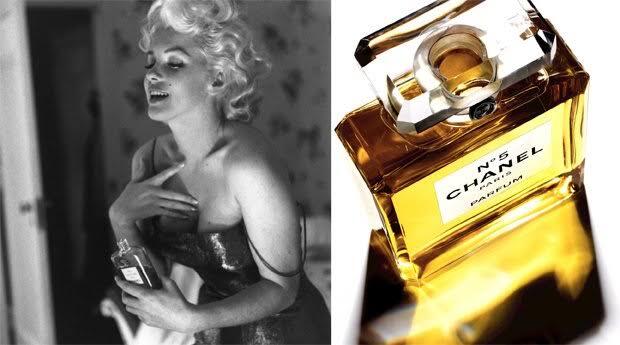
Whether you wear it daily or keep a bottle on your vanity as a piece of design history, its cultural weight is undeniable. From its origins as a daring laboratory experiment to its endorsement by stars like Marilyn Monroe, it continues to define the pinnacle of high-end perfumery.
Conclusion
The history of Chanel No. 5 is a fascinating journey through accidental chemistry, artistic rebellion, and brilliant marketing strategy. By breaking the restrictive rules of the 1920s, Coco Chanel and Ernest Beaux created a timeless masterpiece that outlasted hundreds of short-lived trends. It continues to capture our collective imagination because it offers a perfect balance of crisp, clean brightness and deep, sensual warmth. Embracing this scent is like wearing a living piece of art that continues to evolve with every single spray.
Did you find this helpful? Drop a comment below or share this with a fellow fragrance lover!
Frequently Asked Questions
Q1: Why is the history of Chanel No. 5 considered so important to modern perfumery?
A: It represents the first time a major fashion designer created a signature scent from scratch rather than relying on existing fragrance houses. It completely popularized the use of synthetic aldehydes, shifting the entire industry away from simple, literal floral replication toward complex, artistic, and abstract scent compositions that lasted longer on the skin.
Q2: Is the Chanel No. 5 available today the exact same formula as the 1921 original?
A: Not perfectly identical, though it is incredibly close. Over the last century, global ingredient safety standards and animal welfare regulations have required subtle reformulations. Chanel carefully sources its raw materials from its private fields in Grasse to ensure the modern formulation retains the exact character, sparkle, and depth of the classic original.
Q3: What do aldehydes actually smell like in a perfume composition?
A: Aldehydes add a brilliant, effervescent brightness that many describe as clean, soapy, or metallic. They give the initial spray a distinct lift, mimicking the crisp sensation of frozen winter air or freshly laundered linen. This brightness helps push the heavier underlying floral notes out into the room.
Q4: Why did Marilyn Monroe give the fragrance such a massive boost in popularity?
A: During a famous 1952 interview, when asked what she wore to bed, Marilyn Monroe iconically replied, “Just a few drops of Chanel No. 5.” This unfiltered, genuine endorsement instantly linked the fragrance with ultimate Hollywood glamour, sensuality, and modern femininity, driving massive global consumer demand that persists to this day.
Q5: How can I tell if a vintage bottle of Chanel No. 5 is authentic?
A: Look for precise, high-quality glass clarity, perfectly straight label positioning, and crisp typography. Vintage bottles typically feature a hand-wrapped thread seal around the neck secured with a wax or plastic stamp. The bottom of genuine bottles will usually feature distinct molded glass branding and clear volume markings rather than cheap adhesive paper stickers.
Q6: What is the main difference between the Eau de Parfum and the Parfum versions?
A: The Parfum is the highly concentrated, rich extract that stays close to the skin, emphasizing warm jasmine and rose. The Eau de Parfum was actually developed in the 1980s by perfumer Jacques Polge; it features a much louder, amplified burst of sparkling aldehydes and woody notes designed for a stronger scent cloud.
Pingback: What Makes a Perfume "Niche"? Designer vs Niche Explained - fragrantip