


What you’ll learn
- How Renaissance royal courts turned unpleasant city odors into a multi-million dollar scent industry.
- The vital partnership between the lavender fields of Grasse and the boutique perfumers of Paris.
- How visionaries like Coco Chanel and Ernest Beaux revolutionized modern synthetic chemistry in perfumery.
- Key milestones that cemented France’s reputation as the global authority in luxury fragrance crafting.
Introduction
Picture walking down the cobblestone streets of the Marais district in Paris. The gentle air carries delicate wafts of powdery iris, rich vanilla, and fresh orange blossom from boutique doors. Have you ever wondered how Paris became the perfume capital of the world? It wasn’t an overnight trend or a simple marketing coincidence.
The story behind this olfactory transformation involves royal intrigues, scented leather gloves, and groundbreaking chemical achievements. Long before iconic glass bottles graced vanity tables worldwide, France had to completely reinvent its relationship with personal hygiene and scent.
Today, global fragrance sales exceed tens of billions of dollars annually, with French houses leading the prestige market. The journey from utilitarian stench masking to high art is a fascinating tale of culture and innovation. Let’s dive in.
The Smelly Beginnings: Why Renaissance France Needed Perfume
To understand the rise of French perfumery, we must travel back to the 16th and 17th centuries. During this era, European cities lacked modern sanitation systems. Paris was notoriously foul-smelling, overflowing with urban waste, animal byproducts, and unwashed crowds.
Medical beliefs of the time made matters trickier. Physicians cautioned that bathing opened skin pores to deadly plague and diseases. As a result, aristocracy and commoners alike avoided water, preferring dry towels and heavy powders.
This environmental necessity created massive demand for aromatics. People required potent liquids to mask body odors and sanitize living spaces. Scent was not merely a luxury vanity product; it functioned as an essential daily shield.
The Scented Glove Craze
The primary catalyst for French fragrance artistry emerged from the leather tanning trade. Tanning raw hides required harsh substances like animal urine and lye, leaving finished leather items with a nauseating stench.
Glovemakers in Grasse, a small town in southern France, began soaking leather accessories in essential oils. They utilized local botanicals like lavender, rose, and myrtle to make their items pleasant to wear.
Catherine de’ Medici, the Italian noblewoman who became Queen of France in 1547, popularized these scented gloves in Paris. Her personal perfumer, René le Florentin, opened a boutique in Paris, sparking an aristocratic frenzy for custom scents.

The Royal Court Effect: Versailles and the Perfumed King
Under King Louis XIV, known as the Sun King, perfume culture reached unprecedented height. The French court at Versailles became famously dubbed “la cour parfumée” (the perfumed court).
Louis XIV demanded that his apartments smell of different flowers every single day. Servants washed royal statues in aromatic floral waters, and fountains flowed with scented rose oil during extravagant galas.
This royal obsession was far more than personal preference—it was a calculated display of wealth and absolute power. Possessing rare exotic spices, ambergris, and floral essences signaled elite status that few could match.
Royal Guilds and Standards
In 1656, Louis XIV officially recognized the Guild of Glovemakers and Perfumers (Maîtres Gantiers Parfumeurs). This legal charter granted members exclusive rights to mix and sell aromatic concoctions in Paris.
Strict apprenticeship requirements were enforced to protect trade secrets and maintain product quality. Crafting perfumes transformed from an informal cottage industry into a respected, regulated profession.
Courtiers eagerly spent fortunes on personalized formulas, scented hair powders, and aromatic pomanders. Paris quickly solidified its position as the undisputed center of European aristocratic fashion.
Grasse to Paris: The Twin Pillars of French Perfumery
While Paris served as the commercial hub and luxury showcase, it required a continuous supply of raw materials. That source was Grasse, located in the sun-drenched microclimate of Provence.
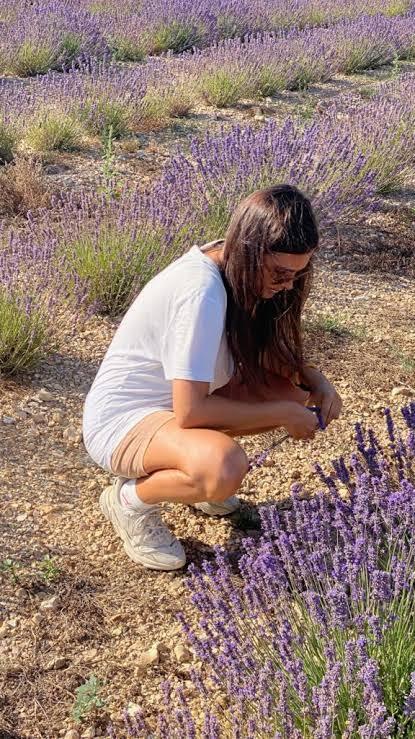
By the mid-18th century, Grasse transitioned from leather tanning to full-time flower cultivation. Roses, jasmine, tuberose, and lavender flourished in its fertile soil and warm, sheltered hillsides.
A symbiotic relationship developed between the two regions: Grasse cultivated the raw botanical soul, while Parisian artisans transformed those extracts into prestigious, bottled art.
The Art of Enfleurage
Extracting delicate scent from petals required immense skill. Artisans in Grasse perfected enfleurage, a technique using odorless animal fats to absorb fragrant essential oils from freshly harvested blossoms.
Thousands of flowers were picked by hand at dawn when their oil content peaked. Sheets of glass coated in fat were layered with petals for days until saturated with fragrance.
This rich pomade was then washed with alcohol to separate pure flower oil, known as an absolute. This painstaking labor justified the high price tags associated with French perfumes.

The Industrial Revolution and Modern Chemistry
The 19th century brought a massive technical transformation to the fragrance industry. Discoveries in organic chemistry forever altered how perfumers created scents.
Prior to this era, fragrances relied entirely on natural botanicals and animal extracts like musk, civet, and ambergris. Supply was volatile, weather-dependent, and expensive.
Chemists learned to isolate aromatic compounds and synthesize them artificially in laboratories. This innovation drastically expanded the perfumer’s palette while reducing production costs.
Key Synthetic Milestones
In 1868, chemist William Henry Perkin synthesized coumarin, replicating the warm aroma of fresh hay and tonka bean. This was followed by synthetic vanillin in 1874 and artificial musks shortly after.
Pioneering fragrance house Houbigant released Fougère Royale in 1882, utilizing synthetic coumarin to construct an entirely new fragrance family. Aimé Guerlain followed in 1889 with Jicky, blending natural lavender with synthetic vanillin.
These creations proved that synthetic ingredients could yield artistic masterpieces impossible to recreate using natural flowers alone.
4 Crucial Factors That Built Paris’s Fragrance Dominance
Several interconnected factors worked together to establish Paris as the supreme capital of scent creation:
- Unmatched Craftsmanship and Heritage: Centuries of guild secrets, meticulous standards, and handed-down expertise kept French artisans miles ahead of global competitors.
- Access to Premium Botanicals: The proximity to Grasse guaranteed a steady stream of world-class natural ingredients, from May Rose to Grandiflorum Jasmine.
- Flawless Integration with Haute Couture: Fashion houses realized fragrance was the ultimate entry-level luxury product, pairing scent with signature runway aesthetics.
- Mastery of Glassmaking and Presentation: Legendary French glassmakers like Baccarat and Lalique crafted exquisite crystal bottles, turning perfumes into prized collectible objects.
How Couture Fashion Houses Revolutionized Scent
In the early 20th century, a bold cultural shift reshaped the industry: fashion designers began releasing signature scents alongside their clothing lines.
Paul Poiret was among the first designers to introduce a perfume line, but Coco Chanel truly revolutionized the market in 1921 with Chanel No. 5.
Working alongside master perfumer Ernest Beaux, Chanel sought a clean, complex scent that smelled “like a woman, not a rose.” Beaux incorporated an unusually high dose of aldehydes—synthetic compounds that gave the fragrance an sparkling, effervescent top note.
Chanel No. 5 became a global sensation, proving that a perfume’s branding, sleek bottle design, and artistic vision were just as crucial as the liquid inside.
The Golden Era of Designer Perfumes
Following Chanel’s success, other Parisian haute couture houses quickly entered the fragrance market:
- Christian Dior: Launched Miss Dior in 1947 alongside his famous “New Look” fashion collection, filling his salons with fresh floral aromas.
- Nina Ricci: Introduced L’Air du Temps in 1948, housed in a famous bottle topped with twin crystal doves symbolizing peace.
- Givenchy: Created L’Interdit in 1957 exclusively for screen icon Audrey Hepburn, capturing understated elegance.


5 Myths About French Perfume Cleared Up
Despite its long history, many misconceptions surround the French fragrance world. Let’s clear up five common myths:
- 1: French perfume was created purely to avoid bathing. While scent masked body odors in the 17th century, perfumery evolved into a sophisticated art form driven by luxury and aesthetics.
- 2: Natural ingredients are always superior to synthetics. High-grade synthetics add stability, longevity, and unique abstract notes that make iconic perfumes like Chanel No. 5 possible.
- 3: Perfume lasts forever if kept in glass. Fragrance degrades when exposed to heat, light, and oxygen. Stored properly, a bottle typically maintains peak quality for 3 to 5 years.
- 4: Expensive perfume always lasts longer on skin. Longevity depends on concentration (e.g., Eau de Parfum vs. Eau de Toilette) and specific ingredient volatility, not price alone.
- 5: Real French perfumers only work with local plants. French master noses source ingredients globally, including Indian sandalwood, Haitian vetiver, and Madagascan vanilla.
Pro Advice: Applying Fragrance Like a Parisian Master
To experience your favorite scents at their absolute best, apply them with the precision of a French connoisseur:
- Hydrate skin first: Apply an unscented lotion before spraying. Fragrance molecules bind far better to hydrated, oily skin than to dry surfaces.
- Focus on pulse points: Target warmth-generating zones like inner wrists, sides of the neck, and behind earlobes to naturally radiate scent throughout the day.
- Never rub wrists together: Friction breaks down delicate top notes prematurely, altering the intended evolution of the fragrance pyramid.
- Store bottles correctly: Keep your collection away from bathroom humidity and direct sunlight. A cool, dark closet is ideal for preserving delicate top notes.
Explore our comprehensive guide on perfume storage tips on FragrantTip.com to protect your precious collection from heat damage.
Summary of the Parisian Scent Legacy
From crude leather-masking oils to high-fashion runways, the story of how Paris became the perfume capital of the world reflects France’s dedication to luxury, science, and style.
The unique combination of Grasse’s climate, royal patronage at Versailles, chemical breakthroughs in the 19th century, and 20th-century haute couture elevated perfumery into a true global art form.
Today, Paris remains the heart of the luxury fragrance universe, continuously setting global trends while honoring centuries of heritage.
Conclusion
Understanding how Paris became the perfume capital of the world reveals that every spray carries centuries of craftsmanship and passion. Scent connects us directly to history, culture, and individual memory.
Whether you favor deep woody tones, bright citrus accords, or soft powdery florals, wearing French fragrance invites you into a timeless artistic tradition.
Did you find this history helpful? Drop a comment below with your favorite French perfume house, or share this post with a fellow fragrance lover!
Frequently Asked Questions
Q1: How did Paris become the perfume capital of the world originally?
A: Paris became the perfume capital through a combination of 16th-century leather tanning remedies, royal patronage at Versailles, access to Grasse’s flower fields, and the 20th-century fashion house revolution.
Q2: Why is Grasse so important to French perfume history?
A: Grasse possesses an ideal climate for growing key perfume flowers like jasmine, rose, and lavender. It served as the primary agricultural source that supplied Parisian perfumers with raw botanical extracts.
Q3: What role did Catherine de’ Medici play in French fragrance history?
A: Queen Catherine de’ Medici brought her personal Italian perfumer to Paris in 1547. She popularized scented leather gloves among French nobility, sparking widespread demand for fine fragrances across the country.
Q4: Are synthetic ingredients common in authentic French perfumes?
A: Yes, synthetic ingredients have been widely used in French perfumery since the late 19th century. Synthetics add stability, improve longevity, and allow perfumers to create abstract notes unavailable in nature.
Q5: Which fashion house popularized designer perfume in Paris?
A: Coco Chanel popularized designer perfume with the release of Chanel No. 5 in 1921. It demonstrated how haute couture fashion brands could successfully market signature scents worldwide.
Q6: How should I store high-end French perfumes to keep them fresh?
A: Keep fragrance bottles in a cool, dry area away from direct sunlight and sudden temperature shifts. Avoid storing perfumes inside humid bathrooms to preserve delicate top notes over time.
