



What you’ll learn
- What muskmallow actually is and why perfumers call it ambrette
- What muskmallow smells like on skin
- Why this botanical ingredient works so beautifully in skin-scent perfumes
- Which popular fragrances already showcase its soft, musky character
Introduction
Muskmallow sounds like something you might find in a cozy perfume with a soft, sweet, almost edible personality. And surprisingly, that isn’t far from the truth. Muskmallow is the common name for ambrette, a botanical ingredient prized in perfumery for its gentle, warm, slightly sweet musk character.
If you’ve noticed that today’s most addictive skin scents often smell clean, powdery, warm, and subtly musky rather than obviously “perfumed,” muskmallow deserves your attention. It has been used in fragrance for years, but the growing obsession with intimate, close-to-the-skin perfumes has given this classic ingredient a fresh moment in the spotlight.
There’s also an important misconception to clear up: muskmallow isn’t actually a brand-new fragrance material. It comes from Abelmoschus moschatus, a plant in the mallow family, and perfumers have known ambrette for generations. What’s new is how relevant its soft, natural-smelling profile feels in today’s skin-scent trend.
From Glossier You to Byredo Mojave Ghost and Jo Malone London Wood Sage & Sea Salt, ambrette appears in fragrances that have helped define the modern “you, but better” aesthetic.
So, what exactly makes this little seed so interesting? Let’s dive in.
What Is Muskmallow and Why Does It Matter?
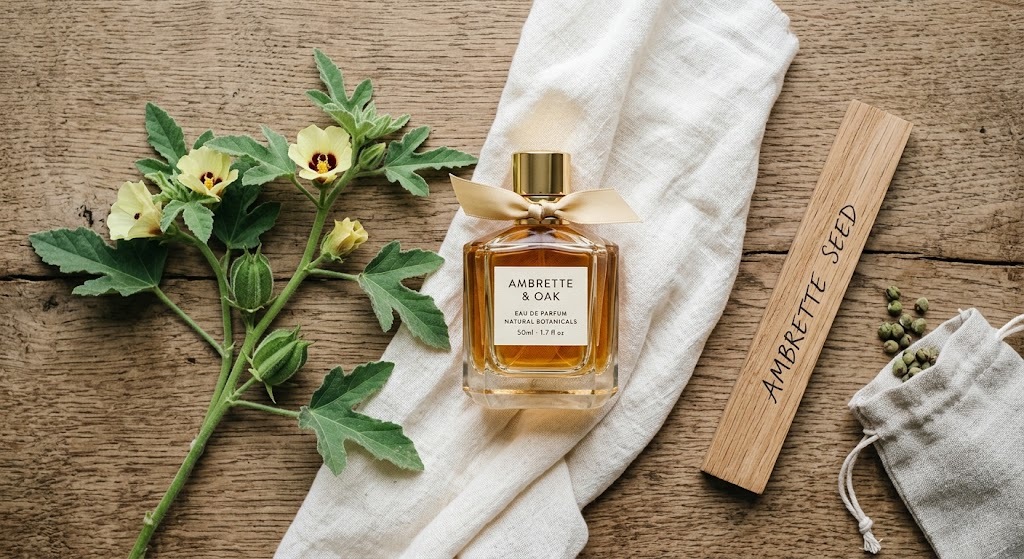
Muskmallow is another name for ambrette, the aromatic seed of Abelmoschus moschatus. The plant belongs to the Malvaceae, or mallow, family and is associated with regions of India and other tropical areas.
The fragrant material comes primarily from the plant’s seeds. The seeds can be processed to produce an aromatic oil used in perfumery. COSMILE Europe also identifies musk mallow as an ingredient used for fragrance and describes preparations from the plant as helping perfume cosmetic products.
The name “musk mallow” gives you an immediate clue about its personality. It combines the botanical identity of the mallow plant with its distinctive musky aroma.
Why are perfumers interested in it?
Traditional animal musk has a very different history and profile. Ambrette became valuable partly because it offers a plant-derived musky effect with a softer, gentler character. The Perfume Society describes ambrette as musky and slightly sweet and notes its historical role as an alternative to animal musk.
Today, perfumers have access to an enormous palette of synthetic musks as well as natural materials. Yet ambrette remains fascinating because its aroma has a distinctive softness that can make a composition feel intimate rather than obviously “musky.”
That quality fits perfectly with the modern skin-scent movement.

Muskmallow isn’t a new ingredient
This distinction matters. Calling muskmallow the “newest” ingredient can make it sound as if perfumers only discovered it recently.
They didn’t.
Ambrette has a long history in perfumery. What has changed is consumer interest in the type of fragrance it creates. Modern perfume lovers increasingly gravitate toward fragrances described as clean, warm, personal, soft, minimalist, and close to the skin.
Muskmallow fits that mood exceptionally well.
And the broader fragrance industry continues to invest heavily in innovation. According to the International Fragrance Association, the European fragrance sector alone includes around 800 firms and a market worth at least €8 billion, with approximately 8% of revenues spent on research and development.
In other words, today’s fragrance trends aren’t happening in isolation. Perfumers are constantly exploring natural, synthetic, and bio-based materials to create new interpretations of familiar scent ideas.
Muskmallow Fragrance: What Does It Actually Smell Like?
If you’ve never smelled muskmallow on its own, imagine something between soft musk, powdery warmth, gentle sweetness, and a slightly floral, seed-like richness.
It isn’t usually the loudest note in a perfume. Instead, it often works behind the scenes, helping create texture and a smooth transition between other notes.
Muskmallow has a soft, skin-like musk character
The easiest way to understand muskmallow is to forget the aggressive idea of “musk.”
Some musks can smell very clean and laundry-like. Others can feel powdery, animalic, woody, or almost metallic. Ambrette tends to occupy a softer space.
Its aroma is often described as sweet, floral, musky, and slightly powdery.
On skin, that can translate into a fragrance that feels warm and naturally integrated with your own scent.
This is one reason ambrette works so well in perfumes designed to smell personal rather than room-filling.
Instead of announcing, “I’m wearing perfume,” the effect can feel closer to, “I just naturally smell this good.”
That’s the magic of a good skin scent.
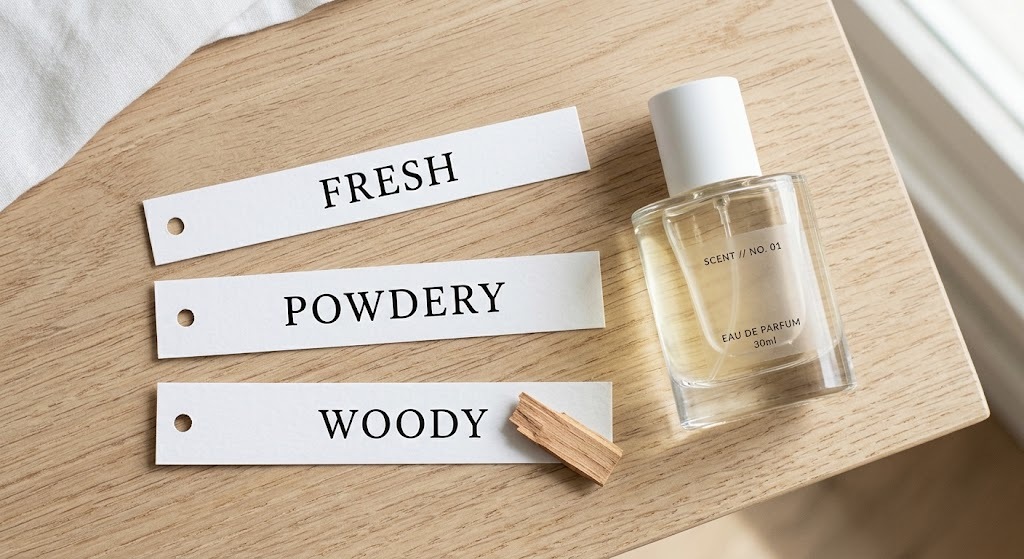
It can feel fresh, powdery, and warm at the same time
One of the most interesting things about muskmallow is its versatility.
Depending on the formula surrounding it, ambrette can feel:
- Fresh and airy
- Powdery and clean
- Warm and slightly sweet
- Floral and delicate
- Woody and earthy
- Softly sensual without becoming heavy
- Creamy and smooth
This makes it useful across many fragrance families.
For example, pair ambrette with citrus and it can help soften the brightness. Combine it with woods and it can add warmth. Place it beside iris and the result can become beautifully powdery. Add clean musks and ambroxan, and you can get the familiar “warm skin” effect that has become so popular.
Muskmallow can help create a “your skin but better” effect
This is where the ingredient becomes especially relevant.
Glossier’s Glossier You is a famous example of the skin-scent concept. The brand describes the fragrance as soft, warm, and familiar, with pink pepper, iris, ambrette, and ambrox forming its key structure. Glossier specifically says its base of ambrette and ambrox wears close to the skin.
That doesn’t mean ambrette alone creates the entire effect. Fragrance is an orchestra, not a solo performance.
However, ambrette can contribute to that intimate, soft-focus quality that makes a perfume feel like part of you rather than something sitting on top of you.
How to Wear a Muskmallow Perfume
If you’re curious about muskmallow, you don’t need to become a fragrance expert overnight. The easiest approach is to test it on your own skin and pay attention to how the perfume changes.
Here is a simple step-by-step method.
1. Start with clean, moisturized skin
Apply your fragrance after showering, ideally when your skin is clean and comfortable.
If your skin tends to feel dry, an unscented moisturizer can provide a smoother surface for perfume. Avoid heavily fragranced lotions at first because they can interfere with your ability to identify the ambrette character.
2. Spray lightly
Skin scents often reward restraint.
Start with one or two sprays rather than covering yourself from head to toe. Give the perfume time to settle.
Immediately after spraying, you may notice brighter opening notes. After several minutes, the fragrance begins to soften. This is when the musky heart or base can become easier to appreciate.
3. Smell again after 15–30 minutes
Don’t judge a muskmallow perfume only during the first few seconds.
Ambrette can become more apparent as brighter ingredients fade. You may notice a powdery, warm, slightly sweet texture developing underneath the perfume’s more noticeable opening.
This is also why skin testing matters.
A fragrance that smells airy on one person may smell creamier or warmer on another.
4. Check the dry-down
The dry-down is especially important for skin scents.
Wait several hours and smell your wrist again. Instead of asking, “Does this smell strong?” ask:
“What does this smell like now?”
Does it remind you of warm fabric? Clean skin? Soft powder? A cozy sweater? Fresh woods?
Those impressions tell you much more about whether ambrette-based fragrances suit your taste.
5. Try a few different muskmallow perfumes
Don’t assume every ambrette fragrance will smell alike.
For example, Jo Malone London Wood Sage & Sea Salt places ambrette seeds at the top alongside sea salt and sage, creating a fresh, mineral, woody impression.
By contrast, Byredo Mojave Ghost lists ambrette and naseberry at the top, followed by magnolia, sandalwood, violet, cedarwood, musks, and vetiver.
The same ingredient can therefore feel completely different depending on what surrounds it.
Common Muskmallow Mistakes and Myths
With skin scents becoming increasingly popular, a few misconceptions about muskmallow are worth clearing up.
1: Muskmallow is a completely new fragrance ingredient
Not exactly.
Ambrette has been known and used in perfumery for a long time. The current excitement comes from its compatibility with today’s love of soft, intimate fragrances.
Think of it as a classic ingredient having a modern comeback, not a newly invented molecule.
2: Every muskmallow perfume smells the same
Definitely not.
A perfume built around ambrette and citrus can feel sparkling and clean. One paired with iris may become powdery and elegant. Add sandalwood and violet, and the result can become creamy, woody, and sophisticated.
The formula matters just as much as the ingredient.
3: Natural means automatically better
Natural and synthetic materials each have important roles in modern perfumery.
Ambrette is a botanical material, but contemporary fragrance creation uses both natural and synthetic ingredients. The goal is usually to achieve a particular scent, performance, texture, stability, and overall composition.
So don’t choose a fragrance simply because the ingredient sounds “natural.” Smell the perfume and decide whether you actually enjoy it.
4: Skin scents should be impossible for anyone else to smell
A skin scent can still have noticeable projection.
The phrase generally describes the style and impression of a fragrance rather than a strict performance level. Some skin scents sit very close, while others leave a gentle trail.
Your skin chemistry, weather, application, and fragrance concentration can all affect the experience.
5: Muskmallow smells like marshmallow
This is an easy mistake to make because of the word “mallow.”
Muskmallow isn’t a marshmallow-style gourmand ingredient. It doesn’t automatically smell like sugar, vanilla, or toasted candy.
Its personality is much more musky, floral, powdery, and slightly sweet.
Expert Tips for Choosing an Ambrette Skin Scent
If you want to explore muskmallow without blindly buying a full bottle, start with the fragrance style you already enjoy.
Love clean fragrances?
Look for ambrette combined with citrus, airy musks, aquatic notes, or fresh woods.
These combinations can make the ingredient feel crisp and effortless rather than heavy.
Prefer powdery perfumes?
Search for ambrette paired with iris, violet, or soft floral notes.
This is where muskmallow can become especially elegant. The combination creates a velvety, powder-like impression that works beautifully for everyday wear.
Prefer warm fragrances?
Try ambrette with sandalwood, amber, vanilla, or creamy woods.
These combinations can make the fragrance feel more cocooning while retaining the soft quality that makes ambrette interesting.
Want an easy office fragrance?
A subtle ambrette-based skin scent can be a smart choice when you want something polished without an overwhelming fragrance cloud.
Still, remember that every workplace has different expectations. Start with a light application and increase only if you know the perfume wears quietly on you.
Three excellent examples to sample
Glossier You: A modern skin-scent reference featuring ambrette and ambrox beneath pink pepper and iris. Glossier describes it as a soft, warm, familiar fragrance that wears close to skin.
Jo Malone London Wood Sage & Sea Salt: A fresh woody interpretation where ambrette seeds meet sea salt and sage. The result feels breezy, mineral, earthy, and understated.
Byredo Mojave Ghost: A more polished woody-musky option combining ambrette with magnolia, sandalwood, violet, cedarwood, musks, and vetiver.
A pro tip: don’t judge the ingredient from the note pyramid alone
Perfume note lists are helpful, but they don’t tell the entire story.
A note listed prominently doesn’t necessarily mean it will dominate the fragrance. Perfumers work with proportions, materials, accords, volatility, and interactions between ingredients.
So if you see “ambrette” listed, treat it as an invitation to smell the perfume—not a guarantee of exactly how it will smell on your skin.
Is Muskmallow Worth Trying?
Absolutely—especially if you enjoy fragrances that feel soft, clean, warm, powdery, and personal.
The biggest appeal of muskmallow isn’t that it is mysterious or revolutionary. Its appeal is that it fits beautifully into the direction modern fragrance lovers already enjoy.
We’re seeing a growing appreciation for perfumes that don’t necessarily announce themselves from across the room. Instead, they create a personal scent bubble: warm skin, clean fabric, soft musk, delicate woods, powder, or barely-there sweetness.
Ambrette is perfectly suited to that aesthetic.
It can also make a fascinating bridge between natural and modern perfumery. The plant itself has a long history, while the fragrances built around it can feel remarkably contemporary.
And there is plenty of variety. Jo Malone uses ambrette to add softness to a salty, woody composition. Byredo places it within a floral-woody-musky structure. Glossier uses it alongside ambrox to create a signature close-to-skin effect.
If you’ve been searching for a perfume that smells polished without feeling overly formal, muskmallow is an ingredient worth putting on your fragrance radar.
Conclusion
Muskmallow may be having a major moment, but its story is much older than the current skin-scent trend. Better known in perfumery as ambrette, this botanical ingredient comes from Abelmoschus moschatus and is valued for its soft, musky, slightly sweet, floral character.
Its real appeal is versatility. Depending on the formula, it can feel fresh, powdery, warm, woody, creamy, or incredibly intimate.
If you already love fragrances such as Glossier You, Byredo Mojave Ghost, or Jo Malone London Wood Sage & Sea Salt, you’ve encountered the kind of modern perfume style where ambrette shines.
So, the next time you see “ambrette” or “musk mallow” on a fragrance note list, don’t skip past it. Spray it on skin, give it time to develop, and see whether that soft musky warmth becomes your next signature.
Did you find this helpful? Drop a comment below or share this with a fellow fragrance lover!
Frequently Asked Questions
Q1: What is muskmallow in perfume?
A: Muskmallow is another name for ambrette, the aromatic seed material obtained from Abelmoschus moschatus. In perfumery, it is valued for a soft, musky, slightly sweet and floral aroma. Unlike the word “mallow” might suggest, it doesn’t smell like marshmallow candy. Instead, ambrette contributes a smooth, intimate quality that works particularly well in modern skin-scent fragrances.
Q2: What does muskmallow smell like?
A: Muskmallow generally smells musky, softly floral, slightly sweet, warm, and somewhat powdery. Its exact impression can change depending on the other ingredients in a perfume. Combined with citrus, it can feel fresh; paired with iris or violet, it may seem powderier; and blended with woods, it can become warmer and more sophisticated. That versatility makes ambrette particularly useful in contemporary perfumery.
Q3: Is muskmallow the same as ambrette?
A: Yes. In fragrance terminology, muskmallow, musk mallow, and ambrette commonly refer to the same botanical source, Abelmoschus moschatus. The fragrant material comes primarily from the plant’s seeds. COSMILE Europe lists ambrette/musk mallow as a plant-derived cosmetic ingredient that can function as a fragrance ingredient.
Q4: Which perfumes contain muskmallow or ambrette?
A: Several recognizable perfumes feature ambrette. Examples include Glossier You, Byredo Mojave Ghost, and Jo Malone London Wood Sage & Sea Salt. Glossier lists ambrette in the base of You, Byredo lists ambrette among Mojave Ghost’s top notes, and Jo Malone lists ambrette seeds as a top note in Wood Sage & Sea Salt.
Q5: Is muskmallow a natural fragrance ingredient?
A: Yes. Ambrette comes from a plant, Abelmoschus moschatus, and fragrant material can be obtained from its seeds. However, it’s important to remember that a perfume containing ambrette may also contain numerous synthetic and other natural materials. Modern perfumery commonly combines different types of ingredients to achieve a desired scent, performance, and texture.
Q6: Why is muskmallow becoming popular in skin scents?
A: Muskmallow fits the modern preference for fragrances that smell soft, personal, clean, and close to the skin. Its gentle musky character can blend naturally with iris, woods, ambrox, florals, and fresh notes. That makes it particularly useful for “your skin but better” fragrances, where the goal isn’t necessarily maximum projection but a polished, intimate scent impression. Glossier You is a well-known example of this approach.
What Are Fragrance Notes? Top, Middle & Base Notes Explained
