Author: Piya

  • Best Calming Perfumes to Reduce Stress and Anxiety

    What you’ll learn

    • The scientific link between fine fragrances and emotional stress relief.
    • The top scent notes proven to trigger physical relaxation and lower cortisol levels.
    • A curated review of the market’s best calming perfumes for everyday wear.
    • Expert application techniques to maximize the soothing benefits of your daily scent.

    Introduction

    The modern world moves incredibly fast, and finding a moment of genuine peace can feel like an impossible task. When deadlines loom and obligations pile up, your nervous system often pays the price. Did you know that your sense of smell is the only sense with a direct pathway to the limbic system, the emotional and memory hub of your human brain? By choosing the right signature scent, you can deliberately tap into this neural superhighway to transform your daily mood.

    Investing in the best calming perfumes is more than just a regular beauty purchase; it is a practical form of wearable wellness. The simple act of inhaling a thoughtfully crafted fine fragrance can instantly disrupt a rising stress response. Certain botanical and synthetic molecules possess a unique ability to ground your thoughts and settle physical tension. In this comprehensive guide, we will explore the finest stress-relieving bottles on the market today. Let’s dive in.

    The Science Behind Scent and Stress Relief

    To understand why the best calming perfumes work so effectively, we have to look closely at olfactory anatomy. When you spray a fine perfume, volatile aromatic molecules travel up your nasal cavity and bind to specialized olfactory receptors. These receptors send instantaneous electrical signals to the amygdala and hippocampus, completely bypassing the rational, conscious mind. This is why a single whiff of a specific fragrance can alter your heart rate and muscle tension before you even register the smell consciously.
    The Science Behind Scent and Stress Relief

    Clinical studies in modern aromatherapy continue to reveal fascinating insights regarding stress mitigation. For instance, recent medical research published in early 2026 reaffirmed that inhaling specific botanical isolates, such as lavender and peppermint, drastically reduces the systemic release of cortisol, the body’s primary stress hormone. When you wear a luxury perfume that incorporates these soothing ingredients, you carry a invisible shield against daily anxiety. The right daily fragrance acts as a gentle, consistent reminder to slow down, take deep breaths, and remain anchored in the present moment.

    The Best Calming Perfumes for Ultimate Serenity

    Selecting a beautiful scent for anxiety relief requires looking past flashy marketing and focusing entirely on high-quality ingredients. The ideal compositions combine raw natural extracts with sophisticated synthetic foundations to create a comforting, personal cocoon. Let us break down the premier categories of soothing fine fragrances that deserve a permanent spot on your vanity.

    The Lavender Pioneers

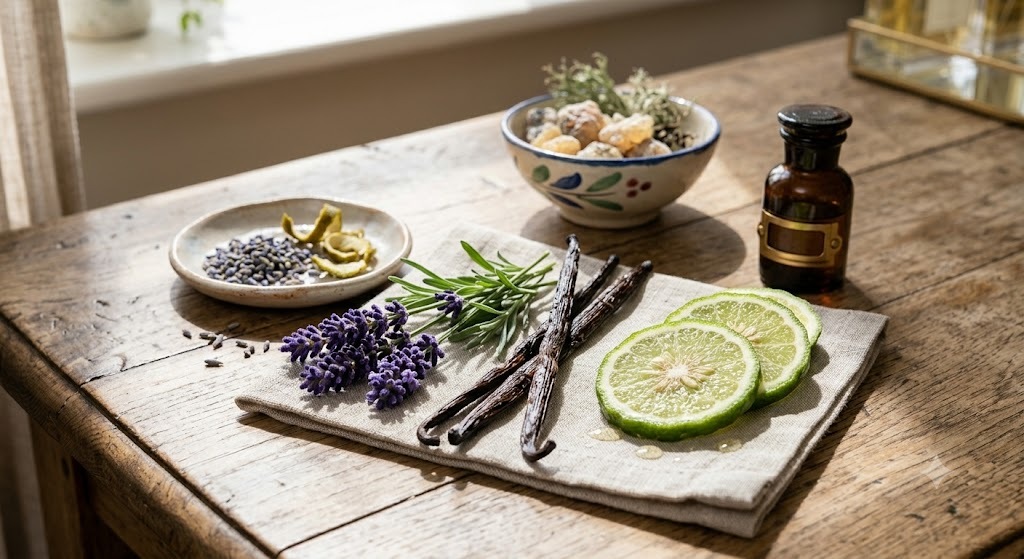
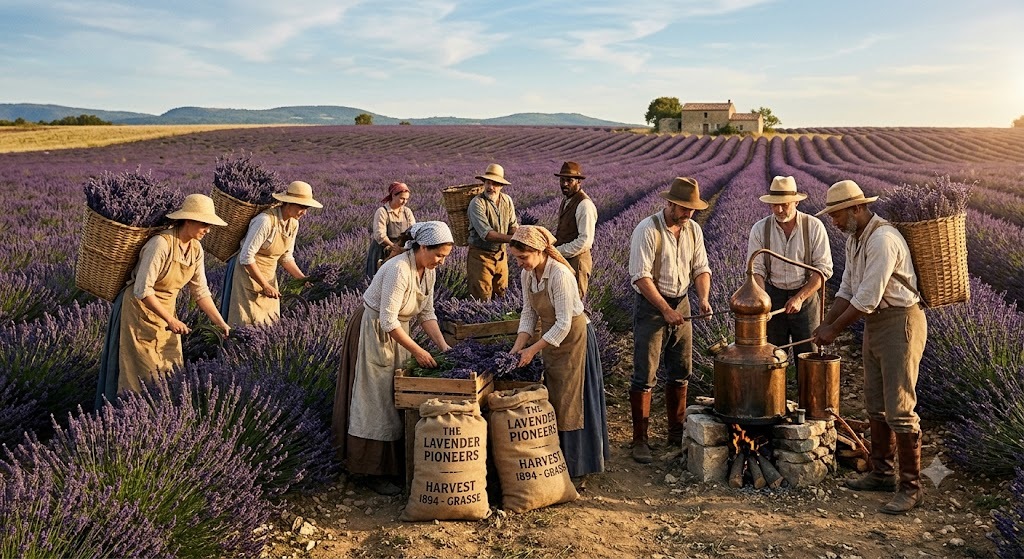
    Lavender has long held the title of the ultimate relaxation herb for very good reasons. Clinical trials consistently show that the natural compounds linalool and linalyl acetate present in lavender lower blood pressure and decrease nervous system hyperactivity. In fine perfumery, modern houses have successfully rescued this classic note from feeling outdated or medical. Today’s top blends pair clean French lavender with sophisticated, upscale accords.

    A brilliant example of this modern execution is Guerlain Mon Guerlain Eau de Parfum. This stunning creation anchors fresh Carla lavender alongside a rich, warm base of Tahitian vanilla and creamy Australian sandalwood. The result is a profoundly powdery and comforting aroma that envelopes the wearer like a plush cashmere blanket. It offers all the scientifically backed benefits of lavender while remaining completely elegant, sophisticated, and office-appropriate.

    The Warm Vanilla and Musk Cocoons

    When anxiety makes you feel overly exposed or raw, sweet gourmand notes and soft white musks provide an excellent emotional anchor. Vanilla contains natural aromatic compounds that evoke a primal sense of safety, warmth, and nostalgic comfort. Meanwhile, modern synthetic musks mimic the gentle warmth of clean human skin, generating a beautiful, intimate scent bubble that centers the mind.

    For a deeply grounding option, Jo Malone London Myrrh & Tonka Cologne Intense delivers an incredible sense of luxury peace. The fragrance opens with a whisper of lavender before settling into an incredibly rich heart of warm Namibian myrrh and sweet, powdery tonka bean. It feels substantial, grounding, and delightfully protective. If you prefer something lighter for daytime wear, Glossier You relies heavily on soft ambrox and warm iris to create a clean, personal aura that gently settles frayed nerves.

    The Earthy and Woody Anchors

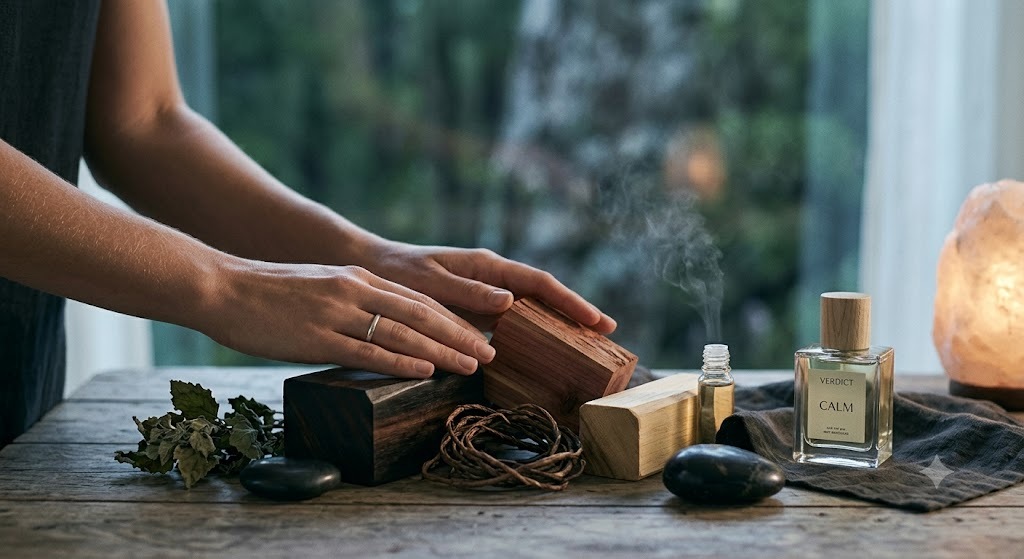
    If floral or sweet perfumes tend to give you a headache when you are stressed, look toward the forest floor. Woody notes like creamy East Indian sandalwood, clean cedar, and earthy Haitian vetiver are highly celebrated for their grounding, meditative qualities. Sandalwood, in particular, has been utilized for thousands of years in spiritual ceremonies due to its documented ability to quiet mental chatter and encourage deep, rhythmic breathing.
    The Earthy and Woody Anchors

    Le Labo Santal 33 remains a classic choice for individuals seeking an earthy, ultra-calming sanctuary. By blending rich sandalwood with spicy cardamom, leathery accords, and smoky cedarwood, it provides a very steadying, comforting presence throughout a chaotic workday. Another exceptional option is Maison Margiela Replica Autumn Vibes, which utilizes clean balsam fir, earthy moss, and warm nutmeg to recreate the soothing, peaceful experience of a quiet walk through a crisp autumn forest.

    How to Build a Soothing Daily Fragrance Ritual

    Owning the best calming perfumes is only half the battle; how you apply them determines their overall therapeutic impact. Instead of mindlessly spraying your perfume as you rush out the front door, turn the application into a deliberate mindfulness practice. Treat the fragrance as a portable anchor for your mental well-being.

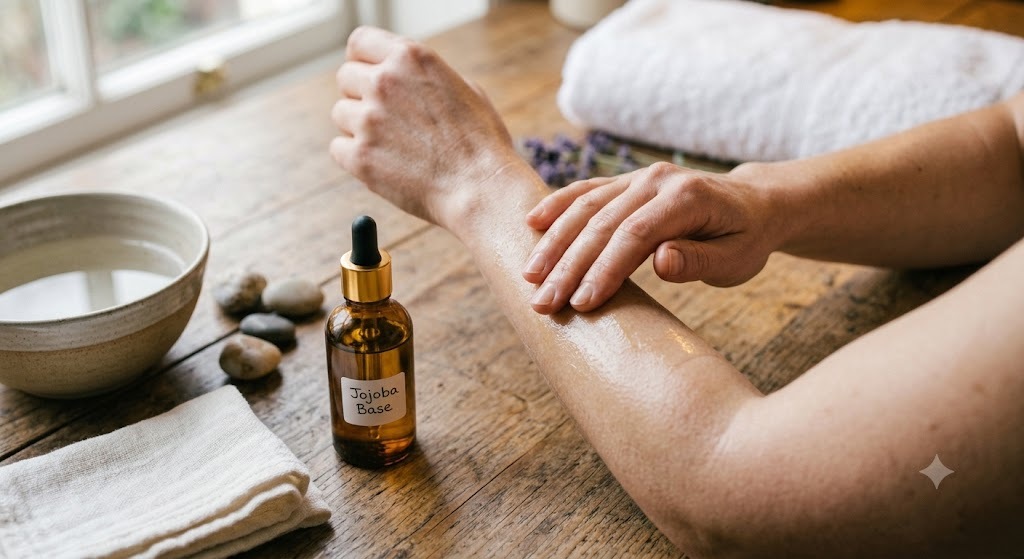
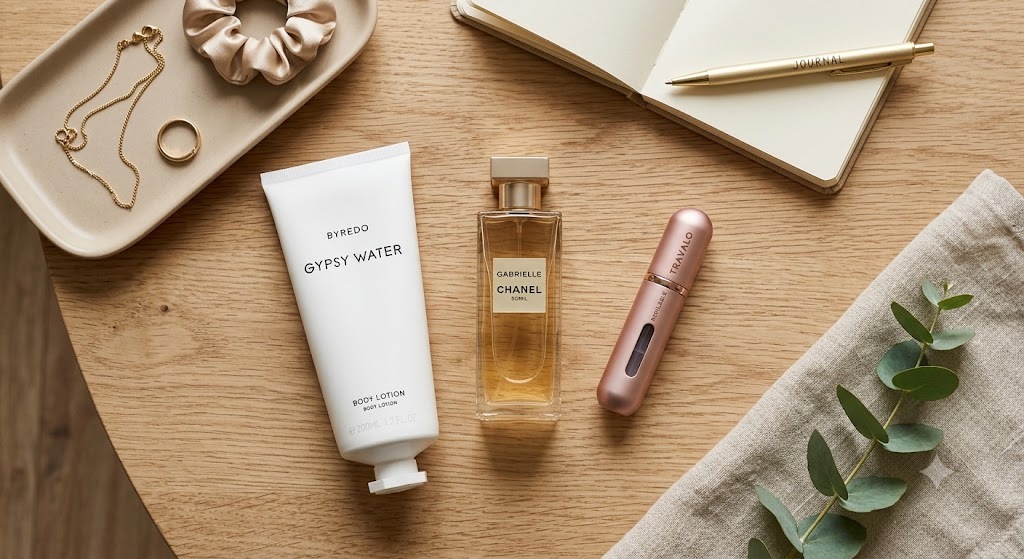
    1. Hydrate the Skin First: Apply an unscented lotion or rich body oil to your skin before spraying your luxury perfume. Fragrance molecules bind tightly to lipid layers, which ensures your calming scent lasts significantly longer through stressful afternoon meetings.
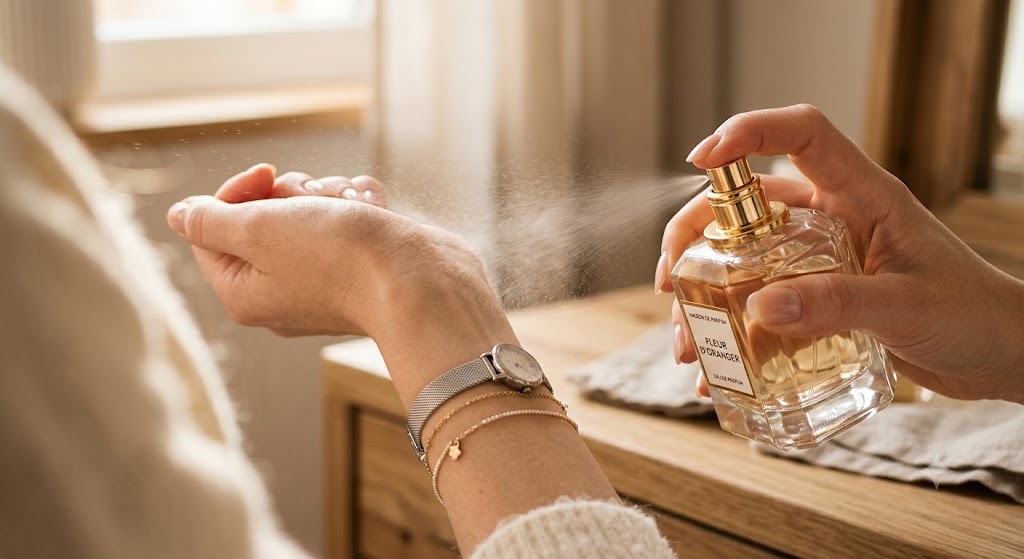
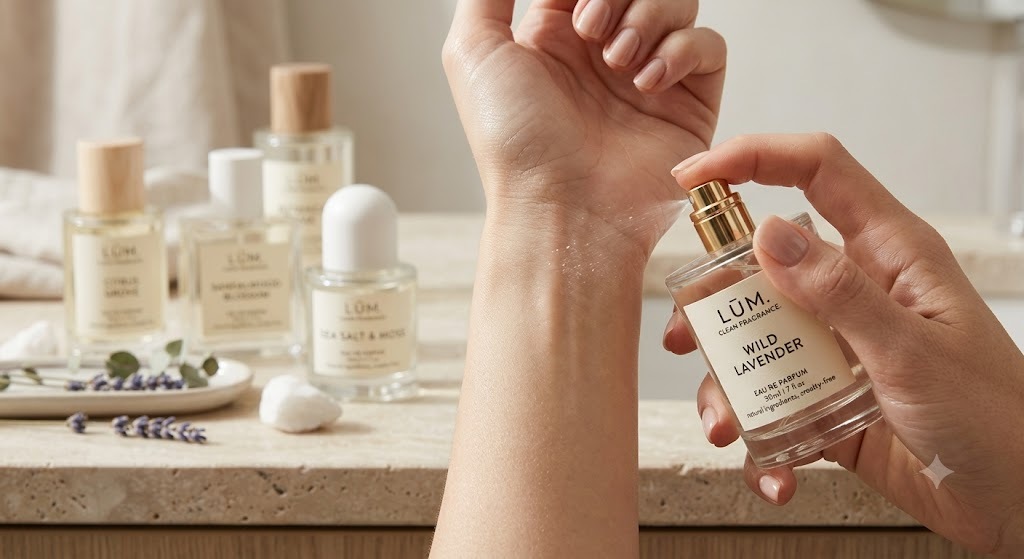
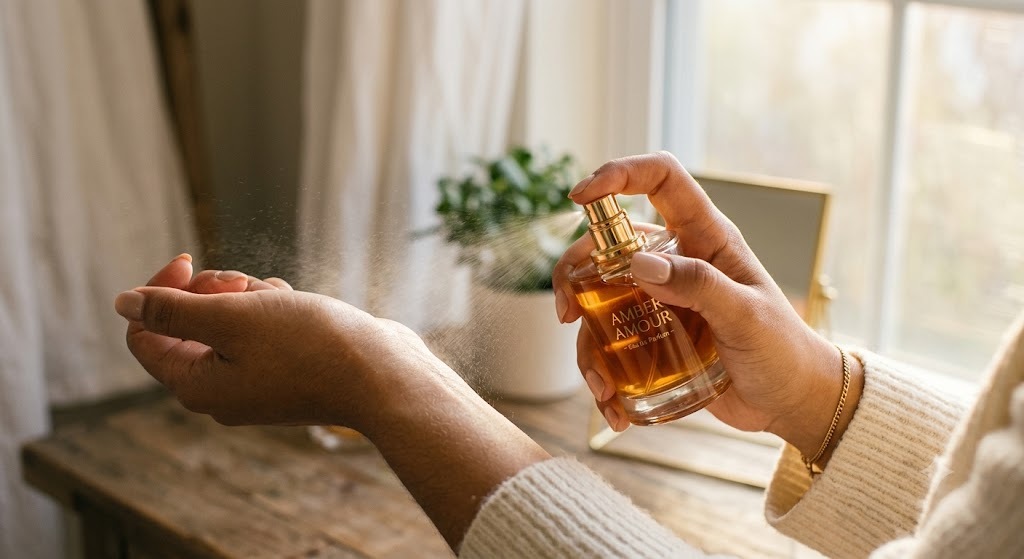
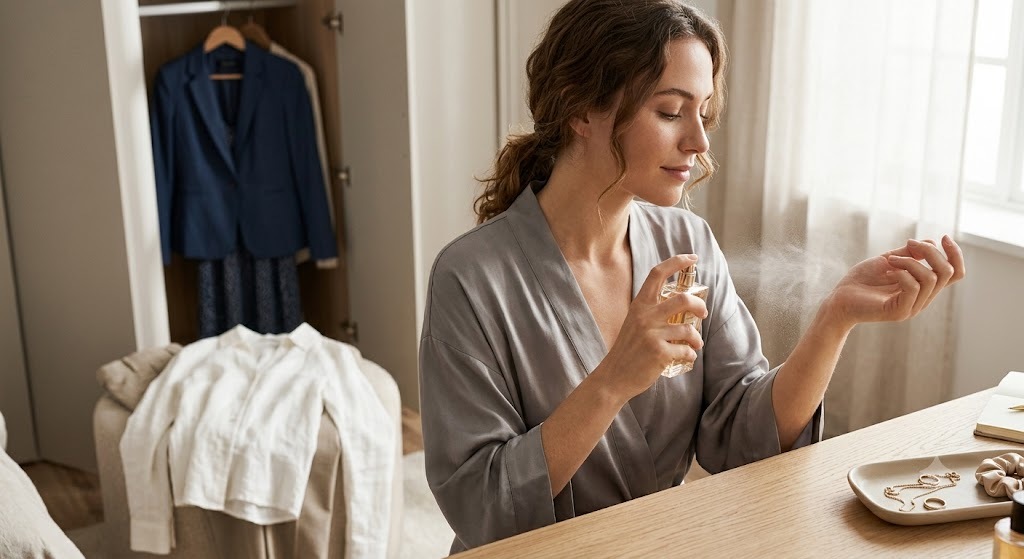
    2. Target Your Ultimate Pulse Points: Spray the perfume directly onto your wrists, the warm hollow of your throat, and behind your ears. The natural heat generated by these specific areas will gently volatilize the fragrance oils, creating a steady release of soothing aroma throughout the day.
    3. The Scent-Induced Breathing Anchor: Once you apply your perfume, bring your wrists close to your nose. Close your eyes tightly and take three slow, deep belly breaths, inhaling the scent deeply for four seconds, holding for four, and exhaling for four. This simple ritual conditions your nervous system to pair the fragrance with immediate physical relaxation.

    Myths and Mistakes to Avoid with Calming Scents

    A frequent mistake many fragrance lovers make is confusing high-intensity powerhouse perfumes with therapeutic ones. When your mind is already overstimulated, heavy sillage (the scent trail a perfume leaves behind) can actually exacerbate stress. Loud, aggressive, or overly complex perfumes can act as an unwanted sensory assault on an already exhausted brain. Opt instead for intimate skin scents or softer concentrations like an Eau de Toilette during high-stress periods.

    Another common myth is believing that a perfume must be 100% all-natural or organic to offer genuine relaxation benefits. While pure essential oils are wonderful for a bedroom diffuser, professional fine perfumery relies heavily on safe, high-grade synthetic molecules. Modern synthetics like clean aldehydes, soft ambroxan, and creamy musks provide structural longevity and complex nuances that natural oils cannot achieve alone. Do not restrict your search to purely botanical brands; luxury perfume houses offer highly effective calming blends engineered for excellent skin safety and long-lasting wear.Pro Tips for Crafting a Stress-Free Scent Wardrobe

    To elevate your wellness journey, consider the art of fragrance layering to design a highly personalized, custom comfort blend. You can easily start by applying a very simple, single-note base, such as a rich sandalwood or clean white musk body oil. Once that absorbs, mist your favorite complex floral or citrusy perfume directly over it. This technique creates an entirely unique sensory profile while lengthening the lifespan of the calming base notes.

    Furthermore, do not limit your favorite stress-reducing scents strictly to your skin. Try lightly spritzing a clean linen spray or a diluted Eau de Toilette over your office workspace chair, your favorite cozy winter scarves, or your cotton bedroom pillowcases before sleep. As you move around during your day, the friction will gently release subtle, unexpected wafts of familiar aroma, keeping your mind beautifully centered. If you want to expand your fragrance collection even further, check out our helpful guide on.

    The Final Verdict on Calming Fragrances

    Finding your perfect bottle among the best calming perfumes comes down to identifying which sensory families speak directly to your unique soul. If you thrive on clean, nostalgic comfort, lean heavily into warm vanillas and powdery musks. If you crave structure and mental clarity when chaos hits, choose the grounding stability of rich sandalwood, cedarwood, and earthy vetiver.

    Remember that perfume is deeply subjective and intimately tied to your personal life experiences. A scent that brings immense peace to one individual might leave another completely indifferent. Take your time, test small sample vials on your warm skin over several days, and observe how your body physically responds to the dry-down. Your perfect calming match is waiting to be discovered.
    The Final Verdict on Calming Fragrances

    Conclusion

    Navigating the modern world requires every wellness tool at our disposal, and our sense of smell is undoubtedly one of our most underutilized superpowers. By introducing the best calming perfumes into your morning routine, you build a reliable sanctuary of peace that stays with you all day long. Whether you choose a classic, sophisticated lavender or a deeply grounding, velvety sandalwood, the right fragrance will help you breathe easier.

    Allow your collection to evolve naturally alongside your mental health needs. Treat every spray as an opportunity to pause, reset, and check in with your well-being. Did you find this helpful? Drop a comment below or share this with a fellow fragrance lover!

    Frequently Asked Questions

    Q1: What are the absolute best calming perfumes for someone with severe everyday anxiety?

    A: While fragrances are wonderful tools for emotional support, they are not medical cures for clinical anxiety. However, the best calming perfumes to soothe your nerves are those rich in lavender, chamomile, sandalwood, and soft white musks. Look for well-balanced, elegant bottles like Guerlain Mon Guerlain or Le Labo Santal 33 to provide a reassuring sense of structure and daily comfort.

    Q2: Can specific perfume notes actually lower my physical stress levels?

    A: Yes, scientific research shows that specific natural notes can actively reduce physiological markers of stress. Inhalation of authentic lavender, rosemary, and bergamot extracts has been shown to lower heart rates, reduce systemic cortisol production, and settle autonomic nervous system activity. Fine perfumes containing these ingredients offer beautiful, real-world aromatherapy benefits.

    Q3: Is it better to choose an Eau de Parfum or an Eau de Toilette for relaxation?

    A: If you want a long-lasting, deep scent bubble that anchors you for eight-plus hours, choose an Eau de Parfum due to its higher concentration of rich base oils. However, if strong smells overwhelm you when stressed, an Eau de Toilette offers a lighter, fresher, and more subtle alternative that will not overstimulate your senses.

    Q4: How does vanilla help reduce stress if it is not a traditional medicinal herb?

    A: Vanilla operates primarily through powerful psychological mechanisms. The sweet, warm aroma of vanilla is universally associated with safety, warmth, and childhood memories, such as baked goods. Olfactory scientists believe these positive subconscious associations induce a primitive sense of emotional security, making vanilla exceptionally soothing during moments of high stress.

    Q5: Should I avoid synthetic ingredients if I want a truly calming experience?

    A: Not at all! Modern fine perfumery requires high-quality synthetics to achieve beauty, safety, and longevity. Clean synthetic musks, ambroxan, and soft aldehydes are meticulously engineered to be incredibly gentle on the skin while providing a soft, comforting skin-scent effect that pure essential oils simply cannot replicate on their own.

    Q6: Where is the absolute best place to apply perfume for personal stress relief?

    A: Apply your perfume to pulse points that sit close to your face, such as the upper chest, the warm hollow of your throat, and your inner wrists. Applying to your wrists is especially effective because it allows you to easily lift your hands up to your nose for intentional, deep-breathing exercises whenever you need an immediate reset.

    Can Perfume Actually Boost Your Mood? The Science Explained

    How to Store Perfume Properly: The Complete Guide to Perfume Shelf Life, Storage & Preservation

  • Can Perfume Actually Boost Your Mood? The Science Explained

    What you’ll learn

    • The biological link between your olfactory system and the brain’s emotional center.
    • Specific scent families proven to trigger happiness, calm, and focus.
    • How to build a personal “scent wardrobe” tailored to your daily emotional needs.
    • Pro tips for making your uplifting fragrances last significantly longer.

    Introduction

    Imagine waking up on a gray, rainy Tuesday feeling completely drained of energy. You walk over to your vanity, spritz a vibrant, sparkling citrus cologne, and suddenly feel a wave of optimism wash over you. Can perfume actually boost your mood so instantly, or is it all just clever marketing by luxury beauty houses?

    The truth is much more fascinating than simple wishful thinking. Scientists have spent decades studying the profound connection between our sense of smell and our psychological well-being. Every mist of your favorite fragrance delivers microscopic aroma molecules that interact directly with your brain biology.

    Understanding how scent alters our emotional state can transform the way you approach your daily beauty routine. Let’s dive in.

    The Psychology and Biology of Scent

    To appreciate why a specific bottle of fragrance can shift your mindset, we must look at human anatomy. Your sense of smell is the only human sense that bypasses the thalamus—the brain’s traditional relay station. Instead, scent molecules travel directly to the olfactory bulb, which has immediate access to the amygdala and the hippocampus.

    These twin structures form the heart of the limbic system, the ancient brain region responsible for processing emotions, survival instincts, and vivid memories. This direct neural pathway explains why a single whiff of a powdery lavender perfume can instantly transport you back to your grandmother’s garden. It triggers a profound sense of comfort before your conscious mind even registers the specific ingredients.

    Aromachology, the scientific study of the relationship between psychology and fragrance technology, confirms that scents exert measurable effects on our behavior. Research shows that olfactory stimulation can alter brain wave patterns, heart rates, and cognitive performance. When we ask if fragrance can change how we feel, science answers with a resounding yes.

    The Psychology and Biology of Scent

    How Different Scent Families Alter Your Mindset

    Perfumery relies on a diverse wheel of fragrance families, each possessing its own unique emotional signature. By learning how these aromatic profiles interact with your nervous system, you can consciously select scents to manipulate your daily state of mind.

    Citrus Profiles for Dynamic Energy

    If you need an immediate wake-up call that rivals your morning espresso, look directly to the citrus family. Scents featuring dominant notes of bright bergamot, tangy grapefruit, zesty lemon, and sweet mandarin act as instant stimulants for the central nervous system. These volatile top notes evaporate quickly but leave behind a trail of pure, vibrant optimism.

    Neurological studies suggest that the inhalation of citrus oils, particularly bergamot, can significantly reduce cortisol levels in the human body. This reduction helps dispel feelings of fatigue and sluggishness while promoting high-level mental clarity. A stellar real-world example is Maison Margiela Replica Under the Lemon Trees, which captures the invigorating essence of a sun-drenched Italian orchard to battle mental fog.

    Floral Notes for Comfort and Deep Serenity

    Floral fragrances represent the diverse heart of traditional perfumery, offering profound emotional balancing benefits. Classic white florals like rich jasmine and voluptuous tuberose contain high concentrations of indoles, which possess naturally relaxing properties. Meanwhile, the timeless elegance of fresh rose notes promotes feelings of safety, self-compassion, and gentle emotional healing.

    Lavender stands out as the ultimate champion for stress reduction and evening relaxation. Its high content of linalool relaxes overactive nervous systems and encourages deep, restorative sleep. For a luxurious dose of tranquility after a high-stakes workday, a light spray of Jo Malone London Amber & Lavender provides an exquisitely soothing sanctuary.

    Earthy and Woody Bases for Grounding Stability

    When the modern world feels chaotic and overwhelming, woody and earthy fragrances offer a solid psychological anchor. Notes of rich sandalwood, smoky vetiver, dry cedarwood, and green oakmoss connect us subconsciously to the stabilizing rhythms of nature. These warm, complex base notes linger on the skin for many hours, providing a continuous sense of security.

    Sandalwood contains chemical compounds that closely mimic human pheromones, which induces a state of quiet confidence and inner peace. Vetiver, often referred to as the “oil of tranquility” in traditional wellness practices, actively quietens a spinning, anxious mind. Wearing an earthy masterpiece like Tom Ford Oud Wood can make you feel utterly unshakable during stressful business presentations.

    Step-by-Step Guide to Coding Your Emotions with Perfume

    Harnessing the emotional power of fragrance requires more than just spraying a random bottle before running out the door. You can intentionally design a personal scent ritual that conditions your brain for success throughout the day. Follow this structured approach to optimize your olfactory wellness routine.

    1. Conduct a Morning Mindset Audit: Before reaching for a bottle, check in with your current mental state. Are you anxious and needing calm, or are you exhausted and needing a major spark of motivation?
    2. Layer for Emotional Progression: Apply a bright citrus or green scent on your pulse points for an immediate morning boost, backed by a warm vanilla or amber base that will emerge later to comfort you during the afternoon slump.
    3. Anchor Your Fragrance to Specific Tasks: Reserve a distinct, sharp fragrance—like a crisp mint or eucalyptus blend—exclusively for deep, focused work sessions. Over time, your brain will recognize this scent as an instant cue to focus.
    4. Create a Nighttime Decompression Ritual: Roughly thirty minutes before bed, mist your linens and skin with a comforting, powdery blend of lavender, chamomile, or soft white musks to signal to your brain that it is safe to sleep.
    Step-by-Step Guide to Coding Your Emotions with Perfume

    Common Myths About Fragrance and Mental Wellness

    As the popularity of functional fragrance continues to grow, several misconceptions have emerged online. Dismantling these myths helps you make smarter purchasing decisions and maintain realistic expectations for your scent collection.

    The biggest myth circulating in beauty spaces is that synthetic perfume molecules do not offer any emotional or therapeutic benefits. Many consumers assume that only 100% all-natural essential oils can influence the human brain. In reality, high-quality synthetic aroma compounds designed by expert perfumers replicate natural molecular structures perfectly and can trigger the exact same positive limbic responses.

    Another common mistake is assuming that a perfume that makes your friend feel blissful will have identical effects on you. Olfactory preferences are deeply tied to personal memories and cultural backgrounds. If a childhood bully wore a specific rose perfume, that scent will likely trigger stress for you, regardless of the rose’s naturally soothing properties. Trust your own nose over generic internet recommendations.

    Pro Insider Secrets for Designing a Functional Scent Wardrobe

    To truly elevate your fragrance game, you should view your collection as an emotional toolkit rather than a static display of status symbols. Expert perfumers recommend curating a balanced “scent wardrobe” that covers the entire spectrum of human emotion. You need distinct choices for energy, focus, romance, comfort, and unshakeable power.

    When testing new fragrances to add to your rotation, always observe how the notes evolve over a full eight-hour wear cycle. A perfume that opens with a wildly energizing burst of green apple might dry down into a heavy, dark patchouli that makes you feel somber. Let the juice develop completely on your warm skin before deciding if it matches your desired emotional profile.

    If you are eager to learn more about how different perfume structures perform throughout the year, be sure to check out our comprehensive guide on [How to Choose the Perfect Signature Fragrance for Every Season]. Matching your scent’s molecular weight to the ambient temperature dramatically enhances both its longevity and its psychological impact.

    The Ultimate Takeaway on Fragrance and Mood Enhancement

    At its core, utilizing perfume as a mood enhancer is a beautiful blend of rigorous neurobiology and artistic self-expression. By moving past generic marketing claims and understanding scent families, you gain the power to influence your emotional state with a simple click of an atomizer.

    Investing in high-quality fragrances is not merely an act of vanity; it is a legitimate form of sensory self-care. Whether you need the vibrant rejuvenation of Mediterranean citrus or the protective comfort of rich East Indian sandalwood, there is a bottle waiting to assist you. Treat your collection as a delicious daily prescription for happiness.

    The Ultimate Takeaway on Fragrance and Mood Enhancement

    Conclusion

    So, can perfume actually boost your daily mood and elevate your mental clarity? The scientific evidence clearly demonstrates that our olfactory pathways have a direct line to the emotional core of our brains. By choosing your daily fragrance with clear intention, you can easily manifest feelings of calm, energy, or fierce confidence.

    The next time you spray on your favorite luxury scent, take a slow, deep breath and consciously welcome the emotional transformation. Your fragrance is a silent, invisible superpower that shapes your reality every single day.

    Did you find this helpful? Drop a comment below or share this with a fellow fragrance lover!

    Frequently Asked Questions

    Q1: Can perfume actually boost your mood if you are feeling deeply stressed?

    A: Yes, targeted fragrances can rapidly mitigate feelings of mild stress by directly stimulating the limbic system to lower heart rates. Soothing notes like lavender, chamomile, and sandalwood encourage the brain to reduce cortisol production. However, while perfume is an excellent daily stress-management tool, it should be used to complement proper lifestyle choices rather than replace medical treatments for clinical anxiety.

    Q2: Which specific perfume notes are the best for increasing focus at work?

    A: If you need to boost productivity and sharp mental focus, look for fragrances rich in peppermint, eucalyptus, rosemary, and sharp citrus notes like lemon or white grapefruit. These specific botanical profiles stimulate cognitive processing, increase alertness, and help combat afternoon brain fog. Cultivating a dedicated “focus scent” helps condition your brain to enter a productive flow state much faster.

    Q3: Why does a specific fragrance suddenly make me feel incredibly sad?

    A: This phenomenon occurs because the olfactory bulb shares a direct neural highway with the hippocampus, the brain’s primary memory center. If a specific scent profile is present during a distressing or sorrowful time in your past, your brain permanently links that aroma to sadness. When you smell it again years later, the emotional memory triggers instantly, demonstrating the raw power of scent association.

    Q4: How long do the mood-boosting effects of a top note last?

    A: The immediate, high-energy impact of volatile top notes, such as citrus and light green mint, typically lasts between 15 to 30 minutes on the skin. However, as the fragrance develops, the heart and base notes take over to provide sustained emotional support. A warm amber or grounding cedarwood base note can continue to provide comfort and stability for up to eight hours.

    Q5: Can synthetic ingredients in modern perfumes affect emotions like natural oils do?

    A: Absolutely. Modern synthetic aroma compounds are masterfully engineered to interact with human olfactory receptors in the exact same manner as natural botanicals. In many instances, high-quality synthetic notes are more stable and reliable than raw materials, delivering a consistent emotional trigger. The brain reacts directly to the specific molecular shape of the scent, regardless of whether it was created in a lab or picked from a field.

    Q6: How many sprays of an uplifting perfume are needed to experience the mental benefits?

    A: You only need two to three strategic sprays to enjoy the full psychological benefits of an uplifting fragrance. Apply the perfume directly to warm pulse points, such as your wrists, the sides of your neck, or even your inner elbows. These warm areas help release the aroma molecules consistently into your personal breathing zone, allowing you to inhale the therapeutic benefits all day long.

    Best Hypoallergenic Perfumes for a Sensitive Nose

    The Complete Guide to Fragrance Notes: What They Are & How They Define Your Scent

  • Best Hypoallergenic Perfumes for a Sensitive Nose

    What you’ll learn

    • Why some perfumes trigger sneezing, headaches, or skin irritation — and others don’t
    • The specific hypoallergenic perfumes worth trying in 2026
    • How to read a fragrance label like a pro before you buy
    • Mistakes that make sensitivities worse, and expert tips for wearing scent safely

    Introduction

    You spritz your wrist, and thirty seconds later your eyes are watering and your head is pounding. If that sounds familiar, you already know why hypoallergenic perfumes matter more than any other beauty category on your shelf.

    The good news: a sensitive nose doesn’t mean you have to give up fragrance entirely. It means you need to shop differently, read labels more carefully, and know which brands are actually formulating with sensitivity in mind rather than just slapping “gentle” on a bottle.

    This guide walks through what makes a fragrance irritating in the first place, which hypoallergenic perfumes are genuinely worth your money, and how to build a scent routine that won’t leave you reaching for the antihistamines.

    Let’s dive in.

    Why Some Perfumes Trigger Reactions and Others Don’t

    Traditional perfumes can contain anywhere from 50 to several hundred aromatic compounds in a single formula. Any one of them can be a potential irritant for someone with sensitive skin or a reactive respiratory system.

    The biggest culprits tend to be synthetic musks, certain essential oils used in high concentration, and a preservative-like compound called oakmoss, which is heavily restricted in the EU because of its allergy potential.

    Fragrance for sensitive skin isn’t about “natural versus synthetic” — that’s a common myth. Plenty of natural essential oils, like cinnamon or citrus peel oils, are more likely to irritate than lab-created, allergen-screened synthetic molecules.

    Why Some Perfumes Trigger Reactions and Others Don't

    What actually matters is concentration, the presence of known allergens (the EU maintains a list of 26, soon expanded to over 80, fragrance allergens that must be disclosed on labels), and how a formula is built. Simpler formulas with fewer raw materials generally mean fewer chances for a reaction.

    The Best Hypoallergenic Perfumes to Try

    This is the part you came for. Below are fragrance houses and specific releases that are genuinely formulated with sensitivity in mind, not just marketed that way.

    Skylar

    Skylar built its entire brand around being hypoallergenic, vegan, and made without the most common irritating ingredients, including phthalates and parabens. Their Vanille Vanille and Isle scents are soft, warm, and rarely trigger the sneeze-and-sniffle reaction that heavier florals can cause.

    What sets Skylar apart is transparency. Every ingredient is listed clearly, and the brand explicitly formulates around a published list of allergens to avoid. For a first-timer rebuilding trust with fragrance, this is often the easiest entry point.

    Henry Rose

    Founded by actress Michelle Pfeiffer, Henry Rose is one of the few perfume lines independently verified by the Environmental Working Group for ingredient safety. Every fragrance in the line, including the popular Undone and Torn scents, discloses its full ingredient list, which is almost unheard of in traditional perfumery.

    The formulas skew toward soft musks, clean woods, and light fruit notes rather than heavy, resinous bases. That lighter construction tends to be much easier on sensitive skin and sinuses.

    Phlur

    Phlur’s Missing Person became a viral favorite, and part of its appeal is how it wears: close to the skin, warm, and not overpowering. The brand avoids some of the harsher synthetic amplifiers found in mass-market perfumes, which makes their scents a gentler option for reactive skin types.

    Step-by-Step: How to Shop Hypoallergenic

    Finding the right hypoallergenic perfume isn’t just about picking a “clean” brand off a shelf. Follow these steps to shop smarter.

    1. Check the ingredient list first, not the marketing copy. Look for shorter formulas and avoid anything that just says “fragrance” or “parfum” with no further breakdown.
    2. Patch test on skin before spraying near your face. Apply a small amount to your inner forearm and wait 24 to 48 hours before deciding it’s safe.
    3. Start with lower concentrations. An eau de toilette has less fragrance oil than an eau de parfum, which means fewer irritants reaching your skin per spray.
    4. Avoid known heavy irritants. Watch for high concentrations of cinnamal, oakmoss, and certain synthetic musks if you have a documented sensitivity.
    5. Test in-store, then wait before buying. Fragrance changes over several hours as it dries down; a reaction can also take time to develop, so don’t buy on the first sniff.
    How to Shop Hypoallergenic

    Common Mistakes People Make With Sensitive Fragrance Shopping

    Assuming “natural” always means safer. As mentioned earlier, natural essential oils can be just as irritating, sometimes more so, than synthetic alternatives.

    Layering too many scented products. Scented lotion, scented laundry detergent, and perfume all stacked together multiply your total allergen exposure, even if each product alone seems fine.

    Ignoring alcohol content. High-alcohol formulas can dry out and irritate already-sensitive skin, independent of the fragrance oils themselves.

    Buying based on a friend’s recommendation alone. Sensitivity is highly individual. A scent that’s perfectly gentle on one person’s skin can still cause a reaction on yours.

    Skipping the patch test because you’re excited to wear something new. This is the single most common reason people end up with an unexpected reaction.

    Expert Tips for Wearing Fragrance Safely

    Dermatologists generally recommend applying perfume to clothing rather than directly to skin if you have a history of sensitivity, since fabric doesn’t absorb and react the way skin does.

    Spraying into the air and walking through the mist, rather than spraying directly onto your body, is another practical trick that reduces direct skin contact while still letting you enjoy the scent.

    If you’re prone to headaches specifically, opt for lighter, single-note fragrances over complex “gourmand” blends, which tend to use more layered synthetic compounds to achieve their depth.

    Final Recommendations

    If you’re just starting to rebuild a relationship with fragrance after a bad reaction, Skylar is the most beginner-friendly hypoallergenic perfume brand thanks to its transparent, allergen-conscious formulas.

    If you want something closer to a luxury experience with the same safety-first approach, Henry Rose offers EWG-verified formulas without sacrificing a polished, wearable scent profile.

    Final Recommendations

    Whatever you choose, remember that “hypoallergenic” reduces risk, it doesn’t eliminate it entirely. Everyone’s skin chemistry is different.

    Conclusion

    Living with a sensitive nose doesn’t mean giving up on fragrance. It means being a more careful, informed shopper. The best hypoallergenic perfumes share a few things in common: shorter ingredient lists, transparent labeling, and formulas built around fewer, well-tested compounds.

    Start with a patch test, choose lighter concentrations, and give brands like Skylar, Henry Rose, and Phlur a try before committing to a full bottle. Your future self, headache-free and smelling wonderful, will thank you.

    Did you find this helpful? Drop a comment below or share this with a fellow fragrance lover!

    Frequently Asked Questions

    Q1: What does “hypoallergenic perfume” actually mean? A: It means the fragrance is formulated to reduce the likelihood of triggering an allergic reaction, typically by avoiding common irritants like certain synthetic musks, parabens, and high concentrations of known allergens. It doesn’t guarantee zero reaction for every person, since sensitivity varies individually.

    Q2: Can I be allergic to a “natural” perfume too? A: Yes. Natural essential oils, including citrus, cinnamon, and certain florals, can be just as irritating as synthetic ingredients, sometimes more so. “Natural” is not the same as “hypoallergenic.”

    Q3: How do I know if a perfume is causing my headaches? A: Try removing fragrance from your routine for a week, then reintroduce a single, simple scent and monitor your reaction. If symptoms return with fragrance exposure, consider lighter, single-note formulas and consult a doctor if symptoms persist.

    Q4: Are alcohol-free perfumes better for sensitive skin? A: They can be gentler, since high alcohol content can dry and irritate skin independent of the fragrance oils. Oil-based perfumes are often a good alternative for very reactive skin.

    Q5: Where should I apply hypoallergenic perfume if I have sensitive skin? A: Consider spraying onto clothing rather than skin, or misting into the air and walking through it. If applying to skin, stick to less reactive areas and always patch test first.

    Q6: Are expensive perfumes automatically more hypoallergenic? A: No. Price has little correlation with allergen content. Some budget-friendly brands are more transparent and allergen-conscious than luxury houses, so always check the ingredient list rather than the price tag.

    Best Perfume Oils for People Who Can’t Wear Spray Perfumes

    How to Make Your Perfume Last Longer: 12 Proven Tips That Actually Work

  • Best Perfume Oils for People Who Can’t Wear Spray Perfumes

    What you’ll learn

    • Why traditional alcohol-based sprays cause headaches, respiratory distress, and skin irritation.
    • The molecular science behind how perfume oils interact with your unique body chemistry.
    • A curated guide to the absolute top-performing oil fragrances available on the luxury market.
    • Expert application techniques to maximize your fragrance trail without overwhelming your senses.

    Introduction

    Finding a signature scent should feel like an exciting journey, but for millions of fragrance enthusiasts, walking through a department store perfume aisle triggers instant dread. Standard commercial sprays frequently cause throbbing migraines, persistent sneezing fits, or red, blotchy skin. If you find yourself trapped in this frustrating cycle, finding the best perfume oils for people who struggle with traditional sprays will completely transform your daily routine.

    Traditional eau de parfums rely heavily on synthetic alcohol bases to aggressively push scent molecules into the air around you. This rapid evaporation creates an overwhelming cloud of fragrance that easily irritates hyper-sensitive respiratory tracts and delicate skin barriers.

    Fortunately, the modern luxury fragrance market is undergoing a quiet, oil-based revolution. By switching to pure oil formulations, you can finally enjoy exquisite, high-end olfactory art without the physical blowback. Let’s dive in.

    Understanding the Shift to the Best Perfume Oils for People

    Traditional alcohol-based sprays are engineered to explode off your skin the moment they are misted into the air. Perfumers refer to this airborne dispersal as “projection” or “sillage,” which represents the scent trail you leave behind in a room. While high projection sounds desirable in theory, the vehicle driving that explosive dispersion is almost always denatured alcohol, often listed as Alcohol Denat on your ingredient labels.

    Denatured alcohol acts as an aggressive solvent that rapidly strips away the natural lipid barrier protecting your epidermis. For individuals dealing with chronic eczema, contact dermatitis, or general skin hypersensitivity, this sudden moisture depletion causes immediate irritation, burning, and visible redness.

    Understanding the Shift to the Best Perfume Oils for People

    Furthermore, the fast, violent evaporation of alcohol forces synthetic fixatives and heavy fragrance chemicals into the immediate breathing zone. This concentrated mist is a primary trigger for vasomotor rhinitis, a non-allergic condition where environmental irritants cause nasal congestion, sneezing, and sinus pressure.

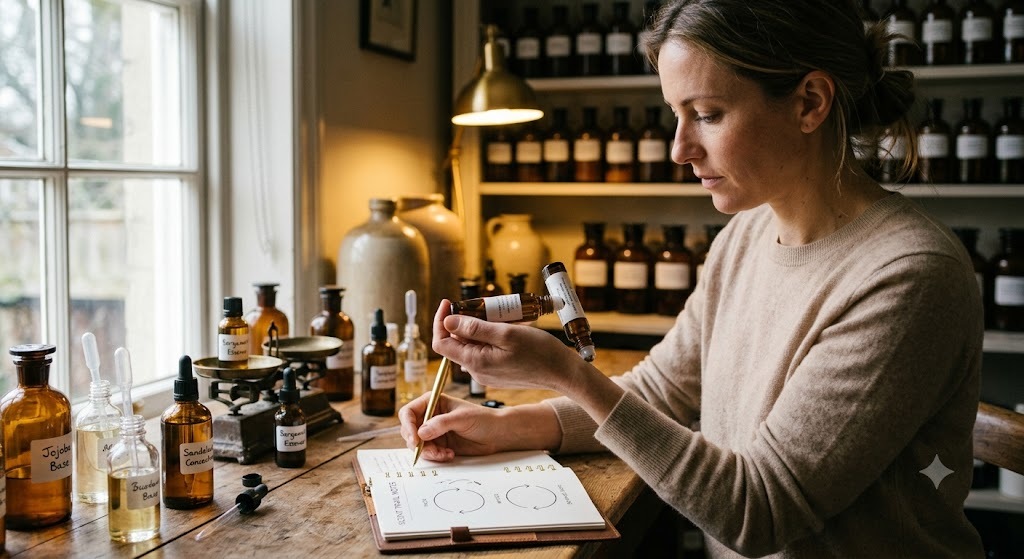
    In stark contrast, oil-based formulas rely on deeply nourishing carrier bases like organic jojoba oil, fractionated coconut oil, or pure meadowfoam seed oil. These clean lipid carriers mimic the natural sebum production of human skin, ensuring the product sits gently on your skin barrier rather than degrading it.

    When searching for the best perfume oils for people with sensitive systems, you are choosing a delivery system that values intimacy over aggression. Instead of forcing volatile organic compounds into the air for everyone to breathe, an oil remains bound to your skin, slowly warming up and releasing its beautiful scent notes only to those who stand closest to you.

    The Fascinating Science Behind How Perfume Oils Interact With Skin

    To truly appreciate why oil outlasts and outperforms alcohol sprays for sensitive individuals, we must examine the basic physics of evaporation. Alcohol molecules possess very weak intermolecular bonds, which means they require minimal thermal energy to shift from a liquid state into a volatile gas.

    When you spray a standard perfume, the cooling sensation you feel on your skin is the physical sensation of alcohol rapidly stealing your body heat to fuel its frantic evaporation. This process drags the top notes of the fragrance up into the atmosphere all at once, creating a sharp, intensely loud sensory burst that frequently overwhelms the olfactory nerve.

    Perfume oils operate on a completely different physical mechanism based on slow thermal release. Carrier oils consist of dense, long-chain fatty acids that possess high molecular weights, creating a strong physical matrix that holds onto volatile scent compounds.

    Instead of evaporating into thin air, the carrier oil absorbs beautifully into the outermost layer of your skin, the stratum corneum. As your heart beats and your natural body heat fluctuates throughout the day, the oil warms up slowly from within your skin cells, gently radiating the fragrance outwards over a span of eight to twelve hours.

    This slow-release mechanism radically alters the entire lifecycle of the fragrance development process on your skin. On an alcohol base, delicate top notes like bergamot, lemon, or mint disappear within fifteen minutes because they are carried away in the initial flash evaporation.

    With the best perfume oils for people, those vibrant top notes remain anchored inside the oil matrix, allowing you to enjoy the bright, crisp opening notes for hours rather than minutes. As the day unfolds, the fragrance seamlessly transitions into its rich heart and base notes, creating a incredibly smooth, linear journey that never feels jarring or sharp.

    Curated Guide to the Absolute Best Perfume Oils for People

    The Clean and Warm Aesthetic: Maison Louis Marie – No.04 Bois de Balincourt Perfume Oil

    Maison Louis Marie traces its botanical heritage back to the French botanical history of 1792, and their No.04 Bois de Balincourt oil is a masterclass in clean, non-irritating luxury. This specific oil is built around a magnificent, dominant sandalwood accord that avoids the synthetic, screechy chemical compounds found in cheap mass-market alternatives.

    The opening delivers a remarkably smooth, dry cedarwood note perfectly balanced by spicy ribbons of cinnamon and earthy nutmeg. As the oil settles into the skin over the course of the afternoon, it reveals a deeply comforting base of warm amber and soft wood notes that smell like clean skin after a walk through a damp forest.

    What makes this one of the best perfume oils for people with hyper-sensitive skin is its minimal, incredibly clean ingredient list that skips synthetic colorants and harsh phthalates entirely. The carrier base absorbs almost instantly without leaving a sticky, greasy residue on silk sleeves or delicate shirt collars.

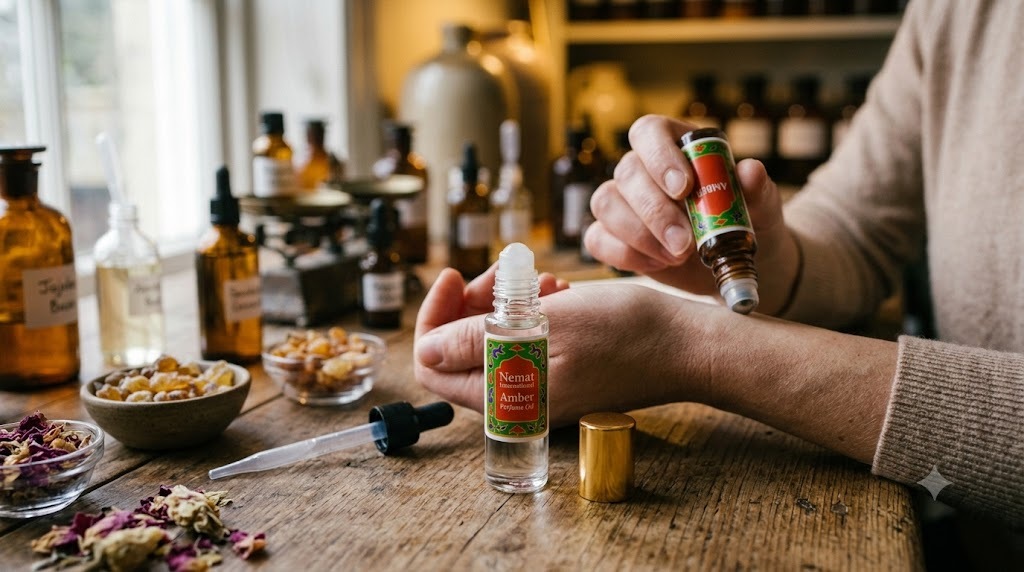
    The Ultimate Skin Scent: Nemat International – Amber Perfume Oil

    If you are someone who gets an instantaneous, blinding migraine the second a strong perfume enters your personal space, Nemat Amber is your ultimate olfactory sanctuary. This cult-favorite fragrance oil is legendary within the perfume community for its profound subtlety and its magical ability to adapt completely to individual body chemistry.

    Nemat Amber does not smell like a conventional, heavy department store perfume; rather, it amplifies the natural, clean warmth of your own skin, making it smell subtly sweet, radiant, and incredibly soft. The scent profile revolves around a clean, crystalline amber that possesses a distinct, velvety airiness.

    Nemat International - Amber Perfume Oil

    It remains incredibly close to the body, creating a private personal aura that will never offend coworkers in a tight office space or cause respiratory irritation. It is affordable, highly concentrated, and housed in a travel-friendly glass bottle that lasts for months of daily use.

    The Modern Floral Oasis: Kai – Fragrance Perfume Oil

    Many individuals who love the romance of fresh floral scents are forced to avoid them completely because commercial floral sprays rely heavily on synthetic aldehydes to make the flowers smell loud and bright. Kai Fragrance completely solves this dilemma by capturing the pure, intoxicating essence of white exotic flowers inside a rich, nourishing oil blend.

    The scent profile is an unapologetic, exceptionally lifelike rendering of fresh gardenia blooms, wrapped beautifully in the green, crisp undertones of crushed leaves and exotic white petals. It smells wet, tropical, and remarkably alive, completely avoiding the powdery, heavy synthetic dustiness that plagues mass-market floral sprays.

    The roll-on applicator glides effortlessly over the pulse points, depositing a clean layer of fragrance that feels like an afternoon escape to a secluded tropical island paradise.

    The Ultimate Step-by-Step Guide to Applying Perfume Oils Correctly

    Phase One: Preparing Your Skin Canvas

    To get the absolute maximum longevity out of your luxury oils, you must properly prime your skin before the very first drop touches your body. Applying an oil-based fragrance to bone-dry, dehydrated skin will cause the parched tissue to aggressively drink up the carrier oil, which pulls the scent molecules deep inside the dermis and shortens the fragrance trail.

    For the most spectacular results, apply your perfume oil immediately after stepping out of a warm shower or bath while your skin is still damp and your pores are completely open. Apply a thin layer of an unscented, deeply hydrating body lotion or pure ceramide cream to your designated pulse points to build a protective moisture barrier.

    Phase Two: Strategic Targeting of Pulse Points

    Traditional sprays are often blindly misted into the air or over hair, but perfume oils require direct contact with the warm zones of your anatomy to properly come alive. Focus your application on your primary pulse points, where the large blood vessels run closest to the surface of your skin, acting as miniature, natural heating elements for the oil.

    Gently glide the rollerball or glass dropper across the inside of your wrists, the base of your throat, the warm hollow right behind your earlobes, and the inner crooks of your elbows. For an incredibly elegant, unexpected scent trail that moves beautifully as you walk, apply a small touch of oil behind your knees and along your collarbones.

    Phase Three: The Absolute Golden Rule of Application

    If there is one universal mistake that completely destroys the delicate structure of a fine fragrance oil, it is the instinctual urge to violently rub your wrists together after application. Friction generates intense, localized heat that prematurely shatters the top notes and alters the delicate balance of the fragrance profile.

    Instead of rubbing, gently press your wrists together, or simply tap your wrist against your neck to distribute the oil smoothly across the skin. Let the oil sit undisturbed on the surface for two to three minutes so it can naturally integrate with your body heat and settle into its long-lasting linear release phase.

    Major Mistakes People Make When Transitioning to Perfume Oils

    The single most common mistake individuals make when moving from traditional sprays to the best perfume oils for people is over-applying the product out of pure habit. Because oils do not fill a room with an immediate, overwhelming cloud of scent, users often mistakenly assume the product is weak and apply layer after layer.

    This over-application saturates the skin with an excessive amount of concentrated oil, which can lead to clogged pores or accidental transfer onto delicate luxury fabrics like silk, satin, or fine cashmere. Remember that pure perfume oils are heavily concentrated elixirs; a single, light roll across your pulse points is more than enough to guarantee an all-day presence.

    Another major mistake is applying perfume oil directly onto dry clothing rather than focusing exclusively on the bare skin. Traditional alcohol sprays are designed to safely mist over fabrics because the alcohol evaporates completely within seconds, leaving very little residue behind.

    Perfume oils, however, require the natural warmth and lipids of your living skin cells to develop their complex scent notes correctly. Furthermore, placing a direct line of rich carrier oil onto garments can leave unsightly, greasy spots that are incredibly difficult to launder out of delicate clothing fibers.

    Finally, many consumers completely neglect the proper storage requirements necessary to preserve the delicate shelf life of their precious perfume oils. Because these products utilize natural carrier lipids like jojoba or almond oil instead of harsh synthetic preservatives, they are significantly more sensitive to environmental changes.

    Storing your perfume oils on a bright, sunny bathroom window sill exposes the delicate formula to constant UV rays and dramatic humidity spikes, which quickly goes rancid. Keep your oil bottles safely tucked away inside a dark, cool drawer or a dedicated vanity box to preserve their pristine aromatic integrity for years to come.

    Insider Pro Tips for Designing a Long-Lasting Bespoke Scent Trail

    If you ever find yourself missing the dramatic projection of an alcohol spray but refuse to tolerate the headaches and skin rashes, you can easily use the art of scent layering. Start by washing with a gently scented, natural bar soap or hydrating body wash that features clean, non-irritating essential oils like lavender, vanilla, or warm cedar.

    Once your skin is dry, apply a rich, matching body butter to lock in deep hydration before layering your primary perfume oil directly on top of the cream base. This multi-layered approach creates a highly effective moisture matrix that allows the scent to project significantly further into the air without ever needing a single drop of drying alcohol.

    For more insights into safely building your fragrance collection without irritating sensitive skin, read our comprehensive guide on How to Store Fragrances Safely to Prevent Oxidation.

    Another phenomenal pro tip used by elite global perfume connoisseurs is the calculated application of perfume oil to the tips of your hair. While you should never put alcohol sprays anywhere near your hair due to its severe drying effects, a tiny drop of perfume oil rubbed between your palms and smoothed through your hair ends works wonders.

    Every single time you move your head, turn around, or walk through a room, your hair acts as a stunning, natural diffuser that gently releases the fragrance into the air around you. This technique creates a beautiful, noticeable sillage that remains completely safe for your respiratory system.

    Insider Pro Tips for Designing a Long-Lasting Bespoke Scent Trail

    Final Recommendations for Building Your Clean Fragrance Wardrobe

    Embracing the world of fine perfume oils is not a compromise; it is an elevated, luxury upgrade to how you experience personal fragrance. By stepping away from the aggressive, chemical-heavy world of traditional alcohol sprays, you open the door to a deeply personal, skin-friendly sensory experience that respects your body.

    Statistically, the global demand for clean, alcohol-free fragrance alternatives has skyrocketed by over 40% in recent years, proving that the modern consumer values wellness and skin safety just as much as smelling incredible. The best perfume oils for people deliver unparalleled longevity, exceptional depth, and an intimate elegance that traditional sprays simply can not replicate.

    Take your time exploring different carrier bases and unique scent families until you discover the specific oils that harmonize flawlessly with your natural body chemistry. Whether you prefer the grounding, meditative notes of deep woods or the airy, clean whisper of skin-musks, there is a perfect, non-irritating oil waiting to become your next signature statement.

    Conclusion

    Making the intentional switch to oil-based scents completely redefines what it means to wear a personal fragrance. The best perfume oils for people who face sensitivities offer a spectacular, highly luxurious path forward that protects your skin barrier and keeps painful, unexpected headaches entirely at bay.

    You no longer have to choose between protecting your health and enjoying the beautiful world of luxury perfumery. By applying these concentrated, nourishing elixirs directly to your pulse points, you create a private, long-lasting aura of scent that belongs uniquely to you.

    Did you find this helpful? Drop a comment below or share this with a fellow fragrance lover who is ready to make the switch to clean, oil-based perfection!

    Frequently Asked Questions

    Q1: Are perfume oils better for people with extreme skin sensitivities than traditional alcohol sprays?

    A: Absolutely. Traditional spray perfumes rely on denatured alcohol to rapidly disperse the scent, which strips the skin of its natural moisture barrier and triggers immediate contact dermatitis. High-quality perfume oils utilize gentle, deeply nourishing carrier oils like jojoba or fractionated coconut oil that actively soothe the skin while slowly releasing fragrance throughout the day without irritation.

    Q2: How long do perfume oils typically last on the skin compared to standard eau de parfums?

    A: While standard alcohol-based sprays lift off the skin quickly and fade away within three to five hours, premium perfume oils regularly last anywhere from eight to twelve hours. The dense, heavy molecular structure of the carrier oil anchors the volatile scent notes directly to your skin, preventing rapid evaporation and creating a remarkably long-lasting, continuous fragrance experience.

    Q3: Will applying a dark perfume oil permanently stain my favorite luxury white clothing?

    A: Because perfume oils consist of pure, concentrated lipids and natural plant resins, they can absolutely leave greasy or slightly discolored spots if applied directly onto delicate fabrics like white linen or silk. To prevent any accidental staining, always apply your oils directly onto bare, clean skin and allow the product to absorb completely for a few minutes before getting dressed.

    Q4: Why does my favorite perfume oil smell completely different on me than it does on my best friend?

    A: Unlike alcohol sprays which smell highly uniform and synthetic, perfume oils blend directly with your individual skin lipids, natural pH balance, and unique body temperature. This deeply personal interaction alters how the different note layers unfold, transforming the oil into a truly customized, bespoke fragrance that smells completely unique to your specific body chemistry.

    Q5: Can I safely use pure perfume oils directly in my hair to make the scent last longer?

    A: Yes, you can safely apply them to your hair, but you must use a very light hand. Avoid applying the oil directly to your roots as this can make your scalp look greasy; instead, rub a tiny drop between your warm palms and gently smooth it through the very ends of your hair for a beautiful, moving scent diffuser.

    Q6: Do natural perfume oils expire or go bad faster than traditional alcohol-based perfumes?

    A: Yes, because they do not contain the harsh synthetic chemical stabilizers and heavy alcohol preservatives found in commercial sprays, natural carrier oils are more prone to oxidation over time. To maximize the shelf life of your collection, always store your bottles in a cool, dark place away from direct sunlight and humid bathroom air.

    Best Organic Perfumes Worth Trying in 2026

    Why Perfume Smells Different on Everyone: The Complete Skin Chemistry & Fragrance Science Guide

  • Best Organic Perfumes Worth Trying in 2026

    What you’ll learn

    • The crucial differences between synthetic fragrances and certified organic perfumes.
    • A curated list of the top luxury natural perfume houses dominating the industry this year.
    • How to properly apply and store botanical scents to maximize their longevity.
    • The truth behind common clean beauty myths and how to read fragrance ingredient labels.

    Introduction

    Finding the best organic perfumes used to feel like an impossible treasure hunt. For decades, the luxury fragrance industry relied almost exclusively on synthetic aroma-chemicals to achieve depth and staying power. However, modern fragrance technology has evolved dramatically, allowing natural perfumers to craft complex, deeply moving scents without relying on petrochemicals.

    Today, conscious consumers demand transparency along with luxury, prompting a massive shift toward botanical blends. Statistics show that the global clean beauty market is projected to reach over $15 billion by the late 2020s, with fine fragrance leading the innovation curve. You no longer have to compromise your wellness standards to smell absolutely divine.

    Whether you adore a sultry, sun-warmed amber or a crisp, dew-kissed citrus, the botanical world offers unparalleled olfactory art. Let’s dive in.

    The Evolution of Natural Fragrances

    Understanding why clean scents matter requires a quick look at conventional perfume manufacturing. Most traditional perfumes contain synthetic fixatives, phthalates, and undisclosed chemical mixtures protected under “trade secret” laws. Consequently, many scent enthusiasts experience headaches, skin irritation, or respiratory sensitivity from standard commercial sprays.

    Switching to non-toxic scents changes the entire sensory experience. Instead of a static, linear synthetic molecule, natural botanical oils interact dynamically with your unique skin chemistry. This means the formulation evolves uniquely on your skin, creating a truly personalized signature scent.

    The Evolution of Natural Fragrances

    The Best Organic Perfumes to Elevate Your Scent Wardrobe

    Navigating the world of botanical perfumery can feel overwhelming with so many new brands entering the market. To help you find your next signature scent, we have thoroughly analyzed the composition, wear time, and aromatic profiles of the top clean fragrances available today.

    Henry Rose: The Pioneer of Ingredient Transparency

    Founded by Michelle Pfeiffer, Henry Rose completely revolutionized the luxury fragrance space by achieving Environmental Working Group (EWG) Verification. Every single ingredient is rigorously vetted for safety, yet the scents rival any high-end European fashion house. Their standout creation, Torn, blends rich vanilla bean with earthy vetiver, creating a warm, musky aura that lingers beautifully for hours.

    Skylar: Hypoallergenic and Fresh

    If you possess highly sensitive skin or suffer from fragrance-induced headaches, Skylar is your ultimate safe haven. This brand utilizes clean, consciously sourced ingredients to craft light, uplifting olfactory experiences. Salt Air is a fan favorite, mimicking the crisp sensation of ocean breezes, driftwood, and sea salt, making it ideal for casual, everyday wear.

    Abel Odor: 100% Certified Natural Luxury

    Operating out of Amsterdam, Abel Odor proves that completely natural perfumery can be deeply sophisticated and edgy. They use only organic ingredients, food-grade alcohol, and essential oils to create concentrated eau de parfums. Their masterwork, Green Cedar, marries twice-distilled Texas cedar with wild Moroccan cedarwood, yielding a striking, woody masterpiece that appeals to all genders.

    How to Apply and Extend the Life of Botanical Perfumes

    Natural blends lack the heavy synthetic fixatives that make conventional perfumes cling to fabric for days. However, you can easily maximize the longevity of your favorite clean blends by applying a few strategic, time-tested application techniques.

    1. Hydrate the skin first: Botanical oils bind far better to moisture than to dry skin. Apply an unscented organic body lotion or a touch of jojoba oil to your pulse points before spraying your perfume.
    2. Target your pulse points: Focus your sprays on areas where the blood vessels run closest to the skin’s surface, such as your wrists, the base of your throat, and behind your knees. The natural warmth of these zones continuously diffuses the scent throughout the day.
    3. Avoid the friction rub: Never rub your wrists together after applying perfume. This friction friction friction breaks down the delicate top notes prematurely, short-changing your fragrance journey.
    How to Apply and Extend the Life of Botanical Perfumes

    Common Myths About Organic Perfumes

    Misinformation runs rampant in the beauty industry, particularly regarding clean, green, and conscious products. Let’s debunk the most prominent myths so you can shop with absolute confidence and clarity.

    Natural perfumes only last an hour or two on the skin. Reality: While top notes like citrus fade quickly, base notes like patchouli, labdanum, sandalwood, and vanilla boast incredible natural staying power that can easily last six to eight hours.

    Another frequent misconception is that natural ingredients are automatically safer than synthetics. In reality, wild-harvested plants can still trigger allergic reactions in certain individuals. Always look for brands that independently test for allergens and clearly list their botanical components.

    Pro Advice for Building a Clean Fragrance Wardrobe

    Transitioning to a non-toxic fragrance lifestyle does not mean you need to replace your entire collection overnight. Instead, approach the journey seasonally, swapping out your heaviest synthetic bottles for cleaner alternatives as you empty them.

    When shopping, look closely at the base alcohol used in the formulation. The absolute highest quality brands utilize organic sugar cane alcohol or organic grape alcohol, which provides a incredibly clean, crisp opening note without the harsh chemical sting typical of industrial denatured alcohol. For more insights on curating your vanity sustainably, check out our guide on sustainable beauty packaging transitions.

    Final Recommendations for Clean Scents

    Investing in the best organic perfumes is a beautiful way to honor your personal wellness while indulging in the luxury of fine fragrance. The modern botanical perfumes of 2026 offer magnificent complexity, beautiful sillage, and exceptional longevity that easily rival the iconic synthetic classics.

    Final Recommendations for Clean Scents

    Conclusion

    Embracing the world of botanical perfumery opens up a completely new realm of sensory appreciation. By choosing clean, non-toxic formulations, you protect your body’s wellness while discovering how beautifully natural ingredients interact with your skin’s unique chemistry. The market for the best organic perfumes will only continue to grow, bring forth even more breathtaking olfactory art.

    Did you find this helpful? Drop a comment below or share this with a fellow fragrance lover!

    Frequently Asked Questions

    Q: What makes a perfume truly organic?

    A: A truly organic perfume utilizes aromatic compounds derived exclusively from physically processed plants, alongside certified organic carrier oils or organic ferment alcohol. The ingredients must be grown without synthetic pesticides, bioengineering, or ionizing radiation, and ideally certified by an accredited body like the USDA or COSMOS.

    Q: Do organic perfumes expire faster than traditional synthetic perfumes?

    A: Yes, natural perfumes generally possess a slightly shorter shelf life because they lack synthetic chemical preservatives. Most botanical fragrances remain perfectly fresh and vibrant for 12 to 24 months, provided you store them away from direct sunlight, heat, and high humidity.

    Q: Why do some natural perfumes smell different on different people?

    A: Natural essential oils contain hundreds of complex, living molecules that react dynamically with your skin’s unique pH, moisture levels, and lipid profile. Synthetics remain highly static, whereas botanical ingredients shift and morph, creating a deeply personalized scent profile unique to you.

    Q: Are organic perfumes completely safe for individuals with asthma?

    A: While organic options eliminate synthetic irritants, petroleum derivatives, and phthalates, they still contain natural essential oils. Certain botanical ingredients like oakmoss or specific citrus oils can still trigger sensitivities, so individuals with respiratory conditions should always perform a careful patch test.

    Q: Why are high-quality organic perfumes often more expensive?

    A: The raw materials required for authentic botanical perfumery are exceptionally costly to cultivate, harvest, and distill. For instance, it requires thousands of pounds of fresh rose petals just to extract a single ounce of pure rose essential oil, making natural ingredients significantly pricier than mass-produced synthetic alternatives.

    Q: Can I layer different natural fragrances together safely?

    A: Absolutely. Because botanical perfumes mimic the natural harmonies found in the wild, they are incredibly forgiving and beautiful when layered. You can easily create your own custom blend by spraying a heavy woody or amber base fragrance first, then topping it with a bright, uplifting citrus or floral spray.

    What Are Phthalate-Free Perfumes — and Why Should You Care?

    Que Tal: An Overlooked Little Beauty From Plume Impression

  • The Highest-Rated Zara Perfumes According to Fragrance Forums

    What you’ll learn:

    • Why Zara has quietly become a favorite topic on fragrance forums and TikTok
    • The specific Zara perfumes that keep coming up as community favorites
    • How to shop Zara’s fragrance wall like someone who actually knows their notes
    • Common mistakes people make when buying budget fragrance — and how to avoid them

    Introduction

    A few years ago, nobody expected a fast-fashion clothing brand to become a serious talking point among the highest-rated Zara perfumes crowd on fragrance forums. Yet here we are.

    Walk into any Zara today and you’ll likely spot someone testing scents on their wrist, comparing notes with a stranger, or filming a haul for social media. That’s not an accident — it’s the result of years of quiet buzz building across Reddit threads, TikTok reviews, and niche fragrance communities.

    What makes this interesting is that Zara isn’t just producing “fine for the price” scents anymore. Several of their releases are genuinely well-composed, and fragrance enthusiasts who normally spend hundreds of dollars on niche houses have started admitting it out loud.

    So which bottles actually deserve the hype, and which ones are just riding the algorithm? Let’s dive in.

    Why Zara Perfume Talk Took Over Fragrance Communities

    Fragrance forums didn’t always take Zara seriously. For a long time, “drugstore” and “fast fashion” fragrances were dismissed as one-dimensional or synthetic-smelling.

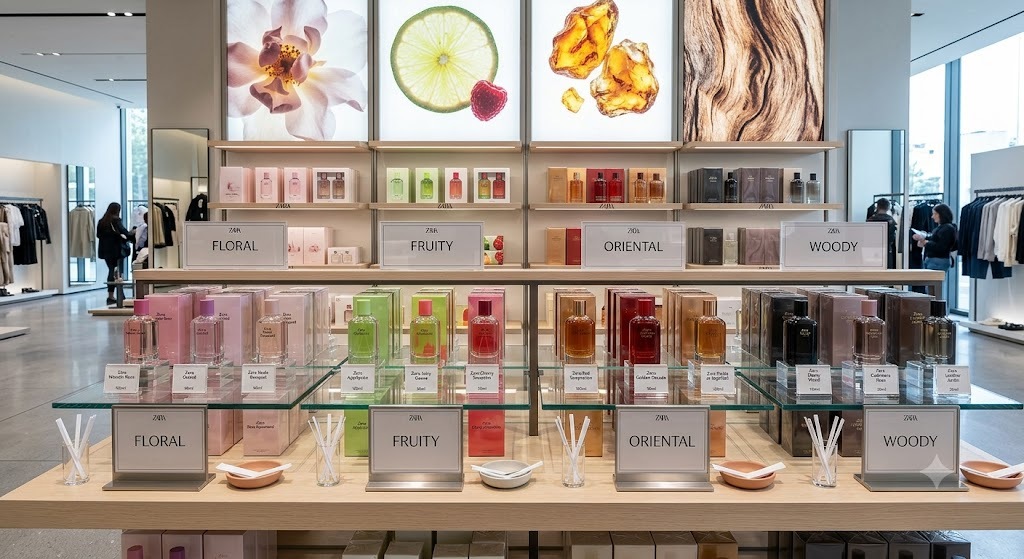
    That changed as Zara began working with outside perfumers and clearly labeling each release by “olfactory family” — floral, woody, gourmand, amber, and so on — making it much easier for scent-savvy shoppers to navigate the wall with intention.

    Creators built entire content series around Zara’s lineup, testing new drops against luxury releases they closely resemble. Some of the most-watched fragrance videos online now focus specifically on which Zara bottle smells closest to a $200 original.

    That crossover between accessibility and genuine quality is exactly why Zara perfume discussions dominate so many “best budget fragrance” threads today.

    Why Zara Perfume Talk Took Over Fragrance Communities

    The Zara Perfumes Fragrance Communities Keep Recommending

    This is where things get specific. Across forum threads, TikTok reviews, and comment sections, a handful of Zara releases show up again and again. Here’s a closer look at the standouts.

    Zara Red Vanilla

    Zara Red Vanilla has become something of a gateway fragrance for people who assume “vanilla” always means cloying or one-note. It leans warm and gourmand without tipping into syrupy territory, balancing vanilla with soft musk and a touch of spice.

    Community members frequently point to its wearability — it’s cozy enough for cooler months but doesn’t feel heavy or overwhelming during the day. For the price point, the projection and longevity consistently surprise first-time buyers.

    It’s also one of the easier bottles to recommend to someone new to fragrance, since it doesn’t require much explanation to appreciate.

    Zara Bohemian Oud

    Oud fragrances can be polarizing — either too medicinal or too aggressive for casual wear — but Zara Bohemian Oud tends to earn praise for softening that reputation. It reads as smoky and slightly sweet rather than sharp.

    On fragrance comparison sites, Bohemian Oud is frequently discussed alongside pricier niche oud releases, with users noting a surprising degree of overlap in the opening notes. That kind of side-by-side comparison is exactly what fuels its reputation in dupe-focused corners of the internet.

    Layering tip: a light spray on clothing rather than skin tends to extend how long the oud character lingers.

    Zara For Him Red Edition

    On the men’s side, Zara For Him Red Edition is a recurring favorite in cologne-focused forum threads. It’s built around a warm, oriental profile that feels more mature than most fragrances in its price bracket.

    Reviewers often describe it as an easy “office to evening” scent — spicy enough to feel intentional, but not so bold that it announces itself in a small room. That balance is a big part of why it keeps getting recommended to people asking for their first “signature scent” on a budget.

    Zara For Him Red Edition

    How to Shop Zara’s Fragrance Wall Like a Pro

    Zara’s in-store fragrance section can be overwhelming if you walk in without a plan. Here’s a simple approach fragrance-forum regulars swear by.

    1. Start with olfactory family, not scent name. If you already know you gravitate toward woody or gourmand notes elsewhere, use Zara’s labeling system to narrow the wall down immediately.
    2. Test on skin, not just paper. Zara fragrances often shift over the first 20–30 minutes once they interact with your skin’s chemistry — paper strips only tell part of the story.
    3. Wait before you commit. Spray a scent, walk the store for ten minutes, then come back to it. Initial top notes can be misleading.
    4. Compare against what you already own. If you love a specific designer fragrance, bring the note pyramid up on your phone and compare it directly to the Zara option in the same family.
    5. Check size options before checkout. Many popular releases come in multiple bottle sizes, and the smaller size is a smart way to trial a new favorite before committing to a full bottle.

    Common Mistakes People Make With Budget Fragrances

    Even fragrance-savvy shoppers slip up when buying budget perfume. A few patterns show up constantly in forum complaint threads.

    Judging a scent within the first five minutes. Top notes fade fast, and the “real” character of a fragrance often doesn’t show up until the dry-down. Bail too early and you’ll misjudge a perfectly good bottle.

    Assuming cheaper always means weaker. Several Zara releases actually outperform pricier options in longevity, largely because formulation quality has improved significantly across the budget fragrance category in recent years.

    Skipping skin testing entirely. Buying based on a TikTok review alone, without ever testing the scent on your own skin, is one of the most common regrets shared in forum posts.

    Storing bottles poorly. Heat, light, and humidity all degrade fragrance over time — a mistake that affects designer and budget bottles equally, but stings more when the bottle wasn’t expensive to begin with.

    Expert Tips for Getting the Most Out of Your Zara Fragrance

    A few small habits separate casual buyers from people who consistently get compliments on their scent choices.

    Apply fragrance to pulse points — wrists, neck, and behind the ears — where body heat helps the scent diffuse naturally throughout the day. Layering an unscented lotion underneath can also extend longevity noticeably, since hydrated skin holds fragrance better than dry skin.

    It’s also worth rotating your Zara bottles seasonally. Warmer, gourmand-leaning scents tend to perform better in cooler months, while lighter florals and citrus notes hold up best in heat and humidity.

    Final Recommendation: Which Zara Perfume Should You Try First?

    If you’re only going to try one bottle based on this list, let your existing preferences guide you. Fans of warm, cozy scents should start with Red Vanilla. Anyone curious about oud but intimidated by niche pricing should try Bohemian Oud. And if you’re shopping for a versatile men’s scent, For Him Red Edition is the safest, most-praised entry point.

    All three consistently show up in forum discussions for good reason — they perform well above their price point.

    Which Zara Perfume Should You Try First

    Conclusion

    The highest-rated Zara perfumes aren’t hype for hype’s sake — they’ve earned their spot in fragrance forum discussions through genuinely solid formulation, smart note pairings, and prices that make experimentation easy. Whether you’re drawn to warm gourmands, smoky ouds, or a reliable everyday cologne, Zara’s fragrance wall has matured into something worth taking seriously.

    Did you find this helpful? Drop a comment below or share this with a fellow fragrance lover!

    Frequently Asked Questions

    Q1: What is the highest-rated Zara perfume according to fragrance forums? A: Zara Red Vanilla and Zara Bohemian Oud are two of the most frequently praised releases across fragrance communities, thanks to their strong longevity, balanced note composition, and wide wearability for both new and experienced fragrance fans.

    Q2: Are Zara perfumes actually good quality, or just cheap dupes? A: While some Zara scents are inspired by designer fragrances, many stand on their own with well-blended notes and respectable longevity. Quality has improved noticeably in recent years, which is part of why forums take the brand more seriously now.

    Q3: How long do Zara perfumes typically last on skin? A: Longevity varies by scent, but many popular releases last four to six hours on skin, with some gourmand and oud-based options lasting even longer, especially when applied to clothing or hair.

    Q4: Which Zara perfume is best for men? A: Zara For Him Red Edition is consistently one of the most recommended men’s fragrances in forum threads, praised for its warm, spicy profile and versatility across casual and formal settings.

    Q5: Where can I buy Zara perfumes? A: Zara perfumes are sold in-store at Zara locations and through the official Zara website, where you can also browse by scent family to find fragrances similar to ones you already love.

    Q6: How do I make a Zara perfume last longer throughout the day? A: Apply it to moisturized pulse points like your wrists and neck, consider a light layer on clothing for stronger projection, and store the bottle away from heat and direct sunlight to preserve the formula.

    Why Do Zara Perfumes Fade Fast? 5 Hacks to Make Cheap Scents Last All Day

    Best Zara Perfumes for Date Night – Seductive Scents That Get Compliments

  • Best Natural Perfumes Made With Real Botanicals

    What you’ll learn

    • The crucial differences between synthetic aroma chemicals and true botanical extracts.
    • How to identify genuine clean fragrance brands using transparent ingredient lists.
    • Expert techniques to maximize the longevity and sillage of plant-based scents.
    • A curated look at the leading luxury houses defining the green beauty revolution.

    Introduction

    Finding the best natural perfumes can feel like searching for a hidden oasis in a desert of synthetic chemicals. Every day, millions of us spritz on commercial scents without realizing that a single bottle can contain hundreds of undisclosed petrochemicals. These hidden synthetic ingredients often trigger stubborn headaches, skin irritation, and respiratory discomfort. If you are tired of compromised wellness for the sake of a signature scent, it is time to pivot toward nature.

    The modern olfactory world is experiencing a massive paradigm shift as artisan perfumers reclaim ancient traditions. By utilizing pure essential oils, absolutes, and resins, conscious brands are crafting complex masterpieces that rival traditional luxury houses. These living fragrances interact uniquely with your skin chemistry, creating a deeply personalized aromatic profile that evolves beautifully throughout the day. Let’s dive in.

    The Evolution of Clean Fragrance

    The fragrance industry has long hidden behind the legal loophole of “parfum” or “fragrance” on ingredient labels. This single word legally protects proprietary trade secrets, but it also allows brands to mask phalates, parabens, and synthetic musks. According to industry data from the Breast Cancer Prevention Partners, fragrance blends frequently contain high-hazard compounds linked to hormone disruption. This lack of transparency has fueled the massive rise in consumer demand for cleaner, safer, and more sustainable beauty alternatives.

    Historically, ancient civilizations in Egypt and Mesopotamia relied exclusively on raw botanicals, infusing precious resins like frankincense with rich carrier oils. The transition to synthetic molecules in the late 19th century democratized perfumery, but it stripped away the soulful essence of the plants. Today, the best natural perfumes merge this ancient reverence for botanicals with modern green chemistry. This harmonious fusion delivers sophisticated, multi-layered profiles that are safe for both your body and the planet.

    The Evolution of Clean Fragrance

    Demystifying Botanical Scent Profiles

    To truly appreciate plant-based perfumery, you must understand how natural raw materials behave quite differently than laboratory-created synthetics. Synthetics are designed to remain linear and static, smelling identical from the first spray until hours later on your skin. Natural raw ingredients, however, are dynamic, complex, and deeply influenced by the environment where the crops were grown.

    The Magic of Real Top Notes

    Natural top notes provide the crucial first impression of a fragrance, bursting with vibrant life immediately upon application. Because natural molecules are highly volatile, these notes evaporate relatively quickly, usually within fifteen to thirty minutes. Sparkling citrus oils like bergamot, blood orange, and pink grapefruit offer an instant mood lift that synthetic alternatives simply cannot replicate. You might also encounter crisp herbal top notes like wild lavender, crushed mint leaves, or peppery basil.

    The Heart of Botanical Perfumery

    As the initial burst of citrus gently fades, the middle or heart notes emerge to define the core character of the blend. In botanical perfumery, this section is traditionally dominated by opulent, hand-harvested floral absolutes and steam-distilled spices. Precious Bulgarian rose, intoxicating night-blooming jasmine, and creamy ylang-ylang form the emotional centerpiece of these clean formulations. These rich botanicals linger beautifully on the skin for several hours, shifting subtly as your body temperature fluctuates.

    The Grounding Base Notes

    The base notes act as the anchor of the entire fragrance composition, providing depth, warmth, and essential longevity. Synthetic perfumery relies heavily on petroleum-derived musks to achieve all-day wear, but natural artisans utilize rich, earth-grown alternatives. Velvety sandalwood, smoky vetiver, sweet vanilla bean, and complex labdanum resin create an incredibly warm and comforting foundation. These heavy botanical molecules evaporate very slowly, ensuring a beautiful, lingering dry-down that stays close to your skin.

    How to Choose Authentic Natural Perfume

    Navigating the green beauty market requires a discerning eye, as greenwashing runs rampant across drugstore and luxury beauty counters alike. Many mainstream brands proudly display images of fresh flowers on their packaging while filling their actual bottles with synthetic liquids. To find genuine products, you must look past clever marketing campaigns and analyze the ingredient list.

    • Check for Full Ingredient Disclosure: Trustworthy brands willingly list every single botanical extract, carrier oil, and alcohol source on their packaging.
    • Look for Certified Organic Alcohol: High-quality natural perfumes utilize non-GMO, organic grape, sugarcane, or grain alcohol as their base.
    • Avoid the Generic Term “Fragrance”: If a brand simply lists “fragrance” or “parfum” without an asterisk clarifying its natural origin, it likely contains synthetics.
    • Seek Out Recognized Third-Party Certifications: Look for trusted seals from organizations like ECOCERT, COSMOS, or the Natural Perfumers Guild.
    • Understand the Pricing Reality: Authentic botanical absolutes, like pure rose or oud, are highly expensive to harvest, which is reflected in the final retail price.
    How to Choose Authentic Natural Perfume

    Common Myths About Botanical Scents

    One persistent myth surrounding natural perfumery is that plant-based options lack complexity, smelling like basic aromatherapy oils or health-food stores. While early iterations in the nineties were often simple blends, today’s natural perfumers train in classic French techniques. They combine hundreds of rare botanical materials to build complex, sophisticated narratives that evolve elegantly from day to night. Brands like Henry Rose and Heretic Parfum have proven that clean scents can easily compete on the global luxury stage.

    Another frequent complaint is that the best natural perfumes do not last as long as traditional, synthetic perfumes. It is true that without synthetic fixatives, a natural scent will not artificially cling to your skin for forty-eight hours. However, this is actually a benefit for your endocrine system and your overall respiratory health. Natural perfumes are designed to be an intimate, personal experience, creating a subtle scent bubble rather than overpowering an entire room.

    Pro Tips to Extend Your Clean Fragrance

    Because botanical blends lack synthetic chemical fixatives, maximizing their wear time requires a bit of strategic application knowledge. Applying your scent directly to dry, parched skin causes the thirsty lipids to quickly drink up the precious essential oils. To combat this, always apply an unscented, organic body oil or rich shea butter base to your pulse points prior to spritzing. The emollient barrier traps the botanical molecules on the surface of your skin, drastically extending the fragrance’s lifespan.

    Furthermore, target your warmest pulse points where blood flow is closest to the surface, such as the wrists, inner elbows, and collarbones. Never rub your wrists together after application, as this friction creates heat that prematurely breaks down the delicate top notes. For an enchanting, long-lasting scent trail, lightly mist your hair or your favorite organic cotton and cashmere clothing. For more insights into clean lifestyle choices, check out our guide on sustainable beauty rituals.

    Elevating Your Daily Scent Ritual

    Transitioning your vanity to prioritize botanical scents is a beautiful act of self-care that honors both your health and planet Earth. When you spray a true botanical masterpiece, you are experiencing the authentic essence of a living plant harvested by human hands. These formulations allow you to express your unique personal style elegantly without exposing your body to undisclosed chemical toxins.

    As you explore this vibrant olfactory landscape, remember to be patient with your nose as it adjusts away from aggressive synthetics. Sample different families, from bright and zesty citruses to deep, smoldering woods, to see how they uniquely dance with your skin chemistry. The world of clean luxury is vast, welcoming, and incredibly rewarding for those who seek pure ingredients.

    Elevating Your Daily Scent Ritual

    Conclusion

    Embracing the best natural perfumes is more than just a fleeting beauty trend; it is a conscious lifestyle choice that champions wellness, transparency, and artistic integrity. By stepping away from synthetic chemicals, you open the door to a deeply personal and luxurious sensory experience. These authentic botanical creations prove that we never have to sacrifice our physical health or environmental values to smell absolutely breathtaking.

    Did you find this helpful? Drop a comment below or share this with a fellow fragrance lover!

    Frequently Asked Questions

    What does natural perfume actually mean?

    An authentic natural perfume is formulated exclusively using raw materials derived directly from nature, such as plants, flowers, seeds, and resins. These blends use steam distillation, expression, or expression to extract pure essential oils and absolutes. They completely exclude synthetic aroma chemicals, petroleum derivatives, phthalates, and artificial colorants, utilizing organic alcohol bases instead.

    Why do natural perfumes cost more than regular options?

    True botanical perfumery relies on massive quantities of physical plant matter to produce tiny amounts of precious oil. For example, it requires thousands of individual rose petals to extract just one single drop of pure rose absolute. This intensive agricultural labor, combined with ethical sourcing practices, makes the raw ingredients significantly more expensive than mass-produced synthetic chemicals.

    Do natural perfumes expire faster than synthetic ones?

    Yes, because they do not contain synthetic preservatives, botanical perfumes generally have a slightly shorter shelf life than mass-market options. Most natural formulations remain perfectly fresh and potent for roughly twelve to twenty-four months after opening. To extend their lifespan, store your bottles away from direct sunlight, humidity, and extreme temperature fluctuations.

    Can botanical perfumes cause allergic reactions?

    While natural ingredients are completely free from synthetic chemical irritants, true botanicals can still occasionally trigger personal skin sensitivities. Plants contain natural allergens, such as linalool found in lavender, which might cause reactions in highly sensitive individuals. It is always wise to perform a small patch test on your inner forearm before applying a new scent widely.

    Is natural perfume vegan and cruelty-free?

    Most modern clean fragrance brands are strictly cruelty-free and vegan, but it is important to always check the packaging labels carefully. Historically, perfumers used animal-derived ingredients like deer musk, ambergris, or civet for base depth. Today, ethical botanical brands substitute these with beautiful plant-derived alternatives like ambrette seed, labdanum, and legally harvested resins.

    How can I make my natural perfume last all day long?

    To maximize longevity, apply your fragrance to well-moisturized skin or over a thin layer of unscented balm on your pulse points. Spraying your hair and clothing fibers also helps lock in the botanical molecules far longer than skin application alone. Carrying a travel-sized rollerball for a quick, refreshing midday spritz is another excellent habit of clean beauty enthusiasts.

    Best Alcohol-Free Perfumes That Last All Day

    Best Winter Perfumes for Men – Warm, Spicy & Long-Lasting Scents

  • Why Do Zara Perfumes Fade Fast? 5 Hacks to Make Cheap Scents Last All Day

    What you’ll learn:

    • The real reason budget fragrances like Zara’s disappear within a couple of hours
    • How concentration, ingredients, and skin chemistry all play a role
    • Five practical, tested hacks to stretch any cheap scent’s wear time
    • Common mistakes that are quietly killing your fragrance before lunch

    Introduction

    You spritz your favorite Zara perfume before heading out the door, and by the time you’re grabbing lunch, you can’t smell it at all. Sound familiar?

    If you’ve ever asked yourself why do Zara perfumes fade fast, you’re definitely not alone. It’s one of the most common complaints in budget fragrance communities, and honestly, it’s not just in your head.

    The good news is that this isn’t a lost cause. With a few small changes to how you apply and store your scent, you can make even a $20 bottle perform like something twice the price.

    Let’s dive in.

    Why Budget Fragrances Fade Faster Than Designer Ones

    Every fragrance, whether it costs $18 or $180, is built from a formula that includes fragrance oil concentration, alcohol, water, and fixatives. The percentage of actual fragrance oil is the single biggest factor in how long a scent lasts on skin.

    Most Zara perfumes are labeled Eau de Toilette or Eau de Parfum, but many sit closer to 8–12% oil concentration, while premium Eau de Parfum formulas often reach 15–20%. That difference alone can cut your wear time in half.

    Why Budget Fragrances Fade Faster Than Designer Ones

    There’s also the matter of ingredient quality. Higher-end fragrances frequently use natural extracts and heavier fixative molecules like ambroxan, iso e super, or musk bases, which physically hold onto skin longer. Budget formulas often rely more heavily on lighter synthetic aromachemicals that volatilize (evaporate) faster.

    None of this means Zara perfumes are “bad.” It just means they behave differently, and once you understand that, you can work with the formula instead of against it.

    The Science Behind Fragrance Longevity

    Understanding a bit of the “why” makes the hacks below actually make sense, rather than feeling like random tips.

    Fragrance Pyramid and Volatility

    Every perfume is built in three layers: top notes, heart notes, and base notes. Top notes like citrus and light florals evaporate within 15–30 minutes. Heart notes carry the scent for one to three hours. Base notes, like woods, musks, and vanillas, are what should linger for hours.

    Cheaper fragrances often have a smaller, lighter base note structure, meaning there’s simply less “weight” left behind once the top and heart notes burn off. That’s a huge part of why a citrusy Zara scent can vanish by early afternoon.

    Skin Chemistry Matters More Than People Think

    Your skin’s pH, oil production, and hydration level all affect how fragrance molecules bind and evolve. Dry skin has fewer natural oils to “trap” scent molecules, so fragrance evaporates noticeably faster.

    This is actually one of the biggest reasons two people can spray the exact same bottle and get completely different results. If you have naturally dry skin, you’re fighting an uphill battle before you’ve even picked up the bottle.

    Environmental Factors

    Heat, humidity, and even friction from clothing affect how fast fragrance disperses. Warmer weather actually speeds up evaporation, which is part of why the same perfume can feel like it lasts all day in winter but disappears within hours in summer.

    5 Hacks to Make Cheap Scents Last All Day

    This is where things get practical. These are simple, low-effort changes that make a real difference.

    1. Moisturize before you spray. Apply an unscented or lightly scented body lotion to pulse points before your perfume. Hydrated skin holds fragrance molecules far longer than dry skin.
    2. Target pulse points, not just wrists. Spray behind the ears, on the inner elbows, the collarbone, and the back of the knees. These areas generate natural body heat, which helps diffuse the scent gradually throughout the day.
    3. Layer with a matching body product. If your Zara scent has a matching body cream or shower gel, use it. Layering builds a scent foundation on skin instead of relying on one single top coat.
    4. Don’t rub your wrists together. This is a classic habit that actually breaks down the fragrance molecules and speeds up evaporation. Let it air-dry naturally instead.
    5. Apply to clothing and hair, sparingly. Fabric and hair hold fragrance longer than skin does, since they lack the oils and enzymes that break scent molecules down. A light spritz on a scarf or the ends of your hair can extend wear time significantly. Just patch-test fabric first.
    5 Hacks to Make Cheap Scents Last All Day

    Common Mistakes People Make With Budget Perfumes

    Even fragrance lovers who know what they’re doing sometimes sabotage their own scent without realizing it.

    1: Storing perfume in the bathroom. Heat and humidity from showers break down fragrance oils over time. Store bottles in a cool, dark drawer instead.

    2: Spraying and immediately putting on a coat. Fabric friction and layering right after application can disrupt how the scent settles onto skin.

    3: Assuming more sprays always equals longer wear. Over-spraying can actually cause nose fatigue, where you stop smelling your own perfume while others still can. Two to four sprays on pulse points is usually plenty.

    4: Expecting Eau de Toilette to perform like Eau de Parfum. Check the bottle. If it’s labeled EDT, it’s formulated to be lighter and fresher by design, not necessarily long-lasting.

    5: Ignoring expiration. Fragrances do degrade over time, especially once opened and exposed to air and light repeatedly. A scent that’s a couple of years old may simply be past its peak performance.

    Expert Tips for Getting the Most Out of Any Fragrance

    A few extra habits can push your results even further.

    Try the “naked layering” method: apply a fragrance-free moisturizer, wait two to three minutes for it to absorb, then spray. This creates a hydrated base without competing scents diluting your perfume.

    Keep bottles away from direct sunlight and temperature swings. UV exposure and heat are two of the fastest ways to degrade fragrance oils, even in high-end bottles.

    If you really love a specific Zara scent, consider buying a travel-size atomizer to carry with you for a midday refresh, rather than assuming one morning application should carry you through a 12-hour day. This is standard practice even for people who wear luxury fragrances.

    Final Recommendation: Work With the Formula, Not Against It

    Budget fragrances aren’t inherently inferior, they’re just built differently, with lighter concentrations and faster-evaporating note structures. Once you understand that, the fading issue stops feeling mysterious and starts feeling solvable.

    Work With the Formula, Not Against It

    Small adjustments like moisturizing first, targeting the right pulse points, and layering with matching products can meaningfully extend how long your favorite scent lasts.

    Conclusion

    At the end of the day, the answer to why do Zara perfumes fade fast comes down to formulation, not failure. Lower oil concentration, lighter base notes, and skin chemistry all play a role in how quickly a scent disappears.

    The good news is that longevity is largely within your control. With proper moisturizing, smart application, and a little extra care in storage, you can stretch any budget fragrance’s wear time significantly, no reformulation required.

    Did you find this helpful? Drop a comment below or share this with a fellow fragrance lover!

    Frequently Asked Questions

    Q1: Why do Zara perfumes fade fast compared to designer brands? A: Zara fragrances typically use a lower percentage of fragrance oil and lighter base notes than premium brands. This means the scent molecules evaporate more quickly, especially the top and heart notes, leaving little behind after a few hours.

    Q2: Is Zara Eau de Parfum actually long-lasting? A: It depends on the specific scent, but many Zara EDPs sit at a moderate concentration. They can last four to six hours with proper application, though they generally won’t match the eight-plus hours of higher-concentration designer formulas.

    Q3: Does moisturizing really help perfume last longer? A: Yes. Hydrated skin holds fragrance molecules more effectively than dry skin. Applying an unscented lotion before spraying creates a base that slows evaporation and helps the scent develop more evenly throughout the day.

    Q4: Where should I spray perfume to make it last longer? A: Focus on pulse points like the inner wrists, behind the ears, the collarbone, and behind the knees. These warmer areas of the body help diffuse fragrance gradually rather than releasing it all at once.

    Q5: Can I reapply Zara perfume during the day? A: Absolutely. Carrying a small travel atomizer for a midday touch-up is a common habit even among people who wear luxury fragrances. It’s an easy way to keep budget scents performing all day.

    Q6: Does storing perfume incorrectly make it fade faster? A: Yes. Heat, humidity, and sunlight all break down fragrance oils over time. Storing bottles in a cool, dark drawer instead of a bathroom cabinet helps preserve both scent quality and longevity.

    Zara Blind Buys: The Fragrances That Are (Nearly) 100% Safe to Purchase Online

    Best Zara Perfume Dupes of Designer Fragrances – Smell Expensive Without Paying Luxury Prices

  • Best Alcohol-Free Perfumes That Last All Day

    What you’ll learn

    • Why alcohol-free perfumes behave differently on skin than traditional sprays
    • The best types and brands of alcohol-free fragrance to try
    • Application tricks that stretch wear time from hours to all day
    • Common mistakes that make oil-based scents fade too fast

    Introduction

    If you’ve ever spritzed a beloved perfume only to watch it vanish by lunchtime, alcohol-free perfumes might be the fix you didn’t know you needed. Unlike traditional sprays, alcohol-free formulas are built on oils and waxes that cling to skin instead of evaporating off it.

    That difference matters more than most people realize. Alcohol is a fantastic carrier for spreading scent quickly, but it also flashes off within minutes, taking a chunk of your fragrance with it. Oil-based and alcohol-free perfumes trade that initial big burst for a slower, warmer release that can genuinely last from your morning coffee to your evening wind-down.

    They’re also a lifeline for anyone with sensitive or easily irritated skin, since alcohol can be drying and sometimes triggers redness or a stinging sensation on application. Whether you’re chasing longevity, gentleness, or both, there’s a growing world of alcohol-free options worth exploring.

    Let’s dive in.

    Why Alcohol-Free Perfume Matters

    Traditional eau de parfum and eau de toilette formulas typically contain 70–90% alcohol by volume. That alcohol acts as a solvent, dissolving fragrance oils so they spray evenly and dry down quickly.

    The catch is that alcohol is volatile. It evaporates almost immediately after application, and unfortunately, some of the lighter top-note molecules evaporate right along with it. That’s part of why a spray perfume can smell strong for the first ten minutes and then feel like it’s disappeared an hour later.

    Alcohol-free perfumes swap that solvent for oils like jojoba, fractionated coconut, or sweet almond oil, sometimes with a wax base for solid perfumes. These carriers sit on the skin’s surface far longer, acting almost like a slow-release capsule for the fragrance compounds trapped inside them.

    Why Alcohol-Free Perfume Matters

    There’s also a skin-health angle. Dermatologists have long noted that alcohol-based fragrances can strip natural oils from the skin, which is part of why some people develop dry patches or irritation right where they spray. Oil-based, alcohol-free formulas tend to be far gentler, especially for those with eczema-prone or reactive skin.

    The Main Types of Alcohol-Free Fragrance

    Not all alcohol-free perfumes are built the same way. Understanding the categories helps you choose the right texture and wear style for your lifestyle.

    Perfume Oils

    Perfume oils are pure fragrance concentrate blended into a carrier oil, usually sold in small roll-on bottles. Brands like Rihanna’s Fenty Eau de Parfum aside, dedicated oil houses such as Nemat, Al Rehab, and Ajmal specialize almost entirely in this format, drawing on a long Middle Eastern tradition of oil-based attars.

    Because there’s no alcohol carrying the scent outward, perfume oils tend to project less from a distance but sit incredibly close and warm on the skin. Many wearers find they can still smell traces of their perfume oil at the end of a twelve-hour day.

    Solid Perfumes

    Solid perfume is fragrance oil suspended in a wax base, usually beeswax or a plant-derived alternative, packed into a small tin or compact. You warm a fingertip against the wax and dab it onto pulse points.

    Solid formats are wonderfully travel-friendly since they can’t spill, and the wax slows down evaporation even further than liquid oils. Brands like Lush and various indie perfumers have built loyal followings around solid formats specifically for their staying power.

    Alcohol-Free Sprays and Mists

    Some brands now formulate spray perfumes using water and glycerin instead of alcohol as the carrier, giving you the familiar spray application without the drying effect. These tend to have lighter projection than alcohol-based sprays but are a nice middle ground for people who want a mist format without the sting.

    How to Make Alcohol-Free Perfume Last All Day

    Getting the most out of an oil-based fragrance comes down to a few consistent habits. Here’s the step-by-step approach that works best:

    1. Apply to clean, slightly damp skin. Right after a shower, while pores are still slightly open, is the ideal window for perfume oil to bond with skin.
    2. Target pulse points. Wrists, the inner elbow, behind the ears, and the base of the throat all generate warmth that helps release scent gradually throughout the day.
    3. Layer with an unscented moisturizer first. Well-hydrated skin holds fragrance oils far better than dry skin, which tends to absorb and “eat” scent quickly.
    4. Don’t rub your wrists together. Rubbing breaks down the fragrance’s molecular structure and can dull the top notes faster than simply letting the oil dry naturally.
    5. Carry a travel-size roll-on for a midday refresh. A quick touch-up around hour six or seven keeps the scent present without needing a full reapplication.
    How to Make Alcohol-Free Perfume Last All Day

    Common Mistakes People Make With Alcohol-Free Perfume

    Even fragrance lovers who switch to alcohol-free formulas sometimes sabotage their own results. Here are the missteps worth avoiding.

    Applying too little. Because oils don’t spray in a fine mist, people often under-apply. A couple of dabs per pulse point is usually the right amount.

    Expecting the same projection as a spray. Oil-based scents are more intimate by design. Comparing their “sillage,” or the trail of scent left behind, to an alcohol-based eau de parfum will always feel like a letdown.

    Storing bottles near heat or sunlight. Oils are somewhat more prone to going rancid over time than alcohol-based perfumes, so a cool, dark drawer extends shelf life significantly.

    Mixing too many scents at once. Layering is fun, but oil-based fragrances are concentrated, so combining several strong scents can muddy the blend rather than complement it.

    Expert Tips for Choosing the Right Alcohol-Free Scent

    Fragrance chemists often point out that oil concentration, not just formula type, drives longevity. Look for perfume oils labeled as “concentrated” or with fragrance oil percentages in the 20–30% range for the most staying power.

    Skin chemistry also plays a bigger role with alcohol-free formulas than with sprays, since there’s no alcohol flattening out individual body chemistry differences. It’s worth testing a sample on your own skin for a few hours before committing to a full bottle, especially with warm, musky, or woody notes that tend to react differently from person to person.

    If you’re new to the category, starting with a lighter citrusy or fresh oil blend is often easier to gauge than diving straight into a dense amber or oud-based scent, since lighter notes are more forgiving while you learn how a formula behaves on your specific skin.

    Final Recommendations for All-Day Wear

    If longevity and gentleness are your top priorities, perfume oils from dedicated attar houses are hard to beat for sheer staying power. Solid perfumes are the best pick for travel and touch-ups, while alcohol-free mists suit anyone who misses the ritual of a spray bottle.

    Final Recommendations for All-Day Wear

    Whichever format you choose, remember that alcohol-free perfume rewards patience. It builds slowly, wears close to the skin, and often surprises you by still being there at the end of a long day.

    Conclusion

    Alcohol-free perfumes aren’t just a trend for sensitive skin. They’re a genuinely different way to experience fragrance, built for slow-release warmth instead of a quick, fading burst. From perfume oils to solid compacts and gentle alcohol-free mists, there’s a format here for almost every lifestyle and skin type.

    With the right application habits, an alcohol-free perfume can easily carry you from your morning routine through a late dinner without a single touch-up. Did you find this helpful? Drop a comment below or share this with a fellow fragrance lover!

    Frequently Asked Questions

    Q1: Do alcohol-free perfumes last longer than regular perfumes? A: Often, yes. Alcohol-free formulas use oil or wax carriers that evaporate much more slowly than alcohol, allowing the scent to release gradually over many hours rather than fading quickly after application.

    Q2: Are alcohol-free perfumes better for sensitive skin? A: Generally, yes. Alcohol can be drying and sometimes irritating, especially on eczema-prone or reactive skin, while oil-based alcohol-free formulas tend to feel gentler and more soothing on application.

    Q3: Why do alcohol-free perfumes smell weaker from a distance? A: Without alcohol to help disperse the scent into the air, oil-based perfumes project less and sit closer to the skin. This makes them more intimate rather than weaker overall, since the scent is still very present up close.

    Q4: Can alcohol-free perfume go bad faster than regular perfume? A: Perfume oils can be more sensitive to heat, light, and air exposure than alcohol-based sprays, so storing bottles in a cool, dark place helps preserve their scent and extends shelf life.

    Q5: How much alcohol-free perfume oil should I apply? A: A couple of dabs per pulse point, such as wrists, neck, and behind the ears, is usually enough. Because oils are concentrated, more isn’t always better, and over-application can feel heavy rather than fresh.

    Q6: What’s the difference between solid perfume and perfume oil? A: Solid perfume suspends fragrance oil in a wax base, making it travel-friendly and mess-free, while perfume oil is a liquid blend usually applied with a roll-on. Both are alcohol-free, but solid formats tend to release scent even more slowly.

    Best Clean Perfumes With No Harmful Ingredients: The Ultimate Guide to Safe Luxury Scents

    Best Perfumes for Men in Their 40s – Sophisticated, Confident & Timeless Scents