Category: perfume review

  • Best Perfume Oils for People Who Can’t Wear Spray Perfumes

    What you’ll learn

    • Why traditional alcohol-based sprays cause headaches, respiratory distress, and skin irritation.
    • The molecular science behind how perfume oils interact with your unique body chemistry.
    • A curated guide to the absolute top-performing oil fragrances available on the luxury market.
    • Expert application techniques to maximize your fragrance trail without overwhelming your senses.

    Introduction

    Finding a signature scent should feel like an exciting journey, but for millions of fragrance enthusiasts, walking through a department store perfume aisle triggers instant dread. Standard commercial sprays frequently cause throbbing migraines, persistent sneezing fits, or red, blotchy skin. If you find yourself trapped in this frustrating cycle, finding the best perfume oils for people who struggle with traditional sprays will completely transform your daily routine.

    Traditional eau de parfums rely heavily on synthetic alcohol bases to aggressively push scent molecules into the air around you. This rapid evaporation creates an overwhelming cloud of fragrance that easily irritates hyper-sensitive respiratory tracts and delicate skin barriers.

    Fortunately, the modern luxury fragrance market is undergoing a quiet, oil-based revolution. By switching to pure oil formulations, you can finally enjoy exquisite, high-end olfactory art without the physical blowback. Let’s dive in.

    Understanding the Shift to the Best Perfume Oils for People

    Traditional alcohol-based sprays are engineered to explode off your skin the moment they are misted into the air. Perfumers refer to this airborne dispersal as “projection” or “sillage,” which represents the scent trail you leave behind in a room. While high projection sounds desirable in theory, the vehicle driving that explosive dispersion is almost always denatured alcohol, often listed as Alcohol Denat on your ingredient labels.

    Denatured alcohol acts as an aggressive solvent that rapidly strips away the natural lipid barrier protecting your epidermis. For individuals dealing with chronic eczema, contact dermatitis, or general skin hypersensitivity, this sudden moisture depletion causes immediate irritation, burning, and visible redness.
    Understanding the Shift to the Best Perfume Oils for People

    Furthermore, the fast, violent evaporation of alcohol forces synthetic fixatives and heavy fragrance chemicals into the immediate breathing zone. This concentrated mist is a primary trigger for vasomotor rhinitis, a non-allergic condition where environmental irritants cause nasal congestion, sneezing, and sinus pressure.

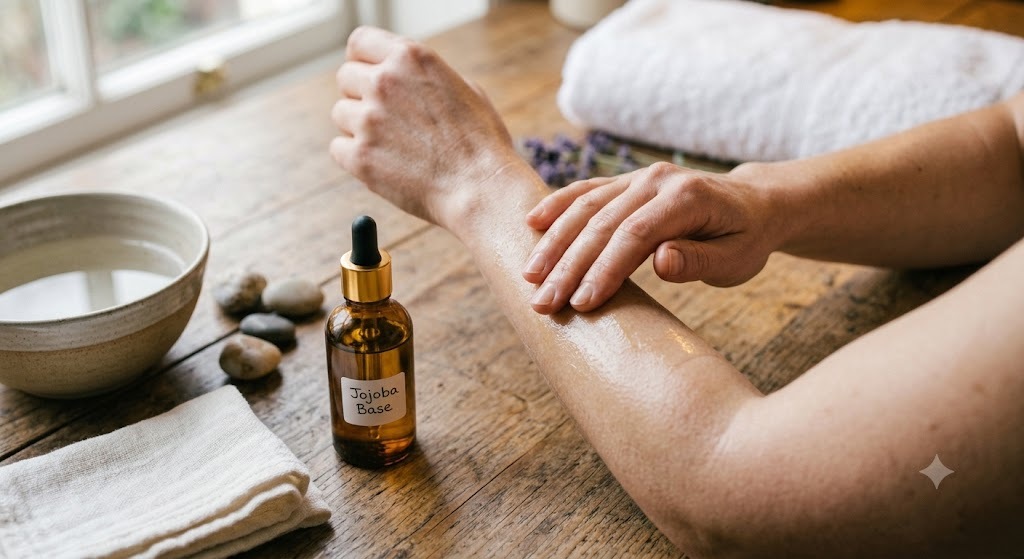
    In stark contrast, oil-based formulas rely on deeply nourishing carrier bases like organic jojoba oil, fractionated coconut oil, or pure meadowfoam seed oil. These clean lipid carriers mimic the natural sebum production of human skin, ensuring the product sits gently on your skin barrier rather than degrading it.

    When searching for the best perfume oils for people with sensitive systems, you are choosing a delivery system that values intimacy over aggression. Instead of forcing volatile organic compounds into the air for everyone to breathe, an oil remains bound to your skin, slowly warming up and releasing its beautiful scent notes only to those who stand closest to you.

    The Fascinating Science Behind How Perfume Oils Interact With Skin

    To truly appreciate why oil outlasts and outperforms alcohol sprays for sensitive individuals, we must examine the basic physics of evaporation. Alcohol molecules possess very weak intermolecular bonds, which means they require minimal thermal energy to shift from a liquid state into a volatile gas.

    When you spray a standard perfume, the cooling sensation you feel on your skin is the physical sensation of alcohol rapidly stealing your body heat to fuel its frantic evaporation. This process drags the top notes of the fragrance up into the atmosphere all at once, creating a sharp, intensely loud sensory burst that frequently overwhelms the olfactory nerve.

    Perfume oils operate on a completely different physical mechanism based on slow thermal release. Carrier oils consist of dense, long-chain fatty acids that possess high molecular weights, creating a strong physical matrix that holds onto volatile scent compounds.

    Instead of evaporating into thin air, the carrier oil absorbs beautifully into the outermost layer of your skin, the stratum corneum. As your heart beats and your natural body heat fluctuates throughout the day, the oil warms up slowly from within your skin cells, gently radiating the fragrance outwards over a span of eight to twelve hours.

    This slow-release mechanism radically alters the entire lifecycle of the fragrance development process on your skin. On an alcohol base, delicate top notes like bergamot, lemon, or mint disappear within fifteen minutes because they are carried away in the initial flash evaporation.

    With the best perfume oils for people, those vibrant top notes remain anchored inside the oil matrix, allowing you to enjoy the bright, crisp opening notes for hours rather than minutes. As the day unfolds, the fragrance seamlessly transitions into its rich heart and base notes, creating a incredibly smooth, linear journey that never feels jarring or sharp.

    Curated Guide to the Absolute Best Perfume Oils for People

    The Clean and Warm Aesthetic: Maison Louis Marie – No.04 Bois de Balincourt Perfume Oil

    Maison Louis Marie traces its botanical heritage back to the French botanical history of 1792, and their No.04 Bois de Balincourt oil is a masterclass in clean, non-irritating luxury. This specific oil is built around a magnificent, dominant sandalwood accord that avoids the synthetic, screechy chemical compounds found in cheap mass-market alternatives.

    The opening delivers a remarkably smooth, dry cedarwood note perfectly balanced by spicy ribbons of cinnamon and earthy nutmeg. As the oil settles into the skin over the course of the afternoon, it reveals a deeply comforting base of warm amber and soft wood notes that smell like clean skin after a walk through a damp forest.

    What makes this one of the best perfume oils for people with hyper-sensitive skin is its minimal, incredibly clean ingredient list that skips synthetic colorants and harsh phthalates entirely. The carrier base absorbs almost instantly without leaving a sticky, greasy residue on silk sleeves or delicate shirt collars.

    The Ultimate Skin Scent: Nemat International – Amber Perfume Oil

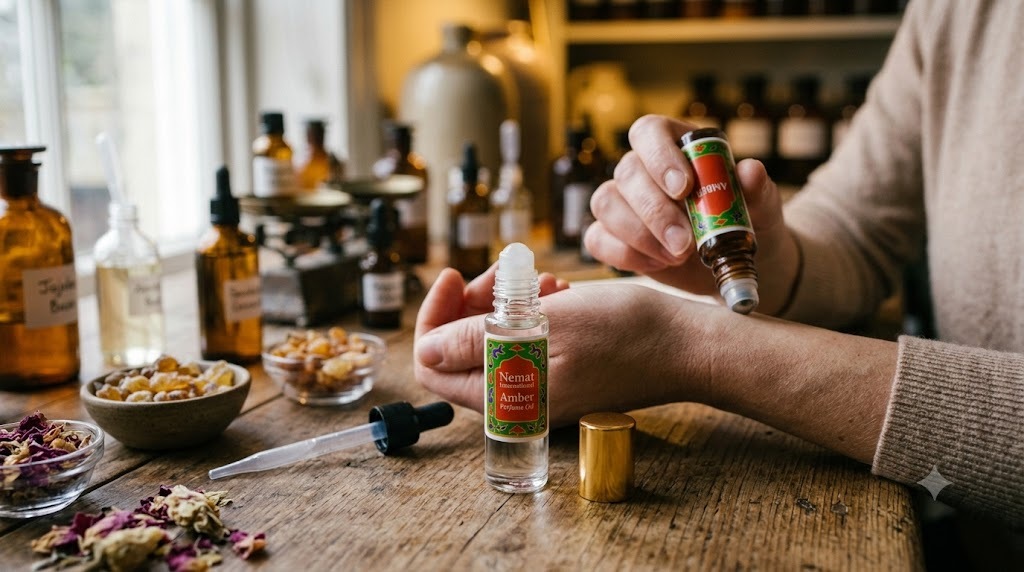
    If you are someone who gets an instantaneous, blinding migraine the second a strong perfume enters your personal space, Nemat Amber is your ultimate olfactory sanctuary. This cult-favorite fragrance oil is legendary within the perfume community for its profound subtlety and its magical ability to adapt completely to individual body chemistry.

    Nemat Amber does not smell like a conventional, heavy department store perfume; rather, it amplifies the natural, clean warmth of your own skin, making it smell subtly sweet, radiant, and incredibly soft. The scent profile revolves around a clean, crystalline amber that possesses a distinct, velvety airiness.
    Nemat International - Amber Perfume Oil

    It remains incredibly close to the body, creating a private personal aura that will never offend coworkers in a tight office space or cause respiratory irritation. It is affordable, highly concentrated, and housed in a travel-friendly glass bottle that lasts for months of daily use.

    The Modern Floral Oasis: Kai – Fragrance Perfume Oil

    Many individuals who love the romance of fresh floral scents are forced to avoid them completely because commercial floral sprays rely heavily on synthetic aldehydes to make the flowers smell loud and bright. Kai Fragrance completely solves this dilemma by capturing the pure, intoxicating essence of white exotic flowers inside a rich, nourishing oil blend.

    The scent profile is an unapologetic, exceptionally lifelike rendering of fresh gardenia blooms, wrapped beautifully in the green, crisp undertones of crushed leaves and exotic white petals. It smells wet, tropical, and remarkably alive, completely avoiding the powdery, heavy synthetic dustiness that plagues mass-market floral sprays.

    The roll-on applicator glides effortlessly over the pulse points, depositing a clean layer of fragrance that feels like an afternoon escape to a secluded tropical island paradise.

    The Ultimate Step-by-Step Guide to Applying Perfume Oils Correctly

    Phase One: Preparing Your Skin Canvas

    To get the absolute maximum longevity out of your luxury oils, you must properly prime your skin before the very first drop touches your body. Applying an oil-based fragrance to bone-dry, dehydrated skin will cause the parched tissue to aggressively drink up the carrier oil, which pulls the scent molecules deep inside the dermis and shortens the fragrance trail.

    For the most spectacular results, apply your perfume oil immediately after stepping out of a warm shower or bath while your skin is still damp and your pores are completely open. Apply a thin layer of an unscented, deeply hydrating body lotion or pure ceramide cream to your designated pulse points to build a protective moisture barrier.

    Phase Two: Strategic Targeting of Pulse Points

    Traditional sprays are often blindly misted into the air or over hair, but perfume oils require direct contact with the warm zones of your anatomy to properly come alive. Focus your application on your primary pulse points, where the large blood vessels run closest to the surface of your skin, acting as miniature, natural heating elements for the oil.

    Gently glide the rollerball or glass dropper across the inside of your wrists, the base of your throat, the warm hollow right behind your earlobes, and the inner crooks of your elbows. For an incredibly elegant, unexpected scent trail that moves beautifully as you walk, apply a small touch of oil behind your knees and along your collarbones.

    Phase Three: The Absolute Golden Rule of Application

    If there is one universal mistake that completely destroys the delicate structure of a fine fragrance oil, it is the instinctual urge to violently rub your wrists together after application. Friction generates intense, localized heat that prematurely shatters the top notes and alters the delicate balance of the fragrance profile.

    Instead of rubbing, gently press your wrists together, or simply tap your wrist against your neck to distribute the oil smoothly across the skin. Let the oil sit undisturbed on the surface for two to three minutes so it can naturally integrate with your body heat and settle into its long-lasting linear release phase.

    Major Mistakes People Make When Transitioning to Perfume Oils

    The single most common mistake individuals make when moving from traditional sprays to the best perfume oils for people is over-applying the product out of pure habit. Because oils do not fill a room with an immediate, overwhelming cloud of scent, users often mistakenly assume the product is weak and apply layer after layer.

    This over-application saturates the skin with an excessive amount of concentrated oil, which can lead to clogged pores or accidental transfer onto delicate luxury fabrics like silk, satin, or fine cashmere. Remember that pure perfume oils are heavily concentrated elixirs; a single, light roll across your pulse points is more than enough to guarantee an all-day presence.

    Another major mistake is applying perfume oil directly onto dry clothing rather than focusing exclusively on the bare skin. Traditional alcohol sprays are designed to safely mist over fabrics because the alcohol evaporates completely within seconds, leaving very little residue behind.

    Perfume oils, however, require the natural warmth and lipids of your living skin cells to develop their complex scent notes correctly. Furthermore, placing a direct line of rich carrier oil onto garments can leave unsightly, greasy spots that are incredibly difficult to launder out of delicate clothing fibers.

    Finally, many consumers completely neglect the proper storage requirements necessary to preserve the delicate shelf life of their precious perfume oils. Because these products utilize natural carrier lipids like jojoba or almond oil instead of harsh synthetic preservatives, they are significantly more sensitive to environmental changes.

    Storing your perfume oils on a bright, sunny bathroom window sill exposes the delicate formula to constant UV rays and dramatic humidity spikes, which quickly goes rancid. Keep your oil bottles safely tucked away inside a dark, cool drawer or a dedicated vanity box to preserve their pristine aromatic integrity for years to come.

    Insider Pro Tips for Designing a Long-Lasting Bespoke Scent Trail

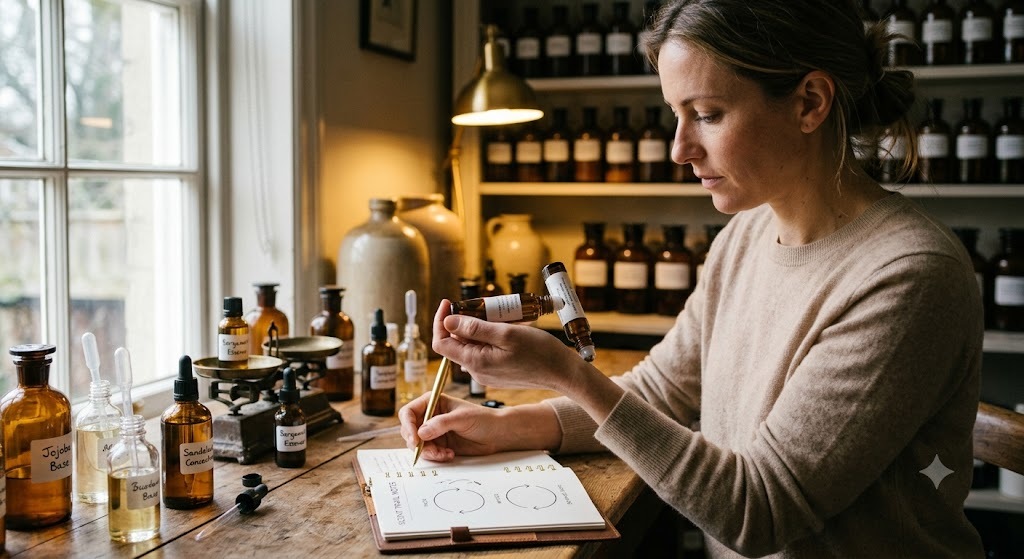
    If you ever find yourself missing the dramatic projection of an alcohol spray but refuse to tolerate the headaches and skin rashes, you can easily use the art of scent layering. Start by washing with a gently scented, natural bar soap or hydrating body wash that features clean, non-irritating essential oils like lavender, vanilla, or warm cedar.

    Once your skin is dry, apply a rich, matching body butter to lock in deep hydration before layering your primary perfume oil directly on top of the cream base. This multi-layered approach creates a highly effective moisture matrix that allows the scent to project significantly further into the air without ever needing a single drop of drying alcohol.

    For more insights into safely building your fragrance collection without irritating sensitive skin, read our comprehensive guide on How to Store Fragrances Safely to Prevent Oxidation.

    Another phenomenal pro tip used by elite global perfume connoisseurs is the calculated application of perfume oil to the tips of your hair. While you should never put alcohol sprays anywhere near your hair due to its severe drying effects, a tiny drop of perfume oil rubbed between your palms and smoothed through your hair ends works wonders.

    Every single time you move your head, turn around, or walk through a room, your hair acts as a stunning, natural diffuser that gently releases the fragrance into the air around you. This technique creates a beautiful, noticeable sillage that remains completely safe for your respiratory system.
    Insider Pro Tips for Designing a Long-Lasting Bespoke Scent Trail

    Final Recommendations for Building Your Clean Fragrance Wardrobe

    Embracing the world of fine perfume oils is not a compromise; it is an elevated, luxury upgrade to how you experience personal fragrance. By stepping away from the aggressive, chemical-heavy world of traditional alcohol sprays, you open the door to a deeply personal, skin-friendly sensory experience that respects your body.

    Statistically, the global demand for clean, alcohol-free fragrance alternatives has skyrocketed by over 40% in recent years, proving that the modern consumer values wellness and skin safety just as much as smelling incredible. The best perfume oils for people deliver unparalleled longevity, exceptional depth, and an intimate elegance that traditional sprays simply can not replicate.

    Take your time exploring different carrier bases and unique scent families until you discover the specific oils that harmonize flawlessly with your natural body chemistry. Whether you prefer the grounding, meditative notes of deep woods or the airy, clean whisper of skin-musks, there is a perfect, non-irritating oil waiting to become your next signature statement.

    Conclusion

    Making the intentional switch to oil-based scents completely redefines what it means to wear a personal fragrance. The best perfume oils for people who face sensitivities offer a spectacular, highly luxurious path forward that protects your skin barrier and keeps painful, unexpected headaches entirely at bay.

    You no longer have to choose between protecting your health and enjoying the beautiful world of luxury perfumery. By applying these concentrated, nourishing elixirs directly to your pulse points, you create a private, long-lasting aura of scent that belongs uniquely to you.

    Did you find this helpful? Drop a comment below or share this with a fellow fragrance lover who is ready to make the switch to clean, oil-based perfection!

    Frequently Asked Questions

    Q1: Are perfume oils better for people with extreme skin sensitivities than traditional alcohol sprays?

    A: Absolutely. Traditional spray perfumes rely on denatured alcohol to rapidly disperse the scent, which strips the skin of its natural moisture barrier and triggers immediate contact dermatitis. High-quality perfume oils utilize gentle, deeply nourishing carrier oils like jojoba or fractionated coconut oil that actively soothe the skin while slowly releasing fragrance throughout the day without irritation.

    Q2: How long do perfume oils typically last on the skin compared to standard eau de parfums?

    A: While standard alcohol-based sprays lift off the skin quickly and fade away within three to five hours, premium perfume oils regularly last anywhere from eight to twelve hours. The dense, heavy molecular structure of the carrier oil anchors the volatile scent notes directly to your skin, preventing rapid evaporation and creating a remarkably long-lasting, continuous fragrance experience.

    Q3: Will applying a dark perfume oil permanently stain my favorite luxury white clothing?

    A: Because perfume oils consist of pure, concentrated lipids and natural plant resins, they can absolutely leave greasy or slightly discolored spots if applied directly onto delicate fabrics like white linen or silk. To prevent any accidental staining, always apply your oils directly onto bare, clean skin and allow the product to absorb completely for a few minutes before getting dressed.

    Q4: Why does my favorite perfume oil smell completely different on me than it does on my best friend?

    A: Unlike alcohol sprays which smell highly uniform and synthetic, perfume oils blend directly with your individual skin lipids, natural pH balance, and unique body temperature. This deeply personal interaction alters how the different note layers unfold, transforming the oil into a truly customized, bespoke fragrance that smells completely unique to your specific body chemistry.

    Q5: Can I safely use pure perfume oils directly in my hair to make the scent last longer?

    A: Yes, you can safely apply them to your hair, but you must use a very light hand. Avoid applying the oil directly to your roots as this can make your scalp look greasy; instead, rub a tiny drop between your warm palms and gently smooth it through the very ends of your hair for a beautiful, moving scent diffuser.

    Q6: Do natural perfume oils expire or go bad faster than traditional alcohol-based perfumes?

    A: Yes, because they do not contain the harsh synthetic chemical stabilizers and heavy alcohol preservatives found in commercial sprays, natural carrier oils are more prone to oxidation over time. To maximize the shelf life of your collection, always store your bottles in a cool, dark place away from direct sunlight and humid bathroom air.

    Best Organic Perfumes Worth Trying in 2026

    Why Perfume Smells Different on Everyone: The Complete Skin Chemistry & Fragrance Science Guide

  • Best Organic Perfumes Worth Trying in 2026

    What you’ll learn

    • The crucial differences between synthetic fragrances and certified organic perfumes.
    • A curated list of the top luxury natural perfume houses dominating the industry this year.
    • How to properly apply and store botanical scents to maximize their longevity.
    • The truth behind common clean beauty myths and how to read fragrance ingredient labels.

    Introduction

    Finding the best organic perfumes used to feel like an impossible treasure hunt. For decades, the luxury fragrance industry relied almost exclusively on synthetic aroma-chemicals to achieve depth and staying power. However, modern fragrance technology has evolved dramatically, allowing natural perfumers to craft complex, deeply moving scents without relying on petrochemicals.

    Today, conscious consumers demand transparency along with luxury, prompting a massive shift toward botanical blends. Statistics show that the global clean beauty market is projected to reach over $15 billion by the late 2020s, with fine fragrance leading the innovation curve. You no longer have to compromise your wellness standards to smell absolutely divine.

    Whether you adore a sultry, sun-warmed amber or a crisp, dew-kissed citrus, the botanical world offers unparalleled olfactory art. Let’s dive in.

    The Evolution of Natural Fragrances

    Understanding why clean scents matter requires a quick look at conventional perfume manufacturing. Most traditional perfumes contain synthetic fixatives, phthalates, and undisclosed chemical mixtures protected under “trade secret” laws. Consequently, many scent enthusiasts experience headaches, skin irritation, or respiratory sensitivity from standard commercial sprays.

    Switching to non-toxic scents changes the entire sensory experience. Instead of a static, linear synthetic molecule, natural botanical oils interact dynamically with your unique skin chemistry. This means the formulation evolves uniquely on your skin, creating a truly personalized signature scent.

    The Evolution of Natural Fragrances

    The Best Organic Perfumes to Elevate Your Scent Wardrobe

    Navigating the world of botanical perfumery can feel overwhelming with so many new brands entering the market. To help you find your next signature scent, we have thoroughly analyzed the composition, wear time, and aromatic profiles of the top clean fragrances available today.

    Henry Rose: The Pioneer of Ingredient Transparency

    Founded by Michelle Pfeiffer, Henry Rose completely revolutionized the luxury fragrance space by achieving Environmental Working Group (EWG) Verification. Every single ingredient is rigorously vetted for safety, yet the scents rival any high-end European fashion house. Their standout creation, Torn, blends rich vanilla bean with earthy vetiver, creating a warm, musky aura that lingers beautifully for hours.

    Skylar: Hypoallergenic and Fresh

    If you possess highly sensitive skin or suffer from fragrance-induced headaches, Skylar is your ultimate safe haven. This brand utilizes clean, consciously sourced ingredients to craft light, uplifting olfactory experiences. Salt Air is a fan favorite, mimicking the crisp sensation of ocean breezes, driftwood, and sea salt, making it ideal for casual, everyday wear.

    Abel Odor: 100% Certified Natural Luxury

    Operating out of Amsterdam, Abel Odor proves that completely natural perfumery can be deeply sophisticated and edgy. They use only organic ingredients, food-grade alcohol, and essential oils to create concentrated eau de parfums. Their masterwork, Green Cedar, marries twice-distilled Texas cedar with wild Moroccan cedarwood, yielding a striking, woody masterpiece that appeals to all genders.

    How to Apply and Extend the Life of Botanical Perfumes

    Natural blends lack the heavy synthetic fixatives that make conventional perfumes cling to fabric for days. However, you can easily maximize the longevity of your favorite clean blends by applying a few strategic, time-tested application techniques.

    1. Hydrate the skin first: Botanical oils bind far better to moisture than to dry skin. Apply an unscented organic body lotion or a touch of jojoba oil to your pulse points before spraying your perfume.
    2. Target your pulse points: Focus your sprays on areas where the blood vessels run closest to the skin’s surface, such as your wrists, the base of your throat, and behind your knees. The natural warmth of these zones continuously diffuses the scent throughout the day.
    3. Avoid the friction rub: Never rub your wrists together after applying perfume. This friction friction friction breaks down the delicate top notes prematurely, short-changing your fragrance journey.
    How to Apply and Extend the Life of Botanical Perfumes

    Common Myths About Organic Perfumes

    Misinformation runs rampant in the beauty industry, particularly regarding clean, green, and conscious products. Let’s debunk the most prominent myths so you can shop with absolute confidence and clarity.

    Natural perfumes only last an hour or two on the skin. Reality: While top notes like citrus fade quickly, base notes like patchouli, labdanum, sandalwood, and vanilla boast incredible natural staying power that can easily last six to eight hours.

    Another frequent misconception is that natural ingredients are automatically safer than synthetics. In reality, wild-harvested plants can still trigger allergic reactions in certain individuals. Always look for brands that independently test for allergens and clearly list their botanical components.

    Pro Advice for Building a Clean Fragrance Wardrobe

    Transitioning to a non-toxic fragrance lifestyle does not mean you need to replace your entire collection overnight. Instead, approach the journey seasonally, swapping out your heaviest synthetic bottles for cleaner alternatives as you empty them.

    When shopping, look closely at the base alcohol used in the formulation. The absolute highest quality brands utilize organic sugar cane alcohol or organic grape alcohol, which provides a incredibly clean, crisp opening note without the harsh chemical sting typical of industrial denatured alcohol. For more insights on curating your vanity sustainably, check out our guide on sustainable beauty packaging transitions.

    Final Recommendations for Clean Scents

    Investing in the best organic perfumes is a beautiful way to honor your personal wellness while indulging in the luxury of fine fragrance. The modern botanical perfumes of 2026 offer magnificent complexity, beautiful sillage, and exceptional longevity that easily rival the iconic synthetic classics.

    Final Recommendations for Clean Scents

    Conclusion

    Embracing the world of botanical perfumery opens up a completely new realm of sensory appreciation. By choosing clean, non-toxic formulations, you protect your body’s wellness while discovering how beautifully natural ingredients interact with your skin’s unique chemistry. The market for the best organic perfumes will only continue to grow, bring forth even more breathtaking olfactory art.

    Did you find this helpful? Drop a comment below or share this with a fellow fragrance lover!

    Frequently Asked Questions

    Q: What makes a perfume truly organic?

    A: A truly organic perfume utilizes aromatic compounds derived exclusively from physically processed plants, alongside certified organic carrier oils or organic ferment alcohol. The ingredients must be grown without synthetic pesticides, bioengineering, or ionizing radiation, and ideally certified by an accredited body like the USDA or COSMOS.

    Q: Do organic perfumes expire faster than traditional synthetic perfumes?

    A: Yes, natural perfumes generally possess a slightly shorter shelf life because they lack synthetic chemical preservatives. Most botanical fragrances remain perfectly fresh and vibrant for 12 to 24 months, provided you store them away from direct sunlight, heat, and high humidity.

    Q: Why do some natural perfumes smell different on different people?

    A: Natural essential oils contain hundreds of complex, living molecules that react dynamically with your skin’s unique pH, moisture levels, and lipid profile. Synthetics remain highly static, whereas botanical ingredients shift and morph, creating a deeply personalized scent profile unique to you.

    Q: Are organic perfumes completely safe for individuals with asthma?

    A: While organic options eliminate synthetic irritants, petroleum derivatives, and phthalates, they still contain natural essential oils. Certain botanical ingredients like oakmoss or specific citrus oils can still trigger sensitivities, so individuals with respiratory conditions should always perform a careful patch test.

    Q: Why are high-quality organic perfumes often more expensive?

    A: The raw materials required for authentic botanical perfumery are exceptionally costly to cultivate, harvest, and distill. For instance, it requires thousands of pounds of fresh rose petals just to extract a single ounce of pure rose essential oil, making natural ingredients significantly pricier than mass-produced synthetic alternatives.

    Q: Can I layer different natural fragrances together safely?

    A: Absolutely. Because botanical perfumes mimic the natural harmonies found in the wild, they are incredibly forgiving and beautiful when layered. You can easily create your own custom blend by spraying a heavy woody or amber base fragrance first, then topping it with a bright, uplifting citrus or floral spray.

    What Are Phthalate-Free Perfumes — and Why Should You Care?

    Que Tal: An Overlooked Little Beauty From Plume Impression

  • Best Natural Perfumes Made With Real Botanicals

    What you’ll learn

    • The crucial differences between synthetic aroma chemicals and true botanical extracts.
    • How to identify genuine clean fragrance brands using transparent ingredient lists.
    • Expert techniques to maximize the longevity and sillage of plant-based scents.
    • A curated look at the leading luxury houses defining the green beauty revolution.

    Introduction

    Finding the best natural perfumes can feel like searching for a hidden oasis in a desert of synthetic chemicals. Every day, millions of us spritz on commercial scents without realizing that a single bottle can contain hundreds of undisclosed petrochemicals. These hidden synthetic ingredients often trigger stubborn headaches, skin irritation, and respiratory discomfort. If you are tired of compromised wellness for the sake of a signature scent, it is time to pivot toward nature.

    The modern olfactory world is experiencing a massive paradigm shift as artisan perfumers reclaim ancient traditions. By utilizing pure essential oils, absolutes, and resins, conscious brands are crafting complex masterpieces that rival traditional luxury houses. These living fragrances interact uniquely with your skin chemistry, creating a deeply personalized aromatic profile that evolves beautifully throughout the day. Let’s dive in.

    The Evolution of Clean Fragrance

    The fragrance industry has long hidden behind the legal loophole of “parfum” or “fragrance” on ingredient labels. This single word legally protects proprietary trade secrets, but it also allows brands to mask phalates, parabens, and synthetic musks. According to industry data from the Breast Cancer Prevention Partners, fragrance blends frequently contain high-hazard compounds linked to hormone disruption. This lack of transparency has fueled the massive rise in consumer demand for cleaner, safer, and more sustainable beauty alternatives.

    Historically, ancient civilizations in Egypt and Mesopotamia relied exclusively on raw botanicals, infusing precious resins like frankincense with rich carrier oils. The transition to synthetic molecules in the late 19th century democratized perfumery, but it stripped away the soulful essence of the plants. Today, the best natural perfumes merge this ancient reverence for botanicals with modern green chemistry. This harmonious fusion delivers sophisticated, multi-layered profiles that are safe for both your body and the planet.

    The Evolution of Clean Fragrance

    Demystifying Botanical Scent Profiles

    To truly appreciate plant-based perfumery, you must understand how natural raw materials behave quite differently than laboratory-created synthetics. Synthetics are designed to remain linear and static, smelling identical from the first spray until hours later on your skin. Natural raw ingredients, however, are dynamic, complex, and deeply influenced by the environment where the crops were grown.

    The Magic of Real Top Notes

    Natural top notes provide the crucial first impression of a fragrance, bursting with vibrant life immediately upon application. Because natural molecules are highly volatile, these notes evaporate relatively quickly, usually within fifteen to thirty minutes. Sparkling citrus oils like bergamot, blood orange, and pink grapefruit offer an instant mood lift that synthetic alternatives simply cannot replicate. You might also encounter crisp herbal top notes like wild lavender, crushed mint leaves, or peppery basil.

    The Heart of Botanical Perfumery

    As the initial burst of citrus gently fades, the middle or heart notes emerge to define the core character of the blend. In botanical perfumery, this section is traditionally dominated by opulent, hand-harvested floral absolutes and steam-distilled spices. Precious Bulgarian rose, intoxicating night-blooming jasmine, and creamy ylang-ylang form the emotional centerpiece of these clean formulations. These rich botanicals linger beautifully on the skin for several hours, shifting subtly as your body temperature fluctuates.

    The Grounding Base Notes

    The base notes act as the anchor of the entire fragrance composition, providing depth, warmth, and essential longevity. Synthetic perfumery relies heavily on petroleum-derived musks to achieve all-day wear, but natural artisans utilize rich, earth-grown alternatives. Velvety sandalwood, smoky vetiver, sweet vanilla bean, and complex labdanum resin create an incredibly warm and comforting foundation. These heavy botanical molecules evaporate very slowly, ensuring a beautiful, lingering dry-down that stays close to your skin.

    How to Choose Authentic Natural Perfume

    Navigating the green beauty market requires a discerning eye, as greenwashing runs rampant across drugstore and luxury beauty counters alike. Many mainstream brands proudly display images of fresh flowers on their packaging while filling their actual bottles with synthetic liquids. To find genuine products, you must look past clever marketing campaigns and analyze the ingredient list.

    • Check for Full Ingredient Disclosure: Trustworthy brands willingly list every single botanical extract, carrier oil, and alcohol source on their packaging.
    • Look for Certified Organic Alcohol: High-quality natural perfumes utilize non-GMO, organic grape, sugarcane, or grain alcohol as their base.
    • Avoid the Generic Term “Fragrance”: If a brand simply lists “fragrance” or “parfum” without an asterisk clarifying its natural origin, it likely contains synthetics.
    • Seek Out Recognized Third-Party Certifications: Look for trusted seals from organizations like ECOCERT, COSMOS, or the Natural Perfumers Guild.
    • Understand the Pricing Reality: Authentic botanical absolutes, like pure rose or oud, are highly expensive to harvest, which is reflected in the final retail price.
    How to Choose Authentic Natural Perfume

    Common Myths About Botanical Scents

    One persistent myth surrounding natural perfumery is that plant-based options lack complexity, smelling like basic aromatherapy oils or health-food stores. While early iterations in the nineties were often simple blends, today’s natural perfumers train in classic French techniques. They combine hundreds of rare botanical materials to build complex, sophisticated narratives that evolve elegantly from day to night. Brands like Henry Rose and Heretic Parfum have proven that clean scents can easily compete on the global luxury stage.

    Another frequent complaint is that the best natural perfumes do not last as long as traditional, synthetic perfumes. It is true that without synthetic fixatives, a natural scent will not artificially cling to your skin for forty-eight hours. However, this is actually a benefit for your endocrine system and your overall respiratory health. Natural perfumes are designed to be an intimate, personal experience, creating a subtle scent bubble rather than overpowering an entire room.

    Pro Tips to Extend Your Clean Fragrance

    Because botanical blends lack synthetic chemical fixatives, maximizing their wear time requires a bit of strategic application knowledge. Applying your scent directly to dry, parched skin causes the thirsty lipids to quickly drink up the precious essential oils. To combat this, always apply an unscented, organic body oil or rich shea butter base to your pulse points prior to spritzing. The emollient barrier traps the botanical molecules on the surface of your skin, drastically extending the fragrance’s lifespan.

    Furthermore, target your warmest pulse points where blood flow is closest to the surface, such as the wrists, inner elbows, and collarbones. Never rub your wrists together after application, as this friction creates heat that prematurely breaks down the delicate top notes. For an enchanting, long-lasting scent trail, lightly mist your hair or your favorite organic cotton and cashmere clothing. For more insights into clean lifestyle choices, check out our guide on sustainable beauty rituals.

    Elevating Your Daily Scent Ritual

    Transitioning your vanity to prioritize botanical scents is a beautiful act of self-care that honors both your health and planet Earth. When you spray a true botanical masterpiece, you are experiencing the authentic essence of a living plant harvested by human hands. These formulations allow you to express your unique personal style elegantly without exposing your body to undisclosed chemical toxins.

    As you explore this vibrant olfactory landscape, remember to be patient with your nose as it adjusts away from aggressive synthetics. Sample different families, from bright and zesty citruses to deep, smoldering woods, to see how they uniquely dance with your skin chemistry. The world of clean luxury is vast, welcoming, and incredibly rewarding for those who seek pure ingredients.

    Elevating Your Daily Scent Ritual

    Conclusion

    Embracing the best natural perfumes is more than just a fleeting beauty trend; it is a conscious lifestyle choice that champions wellness, transparency, and artistic integrity. By stepping away from synthetic chemicals, you open the door to a deeply personal and luxurious sensory experience. These authentic botanical creations prove that we never have to sacrifice our physical health or environmental values to smell absolutely breathtaking.

    Did you find this helpful? Drop a comment below or share this with a fellow fragrance lover!

    Frequently Asked Questions

    What does natural perfume actually mean?

    An authentic natural perfume is formulated exclusively using raw materials derived directly from nature, such as plants, flowers, seeds, and resins. These blends use steam distillation, expression, or expression to extract pure essential oils and absolutes. They completely exclude synthetic aroma chemicals, petroleum derivatives, phthalates, and artificial colorants, utilizing organic alcohol bases instead.

    Why do natural perfumes cost more than regular options?

    True botanical perfumery relies on massive quantities of physical plant matter to produce tiny amounts of precious oil. For example, it requires thousands of individual rose petals to extract just one single drop of pure rose absolute. This intensive agricultural labor, combined with ethical sourcing practices, makes the raw ingredients significantly more expensive than mass-produced synthetic chemicals.

    Do natural perfumes expire faster than synthetic ones?

    Yes, because they do not contain synthetic preservatives, botanical perfumes generally have a slightly shorter shelf life than mass-market options. Most natural formulations remain perfectly fresh and potent for roughly twelve to twenty-four months after opening. To extend their lifespan, store your bottles away from direct sunlight, humidity, and extreme temperature fluctuations.

    Can botanical perfumes cause allergic reactions?

    While natural ingredients are completely free from synthetic chemical irritants, true botanicals can still occasionally trigger personal skin sensitivities. Plants contain natural allergens, such as linalool found in lavender, which might cause reactions in highly sensitive individuals. It is always wise to perform a small patch test on your inner forearm before applying a new scent widely.

    Is natural perfume vegan and cruelty-free?

    Most modern clean fragrance brands are strictly cruelty-free and vegan, but it is important to always check the packaging labels carefully. Historically, perfumers used animal-derived ingredients like deer musk, ambergris, or civet for base depth. Today, ethical botanical brands substitute these with beautiful plant-derived alternatives like ambrette seed, labdanum, and legally harvested resins.

    How can I make my natural perfume last all day long?

    To maximize longevity, apply your fragrance to well-moisturized skin or over a thin layer of unscented balm on your pulse points. Spraying your hair and clothing fibers also helps lock in the botanical molecules far longer than skin application alone. Carrying a travel-sized rollerball for a quick, refreshing midday spritz is another excellent habit of clean beauty enthusiasts.

    Best Alcohol-Free Perfumes That Last All Day

    Best Winter Perfumes for Men – Warm, Spicy & Long-Lasting Scents

  • Best Alcohol-Free Perfumes That Last All Day

    What you’ll learn

    • Why alcohol-free perfumes behave differently on skin than traditional sprays
    • The best types and brands of alcohol-free fragrance to try
    • Application tricks that stretch wear time from hours to all day
    • Common mistakes that make oil-based scents fade too fast

    Introduction

    If you’ve ever spritzed a beloved perfume only to watch it vanish by lunchtime, alcohol-free perfumes might be the fix you didn’t know you needed. Unlike traditional sprays, alcohol-free formulas are built on oils and waxes that cling to skin instead of evaporating off it.

    That difference matters more than most people realize. Alcohol is a fantastic carrier for spreading scent quickly, but it also flashes off within minutes, taking a chunk of your fragrance with it. Oil-based and alcohol-free perfumes trade that initial big burst for a slower, warmer release that can genuinely last from your morning coffee to your evening wind-down.

    They’re also a lifeline for anyone with sensitive or easily irritated skin, since alcohol can be drying and sometimes triggers redness or a stinging sensation on application. Whether you’re chasing longevity, gentleness, or both, there’s a growing world of alcohol-free options worth exploring.

    Let’s dive in.

    Why Alcohol-Free Perfume Matters

    Traditional eau de parfum and eau de toilette formulas typically contain 70–90% alcohol by volume. That alcohol acts as a solvent, dissolving fragrance oils so they spray evenly and dry down quickly.

    The catch is that alcohol is volatile. It evaporates almost immediately after application, and unfortunately, some of the lighter top-note molecules evaporate right along with it. That’s part of why a spray perfume can smell strong for the first ten minutes and then feel like it’s disappeared an hour later.

    Alcohol-free perfumes swap that solvent for oils like jojoba, fractionated coconut, or sweet almond oil, sometimes with a wax base for solid perfumes. These carriers sit on the skin’s surface far longer, acting almost like a slow-release capsule for the fragrance compounds trapped inside them.

    Why Alcohol-Free Perfume Matters

    There’s also a skin-health angle. Dermatologists have long noted that alcohol-based fragrances can strip natural oils from the skin, which is part of why some people develop dry patches or irritation right where they spray. Oil-based, alcohol-free formulas tend to be far gentler, especially for those with eczema-prone or reactive skin.

    The Main Types of Alcohol-Free Fragrance

    Not all alcohol-free perfumes are built the same way. Understanding the categories helps you choose the right texture and wear style for your lifestyle.

    Perfume Oils

    Perfume oils are pure fragrance concentrate blended into a carrier oil, usually sold in small roll-on bottles. Brands like Rihanna’s Fenty Eau de Parfum aside, dedicated oil houses such as Nemat, Al Rehab, and Ajmal specialize almost entirely in this format, drawing on a long Middle Eastern tradition of oil-based attars.

    Because there’s no alcohol carrying the scent outward, perfume oils tend to project less from a distance but sit incredibly close and warm on the skin. Many wearers find they can still smell traces of their perfume oil at the end of a twelve-hour day.

    Solid Perfumes

    Solid perfume is fragrance oil suspended in a wax base, usually beeswax or a plant-derived alternative, packed into a small tin or compact. You warm a fingertip against the wax and dab it onto pulse points.

    Solid formats are wonderfully travel-friendly since they can’t spill, and the wax slows down evaporation even further than liquid oils. Brands like Lush and various indie perfumers have built loyal followings around solid formats specifically for their staying power.

    Alcohol-Free Sprays and Mists

    Some brands now formulate spray perfumes using water and glycerin instead of alcohol as the carrier, giving you the familiar spray application without the drying effect. These tend to have lighter projection than alcohol-based sprays but are a nice middle ground for people who want a mist format without the sting.

    How to Make Alcohol-Free Perfume Last All Day

    Getting the most out of an oil-based fragrance comes down to a few consistent habits. Here’s the step-by-step approach that works best:

    1. Apply to clean, slightly damp skin. Right after a shower, while pores are still slightly open, is the ideal window for perfume oil to bond with skin.
    2. Target pulse points. Wrists, the inner elbow, behind the ears, and the base of the throat all generate warmth that helps release scent gradually throughout the day.
    3. Layer with an unscented moisturizer first. Well-hydrated skin holds fragrance oils far better than dry skin, which tends to absorb and “eat” scent quickly.
    4. Don’t rub your wrists together. Rubbing breaks down the fragrance’s molecular structure and can dull the top notes faster than simply letting the oil dry naturally.
    5. Carry a travel-size roll-on for a midday refresh. A quick touch-up around hour six or seven keeps the scent present without needing a full reapplication.
    How to Make Alcohol-Free Perfume Last All Day

    Common Mistakes People Make With Alcohol-Free Perfume

    Even fragrance lovers who switch to alcohol-free formulas sometimes sabotage their own results. Here are the missteps worth avoiding.

    Applying too little. Because oils don’t spray in a fine mist, people often under-apply. A couple of dabs per pulse point is usually the right amount.

    Expecting the same projection as a spray. Oil-based scents are more intimate by design. Comparing their “sillage,” or the trail of scent left behind, to an alcohol-based eau de parfum will always feel like a letdown.

    Storing bottles near heat or sunlight. Oils are somewhat more prone to going rancid over time than alcohol-based perfumes, so a cool, dark drawer extends shelf life significantly.

    Mixing too many scents at once. Layering is fun, but oil-based fragrances are concentrated, so combining several strong scents can muddy the blend rather than complement it.

    Expert Tips for Choosing the Right Alcohol-Free Scent

    Fragrance chemists often point out that oil concentration, not just formula type, drives longevity. Look for perfume oils labeled as “concentrated” or with fragrance oil percentages in the 20–30% range for the most staying power.

    Skin chemistry also plays a bigger role with alcohol-free formulas than with sprays, since there’s no alcohol flattening out individual body chemistry differences. It’s worth testing a sample on your own skin for a few hours before committing to a full bottle, especially with warm, musky, or woody notes that tend to react differently from person to person.

    If you’re new to the category, starting with a lighter citrusy or fresh oil blend is often easier to gauge than diving straight into a dense amber or oud-based scent, since lighter notes are more forgiving while you learn how a formula behaves on your specific skin.

    Final Recommendations for All-Day Wear

    If longevity and gentleness are your top priorities, perfume oils from dedicated attar houses are hard to beat for sheer staying power. Solid perfumes are the best pick for travel and touch-ups, while alcohol-free mists suit anyone who misses the ritual of a spray bottle.

    Final Recommendations for All-Day Wear

    Whichever format you choose, remember that alcohol-free perfume rewards patience. It builds slowly, wears close to the skin, and often surprises you by still being there at the end of a long day.

    Conclusion

    Alcohol-free perfumes aren’t just a trend for sensitive skin. They’re a genuinely different way to experience fragrance, built for slow-release warmth instead of a quick, fading burst. From perfume oils to solid compacts and gentle alcohol-free mists, there’s a format here for almost every lifestyle and skin type.

    With the right application habits, an alcohol-free perfume can easily carry you from your morning routine through a late dinner without a single touch-up. Did you find this helpful? Drop a comment below or share this with a fellow fragrance lover!

    Frequently Asked Questions

    Q1: Do alcohol-free perfumes last longer than regular perfumes? A: Often, yes. Alcohol-free formulas use oil or wax carriers that evaporate much more slowly than alcohol, allowing the scent to release gradually over many hours rather than fading quickly after application.

    Q2: Are alcohol-free perfumes better for sensitive skin? A: Generally, yes. Alcohol can be drying and sometimes irritating, especially on eczema-prone or reactive skin, while oil-based alcohol-free formulas tend to feel gentler and more soothing on application.

    Q3: Why do alcohol-free perfumes smell weaker from a distance? A: Without alcohol to help disperse the scent into the air, oil-based perfumes project less and sit closer to the skin. This makes them more intimate rather than weaker overall, since the scent is still very present up close.

    Q4: Can alcohol-free perfume go bad faster than regular perfume? A: Perfume oils can be more sensitive to heat, light, and air exposure than alcohol-based sprays, so storing bottles in a cool, dark place helps preserve their scent and extends shelf life.

    Q5: How much alcohol-free perfume oil should I apply? A: A couple of dabs per pulse point, such as wrists, neck, and behind the ears, is usually enough. Because oils are concentrated, more isn’t always better, and over-application can feel heavy rather than fresh.

    Q6: What’s the difference between solid perfume and perfume oil? A: Solid perfume suspends fragrance oil in a wax base, making it travel-friendly and mess-free, while perfume oil is a liquid blend usually applied with a roll-on. Both are alcohol-free, but solid formats tend to release scent even more slowly.

    Best Clean Perfumes With No Harmful Ingredients: The Ultimate Guide to Safe Luxury Scents

    Best Perfumes for Men in Their 40s – Sophisticated, Confident & Timeless Scents

  • Best Clean Perfumes With No Harmful Ingredients: The Ultimate Guide to Safe Luxury Scents

    What you’ll learn

    • How to identify hidden toxic chemicals lurking in traditional commercial fragrances.
    • The critical difference between 100% natural ingredients and safe synthetic alternatives.
    • A curated list of the top clean fragrance houses delivering luxury without compromise.
    • Practical tips to maximize the longevity of your non-toxic perfumes on the skin.

    Introduction

    Finding the best clean perfumes shouldn’t mean compromising on sophistication, complexity, or staying power. For decades, the fragrance industry operated behind a veil of secrecy, using the single word “fragrance” or “parfum” on ingredient labels to mask a cocktail of hundreds of undisclosed synthetic chemicals. Many of these hidden compounds are linked to hormone disruption, skin allergies, and respiratory irritation.

    Fortunately, a modern fragrance revolution is underway, ushering in an era of unprecedented transparency and artistic formulation. Today, conscious consumers can enjoy breathtaking, high-end olfactory experiences without exposing their bodies to known toxins. Whether you crave a velvety, sun-warmed amber, a crisp, dew-kissed floral, or a sharp, grounding woody blend, the clean beauty market has an exceptional option waiting for you. Let’s dive in.

    Why Switching to Clean Fragrance Matters

    The traditional perfume industry relies heavily on a legal loophole known as “trade secret” status. This regulation allows brands to protect their proprietary scent formulas by omitting specific chemical ingredients from consumer labels. While this protects intellectual property, it leaves consumers completely in the dark about what they are spraying directly onto their skin and inhaling into their lungs daily.

    Recent cosmetic safety studies reveal that conventional perfumes often contain phthalates, synthetic musks, and formaldehyde releasers. Phthalates, specifically diethyl phthalate (DEP), are regularly used as solvents and fixatives to make fragrances last longer. However, clinical research links these chemicals to endocrine disruption, which can interfere with the body’s natural hormone signaling pathways.

    Additionally, synthetic musks like galaxolide and tonalide accumulate in human fat tissue and aquatic ecosystems over time. By consciously choosing the best clean perfumes, you actively vote for systemic transparency, personal wellness, and environmental safety. You protect your endocrine system while supporting pioneering brands that prioritize sustainable ingredient sourcing and green chemistry.

    Industry Fact: According to report data from the Breast Cancer Prevention Partners, fragrance chemicals comprise a significant percentage of the top hazardous compounds found in personal care products, often flying completely under regulatory radars due to labeling loopholes.

    Why Switching to Clean Fragrance Matters

    Understanding the Clean Olfactory Landscape

    Navigating the world of non-toxic scents requires a bit of education, as the word “clean” is not legally defined by regulatory bodies. To find the best clean perfumes for your lifestyle, you must understand what goes into these modern bottles and how master perfumers create luxury profiles safely.

    The Truth About “Safe Synthetics”

    A common misconception is that a clean fragrance must be 100% plant-based and organic to be safe. In reality, many of the best clean perfumes utilize a thoughtful blend of responsibly sourced natural botanicals and rigorously vetted “safe synthetic” molecules.

    Completely natural perfumes can sometimes trigger severe skin allergies because raw botanical oils contain complex, volatile allergens like tree moss, linalool, and eugenol. Safe synthetics are created in controlled laboratory environments to mimic nature perfectly without the accompanying allergens or environmental strain. Furthermore, utilizing safe synthetics prevents the over-harvesting of endangered natural resources like true Indian sandalwood or natural Madagascar vanilla.

    Crucial Ingredients to Avoid Completely

    When auditing your vanity for toxic formulations, there are several key offenders you should learn to spot. First and foremost, cross-reference ingredient lists for phthalates (often hidden under the generic term “fragrance” or “parfum”).

    Next, avoid synthetic parabens (such as methylparaben and propylparaben), which serve as cheap preservatives but mimic estrogen in human cells. Finally, steer clear of BHT (butylated hydroxytoluene), a common synthetic antioxidant used to extend a perfume’s shelf life that is flagged as a potential skin allergen and endocrine disruptor. Clean fragrance houses consciously eliminate these chemicals, utilizing safe, food-grade antioxidants like vitamin E (tocopherol) instead.

    Top Clean Fragrance Houses Leading the Industry

    Several visionary brands have set the gold standard for clean luxury by publishing 100% of their ingredient lists openly. Brands like 7 Virtues focus on sourcing fair-trade, organic natural oils from nations rebuilding after war or strife, creating deeply evocative scents like Vanilla Woods.

    Another standout is Henry Rose, founded by actress Michelle Pfeiffer, which boasts the distinction of being the first fine fragrance line to be completely certified by the Environmental Working Group (EWG). Their scent Torn blends rich vanilla bean with earthy vetiver for a mesmerizing, hypoallergenic wear. Additionally, By Rosie Jane crafts effortless, California-inspired scents like James and Dulce using completely recyclable packaging and clean, organic cane alcohol bases.

    How to Transition to Non-Toxic Scents Smoothly

    Switching your entire scent wardrobe can feel overwhelming, but breaking it down into actionable steps ensures a delightful, headache-free journey to clean beauty.

    1. Audit Your Current Vanity: Gather your favorite conventional perfumes and check their profiles. Note down the primary scent families you naturally gravitate toward—such as gourmand, fresh citrus, or heavy florals.
    2. Decode Scent Samples First: Because clean perfumes react intensely with your unique skin chemistry, never buy a full bottle immediately. Order sample flights or discovery sets directly from clean brands to test how the formulas evolve on your skin over several hours.
    3. Analyze the Base Ingredients: Look for formulas that utilize a base of organic cane sugar alcohol, organic jojoba oil, or fractionated coconut oil instead of denatured SD alcohol 40, which can dry out and irritate sensitive skin.
    4. Learn to Layer Correctly: Since clean fragrances omit synthetic chemical fixatives, layer your safe scents over an unscented organic body lotion or a light layer of pure jojoba oil to give the scent molecules a rich lipid base to adhere to.
    How to Transition to Non-Toxic Scents Smoothly

    Common Myths About Clean Perfumes

    As non-toxic beauty surges in popularity, several persistent myths continue to confuse shoppers looking for high-quality alternatives to traditional scents.

    The most pervasive myth is that clean fragrances have terrible longevity and fade completely within thirty minutes. While it is true that early natural perfumes evaporated quickly due to a lack of synthetic fixatives, modern clean perfumery utilizes innovative green chemistry. Perfumers now use safe, heavy synthetic base notes like clean musks, ambroxan, and ethically sourced resins to anchor lighter citrus and floral notes, ensuring your scent lingers beautifully for six to eight hours.

    Another common myth is that clean perfumes always smell like health-food stores, patchouli, or simple aromatherapy oils. While basic essential oil rollers certainly have their place, contemporary clean fine fragrance is incredibly sophisticated. World-class master perfumers are now formulating for clean brands, creating multi-layered, evolving olfactory pyramids that rival the complexity of historic French fashion houses.

    Expert Tips for Maximizing Your Clean Fragrance

    To get the absolute most out of your clean perfume collection, you should understand how to handle and apply these delicate, mindfully crafted formulas like an industry insider.

    First, store your clean bottles far away from humidity, direct sunlight, and extreme temperature fluctuations. Because non-toxic perfumes lack aggressive synthetic preservatives like BHT, they are more susceptible to oxidation and degradation. Keep your bottles tucked safely inside a cool, dark bedroom closet or drawer rather than displaying them on a sunny bathroom vanity.

    Second, avoid the instinctual habit of rubbing your wrists together after spraying your perfume. This common friction action generates intense heat that prematurely shears the delicate top notes—like bright bergamot or zesty mandarin—crushing the initial phase of the scent’s intended evolution. Instead, spray your scent deliberately onto your warmest pulse points—the base of the throat, behind the knees, and inside the elbows—and let it air-dry naturally.

    If you are eager to learn more about curating a completely sustainable, holistic vanity space, check out our comprehensive guide on [Internal Link Placeholder: Sustainable Beauty Routines for Beginners] to discover eco-friendly skincare pairings that complement your safe fragrance lifestyle seamlessly.

    Embracing a Healthier Fragrance Wardrobe

    Making the conscious switch to non-toxic beauty products is a powerful act of self-care that profoundly benefits your long-term physical health and the environment.

    When you invest in the best clean perfumes, you are not simply purchasing a beautiful scent profile; you are actively funding ethical sourcing chains, supporting fair-trade farmers across the globe, and reducing the chemical load entering our shared air and water systems. You no longer have to compromise your personal health, your respiratory comfort, or your hormonal balance just to enjoy the luxurious, transformative ritual of fine fragrance.

    Embracing a Healthier Fragrance Wardrobe

    Conclusion

    The evolution of modern perfumery has proven that we can enjoy breathtaking, complex, and intoxicating scents without compromising our physical well-being. By prioritizing transparency, seeking out safe synthetics, and avoiding harmful fixatives like phthalates and parabens, you can confidently curate a luxurious scent collection that treats your body with the utmost respect. Exploring the best clean perfumes opens up an entirely new world of mindful, rich sensory experiences that align with a healthy, vibrant lifestyle.

    Did you find this helpful? Drop a comment below or share this with a fellow fragrance lover!

    Frequently Asked Questions

    Q1: What exactly makes a fragrance qualify as one of the best clean perfumes?

    A: A clean perfume is formulated with complete transparency, entirely omitting known toxic ingredients such as phthalates, parabens, BHT, synthetic musks, and endocrine disruptors. These brands responsibly disclose their entire ingredient lineup, utilizing a thoughtful combination of safely harvested natural botanicals and rigorously screened, allergen-free safe synthetics to guarantee both safety and luxury performance.

    Q2: Why do conventional perfumes give so many people severe headaches?

    A: Traditional perfumes frequently contain petrochemicals, synthetic benzene derivatives, and hidden chemical aldehydes that irritate the nervous and respiratory systems. When you breathe in these aggressive, undisclosed synthetic compounds, they can trigger immediate sinus inflammation, respiratory distress, and chemical-induced migraines, which is why transitioning to clean, transparent alternatives provides immense relief.

    Q3: Are 100% all-natural perfumes completely hypoallergenic for sensitive skin?

    A: Not necessarily. Pure essential oils derived directly from plants contain natural, volatile allergens like limonene and geraniol that can trigger contact dermatitis in sensitive individuals. The safest clean perfumes often balance pure botanical extracts with carefully formulated, non-toxic synthetic molecules engineered specifically to eliminate common biological allergens while remaining completely safe for human health.

    Q4: How long do clean perfumes realistically last on the skin throughout the day?

    A: High-quality clean perfumes typically last between five to eight hours. Modern clean perfume houses utilize green chemistry and safe, heavy molecular bases—such as clean ambroxan, plant resins, and ethically sourced vetiver—to anchor the lighter, more volatile top notes, matching the impressive longevity of traditional luxury fragrances without relying on toxic chemical fixatives.

    Q5: Can I safely layer different clean perfumes to create my own custom signature scent?

    A: Yes, absolutely! Layering clean perfumes is highly encouraged because their transparent, mindfully crafted formulas tend to blend beautifully without becoming cloying or overwhelming. Try spraying a deeper, grounding woody or amber clean scent as your base layer, then misting a lighter, vibrant citrus or airy floral clean perfume directly on top.

    Q6: Does Sephora or the EWG have a certification standard for non-toxic fragrances?

    A: Yes, both organizations offer helpful guidance. Sephora features a “Clean + Planet Positive” seal for fragrances that meet strict ingredient criteria, omitting phthalates and formaldehyde. For the absolute highest standard of safety, look for the “EWG Verified” mark, which demands 100% ingredient transparency and completely prohibits any ingredients flagged as health hazards.

    Best Skin Scents That Just Make You Smell Like You, Only Better

    Best Date Night Perfumes for Men – Scents That Attract & Impress

  • Best Skin Scents That Just Make You Smell Like You, Only Better

    What you’ll learn

    • The science behind molecular notes like Ambroxan and ISO E Super.
    • In-depth reviews of the top-performing minimalist fragrances on the market.
    • Pro application tips to make intimate skin perfumes last all day.
    • How to layer these subtle blends with your natural body chemistry.

    Introduction

    Imagine walking into a room and leaving a trail of pure intrigue behind you. You do not smell like a heavy cloud of vanilla or a sharp bouquet of red roses. Instead, you radiate an effortless, warm breeze that makes people want to lean in just a little bit closer to you.

    Many fragrance lovers are moving away from loud, room-filling perfumes. We are actively seeking out the best skin scents that just make you smell like you have naturally perfect chemistry. This subtle scent movement is all about understated elegance.

    These quiet fragrances do not wear you; instead, you wear them. They are designed to mimic the natural, clean aroma of warm skin, fresh laundry, or a soft hug. Let’s dive in.

    The Rise and Science of Second-Skin Fragrances

    To understand this olfactory category, we must look at how the beauty industry has evolved. According to industry data from fragrance market analysts, consumer demand for clean, low-key, “skin-mimicking” fragrances grew by over 30% recently. People are trading loud sillage for intimate scent bubbles.

    This shift relies heavily on synthetic aroma molecules. Perfumers use clever ingredients like ISO E Super, Ambroxan, and Cashmeran to achieve this effect. These molecules possess almost no distinct scent in the bottle.

    Once these compounds touch your warm skin, they react with your unique body chemistry. They amplify your natural pheromones to create a highly personalized halo. This means the same bottle of perfume will smell entirely different on you than it does on your best friend.

    The Rise and Science of Second-Skin Fragrances

    The Best Skin Scents That Just Make You Smell Like Pure Luxury

    Finding the perfect minimalist bottle requires looking at how different blends interact with your skin. Let’s explore the absolute best options available today, ranging from clean and powdery to warm and musky.

    Glossier You Eau de Parfum

    This bottle is arguably the poster child of the modern “your skin but better” movement. It opens with a spark of bright, spicy pink pepper that immediately wakes up your senses. Quickly, it settles into a powdery heart of iris and warm, woody ambrette seeds.

    The magic lies in how the base of clean musk and sweet ambroxan lingers. It smells clean, slightly warm, and incredibly familiar. Glossier You is the ultimate daily driver for anyone who wants an effortless, comforting aura that lasts through a workday.

    Juliette Has a Gun Not a Perfume

    If you love minimalism in its purest form, this unique creation is your holy grail. It contains only a single active ingredient: Ambroxan. Typically used as a base note in complex perfumes, here it takes center stage.

    Because it is a single-molecule formulation, it is hypoallergenic and incredibly clean. On the skin, it shifts between smelling like warm wood, fresh paper, and salty, sun-warmed skin. It is virtually undetectable to your own nose after an hour, yet others will constantly compliment your clean scent.

    Escentric Molecules Molecule 01

    This legendary fragrance revolutionized the modern perfume industry. It consists entirely of the aroma-chemical ISO E Super diluted in alcohol. It behaves unlike any traditional perfume you have ever sprayed.

    Molecule 01 has a famously elusive, vanishing character. You might spray it and feel like you are wearing absolutely nothing. Then, as your body temperature rises, a soft, velvety cedarwood and clean skin aroma suddenly blooms around you. It is a masterpiece of subtlety.

    Escentric Molecules Molecule 01

    Clean Reserve Skin

    For those who prefer their skin scents with a touch of sweetness, this option is a dream. Clean Reserve Skin captures the cozy feeling of a warm embrace. It features a beautiful combination of fresh musk, warm skin accord, and a touch of salted praline.

    The subtle hint of sweetness keeps it cozy without ever crossing over into heavy gourmand territory. It is incredibly soothing, making it the perfect fragrance to spray right after a warm evening shower before climbing into bed.

    Phlur Missing Person

    This fragrance went viral for a very good reason. It is designed to evoke the comforting memory of a loved one’s lingering scent on a soft pillowcase or a worn-in cotton t-shirt.

    It achieves this through a beautiful blend of skin musk, sheer jasmine, blonde woods, and warm nectar. It feels incredibly intimate, nostalgic, and deeply emotional. It is the kind of scent that feels like a protective, warm hug throughout a busy day.

    Diptyque Fleur de Peau

    If you want a skin scent with a more classic, vintage-inspired touch of luxury, look no further. Fleur de Peau is an elegant tribute to the mythical love story of Cupid and Psyche.

    This blend highlights the smooth, velvety qualities of musk, paired with powdery iris, carrot seed, and a bright kick of pink peppercorn. It is slightly denser than others on this list, making it feel deeply sophisticated, clean, and effortlessly chic.

    How to Wear the Best Skin Scents That Just Make You Smell Like Clean Heaven

    To get the absolute most out of your minimalist fragrances, your application technique is key. Because these formulations rely heavily on body heat, they require a slightly different approach than heavy, traditional perfumes.

    1. Apply to Bare, Hydrated Skin: Always spray your skin scents directly onto clean, moisturized skin. The molecules need to bind to your natural oils to bloom properly.
    2. Target Warm Pulse Points: Focus your sprays on areas where your blood vessels are closest to the skin. Your wrists, the sides of your neck, behind your knees, and even the center of your chest are perfect hot spots.
    3. Avoid Rubbing Your Wrists: After spraying, resist the urge to vigorously rub your wrists together. This friction generates excess heat, which can break down the delicate molecular structure prematurely.
    4. Use Unscented Body Lotion: A dry canvas will drink up your perfume instantly, causing it to fade. Apply an unscented lotion or body oil first to lock the fragrance molecules in place for hours.
    How to Wear the Best Skin Scents That Just Make You Smell Like Clean Heaven

    Common Myths About Minimalist Fragrances

    As the popularity of subtle perfumery grows, several misconceptions have emerged. Let’s debunk some of the most common myths surrounding these whisper-quiet blends.

    Skin Scents Do Not Last

    Many people believe that because a fragrance is subtle, it will disappear within an hour. This is simply not true. Molecular bases like Ambroxan and ISO E Super are incredibly heavy molecules that cling to the skin and fabrics for a remarkably long time, often outlasting bright citrus top notes.

    You Are Paying for “Water”

    Some critics argue that buying single-molecule fragrances is a waste of money. However, the artistry lies in the curation, sourcing, and concentration of these specific high-grade synthetics. They offer a unique, reactive experience that traditional natural ingredients simply cannot replicate.

    Everyone Will Smell the Same Scent on You

    Because these perfumes rely so heavily on your individual skin chemistry, they are highly subjective. A fragrance that smells like sweet powder on you might smell dry, woody, or salty on someone else. This makes them the ultimate signature scents.

    Pro Insider Tips to Maximize Your Fragrance Bubble

    If you love the quiet nature of these fragrances but still want to increase their presence, try layering them. You can use your favorite skin scent as a comforting base primer.

    Pro Tip: Spray a single layer of a molecular fragrance like Molecule 01 directly onto your skin. Follow it up with a light spritz of a fresh citrus or soft floral perfume. The molecular base will act as an anchor, boosting the longevity of the top perfume while adding a warm, uniquely personal depth.

    For an even more intimate experience, try spraying your hair or the collar of your favorite cotton sweater. Fabric holds onto musky notes incredibly well, releasing a gentle puff of scent every time you move.

    Choosing Your Perfect Signature Match

    Finding your ultimate second-skin match depends entirely on the specific vibe you want to project to the world.

    Fragrance NameKey VibeBest Occasion
    Glossier YouPowdery, warm, and comfortingEveryday signature wear
    Juliette Has a Gun Not a PerfumeClean, minimalist, and freshOffice, gym, or sensitive noses
    Clean Reserve SkinSweet, cozy, and gentleLounging at home, date nights
    Phlur Missing PersonMusky, nostalgic, and intimateCozy rainy days, self-care

    Conclusion

    Finding the best skin scents that just make you smell like a naturally radiant version of yourself is a rewarding journey. These quiet perfumes do not shout for attention; instead, they whisper, drawing people into your personal space with an alluring mystery. Whether you prefer the sweet warmth of Clean Reserve Skin or the pure molecular genius of Molecule 01, these fragrances celebrate your unique skin chemistry.

    Did you find this helpful? Drop a comment below or share this with a fellow fragrance lover!

    Frequently Asked Questions

    Q1: What exactly is a skin scent?

    A: A skin scent is a minimalist fragrance designed to mimic the natural, clean, warm aroma of human skin. Instead of relying on heavy florals or spices, they utilize soft musks, warm amber, and molecular ingredients that adapt directly to your body chemistry.

    Q2: Why can’t I smell my own molecular perfume after a while?

    A: Your brain is highly adaptive. When you wear a subtle, single-molecule fragrance, your olfactory system quickly grows accustomed to the scent and filters it out as “background noise” to prevent sensory overload. Rest assured, others around you can still smell it beautifully.

    Q3: Are molecular perfumes safe for sensitive skin?

    A: Yes, they are generally safer than complex formulas. Many minimalist fragrances, like Juliette Has a Gun Not a Perfume, use very few ingredients and are free of common allergens. However, always perform a small patch test on your wrist first to be entirely safe.

    Q4: Can I layer skin scents with other perfumes?

    A: Absolutely. In fact, they make some of the best fragrance primers available. Spraying a molecular scent first creates a warm, magnetic base that helps your secondary floral, fresh, or woody perfume cling to your skin longer while adding a beautiful, customized depth.

    Q5: Do skin scents perform better in warm or cold weather?

    A: They perform exceptionally well in warm weather because body heat activates the molecules, making them bloom. However, they are also wonderful in cold weather, offering a cozy, comforting, clean-sweater vibe that never feels cloying in stuffy indoor spaces.

    Q6: How many sprays of a skin scent should I apply?

    A: Since these fragrances are designed to be light and intimate, you can be a bit more generous than you would with a heavy perfume. Aim for 3 to 5 sprays focused on your key pulse points, including your neck, wrists, and chest, to create a perfect, subtle halo.

    What Is a Skin Scent? The “Your Skin But Better” Perfume Trend Explained

    Best Office Perfumes for Men – Clean, Professional & Inoffensive Scents

  • Sol de Janeiro Perfume Mist Review — Worth the Hype?

    What you’ll learn

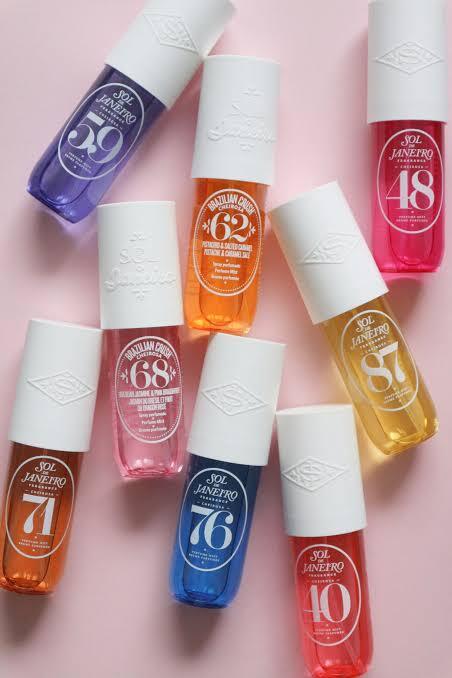
    • The exact scent profiles, notes, and performance of the top Cheirosa fragrance mists.
    • The science of projection and longevity when it comes to body mists versus traditional perfumes.
    • Strategic layering techniques to make your favorite sweet, woody, or citrusy scents last all day long.
    • Our honest, unbiased final verdict on whether these viral TikTok favorites deserve a spot on your vanity.

    Introduction

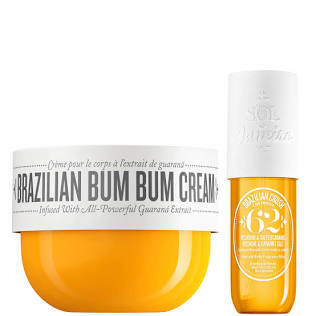
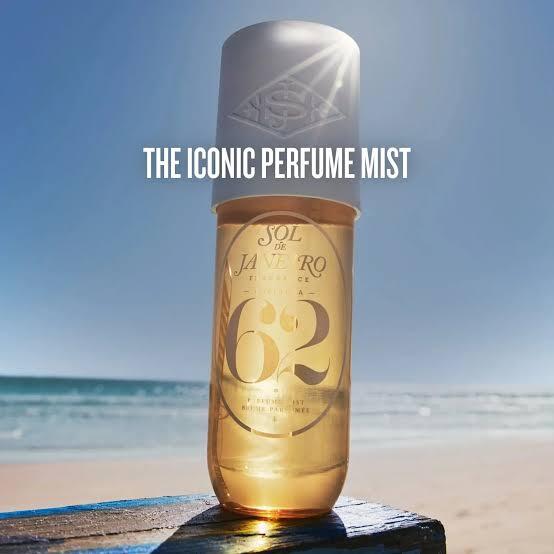
    Walking through any beauty store or scrolling through your social media feeds, you are guaranteed to spot the bright, cheerful bottles of Sol de Janeiro body sprays. They seem to be absolutely everywhere right now. But is the internet obsession truly justified, or is it just clever marketing?

    In this detailed Sol de Janeiro Perfume Mist Review, we will break down exactly how these famous body sprays perform on real skin, away from the viral video filters. Selecting a signature everyday fragrance can be tricky, especially when you are balancing budget with performance.

    The fragrance industry is massive, with the global perfume market valued at over 50 billion dollars, and body mists are currently driving an enormous portion of that growth. Everyone wants to smell amazing without dropping hundreds of dollars on a single bottle of high-end eau de parfum. Let’s dive in.

    The Rise of the Brazilian Scent Obsession

    To truly understand the massive craze behind these products, we have to look back at how the brand first captured our collective imagination. Sol de Janeiro launched with a distinct philosophy centered around the Brazilian concept of “cheirosa” — which literally means to always smell incredibly delicious from sunrise to sunset.

    It all started with their incredibly famous Brazilian Bum Bum Cream, a rich body butter that took the beauty world by storm thanks to its addictive, warm, and sweet aroma. The scent was so intensely popular that fans begged the brand to bottle it. Thus, the original body spray lineup was born.

    What makes this brand stand out in a crowded market is its commitment to joyous, sun-drenched gourmand notes. Instead of traditional, heavy floral perfumes that can sometimes feel formal or dated, these juices deliver pure warmth, comfort, and edible sweetness. They represent casual luxury that you can generously spray every single day.

    The Rise of the Brazilian Scent Obsession

    Breaking Down the Iconic Cheirosa Scent Lineup

    The heart of our Sol de Janeiro Perfume Mist Review involves looking closely at the specific juices that made this brand a household name. Each fragrance is assigned a number that reflects a significant year in Brazilian pop culture or history. Let’s look at the standout choices to help you find your perfect match.

    The Original Warm Pistachio and Salted Caramel

    This is the undisputed queen of the collection and the exact aroma that started the entire revolution. Cheirosa 62 opens with a striking blast of nutty pistachio and juicy almond. As it settles on your skin, it transforms into an incredibly rich blend of salted caramel, warm vanilla, and soft heliotrope petals.

    The base features sweet sandalwood, creating a classic gourmand profile that smells like a golden, sun-kissed beach vacation. It is unapologetically sweet, warm, and comforting, making it a perfect year-round signature scent for anyone who loves edible, cozy fragrance notes.

    The Fresh Jasmine and Pink Dragonfruit Blend

    If you prefer your fragrances to lean more fresh, airy, and floral rather than purely edible, Cheirosa 68 is bound to be your favorite. This juice opens with vibrant notes of pink dragonfruit and lychee, giving it an immediate fruity brightness.

    The heart reveals a beautiful, clean Brazilian jasmine and a breezy ocean air accord. In the dry down, you get a beautiful, soft musk and vanilla. Many fragrance collectors frequently compare this specific scent to high-end luxury perfumes because of its sophisticated, ozonic, and sugary-clean trail.

    The Sultry Black Amber and Plum Accord

    Cheirosa 40 is the sophisticated, mysterious older sister of the group. It shifts away from bright sunshine and heads straight into a moody evening vibe. It opens with rich black amber plum and dark, sweet crème de cassis.

    The heart features warm jasmine blooms and fresh orchid, while the base grounds everything in warm vanilla woods and earthy musk. It is a powdery, elegant, and woody-sweet blend that feels incredibly elevated, making it an excellent choice for date nights or cooler autumn weather.

    The Sultry Black Amber and Plum Accord

    How to Make Your Fragrance Mist Last All Day

    One of the most frequent complaints about any body spray or splash is that the beautiful aroma disappears within an hour. Because mists have a lower concentration of fragrance oils compared to traditional eau de parfum, you need to use smart application strategies to boost their staying power.

    1. Start with a deeply hydrated base: Fragrance molecules need moisture to cling to. Applying your mist directly onto dry skin causes the alcohol to evaporate rapidly, taking the scent with it. Always apply a unscented or matching body lotion right after your shower.
    2. Target your main pulse points: Focus your spraying on areas where your blood vessels are closest to the skin surface, such as your wrists, the inside of your elbows, and the base of your throat. The natural warmth of these zones helps continuously project the aroma.
    3. Mist your hair carefully: Hair is incredibly porous and holds onto scent molecules significantly longer than bare skin. Spraying your hairbrush or misting your locks directly creates a gorgeous scent trail whenever you move.
    4. Try the fabric sandwich method: Spray your skin first, put on your clothes, and then give your outfit a light misting. Synthetic and natural fabrics hold onto the sweet base notes like vanilla and caramel for days.

    Common Misconceptions About Body Sprays

    A massive myth circulating in the beauty community is that body sprays are an identical replacement for fine perfumes. It is important to manage your expectations. A body mist typically contains only 1% to 3% aromatic oils, whereas an eau de parfum contains anywhere from 15% to 20% concentration.

    This means a mist is fundamentally designed to be a lighter, more refreshing experience. Expecting a single spray of a mist to project across a crowded room for twelve hours straight is simply unrealistic. They are meant to be applied generously and reapplied throughout the day.

    Another common mistake people make is vigorously rubbing their wrists together after spraying. This friction generates sudden heat that breaks down the delicate top notes, such as fruit or citrus, ruining the intended architecture of the fragrance. Instead, simply press your wrists together gently or let the liquid air-dry completely on your skin.

    The Pro Layering Secret for Maximum Compliments

    If you want to unlock the absolute best performance from these products, you need to master the art of scent layering. The absolute best way to do this is by pairing your favorite bottle with its matching body wash and body cream. This creates a multi-layered anchor on your skin that prevents the scent from fading into thin air.

    The Pro Layering Secret for Maximum Compliments

    For example, using the original bum bum cream before misting yourself with Cheirosa 62 easily doubles the lifespan of the fragrance. You can also get creative by mixing different scents together to create a custom blend. Pairing a fruity splash over a heavy vanilla perfume creates an entirely new, deeply personalized signature profile.

    Fragrance layering isn’t just about smelling stronger—it is about creating depth. Combining a light, refreshing mist with a concentrated, resinous base oil can make an inexpensive product smell like a bespoke luxury perfume.

    Final Verdict: Are They Worth the Hype?

    When you evaluate the price per ounce, the delightful scent compositions, and the sheer joy these bottles bring, it becomes easy to see why they are so wildly popular. They deliver high-quality, professional fragrance profiles at a fraction of the cost of luxury designer perfumes.

    If you go into the experience understanding that they require reapplication and perform best when layered over a good moisturizer, you will be absolutely thrilled with your purchase. They are fun, delicious, and guaranteed to earn you endless compliments from people passing by.

    Conclusion

    Finding an everyday signature scent that feels playful, warm, and inviting shouldn’t break the bank. We hope this comprehensive Sol de Janeiro Perfume Mist Review has helped you clear up the online noise and figure out exactly which bottle matches your unique style. Whether you choose the nutty warmth of 62 or the fresh floral air of 68, these sprays offer a beautiful slice of summer sunshine in a bottle.

    Did you find this helpful? Drop a comment below or share this with a fellow fragrance lover!

    Frequently Asked Questions

    Q1: Which Sol de Janeiro mist lasts the longest on skin?A: Based on extensive testing for our Sol de Janeiro Perfume Mist Review, Cheirosa 71 and Cheirosa 40 tend to have the best longevity. This is because they are packed with heavy, dense base notes like dark amber, rich woods, macadamia nut, and thick vanilla. These heavy molecules take much longer to evaporate compared to lighter floral or fruit notes.

    Q2: Can you spray Sol de Janeiro body mists on your hair safely?A: Yes, you can absolutely spray these mists on your hair. In fact, the brand specifically designs them to be used as both hair and body fragrance sprays. They do contain alcohol, so if you have extremely dry or damaged hair, you might want to spray your hairbrush first and let it dry for a few seconds before running it through your locks.

    Q3: Is Cheirosa 62 a summer or winter fragrance?A: While the brand draws heavy inspiration from sunny Brazilian beaches, Cheirosa 62 is an incredibly versatile scent that works beautifully in any season. The bright pistachio and almond notes feel sun-drenched and perfect for warm summer days, while the deep, cozy salted caramel and warm vanilla dry down provides beautiful comfort during cold winter months.

    Q4: What is the main difference between Cheirosa 62 and Cheirosa 68?A: The main difference lies entirely in their core scent families. Cheirosa 62 is a true, heavy gourmand fragrance centered around warm pistachio, salted caramel, and vanilla. Cheirosa 68 is a fresh, fruity-floral fragrance that highlights bright pink dragonfruit, clean jasmine, and crisp ocean air, making it smell much lighter and cleaner.

    Q5: Why do body mists fade faster than traditional designer perfumes?A: Body mists fade faster because they contain a much higher ratio of alcohol and water relative to actual fragrance oils. A typical body mist only features a tiny fraction of the oil concentration found in a traditional eau de toilette or eau de parfum, meaning the liquid evaporates off your skin surface much faster.

    Q6: Are Sol de Janeiro products vegan and cruelty-free?A: Yes, Sol de Janeiro is a proudly cruelty-free brand that does not test its products or ingredients on animals anywhere in the world. The vast majority of their fragrance mists and body care items are also completely vegan-friendly, formulated entirely without animal-derived ingredients.

    Sol de Janeiro Perfume Mist Review — Worth the Hype?

  • What Is a Skin Scent? The “Your Skin But Better” Perfume Trend Explained

    What you’ll learn:

    • What a skin scent actually is (and how it differs from a regular perfume)
    • Why the “your skin but better” trend blew up on social media
    • The key notes and ingredients that create that warm, close-to-skin effect
    • How to choose, layer, and apply a skin scent for maximum staying power

    Introduction

    If you’ve spent any time on fragrance TikTok lately, you’ve probably heard someone describe a perfume as smelling like “skin, but better.” That’s a skin scent — and it might be the most misunderstood fragrance category around.

    Unlike a bold, room-filling perfume that announces itself the second you walk in, a skin scent sits close to the body, warms up in your skin’s natural chemistry, and reads as an enhanced version of you rather than a cloud of fragrance. It’s subtle, personal, and — for a lot of people — completely addictive once they find the right one.

    This trend has quietly reshaped how an entire generation shops for perfume, and it’s worth understanding why. Let’s dive in.

    Why the Skin Scent Trend Matters

    Skin scents aren’t actually new. Perfumers have been chasing the “second skin” effect for decades, going back to musk-forward classics that were designed to smell like warm, clean skin rather than an obvious perfume.

    What’s new is the language around it. Social media gave this style of fragrance a name, and once it had a name, people started actively searching for it instead of stumbling into it by accident.

    There’s a real reason this appeals to so many people. Fragrance industry data has repeatedly shown that “your skin but better” and similar musky, ambery styles rank among the most searched fragrance descriptors on platforms like TikTok, driving a measurable spike in sales for musk-forward releases over the past couple of years.

    That surge in demand is exactly why brands like Glossier, Kayali, and Maison Margiela have leaned so heavily into this category, releasing musks and ambers specifically marketed as “your skin, elevated.”

    Why the Skin Scent Trend Matters

    What Actually Makes a Perfume a “Skin Scent”

    The Notes Behind the Magic

    Skin scents lean on a fairly consistent family of ingredients: clean musks, soft ambers, warm woods, and skin-like florals such as iris or heliotrope. These notes don’t compete with your natural body chemistry — they blend into it.

    Musk is the real workhorse here. Modern synthetic musks like Habanolide or Muscone give perfumers that soft, powdery, almost skin-like warmth without the heaviness of older animalic musks. This is the ingredient doing most of the “your skin but better” magic.

    Ambrette seed, sandalwood, and cashmeran also show up constantly in this category. They add a soft woody-sweet depth that reads as cozy and intimate rather than sharp or synthetic.

    Low Sillage, High Intimacy

    A true skin scent has intentionally low sillage — meaning it doesn’t project far from your body. That’s not a flaw; it’s the whole point.

    This is why skin scents are often described as scents you have to lean in to smell. They reward closeness, which is part of why they feel so personal and even romantic to wearers.

    It Reacts Differently on Everyone

    Because skin scents are built to interact with your individual skin chemistry, the same bottle can smell noticeably different from person to person. One friend’s bottle of Glossier You might smell peppery and warm, while yours reads sweeter and softer.

    This isn’t inconsistency in the formula — it’s the entire appeal. A skin scent is designed to finish the job your own body chemistry starts.

    How to Choose and Wear a Skin Scent: Step-by-Step

    1. Test on skin, not paper. A blotter strip will never tell you how a skin scent actually performs, since the whole effect depends on your natural oils and warmth.
    2. Wait the full 30 minutes. Skin scents often smell like almost nothing straight out of the bottle. Give the top notes time to burn off before judging it.
    3. Apply to pulse points. Wrists, neck, and behind the ears generate the most natural warmth, which helps musk and amber notes bloom properly.
    4. Layer with an unscented lotion first. Damp, moisturized skin holds fragrance longer, which matters even more with a scent that has low projection to begin with.
    5. Reapply rather than over-apply. Because skin scents are subtle, it’s tempting to spray heavily. A lighter, more frequent application usually works better than one heavy dose.
    How to Choose and Wear a Skin Scent Step-by-Step

    Common Mistakes People Make With Skin Scents

    Expecting big sillage. If you’re used to bold designer perfumes, a skin scent can feel disappointing at first spray. Judge it after it’s had time to settle, not in the first five minutes.

    Buying based on a friend’s review alone. Since skin chemistry changes everything, a rave review from a friend doesn’t guarantee the same result on you. Always test it yourself.

    Storing it in a bathroom. Heat and humidity break down delicate musk and amber compounds faster, which is especially noticeable in a category built on subtlety.

    Assuming “skin scent” means “boring.” Some of the most complex, well-constructed fragrances on the market are skin scents — the subtlety is a design choice, not a lack of craftsmanship.

    Expert Tips for Getting the Most Out of Your Skin Scent

    Perfumers often talk about “skin scents” as a compliment to good blending technique, because getting a fragrance to feel skin-like actually takes more precision than building something loud.

    One trick worth borrowing from perfume insiders: spray a skin scent onto your hair or a scarf in addition to your pulse points. Hair holds fragrance differently than skin and can extend the wear time noticeably.

    Layering two complementary skin scents — like a musk and a soft vanilla — can also build a more personal, one-of-a-kind result without pushing the fragrance into “loud” territory.

    Summary: Is a Skin Scent Right for You?

    Skin scents aren’t for everyone, and that’s okay. If you want a fragrance people notice across a room, this probably isn’t your category.

    But if you’re drawn to something warm, intimate, and uniquely yours, a good skin scent can feel like the most personal thing in your entire routine.

     Is a Skin Scent Right for You

    Conclusion

    So, what is a skin scent, really? It’s less a specific formula and more a philosophy — fragrance designed to enhance rather than announce.

    Between the musk-driven ingredients, the low sillage, and the way it reacts uniquely to your own chemistry, a good skin scent can genuinely feel like the best version of your natural smell.

    Whether you’re chasing that “your skin but better” effect for the first time or refining a collection you already love, understanding what makes this category work will help you shop smarter and wear it better.

    Did you find this helpful? Drop a comment below or share this with a fellow fragrance lover!

    Frequently Asked Questions

    Q1: What is a skin scent in perfume terms? A skin scent is a fragrance built to sit close to the body with low projection, using musks, soft ambers, and warm woods that blend with your natural skin chemistry instead of standing apart from it. The goal is a subtle, personal “your skin but better” effect rather than a scent that fills a room.

    Q2: Why do skin scents smell different on everyone? Skin scents are designed to interact with your individual body chemistry, oil levels, and skin temperature. Because those factors vary from person to person, the same bottle can bloom sweeter, muskier, or softer depending on who’s wearing it.

    Q3: Are skin scents the same as musk perfumes? Not exactly. Most skin scents are musk-forward, but musk is just one ingredient family used to create the effect. Some skin scents lean more on soft ambers, woods, or skin-like florals alongside musk.

    Q4: How long do skin scents actually last? Because they’re built for low sillage rather than loud projection, skin scents can feel like they fade faster even when the fragrance is technically still present. Applying to moisturized skin and reapplying every few hours helps extend the wear.

    Q5: What’s a good skin scent for beginners? Popular entry points in this category include musk-forward releases from brands like Glossier and Kayali, since they’re widely available for testing and known for a soft, approachable “second skin” effect.

    Q6: Can I layer a skin scent with another perfume? Yes, and it’s a popular technique. Layering a skin scent underneath a bolder fragrance can add warmth and depth without overpowering the top scent, since skin scents are designed to blend rather than compete.

    Best Toasted Almond Perfumes: The New Gourmand Obsession

    Superose by Les Eaux Primordiales: A Very Wicked Rose

  • Best Toasted Almond Perfumes: The New Gourmand Obsession

    What you’ll learn

    • Why toasted almond has become the premier note of the modern gourmand revolution.
    • Deep-dive, expert reviews of the absolute best toasted almond perfumes available today.
    • Crucial tips on how to properly layer, apply, and preserve your nutty fragrances.
    • How to avoid common fragrance pitfalls that ruin the delicate warmth of toasted notes.

    Introduction

    If you have scrolled through your social media feeds lately, you have likely noticed that gourmand fragrances are having a massive, sweet-tempered renaissance. Yet, the standard sugar-bomb vanillas of yesteryear are quietly step-stepping aside for something far more sophisticated, rustic, and deeply comforting: the nutty, golden warmth of the best toasted almond perfumes.

    There is an undeniable magic that happens when the sharp, cherry-like bite of raw bitter almond is roasted over the figurative olfactory flame, transforming it into a buttery, caramelized, and slightly smoky masterpiece. It is cozy, incredibly sensual, and strikes the perfect balance between high-end pastry luxury and intimate skin-like warmth. If you have been searching for a signature fragrance that feels like a warm cashmere blanket on a crisp autumn evening, you are in the exact right place. Let’s dive in.

    The Chemistry and Appeal of the Toasted Almond Note

    To truly appreciate the best toasted almond perfumes, we have to look closely at what makes this specific note so captivating to our senses. In traditional perfumery, almond is often presented in its raw, sweet, or powdery “marzipan” form. This sweet profile is largely driven by a naturally occurring organic compound called benzaldehyde, which carries that signature sweet-yet-bitter cherry-almond aroma we recognize in Italian amaretto liqueurs.

    The Chemistry and Appeal of the Toasted Almond Note

    However, when perfumers want to capture a toasted facet, they introduce complex woody, smoky, and caramelized aroma chemicals into the blend. By pairing benzaldehyde with elements like roasted tonka bean, pyrazines (which mimic the scent of baking bread and toasted nuts), and dark vanilla absolute, they create a much richer, deeper experience.

    The resulting scent profile shifts beautifully from a sharp, medicinal sweetness to a rich, golden, and slightly smoky skin scent. This makes toasted almond highly versatile. It works wonderfully as a cozy, intimate scent that clings close to your collarbones, yet it carries enough projection and sillage—the scent trail you leave behind—to garner endless compliments when you walk into a room.

    Deep Dive Reviews of the Best Toasted Almond Perfumes

    The fragrance market is flooded with sweet scents, but only a select few masterfully capture that authentic, smoky-sweet toasted quality. Here is a highly detailed, expert breakdown of the finest offerings currently capturing the hearts of gourmand lovers worldwide.

    Elie Saab Girl of Now: The Golden Roasted Standard

    Elie Saab’s Girl of Now is widely considered a modern masterpiece for anyone who craves a bright, nutty, and distinctly toasted aroma. The genius of this fragrance lies in how it transitions from a sparkling, fruit-forward opening into a dense, warm, and highly addictive gourmand dry-down.

    When you first spray Girl of Now, you are greeted by a bright, sweet burst of pear and mandarin orange, which is quickly joined by a prominent note of roasted pistachio. As the fragrance settles on the skin, the star of the show emerges: a gorgeous “Almond Bitter” accord paired with orange blossom. The orange blossom prevents the fragrance from becoming too heavy, adding a beautiful, airy floral quality.

    The base of patchouli, cashmeran, and almond milk gives it an incredibly smooth, velvety finish that lingers on clothing for days. It smells remarkably like a warm pastry shop in the heart of Paris. It is bold, sweet, and boasts incredible longevity, making it one of the absolute best toasted almond perfumes for colder weather.

    Dior Hypnotic Poison: The Seductive Bitter-Toasted Classic

    No discussion of almond in perfumery is complete without honoring the legendary Dior Hypnotic Poison. Released in 1998, this iconic fragrance revolutionized the gourmand genre by moving away from simple sugar notes and introducing a dark, mysterious, and highly seductive take on bitter almond.

    Hypnotic Poison is not your typical sugary dessert fragrance. Instead, it opens with a dramatic, heavy-hitting bitter almond note that feels dark, mysterious, and slightly smoky. This is paired with spicy caraway and sweet coconut, creating an intriguing contrast. The heart features velvety jasmine sambac, which softens the composition and transitions it beautifully into a rich, powdery base of heavy vanilla, musk, and sandalwood.

    The “toasted” quality here is mature and deeply alluring. It evokes the feeling of toasted marzipan drizzled in dark, smoky vanilla extract. It is a legendary “compliment getter” that thrives in the evening, clinging to the skin like a velvety, second-skin musk.

    Mix:Bar Whipped Almond: The Cozy Budget-Friendly Toasted Cloud

    If you want to experience the addictive allure of the best toasted almond perfumes without breaking the bank, Mix:Bar Whipped Almond is an absolute must-have. Available at a highly accessible price point, this fragrance punches way above its weight class, offering a cozy, creamy, and comforting aroma that rivals high-end niche creations.

    Whipped Almond is a masterclass in simplicity. It opens with a creamy, milky almond note that quickly develops a toasted, caramelized edge on the skin. Unlike heavier oriental fragrances, this scent keeps things incredibly soft and fluffy, utilizing a cloud of whipped vanilla and sandalwood to wrap the toasted nuttiness in a clean, comforting embrace.

    It is the ultimate everyday, post-shower fragrance. It smells like a warm almond latte topped with sweet vanilla cold foam. Because it is light and airy, it is also highly layerable, making it a perfect base layer for your favorite woody or floral perfumes.

    D.S. & Durga Pistachio: The Bold Roasted Nut Masterpiece

    For the fragrance connoisseurs who want a highly realistic, unsweetened, and deeply roasted experience, niche darling D.S. & Durga Pistachio is a stellar work of olfactory art. While named “Pistachio,” the heart of this fragrance is heavily anchored by a robust, deeply satisfying roasted almond note.

    This fragrance bypasses the typical “perfumey” opening and goes straight to the source. It smells like warm, freshly cracked, roasted nuts straight out of the oven. The perfumer, David Seth Moltz, utilized cardamom, roasted almond, patchouli, and vanilla crème to create a dry, woody, and slightly savory gourmand that is completely gender-neutral.

    It is rustic, earthy, and highly artistic. If you find traditional gourmands too sweet, cloying, or synthetic, this dry, nutty creation will completely redefine how you view roasted nut accords in perfumery.

    D.S. & Durga Pistachio The Bold Roasted Nut Masterpiece

    Arquiste Parfumeur Almond Suede: The Luxury Avant-Garde Option

    If luxury, sophistication, and complex storytelling are what you seek, Arquiste Parfumeur Almond Suede is an breathtaking choice. This niche fragrance beautifully juxtaposes the sweet, comforting nature of toasted almond against the rough, elegant texture of fine leather and suede.

    The fragrance opens with a unique contrast of pink pepper, bitter almond oil, and honeycomb absolute. This sweet, golden opening is quickly balanced by the smoky, resinous notes of pine tar and a velvety, realistic suede accord. As it dries down, the toasted almond notes meld with vanilla absolute, leaving a smooth, dark, and incredibly sophisticated scent trail.

    This is toasted almond for the grown-ups. It is perfect for a gallery opening, a chilly autumn date night, or whenever you want to project effortless, artistic elegance.

    How to Apply and Layer Your Toasted Almond Perfume

    To truly get the absolute most out of your chosen fragrance, applying it correctly is key. Nutty, sweet notes are highly interactive with skin chemistry, and with the right application steps, you can double your fragrance’s longevity.

    1.Prep the canvas with moisture:Prerequisite.

    Fragrance molecules bind to oils, not dry skin. Apply an unscented lotion or a light jojoba oil to your pulse points (wrists, neck, behind knees) immediately after showering to lock in moisture.

    2.Spray your pulse points strategically:Application.

    Hold the bottle 3–6 inches away and spray your wrists and the sides of your neck. Do not rub your wrists together! Rubbing creates friction, which heats up the skin and prematurely shears the delicate top notes of your toasted almond perfume.

    3.Layer with a complementary base:Optional layering.

    To enhance the toasted, cozy elements, layer a simple vanilla or sandalwood-based body mist or cream underneath your main toasted almond perfume. This builds a solid base that keeps the nutty notes projecting all day.

    4.Mist your clothing lightly:Scent longevity.

    Fragrance evaporates much slower from fabrics than from warm skin. Mist the shoulders of your sweater or scarf from a distance to ensure a gorgeous, lingering scent trail that lasts for days.

    Common Myths and Mistakes About Gourmand Perfumes

    As toasted almond perfumes continue to rise in popularity, several misconceptions have started to circulate. Let’s debunk a few of the most common myths to help you navigate the world of gourmands with confidence.

    Toasted almond perfumes are only suitable for freezing winter weather

    While it is true that sweet, warm notes excel in autumn and winter, toasted almond is actually incredibly versatile. When paired with fresh florals, bright citruses, or airy musks (like in Prada Infusion d’Amande or Elie Saab Girl of Now Shine), toasted almond adds a beautiful, sun-kissed, almost beachy warmth that works wonderfully on warm summer nights.

    Nutty fragrances always smell cheap and synthetic

    In the early days of gourmands, many mass-market brands relied on cheap, overly sweet synthetic benzaldehyde, leading to fragrances that smelled like plastic cherry-marzipan. Today, luxury and niche houses use high-quality natural extracts, complex CO2 extractions, and sophisticated roasted accords to create incredibly realistic, balanced, and high-end scent profiles.

    You can easily recreate toasted almond perfumes using almond cooking extract

    Please do not do this! Standard kitchen extracts are formulated with water, alcohol, and food-grade flavorings. They are not skin-safe in high concentrations, do not contain the necessary fixatives to last on the skin, and will evaporate into a sticky, sour mess within minutes. Stick to properly formulated, skin-safe personal fragrances.

    Pro Perfumer Tips for Selecting Your Signature Toasted Almond Scent

    When hunting for the best toasted almond perfumes, paying close attention to the accompanying notes in the fragrance pyramid is vital to finding your perfect match.

    • For the Sweet Tooth: Look for pairings with tonka bean, caramel, whipped cream, or vanilla. These elements wrap the toasted almond in a plush, sweet, and comforting blanket, emphasizing the edible pastry side of the note.
    • For the Sophisticate: Keep an eye out for suede, white flowers (like orange blossom or jasmine), iris, or tobacco. These notes cut through the sweetness, transforming the toasted nuttiness into a powdery, mature, and highly refined skin scent.
    • For the Adventurer: Seek out unexpected spices like cardamom, saffron, or black pepper. The spice adds a dry, exotic heat that beautifully mimics the smokiness of an open flame roasting the almonds.
    Pro Perfumer Tips for Selecting Your Signature Toasted Almond Scent

    Summary and Final Recommendations

    Finding your perfect fragrance is a highly personal journey, but the toasted almond note offers something truly special for every collector. To help guide your final decision, we have summarized our top picks across various categories below:

    Perfume NameBest ForVibePrice Category
    Elie Saab Girl of NowMaximum Compliments & LongevityDecadent French PastryMid-Range
    Dior Hypnotic PoisonDate Nights & Evening WearDark, Powdery, SeductiveDesigner
    Mix:Bar Whipped AlmondEveryday Wear & Easy LayeringCozy Vanilla-Almond LatteBudget-Friendly
    D.S. & Durga PistachioNiche Collectors & Nut LoversRealistic, Earthy, RoastedLuxury Niche
    Arquiste Almond SuedeBold, Artistic FashionistasSmoky Suede & Honeyed AlmondUltra-Luxury Niche

    If you are just starting your journey into the world of toasted almond, we highly recommend trying a sample or a travel size first. Skin chemistry can drastically alter how sweet or nutty a fragrance performs, so let it sit on your skin for a few hours to see how the notes unfold!

    Conclusion

    The rising obsession with the best toasted almond perfumes is a testament to our collective desire for comfort, warmth, and elevated self-care. These incredibly rich, nutty fragrances offer a sophisticated departure from standard vanilla perfumes, giving you a warm, comforting hug in scent form that lasts all day long. Whether you opt for a dark, seductive classic or a light, creamy budget cloud, embracing the toasted almond trend is guaranteed to elevate your daily fragrance ritual.

    Did you find this helpful? Drop a comment below or share this with a fellow fragrance lover!

    Frequently Asked Questions

    Q1: What makes a perfume smell like “toasted” almond rather than just sweet almond?

    A: Standard sweet almond notes rely heavily on benzaldehyde, which smells clean, powdery, and like sweet marzipan or cherry syrup. “Toasted” almond notes are created by combining benzaldehyde with roasted tonka bean, caramelized vanilla, pyrazines, and woody notes. This adds a warm, smoky, slightly burnt-sugar texture that beautifully mimics the aroma of almonds roasting over an open flame.

    Q2: Are toasted almond perfumes unisex, or do they lean feminine?

    A: While many sweet gourmands are marketed to women, the toasted almond note itself is incredibly gender-neutral. When paired with earthy, woody, or smoky elements like vetiver, cedar, patchouli, tobacco, or leather (as seen in D.S. & Durga Pistachio or Arquiste Almond Suede), toasted almond takes on a wonderfully rugged, warm, and sophisticated masculine edge.

    Q3: How long do toasted almond perfumes typically last on the skin?

    A: Because almond is a dense, heavy molecule and is almost always paired with rich base notes like amber, vanilla, tonka, and woods, toasted almond perfumes generally boast excellent longevity. On average, you can expect designer and niche options to last anywhere from 6 to 10 hours on warm skin, and even longer when sprayed onto natural fabrics like wool or cotton.

    Q4: Can I wear a toasted almond perfume during the summer months?

    A: Yes, absolutely! The key is to choose a fragrance where the toasted almond note is balanced by lighter, fresher accords like orange blossom, coconut water, or bright citruses. Applying the fragrance lighter than you would in the winter, or opting for a hair mist version, will keep the warm, nutty scent from feeling too heavy or cloying in the heat.

    Q5: Does the bitter almond note used in these perfumes contain any cyanide?

    A: No, there is absolutely no danger of cyanide exposure in modern perfumery. While natural bitter almonds in the wild do contain trace amounts of amygdalin (which can break down into cyanide), the bitter almond oils used by professional perfumers are either synthetic recreations (like benzaldehyde) or natural oils that have been heavily purified to completely remove any toxic compounds. They are 100% safe to wear.

    Q6: What is the best way to store my toasted almond perfumes to keep them from spoiling?

    A: To preserve the delicate, warm notes of your toasted almond perfume, store the bottle in a cool, dark, and dry place—such as a bedroom drawer or closet. Avoid keeping your perfumes in the bathroom, as constant changes in temperature and high humidity from showers will break down the essential fragrance oils and turn your beautiful toasted scent sour over time.

    Best Cherry Perfumes in 2026 — From Playful to Sophisticated

    Annick Goutal Eau de Charlotte: Fragrance Review

  • Best Cherry Perfumes in 2026 — From Playful to Sophisticated

    What you’ll learn

    • Why cherry notes have evolved from medicinal and synthetic to highly sophisticated, luxury-tier profiles.
    • The absolute best cherry perfumes in 2026, categorized by budget, longevity, and vibe.
    • Pro application tips to make your favorite juicy fragrance last on your skin all day long.
    • Common cherry fragrance myths debunked by real industry experience.

    Introduction

    Picture this: you walk into a crowded room, and a subtle breeze carries a scent that is instantly captivating. It is sweet but deep, tart but incredibly warm, and entirely memorable. That is the magic of a high-quality cherry fragrance. Finding the best cherry perfumes in 2026 is no longer just about smelling like childhood candy. Today, the fragrance world has transformed this vibrant stone fruit into a complex masterpiece.

    Whether you want a playful, sparkling scent for sunny brunch dates or a dark, woody blend for romantic evenings, there is a bottle out there waiting for you. The gourmand trend is reaching new heights this year, and cherry is leading the charge with incredible versatility. Let’s dive in.

    Why Cherry Scents Are Dominating the Fragrance World

    For decades, cherry was a highly misunderstood note in perfumery. Many people associated it with cough syrup or cheap, synthetic body mists from the early 2000s. However, modern raw material extraction and creative scent design have completely revolutionized how we experience this note.

    The global fragrance market continues to show a massive surge in gourmand and fruity-floral profiles. Consumers are moving away from sterile, ultra-clean scents in favor of emotional, bold, and comforting aromas. Cherry sits perfectly at this intersection. It can be paired with smoky oud, smooth leather, warm vanilla, or powdery almond to create vastly different moods.

    Why Cherry Scents Are Dominating the Fragrance World

    The Ultimate List of the Best Cherry Perfumes in 2026

    To help you find your next signature scent, we have thoroughly tested and curated the top cherry fragrances of the year. We have broken down our top recommendations by their specific vibes, price points, and scent profiles.

    Tom Ford Lost Cherry Eau de Parfum: The Unrivaled Legend

    No discussion of cherry fragrances is complete without the scent that launched a thousand copies. Tom Ford Lost Cherry remains a towering icon in the luxury space. It masterfully captures the contrast between sweet, candied maraschino cherries and the richly juicy, dark experience of biting into ripe fruit.

    This fragrance opens with a heavy splash of cherry liqueur and bitter almond, which immediately demands attention. As it dries down on your skin, it melts into a warm, intoxicating blend of Turkish rose, roasted tonka bean, sandalwood, and sweet vanilla. It is decadent, sensual, and perfect for cold-weather date nights. The only drawback is its premium price tag and moderate longevity of about five to six hours.

    Room 1015 Cherry Punk: The Rebellious Rock Star

    If you want a cherry scent with a serious edge, Room 1015 Cherry Punk is your ultimate match. Inspired by the raw, energetic London punk scene of the 1970s, this fragrance wraps a sweet, dark cherry in a heavy, hand-painted leather jacket.

    The opening delivers a punch of cherry, spicy Sichuan pepper, and saffron. Soon after, the heart reveals romantic violet and jasmine, before settling into a deep, earthy base of black leather, tonka bean, and patchouli. It is smoky, alternative, and incredibly cool. Unlike sweeter gourmands, Cherry Punk has fantastic longevity, easily pushing past eight hours on the skin.

    Kayali Lovefest Burning Cherry 48: The Warm and Smoky Choice

    Mona Kattan’s Kayali line is famous for its delicious, layerable creations, and Lovefest Burning Cherry 48 is a standout. This fragrance takes the classic cherry profile and pushes it into an intensely woody, bohemian direction.

    It starts with a juicy burst of burning cherries and raspberry, but quickly transitions into a smoky heart of praline, heliotrope, and damask rose. The real magic happens in the dry down, where earthy palo santo, guaiac wood, and patchouli add an atmospheric, comforting warmth. It is less sugary than traditional sweet perfumes, making it a highly sophisticated option for cozy evenings.

    Coach Cherry Eau de Parfum: The Bright and Playful Daily Wear

    For those who want a bright, cheerful, and highly wearable cherry scent for the daytime, Coach Cherry is a spectacular release. Many dark cherry scents can feel too heavy for a warm spring or summer afternoon, but this creation keeps things beautifully balanced.

    The fragrance opens with a sparkling, tart red cherry accord before softening into a heart of delicate jasmine sambac. The base is anchored by ambrofix, a warm, woody-amber molecule that adds incredible projection and clean longevity without making the scent feel syrupy or cloying. It is feminine, grounded, and exceptionally easy to wear to the office or a casual lunch.

    Step-by-Step Guide: How to Make Your Cherry Perfume Last All Day

    One of the most common complaints about fruity fragrances is that they can fade quickly. Because cherry notes are often formulated using lighter, volatile aroma molecules, they can evaporate faster than heavy resins or woods. Use this proven application sequence to maximize your scent’s lifespan.

    How to Lock in Your Scent

    1.Start with a Hydrated Base:Immediately post-shower.

    Fragrance molecules bind to oils, not dry skin. Apply an unscented lotion or body oil immediately after showering to lock in moisture and create a receptive base for your perfume.

    2.Target Your Pulse Points:Do not rub.

    Spray your cherry perfume on your pulse points: wrists, inner elbows, base of the neck, and behind your ears. The natural warmth of these areas helps diffuse the scent throughout the day. Never rub your wrists together, as this friction breaks down the delicate top notes prematurely.

    3.Mist Your Hair or Clothing:For extended sillage.

    Fabric and hair fibers hold onto scent molecules much longer than warm skin. Spray a light mist over your clothes or onto your hairbrush before running it through your hair. Just ensure you hold the bottle at least eight inches away to avoid staining delicate fabrics.

    How to Lock in Your Scent

    Common Myths and Mistakes About Cherry Fragrances

    As cherry perfumes dominate social media and retail shelves, several misconceptions have started to circulate among buyers. Let’s set the record straight on a few of the most common fragrance myths.

    Cherry Perfumes Always Smell Like Almonds

    While it is true that cherry and almond are natural best friends in perfumery (due to a shared organic compound called benzaldehyde), they do not always go hand-in-hand. While Tom Ford Lost Cherry leans heavily into a marzipan-like almond accord, scents like Coach Cherry skip the nuttiness entirely in favor of clean woods and bright florals.

    They Are Only Suitable for Winter and Autumn

    Because early cherry releases were thick, boozy, and sweet, many people assume they can only be worn in freezing weather. However, the current generation of cherry perfumes includes plenty of lightweight, sparkling options. Look for cherry paired with citrus, green tea, or light musk for a perfect summer signature.

    Expert Tips for Layering Cherry Perfumes

    To elevate your fragrance game even further, you should experiment with layering. This is the secret technique that fragrance influencers and master perfumers use to create a truly unique signature scent.

    • To make it warmer and cozier: Layer your favorite cherry perfume with a simple, linear vanilla or amber fragrance. This adds a rich, gourmand depth that is absolutely irresistible on chilly nights.
    • To make it fresher and cleaner: Spritz a light, citrus-heavy or clean musk perfume over your cherry fragrance. The bright citrus will cut through any heavy sweetness, making it incredibly refreshing.
    • To make it darker and sexier: Pair your cherry scent with an oud, leather, or patchouli-based perfume. The contrast between the sweet fruit and the dark, earthy base notes creates an incredibly seductive aura.
    Expert Tips for Layering Cherry Perfumes

    Summary of the Best Cherry Perfumes in 2026

    Finding the perfect cherry fragrance comes down to your personal style, budget, and where you plan to wear it. Whether you are searching for a high-end investment piece or a playful daily grab, the options available this year are more diverse and beautifully crafted than ever before.

    FragranceVibeBest ForPrice Range
    Tom Ford Lost CherryLuxurious, boozy, indulgentEvening wear & date nights$$$$
    Room 1015 Cherry PunkSmoky, leathery, rebelliousConcerts & making a statement$$$
    Kayali Lovefest Burning CherryWoody, warm, bohemianCozy autumn & winter days$$$
    Coach Cherry EDPBright, floral, daytime-friendlyEveryday wear & office environments$$

    Conclusion

    The cherry fragrance trend is here to stay, and the incredibly diverse selection of the best cherry perfumes in 2026 proves that this note has earned its permanent spot in the hall of fine perfumery. From deep, resinous evening blends to light, sparkling daytime florals, there is a cherry perfume tailored to every single mood and budget. Do not be afraid to step out of your comfort zone and try something bold, sweet, or smoky.

    Did you find this helpful? Drop a comment below or share this with a fellow fragrance lover!

    Frequently Asked Questions

    Q1: Why do some cherry perfumes smell like cough syrup?

    A: This medicinal smell usually happens when a fragrance relies too heavily on synthetic benzaldehyde without balancing it with complex middle and base notes. High-quality, modern cherry perfumes blend this compound with warm resins, spices, or florals to create a natural, sophisticated scent instead of a synthetic one.

    Q2: What is the best cherry perfume for everyday office wear?

    A: For a professional setting, you want to avoid heavy, boozy, or overly sweet gourmands. Coach Cherry Eau de Parfum is an excellent choice. Its blend of red cherry, soft jasmine, and clean ambrofix keeps the scent light, airy, and grounded rather than sweet or distracting.

    Q3: Are cherry perfumes considered unisex?

    A: Absolutely. While sweet, fruity scents were traditionally marketed to women, modern perfumery has shattered those boundaries. Many of the best cherry perfumes in 2026, such as Room 1015 Cherry Punk and Tom Ford Lost Cherry, are explicitly unisex and smell absolutely incredible on anyone.

    Q4: How long do cherry fragrances typically last on the skin?

    A: Longevity varies widely depending on the concentration and base notes. Light, fruity-floral cherry waters may last three to four hours. Meanwhile, heavier extraits or Eau de Parfums that feature dense base notes like leather, patchouli, or oud can easily last eight to twelve hours.

    Q5: Can I layer a cherry perfume with a vanilla scent?

    A: Yes! Layering cherry with vanilla is one of the most popular combinations in the fragrance community. The warm, comforting nature of vanilla acts as a rich anchor, transforming a bright cherry note into a deeply decadent, dessert-like gourmand experience.

    Q6: What notes pair best with cherry in a fragrance?

    A: Cherry is highly versatile. It pairs beautifully with bitter almond and tonka bean for a sweet, marzipan effect. For contrast, it pairs with leather, saffron, or frankincense to add an edgy, smoky vibe. Finally, rose and jasmine add gorgeous, classic floral elegance.

    Best Honey Perfumes That Smell Like Warm Skin

    Parfums de Marly Layton vs Xerjoff Naxos: Which Luxury Fragrance Is Better in 2026?