Category: perfume review

  • How to Build a Fragrance Wardrobe From Scratch on Any Budget

    What you’ll learn

    • How to identify core scent families to cover every occasion, season, and dress code.
    • Practical budget strategies to stretch your fragrance dollars without sacrificing quality.
    • Step-by-step framework to curate a versatile 3 to 5 bottle collection.
    • Essential application secrets, layering techniques, and storage habits to maximize performance.

    The Art of Scent Curation: Why You Need a Fragrance Wardrobe

    Unlocking the secret to personal style rarely stops at clothes, footwear, or accessories. Scent is an invisible tailored suit that enters the room before you do and lingers long after you leave. Knowing how to build a fragrance wardrobe from scratch transforms how you express yourself every single day.

    Most people fall into one of two traps. Either they stick to a single “signature scent” through scorching summer afternoons and freezing winter evenings, or they impulse-buy dozens of hyped bottles that end up gathering dust on a dresser. Neither approach serves your personal style or your wallet.

    A curated scent collection works exactly like a capsule clothing wardrobe. Just as you would not wear a velvet tuxedo to a beach barbecue or flip-flops to a board meeting, your fragrance choice should reflect your environment, humidity, temperature, and mood. By understanding notes, performance dynamics, and smart purchasing strategies, you can assemble a stunning fragrance lineup regardless of your financial limit. Let’s dive in.

    Understanding Fragrance Basics: Concentrations, Notes, and Olfactory Families

    Before spending a single dollar on full bottles, mastering the basic architecture of perfumery saves you from costly blind-buying mistakes. Fragrance composition is both a science and an evocative art form.

    Perfume Concentrations Demystified

    Fragrance longevity and projection depend heavily on the concentration of aromatic compounds dissolved in alcohol:

    • Eau de Cologne (EDC): Contains 2% to 4% aromatic oils. Light, refreshing, and fleeting, lasting roughly 1 to 2 hours. Perfect for post-shower boosts or quick workouts.
    • Eau de Toilette (EDT): Features 5% to 15% oil concentration. Crisp and vibrant, EDTs excel in warm weather and daytime settings, giving you 4 to 6 hours of performance.
    • Eau de Parfum (EDP): Contains 15% to 20% fragrance oil. Richer and deeper, EDPs project strongly for 6 to 8+ hours, making them ideal for evening wear and cool weather.
    • Extrait de Parfum / Parfum: Boasts 20% to 40% concentration. Dense and intimate, these rest close to the skin with impressive 10+ hour longevity.

    The Olfactory Pyramid: Top, Heart, and Base Notes

    A well-crafted perfume evolves over time across three distinct layers. Top notes deliver the bright initial impression during the first 15 minutes, typically featuring volatile citrus, light berries, or fresh herbs.

    As the top notes evaporate, the heart (or middle) notes emerge to define the character of the scent for the next 2 to 4 hours. Heart notes usually feature florals like rose and jasmine, spices such as cardamom, or aromatic green elements.

    Finally, base notes anchor the composition. Rich ingredients like sandalwood, amber, vanilla, oakmoss, and musks dry down onto your skin, lingering for hours and forming the lasting impression left on your clothes.

    The Four Core Scent Families

    To build versatility into your collection, aim for representation across the four primary olfactory categories:

    1. Fresh: Citrus, aquatic, ozonic, and green notes. Clean, energetic, and indispensable for hot weather.
    2. Floral: Jasmine, tuberose, neroli, lavender, and rose. Ranging from bright and airy to deep and velvety.
    3. Woody: Cedarwood, vetiver, patchouli, and rich sandalwood. Grounding, sophisticated, and dependable for professional environments.
    4. Amber / Warm (Gourmand & Oriental): Vanilla, amber, tonka bean, cinnamon, and incense. Cozy, romantic, and alluring during cold months.

    The Essential Framework: The 4-Bottle Fragrance Wardrobe

    When learning how to build a fragrance wardrobe from scratch, starting small is the golden rule. A minimalist 4-bottle collection ensures you are perfectly scented for any scenario throughout the year without overspending.

    1. The Everyday Signature (Fresh & Professional)

    Your daily driver needs to be clean, versatile, and mass-appealing. It should feel effortless whether you are wearing a t-shirt, running errands, or sitting in a cozy office space.

    Look for versatile compositions featuring bergamot, light vetiver, lavender, or subtle aquatic notes. Excellent benchmarks include Bleu de Chanel EDT, Prada L’Homme, Montblanc Explorer, or Versace Dylan Blue. These scents radiate neatness and subtle elegance without overwhelming colleagues in tight quarters.

    2. The Hot Weather Refresher (Citrus & Aquatic)

    When summer heat hits 90°F (32°C), heavy spices and sweet vanillas become cloying and suffocating. You need a crisp scent that cuts through humidity like a cool ocean breeze.

    Target fragrances loaded with lemon, grapefruit, sea salt, neroli, or mint. Standout examples include Dolce & Gabbana Light Blue Intense, Acqua di Gio Profondo, Rochas Man, or budget classics like Nautica Voyage. These act as instant sensory energy boosts on sweltering days.

    3. The Cold Weather Cozy (Woody, Warm & Gourmand)

    Crisp autumn air and bitter winter winds call for rich, comforting scent clouds. Warm ingredients interact beautifully with cold air, projecting a welcoming warmth.

    Focus on notes of cozy vanilla, rich tobacco, roasted tonka bean, amber, and cedar. Icons in this category include Spicebomb Extreme, Replica Jazz Club, Creed Royal Oud, or budget treasures like Lattafa Khamrah and Bentley for Men Intense.

    4. The Night Out / Special Occasion (Bold & Magnetic)

    When the sun goes down or you dress up for date nights, galas, and celebrations, your fragrance should make a memorable statement. You want something seductive, sophisticated, and memorable.

    Seek out dark woods, rich iris, leather, spicy cardamom, or warm amber. Classics like Dior Homme Intense, Yves Saint Laurent La Nuit de L’Homme, or Tom Ford Noir Extreme excel in night-out scenarios where you want to leave an intriguing scent trail.

    How to Build a Fragrance Wardrobe From Scratch on Any Budget

    You do not need thousands of dollars to curate a world-class scent collection. Here is how to allocate your budget effectively at three distinct price brackets.

    The Starter Budget: Under $100 Total

    Building a complete collection for under $100 sounds challenging, but smart hunting makes it simple:

    • Daily Driver ($25): Montblanc Individual or Afnan 9PM — clean, long-lasting, and universally liked.
    • Warm Weather ($20): Nautica Voyage — the undisputed budget king of fresh aquatic apple and lotus.
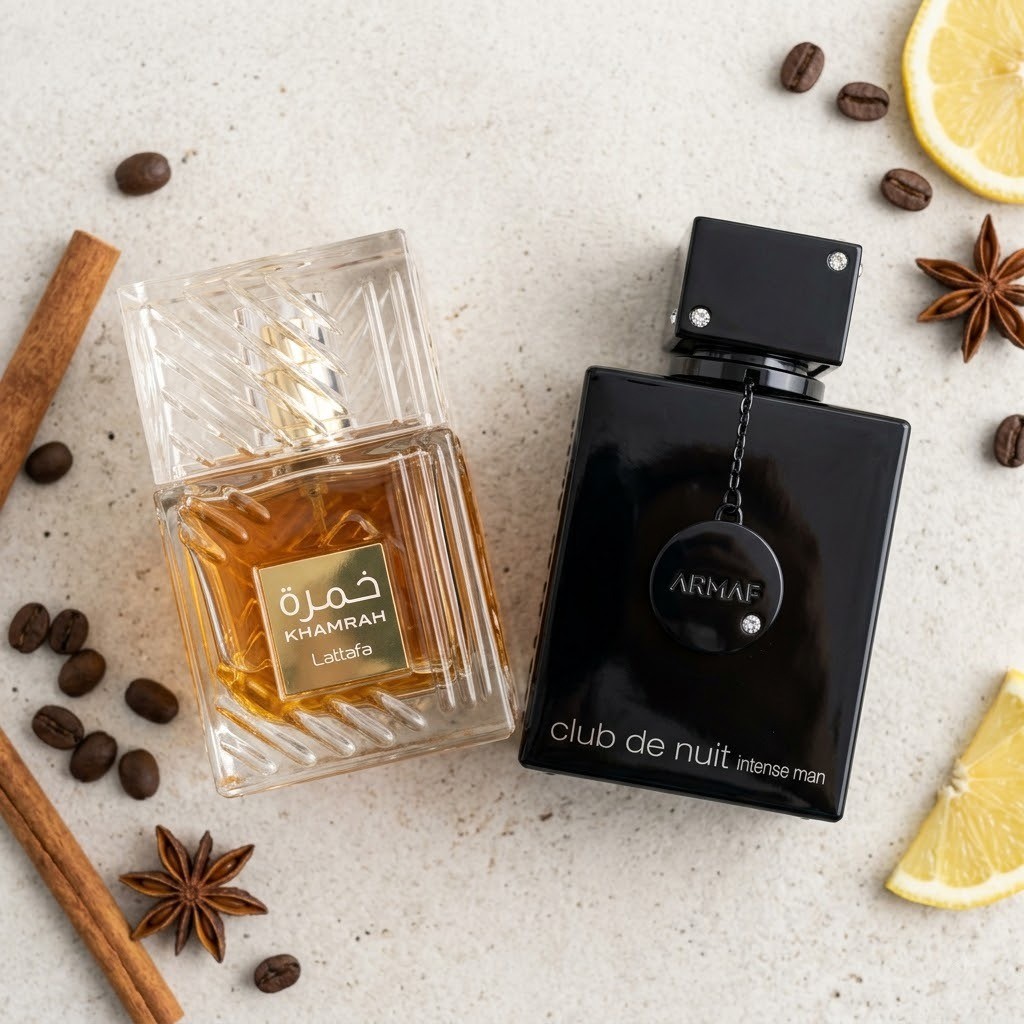
    • Cool Weather ($30): Lattafa Khamrah — a lush, spicy cinnamon and vanilla gourmand that punches way above its price tag.
    • Evening/Date Night ($25): Caron Un Homme or Zara Tobacco Collection Rich Warm Addictive — cozy, smooth, and alluring.

    The Balanced Budget: $250 to $350 Total

    This sweet spot opens up high-performing designer classics that deliver premium ingredients and iconic bottle designs:

    • Daily Driver ($80): Prada L’Homme or Versace Pour Homme — ultra-clean, soapy, and impeccably professional.
    • Warm Weather ($70): Dolce & Gabbana Light Blue Intense — incredible salty grapefruit longevity for hot days.
    • Cool Weather ($100): Viktor&Rolf Spicebomb Extreme or Azzaro Wanted by Night — rich, spicy, and warm.
    • Evening/Date Night ($80): YSL La Nuit de L’Homme or Guerlain L’Homme Idéal EDP — seductive almond, leather, and cardamom.

    The Luxury Connoisseur Budget: $600+ Total

    For those ready to invest in niche craftsmanship, rare raw materials, and artistic bottle art:

    • Daily Driver ($220): Creed Aventus or Parfums de Marly Sedley — sparkling, authoritative, and memorable.
    • Warm Weather ($200): Xerjoff Renaissance or Acqua di Parma Fico di Amalfi — hyper-realistic Mediterranean citrus and fig.
    • Cool Weather ($250): Maison Francis Kurkdjian Grand Soir or Tom Ford Tobacco Vanille — opulent amber and velvety spices.
    • Evening/Date Night ($240): Frederic Malle Musc Ravageur or Nishane Ani — hypnotic, complex vanilla and spicy wood notes.

    5 Critical Mistakes to Avoid When Starting Your Collection

    Avoiding common pitfalls will save you hundreds of dollars and prevent olfactory fatigue.

    1. Blind Buying Based on Online Hype

    Social media trends can persuade you to buy fragrances without testing them first. Scent chemistry varies wildly from person to person. A fragrance that smells incredible on a reviewer might turn sour, powdery, or overly sweet on your skin. Always test before buying a full bottle.

    2. Buying Too Many Similar Fragrances

    It is easy to fall in love with one specific note—like sweet vanilla or fresh bergamot—and accidentally purchase five bottles that serve the exact same purpose. Ensure every bottle in your wardrobe has a distinct job to do.

    3. Ignoring Paper vs. Skin Performance

    Testing a perfume on a paper strip only reveals top notes and early heart notes. Fragrances require heat, natural moisture, and skin oils to develop their true character over several hours. Never buy a bottle based solely on a 5-second paper test.

    4. Storing Bottles in the Bathroom

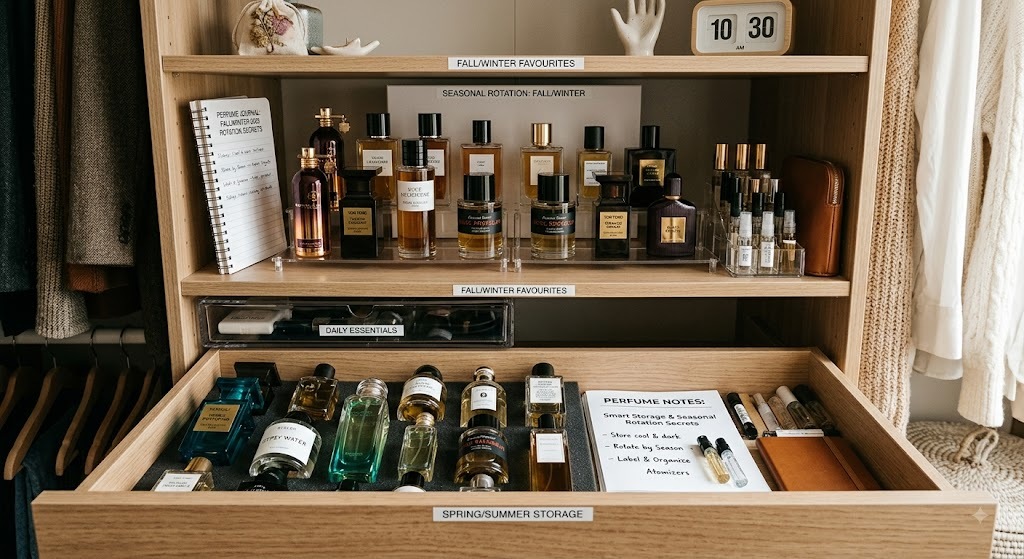
    Humidity, steam, and constant temperature swings inside a bathroom break down fragrance molecules quickly, spoiling expensive juices within months. Store your bottles in a cool, dark place like a bedroom closet or dedicated drawer away from direct sunlight.

    5. Over-Applying in Shared Spaces

    More is not always better. Excessive spraying can trigger headaches for people around you. Stick to 2–4 sprays for office or travel environments, focusing on warm pulse points like your neck and wrists.

    5 Critical Mistakes to Avoid When Starting Your Collection

    Insider Pro Tips to Stretch Your Fragrance Dollars

    Unlocking maximum value requires leveraging smart industry tactics known to perfume enthusiasts.

    For deeper insights into extending performance, check out our guide on.

    Leverage Decants and Discovery Sets

    Before committing to a $200 bottle, purchase 2ml to 10ml decants from reputable sampling services or official brand discovery sets. A 10ml decant provides roughly 120 sprays, giving you weeks to test performance in real-world settings.

    Shop Discounters, Not Department Stores

    Full-price retail stores charge maximum MSRP. Authorized online discounters sell genuine, factory-sealed fragrances at 30% to 70% off retail prices by sourcing overstock directly from distributors.

    Explore Middle Eastern Niche Houses

    Brands like Lattafa, Rasasi, Afnan, and Armaf have revolutionized the industry by offering high-quality EDP concentrations featuring rich woods, resins, and ambers at a fraction of Western designer prices.

    Smart Storage and Seasonal Rotation Secrets

    Proper care ensures your fragrance investment lasts for decades without losing potency or altering scent profiles.

    The Ideal Storage Environment

    Keep your bottles away from three major enemies: heat, direct sunlight, and moisture. Direct UV light breaks down chemical bonds in fragrance oils, darkening the juice and turning top notes rancid. Keep your collection inside a dresser, dark wardrobe, or vanity cabinet maintained between 60°F and 72°F (15°C–22°C).

    Rotating by Season

    Organize your shelf twice a year. As spring arrives, move heavy gourmands, thick ambers, and smoky leather scents to the back of your cabinet, bringing forward your energetic citruses, aquatics, and light florals. When autumn chill returns, reverse the layout.

    Conclusion

    Knowing how to build a fragrance wardrobe from scratch is an enriching journey that blends personal expression, sensory pleasure, and practical budget management. By focusing on versatile scent families, testing on skin before buying, and leveraging decants and discounters, you can curate a stunning collection tailored to your lifestyle. Start with two or three versatile bottles, learn what notes resonate with your skin, and enjoy every step of finding your signature scent profile.

    Did you find this guide helpful? Drop a comment below sharing your current favorite fragrance, or pass this article along to a fellow scent enthusiast!
    Smart Storage and Seasonal Rotation Secrets

    Frequently Asked Questions

    How many bottles do I need to build a fragrance wardrobe from scratch?

    A minimal, highly functional collection requires just 3 to 4 bottles: one versatile daily driver for work, one fresh scent for hot summer days, one cozy warm option for winter, and one alluring fragrance for date nights or formal events.

    What is the best way to test new fragrances before buying?

    Apply one or two sprays directly to your wrist or inner elbow and wear it for at least 6 to 8 hours. This allows you to experience the full evolution from top notes to the dry down while evaluating how it reacts with your natural skin chemistry.

    Can I wear winter fragrances during the summer?

    It is generally not recommended. Winter fragrances contain heavy base notes like vanilla, amber, and spices that expand aggressively in high heat and humidity, making them feel cloying and overwhelming to you and those nearby.

    Where should I apply perfume for the best longevity and projection?

    Apply to pulse points where body heat naturally projects scent: the sides of your neck, behind your ears, on your wrists, and inside your elbows. Spraying clean clothes also extends longevity, as fabric holds onto fragrance molecules longer than skin.

    Do perfumes expire after a few years?

    Unopened or properly stored fragrances kept away from heat, air, and sunlight can last 5 to 10+ years without degrading. If a perfume changes color drastically or smells vinegary and sour upon spraying, the top notes have likely oxidized.

    Is it better to buy Eau de Toilette or Eau de Parfum?

    Neither is inherently better; it depends on your performance needs. Eau de Toilette (EDT) offers brighter, fresher projection ideal for daytime and warm weather, whereas Eau de Parfum (EDP) provides richer depth and longer wear for evening or cool-weather settings.

    Best Arabic Perfumes Under $30 That Smell Like $200 Bottles

  • What Is Fragrance Wardrobing and Why Everyone Is Doing It in 2026

    What you’ll learn

    • The exact definition of fragrance wardrobing and how it differs from having a single signature scent.
    • Why beauty lovers, minimalist dressers, and fragrance enthusiasts are switching to scent curation in 2026.
    • A step-by-step framework to curate your personal scent rotation based on seasonal notes, occasions, and personal emotional vibes.
    • Advanced layering techniques, common mistakes to avoid, and expert advice to optimize your perfume longevity.

    Introduction

    Imagine wearing a heavy wool winter coat to a breezy midday beach party in July. You would feel completely out of place, uncomfortably warm, and visually misaligned with your surroundings. Yet, for decades, millions of people applied the exact same scent every single day, regardless of whether they were sitting in a corporate board meeting, lifting weights at the gym, or attending an intimate candlelit dinner.

    If you are curious about what is fragrance wardrobing and why everyone is doing it right now, you are not alone. The era of clinging to a single, locked-in signature perfume has officially shifted. Fragrance lovers across the world are embracing perfume rotation as an expressive, deeply personal art form. Scent connects directly to the brain’s emotional center, making your perfume choice a powerful tool for your daily mindset.

    Instead of relying on one bottle to do all the heavy lifting, scent wardrobing allows you to curate a deliberate collection of perfumes tailored to your mood, schedule, setting, and outfit. It gives you complete creative freedom over your personal olfactory signature. Let’s dive in.

    Why the Single “Signature Scent” Is Fading Fast

    For generations, the perfume industry sold us a romantic ideal: the elusive “signature scent.” We were told that finding one iconic bottle—and wearing it exclusively for decades—was the ultimate mark of personal elegance and sophistication.

    While the idea of leaving a single recognizable trail sound charming, modern lifestyle realities have transformed how we approach beauty. Wearing a rich, smoky oud to an early morning yoga class feels just as mismatched as wearing a crisp, watery citrus cologne to a black-tie winter gala.

    Why the Single Signature Scent Is Fading Fast

    Furthermore, wearing the exact same perfume every day inevitably leads to olfactory fatigue—commonly known as nose-blindness. Your brain quickly adapts to familiar scents, rendering your beloved perfume virtually invisible to your own senses after a few weeks of continuous application.

    By rotating your fragrances thoughtfully, you reset your olfactory receptors constantly. This rotation ensures that you actually get to enjoy the vibrant opening, developing heart notes, and cozy dry-down of your favorite perfumes every time you spray them.

    What Is Fragrance Wardrobing and How Does It Work?

    At its core, fragrance wardrobing is the practice of curating a versatile collection of scents that function like an actual clothing closet. Just as your wardrobe contains casual denim, crisp office button-downs, cozy loungewear, and formal evening attire, your scent wardrobe houses distinct fragrance profiles designed for specific settings, weather conditions, and emotional states.

    Understanding what is fragrance wardrobing and why everyone is doing it starts with recognizing that fragrance is an invisible extensions of your personal aesthetic. Rather than hoarding dozens of random bottles that gather dust on a vanity, a true scent wardrobe is intentionally built. It relies on balance, harmony, and functional variety.

    A well-constructed fragrance wardrobe usually ranges anywhere from four to eight key bottles. Each bottle serves a clear purpose, ensuring you never feel overwhelmed by choices while remaining prepared for every item on your calendar.

    Why Scent Wardrobing Has Exploded in Popularity

    The global perfume industry has experienced a massive boom over the past few years. According to industry market analysis, the global niche fragrance market is projected to reach over $60 billion in the coming years, driven largely by younger consumers who prioritize personalization and mood-boosting self-care over generic mass-market trends.

    Consumers no longer want to smell like everyone else in the room. They want unique, artisanal blends that reflect their individual complexity. Fragrance wardrobing fulfills this demand by putting the consumer in the driver’s seat as the creative director of their own sensory experience.

    Another key driver behind this cultural shift is wellness and aromatherapy integration. Modern fragrance wearers view scent as a functional tool to regulate their nervous system. A bright bergamot can energize a slow morning, while a soothing sandalwood can ground you during a high-stress workday.

    The Essential Pillars of a Balanced Fragrance Wardrobe

    Building a functional scent wardrobe does not require spending thousands of dollars on luxury bottles immediately. Instead, it requires thoughtful selection across key fragrance categories. Here are the core pillars every well-rounded collection should feature.

    1. The Crisp Daily Driver (Fresh & Clean)

    This is your effortless, low-maintenance scent. Think sparkling citrus notes like Italian bergamot, green tea, bright neroli, crushed leaves, or airy aldehyde accords.

    Your daily driver is non-intrusive, clean, and universally pleasant. It works brilliantly for casual errands, post-workout refreshment, or quiet work-from-home days when you want to feel pulled together without overpowering those around you.

    2. The Professional Anchor (Polished & Grounded)

    Your workplace or formal daytime scent should project subtle confidence, professionalism, and calm authority. Vetiver, cedarwood, soft iris, powdery violet, and clean white musks shine in this category.

    Options featuring notes of smooth sandalwood or dry cedarwood give off a composed, grounded energy. These scents stay relatively close to the skin, creating an inviting aura rather than an aggressive cloud during client meetings or long sessions in enclosed office spaces.

    3. The Romantic Evening Statement (Sensual & Warm)

    When the sun goes down and you transition to evening events, date nights, or special celebrations, your fragrance profile should evolve too. This pillar leans into warm, rich, and seductive scent families.

    Look for deep amber bases, velvety rose, spiced vanilla, warm leather, and dark patchouli. Scents in this category leave a memorable trail (known in the perfume world as sillage) that complements evening lighting, formal fabrics, and intimate conversations.

    4. The Seasonal Specialist (Cozy Winter or Sun-Drenched Summer)

    Finally, every complete scent wardrobe needs dynamic options tailored to extreme weather shifts. Temperature drastically affects how perfume performs on human skin.

    In extreme heat, heavy gourmand scents packed with sweet vanillas or resinous ouds can quickly become cloying and suffocating. Conversely, light citrus eau de colognes tend to evaporate within minutes in freezing winter winds. Having dedicated high-heat freshies and cold-weather cozy fragrances keeps your rotation seasonally aligned.

    How to Build Your Fragrance Wardrobe: Step-by-Step

    Creating your personalized scent lineup should be an enjoyable, sensory journey. Follow this structured step-by-step process to build a rotation that fits your lifestyle without overspending.

    1.Audit Your Current Bottle Collection:Clear out what no longer serves your lifestyle.

    Begin by evaluating the bottles you already own. Spray each one on a testing strip and note how it makes you feel. Group them into categories: daytime freshies, evening warmers, professional clean scents, or seasonal specials. Identify where you have duplicates and where you have clear gaps in your rotation.

    2.Identify Your Primary Scentscapes:Align fragrances with your actual routine.

    Take a realistic look at your weekly schedule. If you work remotely four days a week, your collection should skew heavily toward clean, uplifting daily drivers rather than heavy formal evening extraits. Tailor your scent allocations directly to where you spend 80% of your actual time.

    3.Sample Thoroughly Before Buying Full Bottles:Never blind-buy based on opening notes alone.

    Avoid buying a full-sized 100ml bottle immediately after a single spray on paper at a department store counter. Order 2ml to 5ml travel decants or discovery sets. Wear a fragrance on your actual skin for an entire day to test its true performance, longevity, and base-note dry-down before making a financial commitment.

    4.Organize and Store Your Collection Properly:Protect your investment from heat and light degradation.

    Fragrance molecules degrade when exposed to heat, air, and direct UV sunlight. Store your curated wardrobe in a cool, dark place like a bedroom closet or dedicated dresser drawer. Avoid keeping precious bottles on bathroom counters where shower humidity and temperature spikes will break down delicate top notes over time.

    The Art of Fragrance Layering: Next-Level Customization

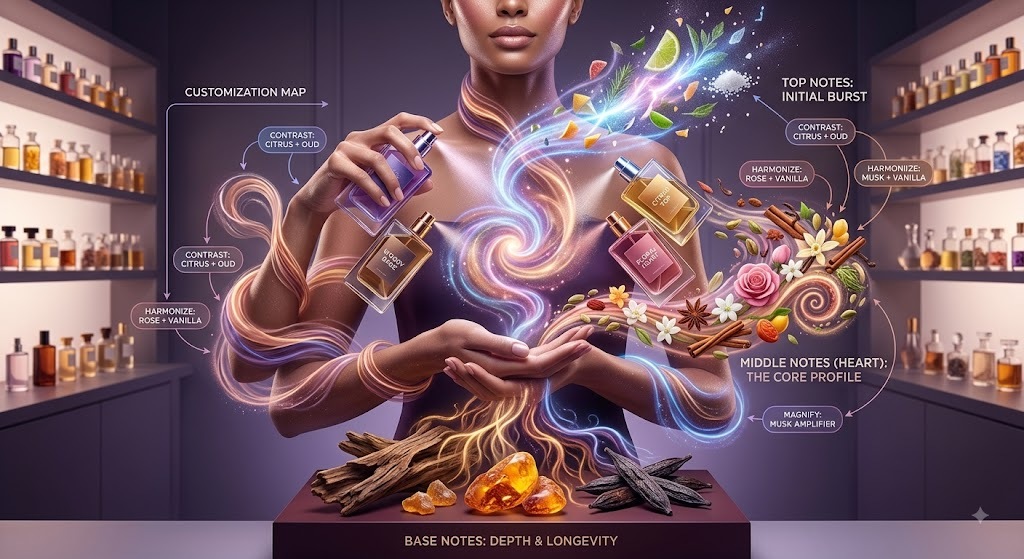
    Once you master basic rotation, the true fun of fragrance wardrobing begins with scent layering. Perfume layering involves combining two or more complementary fragrances directly on your skin to create a completely custom signature blend that nobody else can replicate.

    The Art of Fragrance Layering Next-Level Customization

    Layering is a powerful technique that allows you to stretch a four-bottle wardrobe into dozens of unique combination possibilities. However, it requires a basic understanding of note harmony to avoid chaotic results.

    Simple Rules for Flawless Scent Layering

    • Apply the Heavy Scents First: Always spray your dense, heavy base notes—such as woody, amber, or vanilla fragrances—first. Allow them a moment to settle into the skin before applying lighter floral or citrus scents on top. This prevents the lighter notes from being suffocated.
    • Keep Ingredients Simple: When combining two perfumes, choose bottles that feature relatively clean, minimalist note pyramids. Combining two highly complex, 30-ingredient vintage perfumes usually results in a murky, overwhelming aroma clash.
    • Anchor with Single-Note Molecules: Modern synthetic molecule fragrances (like Iso E Super, Ambroxan, or clean white musks) act as brilliant priming bases. Spraying a single-molecule base coat boosts the projection and longevity of lighter fresh scents applied over them.

    Common Fragrance Wardrobing Mistakes to Avoid

    Even seasoned perfume lovers can make simple errors when putting together their daily lineups. Avoid these frequent pitfalls to keep your scent wardrobe performing at its absolute peak.

    Buying for the Opening Notes Instead of the Dry-Down

    The top notes of a fragrance are designed to be bright, sparkly, and immediately attractive to tempt impulse buyers at the retail counter. However, top notes evaporate within the first 15 to 30 minutes. Always judge a potential addition to your wardrobe by its heart and base notes after it has settled on your skin for at least two hours.

    Ignoring Your Skin Chemistry and Climate

    Fragrance reacts uniquely with human skin lipids, natural body temperature, and ambient humidity. A woody oriental perfume that smells divine on your best friend might turn overly sharp or excessively sweet on your skin. Always test fragrances on your own body in your local climate conditions before deciding if it deserves a permanent spot in your rotation.

    Rubbing Your Wrists Together After Spraying

    This is perhaps the most widespread perfume habit, and it damages scent integrity. Friction creates heat that breaks down delicate top-note molecules prematurely and disrupts the intended natural development phase of the fragrance formula. Spray your pulse points gently and let the liquid dry naturally on your skin.

    Pro Advice for Maximizing Longevity and Projection

    Building an incredible fragrance wardrobe is only half the battle; ensuring your scents actually last throughout the day requires proper application technique.

    Hydrate Your Skin Before Spraying

    Dry skin is the absolute enemy of fragrance longevity. Perfume oil absorbs rapidly into dry pores, causing the scent to disappear within hours. Apply an unscented lotion or a light layer of jojoba oil to your application points right after showering before spraying your chosen perfume. The moisture layer locks fragrance molecules onto the surface of your skin for significantly longer wear times.

    Target Strategic Pulse Points

    Pulse points generate natural body heat, which helps gently diffuse fragrance into the air around you throughout the day. Target key warm zones:

    • Behind the ears: Ideal for subtle sillage when greeting people.
    • Base of the neck: Excellent for creating an inviting personal scent bubble.
    • Inside the elbows: Radiates scent warmth during arm movements without washing off during handwashing routines.
    • Chest area: Allows warm scent projection to drift upward through your clothing layers naturally.

    Spray Fabrics and Hair for Extended Sillage

    Skin chemistry eventually breaks down perfume oils through natural sweat and body oils. However, natural fabrics like wool scarves, cashmere sweaters, and cotton shirts hold onto scent molecules for days. A light mist on your clothing or the ends of your hair ensures your fragrance leaves an elegant trail long after skin application has dried down.

    Spray Fabrics and Hair for Extended Sillage

    How to Curate a Minimalist 4-Bottle Wardrobe

    If you prefer a streamlined, clutter-free vanity, you do not need dozens of bottles to achieve full coverage. Here is the ultimate 4-bottle layout that covers every season, dress code, and occasion effortlessly:

    By keeping your collection tightly curated around these four distinct scent pillars, you maintain complete versatility while keeping your vanity looking organized and intentional.

    Conclusion

    Understanding what is fragrance wardrobing and why everyone is doing it opens up an exciting new dimension of personal styling and self-expression. Moving away from the static, single-bottle mentality allows you to align your sensory presentation with your evolving moods, seasons, and daily goals.

    Curating a scent wardrobe isn’t about accumulating endless bottles—it’s about intentionality. By picking high-quality scents that suit specific moments, learning the subtle art of layering, and practicing smart application techniques, you elevate your daily routine into a memorable ritual. Start small, sample broadly, trust your own nose, and enjoy building an expressive sensory lineup that is uniquely yours.

    Did you find this guide helpful? Drop a comment below with your current go-to scent rotation, or share this post with a fellow fragrance lover!

    Frequently Asked Questions

    Q1: What is fragrance wardrobing in simple terms?

    Fragrance wardrobing is the practice of collecting and rotating several different perfumes based on your daily mood, outfit, season, or specific occasion. Instead of wearing one single signature scent every day, you choose a fragrance that fits your current setting just like selecting clothing from a closet.

    Q2: How many perfumes should be in a basic scent wardrobe?

    A well-balanced starter fragrance wardrobe typically consists of 3 to 5 bottles. This usually includes a fresh daytime option for work and casual wear, a warmer evening scent for date nights, a rich seasonal fragrance for cold weather, and a versatile clean option for everyday use.

    Q3: Does fragrance wardrobing cause perfumes to go bad before finishing them?

    If stored correctly, high-quality perfumes usually last 3 to 5 years (and often much longer). To prevent degradation while rotating through a wardrobe, store your bottles away from direct sunlight, heat sources, and bathroom humidity. Keeping them in a cool bedroom drawer or original box keeps the formulas stable for years.

    Q4: Can you layer different perfumes from different brands?

    Yes, absolutely! You can layer fragrances from completely different brands, price points, and scent families. The key is to blend simpler fragrance profiles so the notes do not clash. Applying a heavy base scent first and layering a lighter fresh scent on top works exceptionally well regardless of brand.

    Q5: Is fragrance wardrobing expensive to start?

    Not at all. You do not need to purchase full 100ml luxury bottles to build a great scent wardrobe. You can start by purchasing official brand discovery sets, travel sprays (10ml size), or sample decants. This approach allows you to build a versatile 5-bottle wardrobe at a fraction of the cost of one full-sized designer bottle.

    Q6: How do I choose the right fragrance for a job interview?

    For professional environments like job interviews, choose a light, clean, and non-intrusive scent. Fragrances featuring soft iris, fresh vetiver, light white musk, or subtle tea notes work best. Apply lightly (1 to 2 sprays maximum) so your fragrance stays close to your skin without distracting anyone in an enclosed office space.

    What Is Attar Perfume? The Ancient Oil Fragrance Explained

  • Best Arabic Perfumes Under $30 That Smell Like $200 Bottles

    What you’ll learn

    • Discover top-rated Middle Eastern fragrances that rival luxury designer houses.
    • Learn how to find long-lasting budget perfumes with incredible sillage.
    • Understand the secret behind why Arabic perfumes offer superior concentration and performance.
    • Master the art of smelling expensive without spending a fortune.

    Introduction

    Imagine walking past someone and catching a whiff of rich, warm amber, creamy vanilla, and smoky oud that lingers in the air long after they have gone. You instinctively assume they are wearing a niche designer masterpiece costing well over $200. But what if you could turn heads with that exact same luxury aura for less than the cost of a casual dinner? The market has shifted dramatically, and finding the best Arabic perfumes under thirty dollars has become the ultimate secret weapon for smart fragrance lovers. Middle Eastern perfumery is taking the global beauty industry by storm, offering phenomenal performance, complex flavor profiles, and gorgeous bottles that punch way above their weight class. Let’s dive in.

    The Middle Eastern Fragrance Revolution

    The global fragrance industry is undergoing a massive transformation, largely driven by the explosive popularity of Middle Eastern houses like Lattafa, Armaf, Paris Corner, and Al Haramain. For decades, traditional Western luxury houses dominated the conversation, often charging astronomical prices primarily for marketing and brand prestige rather than raw juice quality. Today, savvy consumers are looking past designer labels and discovering that houses in Dubai and the United Arab Emirates use rich, traditional ingredients like natural oud, high-grade amber, saffron, and dense resins.

    According to market research, the Middle Eastern fragrance segment is one of the fastest-growing sectors in global beauty, fueled by social media creators and TikTok communities praising budget gems. These brands prioritize oil concentration, ensuring that affordable Eau de Parfums (EDPs) outperform expensive Western Eau de Toilettes. By skipping the heavy celebrity endorsements of traditional retail, these brands pass massive savings directly to you.

    The Middle Eastern Fragrance Revolution

    Top Budget Gems That Rival Niche Masterpieces

    Navigating the vast sea of Middle Eastern perfumery can feel overwhelming because hundreds of new releases drop every season. Focusing on proven heavy-hitters makes your search much easier, guaranteeing you get complex blends, smooth transitions, and beast-mode longevity. Let’s break down the best categories to look for when hunting for luxury clones and original masterpieces under $30.

    The Ultimate Woody and Spicy Powerhouses

    If you love deep, complex fragrances that command a room, woody and spicy Arabic profiles are your absolute best bet. Fragrances like Lattafa’s Asad or Khamrah deliver rich sensory experiences built around warm cinnamon, nutmeg, dates, and smoky woods. They effortlessly mimic ultra-expensive gourmand and designer profiles, offering incredible warmth during cooler months. The initial spray hits you with bright spices before settling into a rich, edible, and opulent vanilla-amber dry-down that stays on clothes for days.

    Floral and Fruity Elegance for Everyday Wear

    For those who prefer bright, sparkling, and uplifting scents, budget Arabic houses excel at crafting gorgeous rose, jasmine, and tropical fruit combinations. Think of juicy mangoes mixed with coconut, or crisp white florals laced with whipped cream and soft musks. Perfumes in this category offer incredible versatility, transitioning seamlessly from a bright office environment to a romantic evening out. They rival high-end summer releases from luxury French houses without any synthetic harshness in the opening.

    Rich Oriental Resins and Deep Musks

    True luxury often smells mysterious, resinous, and deeply animalic in the best possible way. Affordable Arabian creations utilize notes of labdanum, frankincense, dark patchouli, and clean white musk to create an aura of pure elegance. These notes bloom beautifully on warm skin, creating a personal scent bubble that feels deeply intimate yet commanding. They offer the kind of rich depth that collectors usually associate with exclusive private-blend collections.

    How to Maximize Performance and Longevity

    Even the best budget perfumes perform even better when you apply them correctly. Follow these simple steps to squeeze every ounce of performance out of your affordable luxury bottles.

    1. Hydrate your skin: Apply an unscented lotion or body oil before spraying. Perfume oils bind much better to moisturized skin than dry skin.
    2. Target pulse points: Spray your neck, inner wrists, and behind your ears where body heat helps diffuse the fragrance naturally throughout the day.
    3. Macerate your bottles: Many authentic Arabic perfumes arrive fresh from the factory. Let your bottle sit in a cool, dark place for a few weeks after spraying it a few times; oxidation deepens the notes and supercharges longevity.
    4. Spray on clothing: Natural fibers like cotton, wool, and cashmere hold onto heavy Middle Eastern fragrance oils significantly longer than skin does.
    5. Store correctly: Keep your bottles away from direct sunlight and humid bathrooms to preserve the integrity of top and middle notes.
    How to Maximize Performance and Longevity

    Common Mistakes People Make With Budget Perfumes

    Buying inexpensive fragrances is exciting, but it is easy to fall into traps that ruin your experience. Avoiding these common mistakes ensures your collection always smells high-end.

    • Judging immediately on the first spray: Many budget Arabic perfumes feature high oil concentrations and alcohol-heavy openings. Give the scent 10 to 15 minutes to settle on your skin before evaluating it.
    • Skipping the maceration period: Panicking because a brand-new bottle feels weak is a classic rookie error. Let the fragrance breathe and mature over a month to unlock its true power.
    • Over-spraying beast-mode juices: Just because a perfume costs $25 doesn’t mean you need ten sprays. Heavy hitters featuring dense oud, caramel, and leather can easily choke out a room if overapplied.
    • Ignoring seasonal suitability: Wearing a thick, suffocating vanilla-oud powerhouse on a scorching 90-degree summer afternoon will overwhelm everyone around you. Match your scent profile to the weather.

    Expert Tips for Building a Budget Collection

    Curating a stellar fragrance wardrobe on a budget requires strategy rather than random impulse buying. Building a versatile collection means you will always have the right scent for any occasion, season, or mood.

    • Diversify your scent profiles: Balance your collection by owning at least one fresh citrus fragrance, one warm sweet gourmand, one professional woody scent, and one bold date-night option.
    • Read community reviews first: Check fragrance enthusiast communities and video reviews to understand whether a budget perfume leans masculine, feminine, or strictly unisex.
    • Check the concentration label: Always look for “Eau de Parfum” (EDP) or “Concentrated Perfume Oil” designations to guarantee maximum longevity for your money.
    • Buy from trusted discounters: Purchase your bottles from authorized stockists or reputable online sellers to avoid counterfeit products.

    Pro Tip: If you want to explore more affordable scent options, check out our detailed guide on to combine cheap scents into unique custom masterpieces.

    Final Verdict on Affordable Middle Eastern Scenting

    Stepping into the world of budget Middle Eastern perfumery completely changes how you look at luxury beauty. You no longer need to empty your savings account or wait for special holiday sales to enjoy complex, high-performing, compliment-getting fragrances. By focusing on the best Arabic perfumes under thirty dollars, you gain access to incredible craftsmanship, stunning bottle designs, and all-day performance. Embrace the journey, experiment with bold new notes, and enjoy smelling like a million bucks while keeping your wallet completely happy.

    Final Verdict on Affordable Middle Eastern Scenting

    Conclusion

    Building an incredible luxury fragrance wardrobe does not require a luxury budget. The modern perfume landscape proves that phenomenal quality, exquisite ingredients, and beast-mode longevity are accessible to everyone willing to look beyond traditional department store counters. Whether you lean toward rich spices, sweet vanillas, or sparkling citruses, the best Arabic perfumes under thirty dollars offer unmatched value and sophistication. Did you find this helpful? Drop a comment below or share this with a fellow fragrance lover!

    Frequently Asked Questions

    Q1: What are the best Arabic perfumes under $30 for beginners? A: For beginners, approachable and crowd-pleasing options include sweet gourmands like Lattafa Khamrah, fresh versatile scents like Armaf Club de Nuit, and warm amber profiles. These fragrances offer smooth, mass-appealing blends that transition easily from casual daytime wear to cozy evening outings without feeling overwhelming or overly medicinal.

    Q2: Why are Arabic perfumes so affordable yet long-lasting? A: Middle Eastern perfume houses manufacture their products in regions with lower production costs and operate with lower retail markup margins compared to Western luxury brands. Furthermore, they heavily emphasize high oil concentrations and traditional maceration techniques, giving you robust Eau de Parfum performance at a fraction of the traditional retail price.

    Q3: Do Arabic perfumes smell synthetic or harsh? A: While ultra-cheap fragrances can sometimes feature sharp openings, reputable Middle Eastern houses use high-quality raw materials, natural resins, and rich spices. Allowing a newly opened bottle to rest and macerate for a few weeks smooths out any initial alcohol harshness, resulting in a rich, smooth, and high-end scent profile.

    Q4: Are Arabic perfumes unisex or gender-specific? A: Many Middle Eastern fragrances are proudly unisex, embracing rich notes of rose, oud, spices, and amber that blend harmoniously on any skin chemistry. However, brands clearly categorize their products, offering everything from ultra-feminine white floral blends to deep, dark, hyper-masculine leather and tobacco powerhouses.

    Q5: How long do Arabic perfume oils and EDPs last on skin? A: Due to high oil concentration standards in Middle Eastern manufacturing, most budget EDPs easily last anywhere from 6 to 10 hours on skin. When sprayed on clothing or natural fibers, many of these fragrances can project strongly throughout the entire day and linger well into the next morning.

    Q6: What does “maceration” mean in perfume collecting? A: Maceration is the process of letting a fragrance sit after its first few sprays introduce oxygen into the bottle. This chemical interaction allows the ingredients to blend more cohesively, often resulting in richer color, deeper notes, and significantly improved longevity over several weeks.

    The Difference Between French Perfumes and Middle Eastern Perfumes

  • Why Middle Eastern Perfumes Last Longer Than Designer Brands

    What you’ll learn

    • The secret chemistry behind high oil concentrations in Arabic perfumery
    • Why traditional maceration processes beat rapid designer mass production
    • How high-quality raw materials like pure oud and ambergris elevate performance
    • Practical tips to make any fragrance last from morning until midnight

    Introduction

    Imagine stepping out the door in the morning, enveloped in a stunning cloud of rich, smoky oud, warm vanilla, and sweet amber. You breeze through your workday, run errands, and head out for dinner—only to realize that your scent is still projecting as strongly as it did at 8:00 AM. If you are used to mainstream department store fragrances fading into a faint skin scent by lunchtime, this experience feels almost magical. However, it is not magic at all.

    Why Middle Eastern perfumes outlast their Western counterparts comes down to a deep-rooted heritage of craftsmanship, higher oil concentrations, and uncompromising raw materials. In the realm of luxury fragrance, the Middle East operates under a completely different philosophy than commercial European and American houses. While many designer brands focus heavily on top notes designed for a quick impulse buy at a perfume counter, Arabic perfumery values depth, evolution, and exceptional staying power.

    Understanding this shift in formulation changes how you shop for scents forever. Let’s dive in.

    The Cultural Heritage of Scent and Longevity

    In Middle Eastern culture, fragrance is not merely an accessory; it is an essential form of self-expression, hospitality, and spiritual connection. The tradition of perfumery in the region spans thousands of years, evolving from ancient trade routes that brought precious resins, spices, and botanicals across the Arabian Peninsula. Because scent carries such profound cultural weight, the standard for quality is remarkably high.

    Historically, perfumery in the Gulf region relied heavily on heavy-hitting, natural ingredients like agarwood (oud), saffron, damask rose, and amber. Unlike modern mass-market production lines that prioritize cost-efficiency, traditional houses view perfume creation as an art form that requires patience. According to industry insights, the global perfume market sees continuous growth, yet consumer frustration over weak performance in mainstream designer releases has driven a massive surge in demand for Middle Eastern alternatives. When you purchase a bottle from renowned houses like Lattafa, Armaf, Swiss Arabian, or Rasasi, you are tapping into a lineage that demands performance and richness above all else.

    The Cultural Heritage of Scent and Longevity

    The Science Behind the Staying Power

    The exceptional longevity of Arabic fragrances is not an accident. It is the direct result of specific formulation choices, high-grade ingredients, and specialized aging techniques that set them apart from standard Eau de Toilettes and Eau de Parfums.

    High Concentration of Pure Oils and Extrait Standards

    The most significant factor determining how long a fragrance lasts is the concentration of aromatic compounds. Mainstream designer brands typically release fragrances as Eau de Toilette (EDT) or Eau de Parfum (EDP), containing anywhere from 5% to 15% fragrance oils, with the remainder being alcohol and water. Conversely, many Middle Eastern fragrances—especially traditional attars and high-end EDPs—boast concentrations that push well into the 20% to 30% range, often rivaling Western Extrait de Parfum categories. Because there is a higher ratio of oil to alcohol, the alcohol evaporates slowly, leaving the heavy, viscous molecules anchored firmly to your skin and clothing.

    The Power of Dense, Heavy Base Notes

    Western perfumery often favors bright, fleeting top notes like sparkling citrus, crisp green apple, or light aquatic accords to appeal to immediate consumer reactions. While these notes smell incredible initially, they disappear within an hour. Middle Eastern perfumery structures its scents differently, building heavy foundations out of dark woods, rich resins, animalic musks, and thick gourmand accords. Ingredients like synthetic or natural oud, patchouli, labdanum, and rich vanilla act as natural fixatives. These dense base notes hold the entire fragrance structure together, anchoring the lighter notes and ensuring the scent develops slowly over the course of twelve hours or more.

    Traditional Maceration and Aging Processes

    Just like fine wine, exceptional perfume improves with time. Many designer brands rush their formulations from the factory straight to retail shelves to meet strict quarterly quotas, resulting in a young juice that lacks harmony and depth. In contrast, prominent Middle Eastern perfume houses prioritize proper maceration. The blended oils and alcohol are left to steep together in giant vats for weeks or months, allowing the chemical bonds to mature fully. This rigorous aging process smooths out sharp edges, deepens the color of the liquid, and drastically enhances both projection and longevity. In fact, many fragrance enthusiasts note that their Middle Eastern perfumes actually get stronger and richer sitting on the shelf over a few months—a phenomenon known as maturation.

    Practical Tips to Maximize Your Fragrance Performance

    Even the most potent long-lasting perfume can benefit from smart application techniques. To get the absolute maximum performance out of your collection, follow these simple steps:

    1. Hydrate Your Skin First: Dry skin drinks perfume, causing the alcohol and oils to break down rapidly. Apply an unscented lotion or body oil before spraying to create a smooth, hydrated barrier that locks the scent molecules in place.
    2. Target Pulse Points Strategically: Spray your fragrance on warm areas of the body where blood vessels sit close to the surface—such as the sides of your neck, behind your ears, and inside your wrists. The body heat helps diffuse the rich oils steadily throughout the day.
    3. Mist Your Clothing and Hair: Natural fibers like cotton, wool, and cashmere hold onto fragrance oils remarkably well. A light mist on your scarf or jacket collar will often smell fresh for days. (Note: Test light-colored fabrics first to avoid oil staining).
    4. Resist the Urge to Rub: Rubbing your wrists together crushes the delicate top and middle notes, causing the fragrance to break down faster and fade prematurely. Let the spray dry naturally on your skin.
    5. Store Your Bottles Correctly: Protect your investment by keeping your perfume bottles away from direct sunlight and extreme temperature fluctuations. A cool, dark drawer or closet keeps the delicate oils stable and prevents premature degradation.
    Practical Tips to Maximize Your Fragrance Performance

    Common Myths and Mistakes with Long-Lasting Fragrances

    Navigating the world of potent fragrances can sometimes lead to confusion. Let’s clear up some common misconceptions and pitfalls that prevent people from enjoying their scents properly.

    One major myth is that “more sprays equal better longevity.” Because Middle Eastern perfumes are intensely concentrated, overspraying can quickly overwhelm people around you, turning a gorgeous, luxurious trail into an aggressive wall of scent. With these formulations, two to three sprays are usually more than enough for a full workday.

    Another mistake is judging a fragrance immediately upon the first spray. High-end Arabic scents often feature intense, complex, and sometimes challenging openings—such as sharp medicinal oud, heavy spices, or deep animalic leather. Panicking and scrubbing it off immediately means missing out on the breathtaking dry-down that unfolds thirty minutes later. Patience is essential when exploring this style of perfumery. Finally, assuming that a higher price tag guarantees better performance is a trap; many affordable Middle Eastern houses outperform luxury European brands costing four times as much.

    Expert Tips for Building a Powerful Fragrance Wardrobe

    Curating a collection of long-lasting scents requires a balance of versatility, mood, and seasonal suitability. Experts recommend starting with a diverse range of scent profiles rather than buying multiple bottles that smell identical. For daily professional wear, look for Middle Eastern compositions that blend clean white musks, soft florals, and light woods—such as creations featuring rose and gentle cashmeran. For cooler weather, evening events, or date nights, lean into decadent gourmands packed with caramel, honey, dark chocolate, and heavy smoky oud.

    Layering is another advanced technique beloved by fragrance connoisseurs. You can apply a rich, creamy vanilla lotion, spray a fruit-forward Arabian perfume over it, and top it with a tiny dab of concentrated oil (attar) on your pulse points. This creates a multi-dimensional scent bubble entirely unique to you. For further inspiration on building a versatile collection, explore our comprehensive guide on to maximize projection.

    Final Recommendations for Your Next Bottle

    Transitioning your collection toward high-performance fragrances opens up an entirely new world of olfactory luxury. You no longer have to carry a decant atomized spray in your bag to reapply every three hours. By investing in houses that prioritize high oil concentrations, traditional maceration, and rich, complex base notes, you ensure that your signature scent makes an unforgettable impression from morning until night.

    Final Recommendations for Your Next Bottle

    Conclusion

    Exploring the vibrant world of Arabic and Middle Eastern perfumery is one of the most rewarding journeys a fragrance lover can undertake. By understanding why Middle Eastern perfumes outlast their designer counterparts, you can make smarter purchasing decisions and enjoy exceptional quality without breaking the bank. From rich oud resins to sweet amber and velvety vanilla, these masterfully crafted juices deliver unmatched longevity, depth, and character.

    Did you find this helpful? Drop a comment below or share this with a fellow fragrance lover!

    Frequently Asked Questions

    Q1: Why do Middle Eastern perfumes last longer than designer brands? A: Middle Eastern perfumes typically feature a much higher concentration of fragrance oils—often reaching Extrait de Parfum levels—combined with heavy base notes like oud, amber, and musk, and a rigorous aging or maceration process that allows the ingredients to meld and strengthen over time.

    Q2: Are Middle Eastern perfumes too strong for daily office wear? A: While some traditional formulations are intensely smoky or animalic, modern Middle Eastern houses produce versatile everyday options. The key is application control; using just one or two sprays is usually enough to maintain a pleasant, subtle scent bubble without overwhelming coworkers.

    Q3: What is an attar, and how is it different from regular perfume? A: An attar is a traditional, natural perfume oil distilled directly from botanical sources into a base of sandalwood oil or carrier oil. Unlike alcohol-based sprays, attars contain zero alcohol, sit intimately on the skin, and react with your body heat to create a long-lasting, evolving scent.

    Q4: Do Middle Eastern perfumes expire or go bad? A: Like all perfumes, they can degrade if exposed to direct sunlight, high heat, or rapid temperature fluctuations. However, because many Arabic perfumes are heavily concentrated and properly macerated, they actually tend to age gracefully and become smoother and stronger over time when stored in a cool, dark place.

    Q5: What are some popular beginner-friendly Middle Eastern perfume brands? A: Excellent entry points into the market include Lattafa, Armaf, Rasasi, Swiss Arabian, Al Haramain, and Paris Corner. These houses offer incredible variety, ranging from sweet gourmands and fresh citrus scents to complex woody ouds at very accessible price points.

    Q6: How can I make my designer perfume last as long as an Arabic fragrance? A: You can boost the longevity of lighter designer scents by applying an unscented moisturizer or body oil before spraying, applying perfume directly to your pulse points and clothing, and avoiding rubbing your wrists together after application.

  • Best Afnan Perfumes — The Hidden Gem Brand You Need to Know

    What you’ll learn

    • Why Afnan Perfumes has taken the global fragrance community by storm.
    • The top-performing scents for men and women, including the viral 9PM and Supremacy lines.
    • How to choose the right Middle Eastern luxury fragrance for your unique skin chemistry and budget.
    • Insider tips on maximizing fragrance longevity and performance.

    Introduction (150–200 words)

    Picture this: you walk into a room, and a rich, captivating trail of warm vanilla, smoky woods, and exotic spices lingers in the air long after you have taken a seat. Heads turn, and someone inevitably asks, “What are you wearing?” Naturally, you might expect a hefty price tag associated with such high-end luxury, but the truth is far more exciting. Finding the best Afnan perfumes changes everything you thought you knew about luxury-tier scent profiles and affordability.

    Established in the United Arab Emirates, this powerhouse perfume house bridges centuries-old Middle Eastern aromatic traditions with contemporary Western appeal. Fragrance enthusiasts across the globe are quietly shifting away from overpriced designer labels and turning toward these masterfully crafted hidden gems. Whether you crave something dark and mysterious for a late-night rendezvous or a bright, citrusy splash to energize your morning routine, there is an undiscovered masterpiece waiting for you. Let’s dive in.

    The Rise of Middle Eastern Perfumery and Why Afnan Matters

    For decades, traditional Arabian perfumery remained an exclusive, closely guarded secret known mostly to local connoisseurs and elite travelers visiting the Middle East. Heavy ingredients like authentic oud, dense resins, precious amber, and raw musk formed the foundational pillars of these creations. However, modern houses have successfully democratized these luxurious raw materials. According to industry trend reports, the global Middle Eastern fragrance market has seen exponential double-digit growth, largely driven by consumers seeking superior performance over marketing hype.

    The Rise of Middle Eastern Perfumery and Why Afnan Matters

    Afnan stands out in this bustling marketplace because of its uncompromising dedication to craftsmanship. Founded by Imran Fazlani in Dubai, the brand treats juice creation as a fine art rather than a mass-production factory line. While many budget houses rely heavily on synthetic shortcuts that fade within an hour, Afnan invests deeply in meticulous oil concentrations and balanced maturity stages. This results in complex, multi-layered juices that easily outperform mainstream designer colognes costing three times as much.

    The Crown Jewels: Top Afnan Fragrances Explored

    When exploring the vast catalog of this brand, certain iconic releases consistently dominate enthusiast forums and community wishlists. Let’s break down the standout performers that define the collection.

    Afnan 9PM — The Seductive Evening Masterpiece

    If you ask any fragrance community member about the brand, Afnan 9PM will almost always top the recommendation list. Crafted as a warm, seductive gourmand profile, it opens with an invigorating burst of sweet apple and juicy mandarin, quickly softening into a heart of rich cinnamon and wild lavender.

    As it dries down on the skin, a heavy blanket of vanilla, tonka bean, and amber takes center stage. It delivers phenomenal performance, routinely pushing past eight to ten hours of longevity with impressive projection. Ideal for cooler autumn nights or intimate date settings, this scent balances playful sweetness with undeniable masculinity.

    Supremacy Collector’s Edition — The Pinnacle of Sophistication

    For those who gravitate toward commanding, executive-tier profiles, the Supremacy line represents the absolute peak of the brand’s blending capabilities. The Supremacy Collector’s Edition is a masterclass in balance, opening with crisp bergamot, juicy pineapple, and sharp apple notes that immediately demand attention.

    The heart introduces smoky birch, floral jasmine, and patchouli before settling into a rich base of ambergris, musk, oakmoss, and subtle leather. It feels expensive, professional, and undeniably bold. It bridges the gap between fresh fruitiness and deep, masculine earthiness, making it a versatile signature scent for the office or formal evening affairs.

    Turathi Blue — The Refreshing Citrus Powerhouse

    Not every standout release leans heavy and dark; Turathi Blue proves that fresh profiles can possess immense character and beast-mode performance. This fragrance opens with a sharp, photorealistic blast of zesty grapefruit and mandarin orange that wakes up your senses instantly.

    As the citrus settles, an intriguing blend of woody amber, herbal notes, and subtle musk emerges, giving it a clean yet distinctly sophisticated edge. It behaves like a high-end luxury summer resort in a bottle. It cuts through high humidity effortlessly while maintaining a crisp, polished trail that receives compliments everywhere it goes.

    How to Choose Your Signature Afnan Perfume

    Navigating a diverse fragrance catalog can feel overwhelming, but finding your perfect match is simple when you follow a structured approach. Use these steps to narrow down your choices:

    1. Assess Your Climate and Season: Select heavy gourmands like 9PM or spicy ouds for cold winter weather. Reserve crisp profiles like Turathi Blue or the aquatic-leaning 9AM Dive for warm spring and summer days.
    2. Identify Your Preferred Scent Family: Decide whether you lean toward sweet vanilla and spices, fresh citrus and marine notes, or smoky woods and leather.
    3. Match the Occasion: Keep a versatile daily driver for work settings and a bold, high-projection juice reserved strictly for nightlife and special events.
    4. Test on Skin, Not Just Paper: Middle Eastern perfumes feature dense oil concentrations that evolve dramatically as they interact with body heat and natural skin oils over a period of hours.
    How to Choose Your Signature Afnan Perfume

    Common Mistakes People Make With Arabian Perfumes

    Even seasoned fragrance enthusiasts occasionally mismanage potent formulations like these. Avoid these frequent pitfalls to get the best experience from your bottles:

    • Over-spraying Concentrated Formulas: Because these perfumes use high oil concentrations, spraying five or six times right under the neck can easily overwhelm a room. Start with two to three sprays and adjust.
    • Skipping the Maceration Period: Occasionally, a newly arrived bottle might smell a bit sharp or alcohol-heavy straight out of the box. Letting the bottle sit in a cool, dark place for a few weeks allows the ingredients to blend harmoniously—a process known as maceration.
    • Rubbing Your Wrists Together: Pressing or rubbing your wrists together after application breaks down the delicate top notes, shortening the overall lifespan of the fragrance on your skin.
    • Storing Bottles in Direct Sunlight: Exposing your perfume collection to heat and UV rays breaks down the complex organic oils, turning the juice sour and ruining its performance.

    Expert Tips for Maximum Longevity and Sillage

    Extracting every ounce of performance from your luxury juice requires a few expert techniques passed down through generations of collectors. First, apply your perfume immediately after a warm shower when your pores are open and your skin is slightly damp. This traps the molecules against your skin for hours longer.

    Next, target high-pulse points such as the sides of your neck, behind your lobes, and inside your inner elbows where body heat naturally diffuses the scent into the air. For an extra performance boost, apply an unscented moisturizer or a dab of petroleum jelly to the target area before spraying. If you want to dive deeper into maximizing your collection, check out our guide on.

    Final Verdict: Are These Fragrances Worth It?

    The fragrance market is flooded with overpriced marketing campaigns and watered-down designer formulations that vanish by lunchtime. Afnan shatters this trend by delivering genuine luxury concentration, stunning presentation boxes, and complex scent profiles at a fraction of the cost.

    Whether you choose the crowd-pleasing warmth of 9PM or the crisp, executive elegance of Turathi Blue, investing in this house elevates your personal style without emptying your wallet. They are true hidden gems that deserve a permanent spot on every serious fragrance lover’s vanity shelf.

    Are These Fragrances Worth It

    Conclusion

    Stepping into the world of alternative luxury houses opens up an entirely new dimension of personal expression. The best Afnan perfumes prove that you never have to compromise on quality, performance, or sophistication just to stay within a reasonable budget. By blending traditional oriental richness with modern Western wearability, this brand has cemented its place as a modern titan in the global fragrance community. Build your collection wisely, wear your signature scent with confidence, and enjoy the inevitable compliments that follow.

    Did you find this helpful? Drop a comment below or share this with a fellow fragrance lover!

    Frequently Asked Questions

    Q1: What are the best Afnan perfumes for everyday wear?

    A: For daily wear, Turathi Blue and 9AM Dive stand out as top choices. They offer refreshing blends of citrus, aquatic marine accords, and clean woods that remain versatile, professional, and pleasant in office or casual settings without feeling overpowering.

    Q2: How long do Afnan fragrances typically last on skin?

    A: Most Afnan fragrances offer exceptional longevity, typically lasting anywhere from 7 to 10 hours on skin. Because many of their popular lines utilize high oil concentrations and rich base notes like amber, vanilla, and oud, their performance often rivals or exceeds high-end designer alternatives.

    Q3: Is Afnan 9PM considered a good blind buy?

    A: Yes, Afnan 9PM is widely regarded as a safe blind buy for anyone who enjoys sweet, warm, gourmand profiles similar to vanilla-heavy evening scents. However, if you strongly dislike sweet cinnamon, amber, or heavy clubbing fragrances, you may want to sample it first.

    Q4: Are Afnan perfumes unisex or gender-specific?

    A: While many popular releases like 9PM and Supremacy lean masculine or feature traditional masculine structures, the brand offers an extensive catalog including unisex options and dedicated feminine lines such as the 9AM Pour Femme and Mystique Bouquet collections.

    Q5: Why do some Middle Eastern perfumes need to macerate?

    A: Maceration is the natural blending and maturing process of perfume oils inside the bottle over time. When a bottle is freshly shipped, agitation can temporarily distort the scent. Letting it sit in a dark, cool place for a few weeks often deepens the richness and smooths out the opening notes.

    Q6: Where is the best place to buy authentic Afnan perfumes?

    A: Authentic bottles can be purchased directly from authorized online fragrance discounters, reputable department stores, or verified sellers on major online marketplaces. Always check seller ratings to ensure you receive genuine factory-sealed packaging.

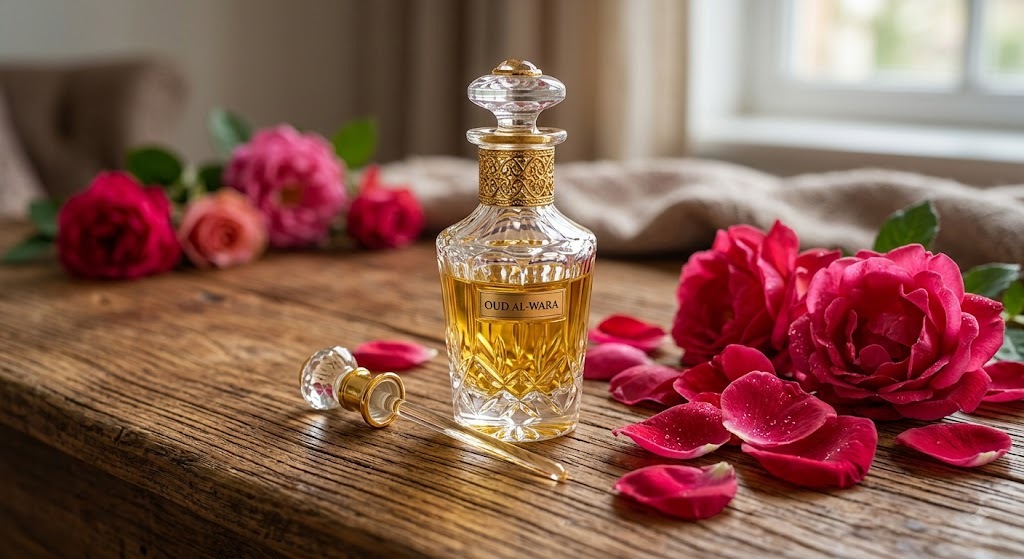
    Best Linen Sprays for Your Bed and Pillows

  • What Is Attar Perfume? The Ancient Oil Fragrance Explained

    What you’ll learn

    • What is attar perfume and how it differs from traditional alcohol-based sprays.
    • The centuries-old traditional hydro-distillation extraction process used to make pure attars.
    • How to properly apply and layer attar oils for maximum longevity on your skin.
    • Essential tips for choosing, storing, and collecting high-grade natural attars.

    Introduction

    Imagine walking into a lush botanical garden just after a sudden summer rainstorm, where the warm earth breathes out rich, damp woody aromas mixed with sweet, crushed petals. If you have ever wondered what is attar perfume, you are looking at the answer: a bottled concentration of pure nature that captures that exact earthy, transcendent magic. While modern commercial shelves overflow with mass-produced, alcohol-heavy designer sprays, ancient traditions whisper a different secret to true fragrance lovers. For thousands of years, civilizations have relied on pure botanical oils pressed into a sandalwood base to create scents that change, bloom, and evolve uniquely with your body heat. These elixirs do not just sit on your skin; they melt into it, becoming an intimate second skin that lingers long after conventional perfumes have faded into thin air. If you are ready to step beyond the standard department store counter and explore the rich, captivating history of oil-based perfumery, you are in the exact right place. Let’s dive in.

    The Deep Roots and Heritage of Botanical Oils

    When exploring what is attar perfume, understanding its deep historical roots provides vital context for why these oils feel so luxurious. The word “attar” (or itr) traces its origins back to the Persian word itr, meaning scent or fragrance. Long before modern chemistry labs synthesized laboratory-grade aroma molecules, ancient artisans in the Middle East and the Indian subcontinent perfected the art of capturing nature’s purest soul.

    Historical texts, including records from the Mughal Empire, document elaborate royal courts where master perfumers—known as attaris—crafted bespoke oil blends for emperors and queens. Unlike modern synthetic creations engineered to smell identical on every single person, traditional attars are living concoctions. They interact dynamically with your skin’s unique pH and natural oils, creating a signature aroma that belongs exclusively to you.

    The Deep Roots and Heritage of Botanical Oils

    The Ancient Craft and Varieties of Attar

    The magic of attars lies entirely in their meticulous, time-honored production method. Unlike liquid sprays that dilute raw materials in heavy amounts of ethanol, pure attars are crafted using a slow, patience-testing artisan process that has remained virtually unchanged for centuries.

    The Traditional Deg-Bhapka Distillation Process

    The creation of a genuine attar begins in places like Kannauj, often called the “Grasse of the East.” Artisans place raw botanical materials—such as Damask roses, jasmine blossoms, vetiver roots, or earthy clay (mitti)—into large copper stills called degs. These are sealed with wet mud and heated gently over a wood or biomass fire.

    The fragrant steam travels through bamboo pipes into copper receivers (bhapkas) submerged in cold water tanks to condense. Crucially, this distillation happens directly into a base carrier oil, traditionally pure Mysore sandalwood oil. Over weeks and months, the sandalwood base absorbs and matures with the botanical essence, resulting in a rich, multi-layered elixir of unmatched depth.

    Common Botanical Bases and Classifications

    Attars are broadly categorized based on the base carrier used and the dominant natural note extracted. Sandalwood acts as the gold standard base because of its creamy, buttery aroma and fixative properties that make the fragrance last for hours.

    However, because pure sandalwood has become increasingly rare and expensive, modern ethical attars also utilize alternative high-grade carrier oils like fractionated coconut oil or jojoba oil. Within these bases, you will find floral attars like Gulab (rose) and Mogra (jasmine), spicy or woody attars like Oud (agarwood) and Zafran (saffron), and the fascinating Mitti attar, which captures the exact smell of parched earth meeting the very first monsoon rains.

    Alcohol-Free Purity and Skin Sensitivity

    A defining characteristic of what is attar perfume is its complete lack of denatured alcohol. Commercial perfumes often contain up to 80% alcohol, which acts as a carrier to project the scent quickly before evaporating into the atmosphere. This rapid evaporation can dry out sensitive skin and cause irritation.

    Because attars are strictly oil-based, they are exceptionally gentle on the skin. They do not sting when applied to pulse points, making them a favorite alternative for individuals with eczema, dry skin, or chemical sensitivities to standard commercial fragrances.

    Step-by-Step Guide to Applying Attar Perfume

    Applying a concentrated oil fragrance requires a slightly different technique than pressing the nozzle of a standard aerosol or spray bottle. Mastering this ritual ensures you get maximum projection and longevity out of your precious bottle.

    1. Target Your Pulse Points: Apply a tiny drop of attar to warm areas of your body where blood vessels sit close to the surface, such as your wrists, the crook of your elbows, behind your earlobes, and the base of your neck.
    2. Use the Dab-and-Press Method: Never rub your wrists together after application. Rubbing generates friction and heat, which breaks down the delicate top notes of the botanical oil and diminishes the overall scent profile. Instead, gently dab or press your wrists together.
    3. Apply to Hydrated Skin: Oils cling much better to moisturized skin. Apply an unscented lotion or a tiny drop of carrier oil to your pulse points before applying your attar to lock the fragrance in place for hours longer.
    4. Try Fabric Application: Because high-grade natural attars are dark or amber-colored, avoid applying them directly to white or delicate silk garments. However, a tiny swipe on the inner seam of a wool scarf or jacket collar will diffuse the scent beautifully as you move throughout the day.
    5. Less Is More: Remember that attars are intensely concentrated extracts. A single drop from a traditional glass dipping rod (muckhalat stick) is often more than enough to project gracefully for an entire workday.
    Step-by-Step Guide to Applying Attar Perfume

    Common Mistakes People Make With Natural Oils

    Venturing into the world of traditional oils is an exciting journey, but beginners often fall into a few common traps that can ruin their experience. Avoiding these pitfalls guarantees a much more rewarding fragrance ritual.

    • Expecting Instant Loud Projection: Commercial perfumes hit you instantly with a massive chemical cloud due to alcohol vaporization. Attars are subtle bloomers; they warm up slowly with your body temperature, offering an intimate, sophisticated scent bubble rather than filling an entire elevator.
    • Storing Bottles in Direct Sunlight: Natural botanical oils are delicate living entities. Leaving your attar bottles on a sunny windowsill or inside a hot bathroom will rapidly degrade the top notes and ruin the complex organic compounds. Store them in a cool, dark place like a drawer or a dedicated fragrance box.
    • Assuming All “Attars” Are Natural: The market today features many synthetic attars sold cheaply in tourist bazaars. True artisanal attars derived from pure hydro-distilled flowers and genuine sandalwood or high-end carriers require immense labor and carry a higher price tag. Always buy from reputable houses that transparently list their ingredients.
    • Over-Applying on the First Try: Because they lack the strong initial alcohol warning sting, beginners often apply far too much oil. Start with a single microscopic drop until you understand how powerfully your chosen blend projects.

    Expert Tips for Layering and Collecting

    Taking your fragrance game to an expert level involves experimenting with oil layering and building a versatile collection. Fragrance enthusiasts love creating custom scent profiles by combining different single-note oils.

    Pro tip: Try pairing a heavy, smoky oud oil with a bright, sweet floral note like rose or jasmine. The deep, animalic warmth of the oud grounds the bright sweetness of the flower, creating a rich, complex aroma that rivals niche luxury perfumes costing hundreds of dollars more.

    For more inspiration on pairing and discovering unique scent combinations, check out our guide on. Building a collection of versatile oils—ranging from crisp citrus notes to deep, resinous woods—ensures you have the perfect signature scent for every season and mood.

    Summary and Final Recommendations

    Stepping into the world of traditional botanical oils opens up a slower, more mindful approach to personal grooming. Knowing what is attar perfume means recognizing the incredible artistry, heritage, and patience packed into every single drop. These alcohol-free elixirs respect your skin, honor ancient distilling traditions, and offer a deeply personal scent experience that standard commercial sprays simply cannot replicate.

    Whether you opt for a soothing floral rose oil for spring days or a rich, mysterious agarwood blend for winter evenings, adding a quality attar to your vanity elevates your daily routine into a luxurious ritual. Start with a small sampler set from a trusted artisan brand, experiment with pulse point placement, and enjoy watching how your skin transforms a simple oil into your own signature masterpiece.

    Summary and Final Recommendations

    Conclusion

    Embracing the rich world of traditional oil-based fragrances connects us to thousands of years of human history and artistry. These precious elixirs offer a sensory depth, skin-friendly purity, and long-lasting intimacy that modern synthetic sprays rarely achieve. By understanding what is attar perfume, you can confidently navigate the market, choose authentic botanical blends, and wear scents that truly reflect your individual personality. Take your time exploring these magnificent oils, and let your senses guide your journey. Did you find this helpful? Drop a comment below or share this with a fellow fragrance lover!

    Frequently Asked Questions

    Q1: What is attar perfume and how is it different from regular perfume? A: Attar perfume is a natural, traditional fragrance oil extracted from botanical sources using hydro-distillation and blended into a carrier base like sandalwood or jojoba oil. Unlike regular perfumes, attars contain zero alcohol, making them much gentler on the skin, longer-lasting, and far more intimate in their projection as they evolve with your unique body chemistry.

    Q2: How long does attar perfume last on the skin? A: Because pure attars are highly concentrated oils without evaporating alcohol, they typically last anywhere from 8 to 12 hours on the skin. High-end variations featuring heavy base notes like natural oud, amber, or sandalwood can even linger on clothing and pulse points for over 24 hours.

    Q3: Can I wear attar if I have sensitive skin? A: Yes, absolutely. Traditional attars are considered one of the safest fragrance options for sensitive skin types. Because they do not contain denatured alcohol or harsh synthetic chemical fixatives that strip natural skin moisture, they rarely cause the dryness, redness, or irritation often triggered by commercial alcohol-based sprays.

    Q4: Should I rub my wrists together after applying attar oil? A: No, you should never rub your wrists together after applying attar. Friction generates heat that breaks down the delicate top and middle notes of the natural botanical oils, altering the scent profile and causing the fragrance to fade much faster than intended.

    Q5: Why are some attars so expensive? A: Authentic artisanal attars require massive quantities of raw natural materials—such as thousands of hand-picked flower petals or rare aged agarwood—along with weeks of intensive, manual hydro-distillation. When combined with pure natural sandalwood or high-grade carrier oils, the labor-intensive production reflects in the premium price tag.

    Q6: How should I store my attar perfume bottles to keep them fresh? A: To preserve the integrity of natural botanical oils, store your attar bottles in a cool, dark place away from direct sunlight and dramatic temperature fluctuations, such as a wooden drawer or a dedicated fragrance storage box. Avoid keeping them in humid, warm bathrooms.

    Best Car Air Fresheners That Actually Smell Like Luxury

  • Lattafa vs Armaf: Which Middle Eastern Fragrance Brand Actually Wins?

    What you’ll learn:

    • How Lattafa and Armaf compare on scent quality, longevity, and projection
    • Which bestsellers from each brand are actually worth buying
    • The price differences and what you’re really paying for
    • Common myths about “clone” fragrances and how to shop smarter

    Introduction

    If you’ve spent more than five minutes in a fragrance forum, you’ve seen the debate: Lattafa vs Armaf, and which one actually deserves a spot on your shelf.

    Both brands come out of the UAE, both are famous for delivering big, designer-adjacent scents at a fraction of the price, and both have exploded on TikTok in the last few years. But they’re not the same brand wearing different labels, and picking the wrong one for your taste can mean a bottle that sits untouched.

    I’ve tested dozens of releases from both houses, on my own skin and across different seasons, and the differences are more interesting than most “which is better” posts let on. This isn’t about crowning one universal winner — it’s about helping you figure out which brand fits your nose, your budget, and your occasion.

    Let’s dive in.

    Why This Comparison Matters

    The affordable Arabic fragrance market has grown into one of the fastest-moving corners of the perfume industry. Fragrantica alone lists close to 400 Lattafa releases and nearly 300 from Armaf, and new launches drop almost monthly from both houses.

    That pace is exactly why comparing them matters. When a brand releases dozens of scents a year, quality can swing wildly from bottle to bottle, and a blanket “Lattafa is better” or “Armaf is better” opinion rarely holds up across an entire catalog.

    Lattafa built its reputation on rich, gourmand, oud-heavy compositions rooted in Middle Eastern perfumery traditions. Armaf, under its parent company Sterling Perfumes Industries LLC, leaned harder into designer-inspired, mass-market appeal with cleaner, more Western-friendly profiles.

    Why This Comparison Matters

    Knowing that split in philosophy is the key to understanding why one brand might suit you far better than the other, regardless of which one “wins” on paper.

    Lattafa vs Armaf: The Core Differences

    Scent Style and Composition

    Lattafa’s strongest releases lean into warm, spicy, gourmand territory. Think cinnamon, dark cherry, tobacco, and boozy accords layered over oud or amber bases. Khamrah, inspired by By Kilian’s Angels’ Share, is the clearest example — dense, sweet, and unapologetically loud.

    Armaf, on the other hand, tends toward fresher, sharper compositions. Club de Nuit Intense Man, its flagship scent and a well-known nod to Creed Aventus, leans into pineapple, birch, and smoky woods rather than sweetness. It’s built for everyday wear more than a single dramatic moment.

    Neither approach is objectively better. If you gravitate toward Middle Eastern oud houses like Rasasi or Al Haramain, Lattafa’s catalog will feel more like home. If you prefer clean designer staples like Aventus or Bleu de Chanel, Armaf sits closer to that lane.

    Longevity and Projection

    This is where testers consistently report a real gap. Lattafa fragrances, especially the oil-heavy oud and gourmand lines, tend to run longer on skin — often 8 to 12 hours with strong projection for the first few hours.

    Armaf’s performance is more variable. Club de Nuit Intense Man is a genuine beast for longevity, rivaling niche houses. But several of Armaf’s lighter, fresher releases fade to skin scent within 4 to 6 hours, which some wearers actually prefer for office settings.

    If raw performance is your top priority, Lattafa’s gourmand and oud lines usually win. If you want something that announces itself for the first hour and then settles politely, Armaf has more options in that register.

    Price and Value

    Both brands sit firmly in the budget-to-mid-range category, typically $25 to $45 for a full-size bottle, which is a fraction of what comparable designer or niche scents cost.

    Lattafa bottles occasionally run a few dollars higher for flagship releases like Khamrah or Fakhar, reflecting their oud content and packaging upgrades. Armaf’s pricing is generally more consistent across its lineup, with Club de Nuit variants clustering closely together.

    At this price point, both brands deliver genuine value. The real question isn’t “which is cheaper” — it’s which scent profile you’ll actually reach for.

    How to Choose Between Lattafa and Armaf: A Step-by-Step Approach

    Picking a lane doesn’t have to be complicated. Here’s how I’d walk a friend through it.

    1. Identify your reference scent. If you love a specific designer or niche fragrance, search whether Lattafa or Armaf has a version inspired by it. This narrows the field fast.
    2. Consider the season. Lattafa’s gourmand oud releases shine in fall and winter. Armaf’s fresher lines, like Ventana or Club de Nuit White Musk, suit spring and summer better.
    3. Think about your environment. Loud, long-lasting scents work in cold climates or evening settings. Office-friendly, closer-to-skin scents favor Armaf’s lighter catalog.
    4. Start with a sample or mini. Both brands are widely available in decant sizes from fragrance retailers, which is the smartest way to test before committing to a full bottle.
    5. Layer with your existing collection. Many fans keep both brands on rotation, using Lattafa for statement nights and Armaf for daily wear.
    How to Choose Between Lattafa and Armaf A Step-by-Step Approach

    Common Mistakes People Make When Comparing These Brands

    Assuming one brand is a “better clone.” Both houses take inspiration from designer and niche fragrances, but neither is producing exact replicas. Treating them as clones sets unrealistic expectations and leads to disappointment.

    Ignoring skin chemistry. Gourmand and oud-heavy scents from Lattafa can behave very differently depending on your skin’s natural oil and pH. A scent that’s magic on a friend might turn syrupy on you.

    Buying based on TikTok hype alone. Viral popularity doesn’t guarantee a scent suits your taste or your climate. Khamrah’s virality, for example, doesn’t mean it works for a humid summer commute.

    Overlooking batch variation. Because both brands release so frequently, occasional formula tweaks happen. Checking recent reviews before buying a beloved release helps avoid surprises.

    Expert Tips for Getting the Most From Either Brand

    Fragrance longevity depends heavily on application, not just formula. Moisturized skin holds scent longer than dry skin, so a fragrance-free lotion before spraying can meaningfully extend wear time from either brand.

    Layering is underrated with both houses. Pairing a Lattafa oud with an unscented body oil, or spraying Armaf on clothing as well as skin, can stretch projection well past the average testing window.

    Storage matters more than people realize, too. Both brands’ bottles should stay out of direct sunlight and heat, since oud and gourmand compositions in particular can shift character if stored poorly over months.

    Final Verdict: Which Brand Actually Wins?

    There isn’t a single winner here, and that’s the honest answer. Lattafa wins for wearers who want bold, long-lasting, gourmand or oud-forward fragrances that make a statement. Armaf wins for wearers who want fresher, more versatile scents that work well in professional or daytime settings.

    Which Brand Actually Wins

    If you had to pick just one to start with, match it to your existing taste: reach for Lattafa if you already love Middle Eastern perfumery, and reach for Armaf if you lean toward clean, designer-style scents. Either way, you’re getting genuine value for the price.

    Conclusion

    The Lattafa vs Armaf debate ultimately comes down to personal taste rather than a clear winner. Lattafa brings warmth, richness, and staying power rooted in Arabic perfumery traditions, while Armaf delivers fresher, designer-inspired versatility at a similarly accessible price.

    Both brands have earned their popularity honestly, offering genuine quality without the designer markup. The best move is to try a sample from each and let your own skin settle the debate.

    Did you find this helpful? Drop a comment below or share this with a fellow fragrance lover!

    Frequently Asked Questions

    Q1: Is Lattafa or Armaf better for long-lasting scent? Lattafa generally performs better for longevity, especially in its oud and gourmand lines like Khamrah, which can last 8 to 12 hours. Armaf’s Club de Nuit Intense Man is a strong exception, but many of its lighter releases fade faster than Lattafa’s richer compositions.

    Q2: Are Lattafa and Armaf considered clone perfumes? Both brands take inspiration from designer and niche fragrances, but they aren’t exact replicas. They use their own formulations to create scents with a similar mood or accord profile, often at a much lower price point.

    Q3: Which brand is better for beginners to Arabic perfumery? Armaf is often easier for beginners since its scents lean closer to familiar Western designer profiles. Lattafa’s oud and gourmand releases are a great next step once you’re ready for bolder, richer compositions.

    Q4: What is Lattafa’s most popular fragrance? Khamrah is currently Lattafa’s most talked-about release, known for its spicy, boozy, gourmand character inspired by By Kilian’s Angels’ Share, and it has driven much of the brand’s recent TikTok popularity.

    Q5: What is Armaf’s best-selling fragrance? Club de Nuit Intense Man is Armaf’s flagship and best-known release, prized for its fresh, smoky, pineapple-and-birch profile and strong longevity that rivals far more expensive niche fragrances.

    Q6: Can I wear Lattafa or Armaf fragrances in summer? Yes, but choose carefully. Armaf’s lighter, fresher lines suit summer heat better, while Lattafa’s dense oud and gourmand scents are generally better saved for cooler months or evening wear.

    Candle vs Diffuser vs Room Spray — Which Is Best for Your Home?

  • air Perfume vs Regular Perfume — What’s the Actual Difference?

    What you’ll learn

    • Why applying traditional alcohol-based fragrances directly to your hair leads to dryness and frizz.
    • The specific formulations that make hair mists safe and nourishing for your scalp and strands.
    • How to layer both products for a signature scent trail that lasts all day long.
    • Expert tips on choosing the right hair fragrance for your specific hair type and lifestyle.

    Introduction

    Picture this: You step out of the shower, style your hair to absolute perfection, and spritz your favorite designer eau de parfum all over your head so your locks leave a gorgeous fragrant trail wherever you walk. It feels like the ultimate luxury touch. However, within a few hours, your strands feel straw-like, brittle, and dry.

    If you have ever wondered why your favorite scent wreaks havoc on your mane, you are looking right at the classic dilemma of hair perfume vs regular perfume.

    Many fragrance lovers treat their hair as just another pulse point, completely unaware that traditional perfumes harbor hidden ingredients that actively strip moisture from delicate strands. Understanding the stark formulation differences between these two categories transforms your beauty routine, keeping your signature scent intact while protecting the health and shine of your hair. Let’s dive in.

    The Anatomy of a Scent: Why Formulation Matters

    To truly appreciate why specialized hair mists exist, we must first look at how standard fragrances are constructed. A traditional eau de parfum or eau de toilette relies heavily on high concentrations of denatured alcohol to act as a carrier for fragrance oils. When you spray standard perfume onto your skin, that alcohol evaporates rapidly, projecting the aromatic molecules into the air.

    Your skin possesses natural lipid barriers and sebaceous glands that constantly replenish moisture, helping it withstand the drying effects of alcohol. Your hair, on the other hand, is entirely dead protein fiber. Once the protective cuticle is compromised or dried out, it cannot repair itself naturally.

    When high-proof alcohol hits your hair shaft day after day, it strips away natural oils, lifting the hair cuticles and leading to frizz, split ends, and dullness. According to cosmetic chemistry data within the personal care industry, hair cuticles exposed to high concentrations of ethanol experience immediate micro-structural roughening. This fundamental chemical reality birthed the modern hair mist category, blending luxurious aroma with scalp-safe, nourishing chemistry.

    Why Formulation Matters

    Breaking Down the Key Differences

    Navigating the world of luxury fragrances requires understanding how hair mists and standard perfumes differ across formulation, longevity, and overall purpose.

    Ingredient Composition and Alcohol Content

    The most critical distinction lies in what goes inside the bottle. Regular perfumes contain high volumes of alcohol, often ranging from 70% to 90% concentration, paired with essential oils and aromatic compounds. Conversely, dedicated hair perfumes—such as the iconic Byredo Gypsy Water Hair Perfume or Chanel Chance Eau Tendre Hair Mist—are meticulously formulated with little to no alcohol.

    Instead, formulators use water-based or silicone-light carriers infused with conditioning agents like panthenol, glycerin, and botanical oils (such as argan or camellia oil). These nourishing additions ensure that every time you mist your strands, you add a layer of hydration and shine rather than stripping away moisture. Furthermore, this gentle base prevents irritation on the sensitive skin of your scalp.

    Scent Longevity and Projection

    Many enthusiasts wonder if a hair mist performs just as strongly as a standard eau de parfum. The honest answer is no, and by design. Regular perfume projects aggressively because alcohol acts as an intense diffuser. Hair perfume offers a softer, more intimate sillage.

    Because hair naturally traps and retains scent molecules within its porous structure better than skin does, a hair mist does not need heavy alcohol projection. When the wind blows or you turn your head, the scent gently reactivates and diffuses naturally. While traditional perfume might punch through a room, a hair mist creates a subtle, magnetic aura that lingers close to the body, perfect for intimate settings or professional environments.

    Scalp Health and UV Protection

    Beyond smelling divine, modern hair perfumes serve a protective function that standard fragrances completely ignore. High-end hair mists often incorporate UV filters designed to shield your hair color from fading under harsh sunlight.

    Additionally, because hair readily absorbs environmental odors like smoke, pollution, and cooking smells, hair mists often feature neutralizing polymers that trap and eliminate foul odors rather than simply masking them. Regular perfumes lack these deodorizing agents and UV shields, meaning a spritz of standard juice in the sun can actually accelerate color oxidation and sun damage on dyed hair.

    Step-by-Step Guide to Layering Hair and Body Fragrances

    Mastering the art of fragrance layering allows you to build a complex, long-lasting scent profile without damaging your hair or overwhelming your senses. Follow this step-by-step approach for a seamless routine.

    • Step 1: Cleanse and Condition Properly. Start with clean, damp hair using a hydrating shampoo and conditioner. Healthy, well-moisturized hair holds scent molecules much longer than dry, damaged strands.
    • Step 2: Apply Leave-In Treatment. Mist a lightweight leave-in conditioner or heat protectant through your mid-lengths and ends. This creates a smooth protective barrier on the hair cuticle.
    • Step 3: Spray Regular Perfume on Pulse Points. Apply your traditional eau de parfum to your warm pulse points—wrists, inner elbows, neck, and behind the ears. Avoid spraying your hair during this step.
    • Step 4: Finish with Hair Mist. Hold the hair perfume bottle about 8 to 10 inches away from your head. Mist lightly over your dry styled hair or directly onto your hairbrush before running it through your locks to distribute the scent evenly without weighing down your style.
    Step-by-Step Guide to Layering Hair and Body Fragrances

    Common Mistakes People Make With Hair Fragrance

    Even seasoned beauty enthusiasts sometimes fall into traps when incorporating scented products into their daily routines. Avoiding these common mistakes keeps your hair glossy, healthy, and beautifully scented.

    • Mistake 1: Using regular perfume as a quick hair fix. Grabbing your heavy winter eau de parfum and blasting your strands on a busy morning causes rapid moisture depletion and frizz. Always invest in a dedicated hair mist for your locks.
    • Mistake 2: Applying product directly to the scalp. Hair perfume is formulated for the strands, not the scalp. Spraying heavy amounts directly onto your scalp can clog hair follicles and cause irritation or product buildup. Focus your application from the mid-lengths to the ends.
    • Mistake 3: Over-saturating fine hair. Too much of any product can weigh fine hair down or make it look greasy. Start with a single fine mist and build up only if necessary, or spray your hairbrush instead of direct application.
    • Mistake 4: Layering clashing scent families. Mixing a heavy, spicy oriental perfume on your body with a sharp, sugary citrus hair mist creates olfactory chaos. Stick to complementary scent notes or products from the same fragrance house for a cohesive profile.

    Expert Tips for Maximizing Scent Longevity

    Fragrance longevity is the holy grail for perfume lovers. To ensure your hair smells heavenly from morning meetings to evening dinners, incorporate these insider pro tips into your regimen.

    Hair naturally acts as a natural diffuser because of its fibrous texture. To make the most of this, consider the porosity of your hair. Low-porosity hair repels moisture and can resist holding scent molecules, while high-porosity hair absorbs everything instantly but can lose scent quickly. If you have high-porosity hair, sealing your strands with a tiny drop of hair oil before misting your hair perfume locks in both moisture and fragrance notes for hours on end.

    For further exploration into building a versatile fragrance wardrobe, check out our guide on.

    Summary and Final Recommendations

    The debate between hair perfume and regular perfume ultimately boils down to chemistry and hair health. While traditional alcohol-based perfumes deliver high projection and longevity on the skin, their harsh chemical formulas spell disaster for the delicate protein structure of your hair. Specialized hair mists offer a luxurious, nourishing alternative packed with hydrating conditioners, UV filters, and odor-neutralizing properties. By investing in a dedicated hair fragrance, you protect your strands from damage while curating an intimate, elegant scent trail that turns heads wherever you go.

    Summary and Final Recommendations

    Conclusion

    Choosing between hair perfume and regular perfume does not mean you have to sacrifice your signature scent. By utilizing both products purposefully—keeping high-alcohol juices on your skin and nourishing, alcohol-free mists on your tresses—you achieve the best of both worlds. Your hair stays glossy, hydrated, and resilient, while your aura remains unmistakably captivating. Treat your locks with the gentle care they deserve, and let your fragrance routine reflect true sophistication.

    Did you find this helpful? Drop a comment below or share this with a fellow fragrance lover!

    Frequently Asked Questions

    Q1: Can I use regular perfume in my hair if I am careful? A: Spraying regular perfume in your hair occasionally will not ruin it instantly, but regular use of high-alcohol formulas will dry out your cuticles, cause frizz, and lead to split ends over time. For daily use, always opt for an alcohol-free or low-alcohol hair mist designed specifically to nourish and protect hair fibers.

    Q2: Does hair perfume actually last as long as regular perfume? A: Hair mists generally have a softer projection and slightly shorter longevity than a heavy eau de parfum because they lack high alcohol content. However, hair fibers naturally trap scent molecules exceptionally well, meaning a quality hair mist will linger softly in your locks for several hours, especially when hair moves.

    Q3: Will hair perfume make my hair greasy or weigh it down? A: Most premium hair perfumes are formulated with ultra-lightweight silicones, water bases, or dry oils like argan and camellia that absorb quickly without leaving a greasy residue. To avoid weighing hair down, hold the bottle at least 8 to 10 inches away from your head, or spray it directly onto your hairbrush before styling.

    Q4: Can hair mists damage colored or chemically treated hair? A: Quite the opposite! High-end hair mists often contain specialized UV filters and antioxidant ingredients that shield color-treated hair from sun fading and environmental oxidation. Traditional perfumes, however, can dry out colored hair and alter tone due to their high alcohol content.

    Q5: Should I match my hair perfume to my regular body perfume? A: Matching your hair mist to your body perfume creates a seamless, harmonious scent profile that prevents clashing notes. Many luxury perfume houses—such as Maison Francis Kurkdjian, Byredo, and Dior—offer matching hair mists specifically designed to complement their flagship eau de parfum fragrances.

    Q6: How many times a day should I reapply hair perfume? A: You can safely reapply hair mist 1 to 2 times throughout the day as needed, depending on your environment and activity level. Because quality hair mists contain conditioning agents rather than drying alcohols, refreshing your scent midday will not harm your hair health.

    Best Colognes for College Guys: The Ultimate 2026 Campus Guide

  • Best Hair Perfumes in 2026 — A Scent Trail That Follows You Everywhere

    What you’ll learn

    • Why hair holds fragrance longer than your skin due to its porous molecular structure.
    • The top-rated luxury and budget-friendly hair perfumes dominating beauty trends this year.
    • How to apply hair mists safely without causing dryness or weighing down your tresses.
    • Expert techniques to make your favorite signature scent diffuse with every turn of your head.

    Introduction

    Have you ever walked past someone and caught a mesmerizing, floating wisp of fragrance that seemed to linger in the air long after they turned the corner? That invisible, magnetic calling card is rarely just skin chemistry—it is the magic of a dedicated hair mist in motion. When it comes to the best hair perfumes in 2026, the beauty industry has officially shifted away from alcohol-heavy traditional splashes toward sophisticated, hair-loving elixirs.

    Unlike pulse points on warm skin that rapidly evaporate complex top notes, your hair acts as a natural, porous diffuser. Every sway and tilt releases micro-bursts of scent into the atmosphere. Whether you crave cozy vanilla, crisp citrus, or deep velvety woods, upgrading your routine with a specialized formula changes your entire aura. Let’s dive in.

    Why Your Tresses Deserve Their Own Signature Scent

    Traditional alcohol-based eau de parfums contain high ethanol concentrations designed to flash-evaporate off the skin. When sprayed directly onto hair fibers, that same alcohol strips away natural moisture, leading to brittleness, frizz, and split ends over time. This structural vulnerability is precisely why the cosmetic market engineered specialized hair mists.

    Formulated with lower alcohol content and spiked with nourishing oils, botanical extracts, or keratin boosters, these modern sprays treat your strands with care. According to recent beauty retail analytics, consumer demand for functional fragrance—products that combine scent throw with conditioning properties—has surged by over forty percent. It is no longer just about smelling good; it is about protecting your hair health while leaving a memorable impression.

    Why Your Tresses Deserve Their Own Signature Scent

    FragrantTip Insight: Hair fibers have a high absorption capacity. They lock onto aromatic molecules much tighter than skin lipids, meaning your scent trail stays active hours longer with minimal reapplication.

    The Top Contenders: Navigating This Year’s Standout Formulas

    Choosing the right bottle depends heavily on your personal olfactory profile and daily styling routine. The market features everything from opulent French heritage houses to nourishing indie staples.

    Luxury Heritage and Complex Blends

    High-end fragrance houses have elevated hair mists into high art. Iconic formulations like the Chanel Coco Mademoiselle Hair Perfume or Byredo Gypsy Water Hair Mist capture the exact complexity of their alcoholic counterparts without compromising safety. These luxury options rely on micro-silicones and lightweight conditioners that impart an ethereal sheen. When you spray them, you aren’t just wearing a scent; you are wrapping your hair in an expensive silk veil of amber, citrus, or crisp pine.

    Nourishing Gourmands and Sweet Escapes

    If your goal is to smell decadent, warm, and inviting, sweet gourmand profiles dominate the current landscape. Formulas infused with honey, brown sugar, or rich Madagascar vanilla create an edible, comforting aura. Products like the Gisou Honey Infused Hair Perfume harness actual bee-derived actives to smooth cuticles while emitting a sweet floral honey trail. Similarly, budget-friendly sensations like Kitsch Warm Sugar offer accessible sweetness that lingers across clothes and collars for days.

    Botanical and Scalp-Friendly Innovations

    Clean beauty standards have ushered in a wave of functional mists powered by plant extracts. Brands are incorporating ingredients like white tea, blue lotus, and argan oil to neutralize environmental odors at a molecular level. These options double as refreshing mid-day boosters that neutralize smoke or city pollution while leaving a clean, spa-like botanical aura behind.

    Step-by-Step Guide to Maximizing Your Hair Scent Trail

    Achieving that effortless, movie-scene hair flip requires more than a random spray in the general direction of your head. Follow this strategic application method for maximum longevity and projection.

    1. Start with Clean or Freshly Washed Hair: Oils and buildup block fragrance adherence. Apply your mist to clean, dry, or slightly damp hair for the purest scent expression.
    2. Mist Your Hairbrush Instead of Direct Spraying: To distribute the product evenly and avoid heavy wet spots, hold your hairbrush 6 inches away and mist the bristles twice before brushing through from mid-lengths to ends.
    3. Target the Crown and Nape: The nape of your neck radiates body heat, acting as a natural warmer that gently diffuses the perfume upward whenever you move.
    4. Lock It In with a Lightweight Oil: If your mist lacks conditioning agents, seal the ends with a drop of hair oil to trap the fragrance molecules inside the hair shaft.
    Step-by-Step Guide to Maximizing Your Hair Scent Trail

    Common Mistakes People Make With Hair Perfumes

    Even seasoned fragrance lovers occasionally fall into traps that mute their scent or damage their hair. Avoid these common pitfalls to keep your tresses healthy and fragrant.

    • Using Standard Eau de Parfum Alcohol Sprays: Spraying high-alcohol designer perfumes directly on your hair dries out the cuticle, leading to dullness and frizz over time. Always invest in formulas specifically engineered for hair.
    • Over-Applying Heavy Resins: Drenching fine hair in thick, sticky formulas weighs strands down, making them look greasy rather than glossy. Less is more; two to three spritzes are plenty.
    • Applying to Dirty or Sweaty Hair: Spraying perfume over unwashed hair creates a muddy, unpleasant hybrid scent. Always use a clarifying rinse or dry shampoo before applying fresh fragrance.
    • Ignoring Sun Exposure: Some alcohol- and citrus-heavy formulas can react unfavorably under direct, intense UV rays. Opt for UV-protective hair mists if you spend long hours outdoors.

    Expert Tips and Pro Advice for All-Day Longevity

    Want your fragrance to survive a long workday followed by an evening out? Master perfumers and beauty editors swear by layering techniques. Match your hair mist with a complementary body lotion or shower gel from the same olfactory family. For instance, pairing a honey hair mist with a warm amber body cream anchors the notes to your body heat.

    For further inspiration on building a cohesive daily collection, check out our guide on.

    Additionally, consider the climate. Humid weather amplifies sweet and tropical notes rapidly, while dry winter air calls for resinous, woody bases that cling closer to wool scarves and collars. Adjusting your rotation seasonally ensures your signature aura always fits the environment.

    Final Verdict: Finding Your Perfect Match

    Investing in a dedicated hair mist transforms an ordinary grooming routine into a luxurious daily ritual. Whether you lean toward the clean, crisp sophistication of botanical extracts or the magnetic pull of sweet vanilla and amber, a great hair perfume acts as your invisible signature. It is subtle, intimate, and profoundly unforgettable. Choose a formulation that aligns with your hair type and sensory preferences, and let your movement do the talking.

    Final Verdict Finding Your Perfect Match

    Conclusion

    Navigating the world of luxury beauty is all about finding those small, elevated details that make you feel entirely put together. Embracing the trend of specialized hair scents allows you to leave a lasting, graceful impression wherever your day takes you. By choosing nourishing formulas and applying them with care, you protect your hair while enjoying an immersive aromatic experience.

    Did you find this helpful? Drop a comment below or share this with a fellow fragrance lover!

    Frequently Asked Questions

    Q1: Can I use regular perfume instead of buying the best hair perfumes in 2026?

    A: Regular perfumes contain a high volume of denatured ethanol designed to evaporate off warm skin. Spraying them directly on your hair strips away essential moisture, causing long-term dryness, frizz, and breakage. Hair perfumes use lower alcohol levels and incorporate nourishing oils or botanical conditioners specifically safe for delicate hair fibers.

    Q2: Do hair perfumes weigh down fine or oily hair?

    A: It depends on the formula. Lightweight water-based mists or fine dry formulas will not weigh fine hair down. However, heavy oil-infused mists should be sprayed sparingly, focusing strictly on the mid-lengths and ends rather than the scalp to prevent a greasy appearance.

    Q3: How long does a typical hair mist last compared to skin perfume?

    A: Surprisingly, hair often holds scent longer than skin because its porous keratin structure traps aromatic molecules tightly. While top notes might fade within a few hours, a quality hair mist creates a gentle scent bubble that reactivates every time your hair moves throughout the day.

    Q4: Will hair perfume dry out my colored or chemically treated hair?

    A: Quality hair perfumes designed today are formulated with hydration-boosting ingredients like argan oil, honey, and glycerin. They are generally safe for color-treated hair, but you should always check ingredient labels to ensure they are free from harsh drying alcohols and sulfates.

    Q5: Can I apply hair perfume to wet hair right out of the shower?

    A: While you can, it is usually more effective to apply hair perfume to dry or damp-styled hair. Excess dripping water prevents the fragrance molecules from settling evenly into the hair cuticle, reducing overall longevity and scent projection.

    Q6: Do hair perfumes double as heat protectants or leave-in conditioners?

    A: Some advanced botanical hair mists offer dual benefits, featuring ingredients that smooth frizz, add shine, or provide light hydration. However, standard hair perfumes are primarily formulated for scent enhancement and should not replace dedicated heat protectants prior to using hot styling tools.

    The Chemistry of Why Some Scents Last and Others Fade Fast

  • Best Laundry Perfume Beads in 2026 — Clothes That Smell Amazing

    What you’ll learn

    • How to choose the Best Laundry Perfume Beads in 2026 for long-lasting freshness
    • The secret chemistry behind how scent boosters lock fragrance into fabric fibers
    • Expert steps to maximize your laundry scent throw and prevent residue buildup
    • Essential troubleshooting tips to avoid common washing machine mistakes

    Introduction

    Imagine stepping out of your house wrapped in a cloud of warm cashmere, crisp morning citrus, or delicate French lavender that lingers on your garments from dawn until dusk. There is an undeniable psychological magic attached to clean laundry that smells incredible; it instantly boosts your mood, enhances your confidence, and leaves a sophisticated impression everywhere you go. Unfortunately, standard laundry detergents often leave fabrics smelling flat, sterile, or completely scentless once dried. Enter the modern revolution of home fragrance: laundry scent boosters. Finding the Best Laundry Perfume Beads in 2026 transforms ordinary wash days into an ultra-luxury aromatic experience, ensuring your wardrobe rivals the finest boutique scents. Let’s dive in.

    The Science of Scent: Why Traditional Detergent Falls Short

    To understand why scent boosters have taken over modern laundry rooms, you must first understand how fabric care chemistry works. Traditional commercial detergents are engineered primarily with surfactants to lift away dirt, oils, and sweat. Because their main priority is cleansing rather than perfuming, the delicate aromatic notes added to them often break down completely under high wash temperatures and rinsing cycles. Furthermore, modern energy-efficient washing machines use minimal water, which can sometimes trap musty odors inside fabrics rather than rinsing them clean.

     Why Traditional Detergent Falls Short

    This is where specialized fragrance boosters change the game. Unlike liquid detergents, modern scent boosters utilize microencapsulation technology—tiny, polymer-based fragrance capsules that deposit directly onto clothing fibers during the wash cycle. As you move throughout your day, friction gently bursts these microscopic bubbles, releasing fresh waves of perfume. According to recent home care consumer research, over sixty-five percent of fragrance enthusiasts now prioritize long-lasting textile aroma over traditional cleaning power alone, proving that laundry is officially an extension of personal signature style.

    The Top Contenders: Exploring Premium Laundry Fragrance Options

    Navigating the crowded marketplace of fabric care can feel overwhelming when every brand promises ultimate freshness. To help you find the ideal match for your olfactory preferences, we can break down the top options into distinct categories based on their scent profiles and formulation quality.

    Luxury Botanical and Floral Blends

    If your dream aesthetic revolves around high-end French perfumery, botanical-infused beads deliver sophisticated depth. These formulations often incorporate complex notes like white jasmine, Bulgarian rose, and wild freesia. Unlike synthetic artificial smells that fade within hours, premium botanical blends use natural essential oil extractions balanced with fixatives like amber and musk. When washed into cotton linens or silk blends, these beads create a subtle, expensive aura reminiscent of a high-end luxury hotel suite.

    Clean, Crisp, and Aquatic Profiles

    For lovers of the fresh-out-of-the-shower sensation, aquatic and ozonic perfume beads are absolute game changers. These formulas feature invigorating top notes of crisp sea salt, ozone, eucalyptus, and clean cotton. They are exceptionally popular for athletic wear, heavy cotton towels, and bedding. The secret behind these crisp profiles lies in their ability to neutralize underlying moisture odors completely, leaving behind a sparkling, airy wake that smells intensely clean without being overly sweet.

    Warm, Woody, and Gourmand Scents

    As cooler seasons roll around, or for those who prefer cozy, intimate aromas, warm gourmand and woody scent beads offer an incredible sensory retreat. Think notes of toasted vanilla bean, warm sandalwood, golden amber, and soft cashmere musk. These deeper molecular profiles cling exceptionally well to heavy winter coats, woolen sweaters, and heavy fleece blankets, providing weeks of comforting, enveloping warmth every time you pull them from your closet.

    Step-by-Step Guide to Maximizing Your Laundry Scent Throw

    Achieving that intoxicating, boutique-level fragrance throw requires more than just tossing a capful of beads into the drum. Follow this expert method to ensure your clothes retain their incredible aroma for weeks on end.

    1. Measure Accurately: Resist the urge to overpour. More beads do not automatically mean better scent; excessive amounts can leave a waxy film on dark fabrics. Stick to the manufacturer’s recommended cap line.
    2. Add Directly to the Drum: Always toss your perfume beads directly into the empty washing machine drum before adding your clothes or linens. This ensures the beads dissolve fully during the fill cycle rather than getting trapped in the dispensing drawer.
    3. Optimize Water Temperature: While cold water is fantastic for energy saving, warm water helps dissolve the polymer casing of perfume beads more efficiently. If you want maximum scent adherence, consider using warm cycles for towels and durable cottons.
    4. Pair with Complementary Detergents: Avoid using heavily scented, conflicting detergents that clash with your beads. Pair clean aquatic beads with unscented or lightly citrus-scented base detergents to let the true fragrance shine.
    5. Store Correctly: Keep your container tightly sealed in a cool, dry place away from direct sunlight to preserve the volatile top notes of the fragrance oils inside the beads.
    Step-by-Step Guide to Maximizing Your Laundry Scent Throw

    Common Mistakes People Make With Scent Boosters

    Even seasoned laundry enthusiasts occasionally fall into traps that diminish their clothing’s fragrance longevity or damage their favorite garments. Being aware of these pitfalls saves your wardrobe and your appliances.

    One of the most frequent mistakes is overloading the washing machine. When a drum is packed to maximum capacity, water and detergent cannot circulate freely, preventing the perfume microcapsules from distributing evenly across every garment. This results in patchy scent distribution where some clothes smell amazing while others smell completely neutral.

    Another common error is dumping beads directly into the liquid detergent or fabric softener dispenser drawer. Because these beads are solid wax- or polymer-based crystals, they require direct exposure to water agitation in the drum to dissolve properly. Putting them in the dispenser can clog your machine’s valves and create a sticky residue mess.

    Finally, relying on high heat in the dryer immediately after washing can sometimes “burn off” delicate top notes. While tumble drying helps activate the fragrance through heat dispersion, ultra-high settings can degrade the longevity of lighter citrus and floral notes. Opt for medium heat or line drying whenever possible to preserve the complex fragrance architecture.

    Expert Tips and Pro Advice for Long-Lasting Wardrobe Freshness

    True fragrance aficionados know that laundry care doesn’t stop when the dryer cycle finishes. To maintain an enchanting aura throughout your entire closet, you can layer your scents intentionally.

    Try matching your laundry scent profile to your daily personal perfume. If you love wearing warm vanilla and amber fragrances, select a woody or gourmand laundry booster to create a seamless, harmonious scent bubble around your body. This eliminates conflicting notes between your clothing and your signature eau de parfum.

    Another insider secret for seasonal wardrobe storage is placing a small mesh pouch filled with unused laundry perfume beads inside your winter storage bins or closet corners. As the weeks pass, the beads will slowly release ambient fragrance, ensuring that when you finally pull out your seasonal sweaters, they smell as fresh as the day they were washed. You can also slip a few unused beads into hotel luggage or gym bags for instant odor control on the go.

    Summary and Final Recommendations

    Transforming your laundry routine from a mundane household chore into an elevated aromatic ritual is one of the easiest ways to bring daily luxury into your life. By choosing the Best Laundry Perfume Beads in 2026, understanding how fragrance microcapsules adhere to textile fibers, and avoiding common application mistakes, you unlock a world of long-lasting sensory pleasure. Whether you prefer the breezy cleanliness of aquatic notes or the rich, velvety comfort of amber and musk, investing in quality scent boosters elevates your entire wardrobe.

    Summary and Final Recommendations

    Conclusion

    Your wardrobe deserves to smell just as captivating and expressive as your favorite designer perfume. By embracing advanced textile fragrance options, you ensure that every garment you slip into tells a story of luxury, cleanliness, and meticulous care. Finding the right scent profile allows you to carry a comforting, beautiful aura wherever your day takes you. Did you find this helpful? Drop a comment below or share this with a fellow fragrance lover!

    Frequently Asked Questions

    Q1: What are the Best Laundry Perfume Beads in 2026 for sensitive skin? A: For sensitive skin, look for hypoallergenic fragrance boosters that feature dermatologist-tested formulas, natural essential oils, and zero harsh artificial dyes. Brands that offer gentle cotton or unscented-adjacent botanical variants provide a wonderful scent experience without triggering skin irritation or allergic flare-ups.

    Q2: Do laundry perfume beads dissolve completely in cold water? A: Most high-quality modern perfume beads are engineered to dissolve effectively in cold water cycles. However, extremely cold water or heavily overloaded washing machine drums can sometimes leave minor waxy residue behind. If you notice residue, try dissolving the beads in a cup of warm water before adding them to a cold wash.

    Q3: Can I use laundry scent boosters in place of liquid fabric softener? A: No, laundry perfume beads and liquid fabric softeners serve entirely different purposes. Perfume beads are strictly designed to deposit fragrance molecules onto fabrics, whereas liquid softeners coat fibers with conditioning agents to reduce static and soften texture. You can safely use both together if desired.

    Q4: How long does the scent from laundry perfume beads last in the closet? A: When stored properly in a clean, dry, and moderately cool closet, garments treated with premium laundry perfume beads can retain a noticeable, pleasant aroma for anywhere from two to four weeks. Using airtight garment bags or drawer sachets can extend this lasting freshness even further.

    Q5: Will laundry scent boosters stain or ruin my delicate silk garments? A: When used correctly by dissolving them directly in the drum before adding clothes, perfume beads will not stain delicate items. However, dumping concentrated beads directly onto dry, sensitive fabrics like silk or wool without water agitation can occasionally cause localized spotting. Always follow product instructions carefully.

    Q6: Are laundry perfume beads safe to use in high-efficiency (HE) washing machines? A: Yes, laundry perfume beads are completely safe for all modern high-efficiency front-load and top-load washing machines. Because they dissolve entirely during the wash cycle, they will not clog internal pumps or drainage pipes when used according to the package dosage guidelines.

    Best Perfumes for Petite Women — Light but Lasting