Author: Piya

  • What Makes a Perfume “Niche”? Designer vs Niche Explained

    What you’ll learn

    • The core differences in philosophy, production, and distribution between designer and artisanal houses.
    • The specific creative ingredients and artistic standards that define the luxury boutique fragrance industry.
    • Practical tips on how to sample, select, and purchase your very first artisanal bottle without wasting money.
    • How to spot common myths surrounding price, quality, and longevity in the luxury scent market.

    Introduction

    Walking into a high-end department store exposes you to a dizzying wall of shimmering glass bottles. You see the massive, familiar fashion logos gleaming under bright lights, but tucked away in a quiet corner lies an entirely different world of mysterious bottles. If you have ever wondered what makes a perfume “Niche” compared to these mass-market giants, you are not alone. The global fragrance market is shifting rapidly as consumers seek out highly individualistic identities over corporate trends.

    Understanding this distinction completely transforms how you shop for, wear, and appreciate your personal scent collection. It shifts your perspective from merely buying a consumer product to collecting wearable art. Let’s dive in.

    What Makes a Perfume “Niche”: The Evolution of Fragrance

    To understand what makes a perfume “Niche” today, we must first look at how the modern fragrance landscape split into two distinct ecosystems. Decades ago, most commercial perfumes came from historic houses dedicated entirely to the art of scent, or elite French fashion designers who used perfume as an accessible entry point to their brand.

    Over time, global luxury conglomerates acquired many classic brands, optimizing formulas to appeal to millions of people simultaneously. This mass-market evolution left a void for consumers who desired complexity, storytelling, and rare ingredients.

    The artisanal movement emerged as a direct rebellion against this commercial homogenization. Instead of relying on multi-million dollar marketing campaigns and celebrity faces, boutique houses focused entirely on the liquid inside the bottle. Today, this sector represents the fastest-growing segment of the multi-billion dollar global fragrance industry, driven by an audience hungry for personal expression.
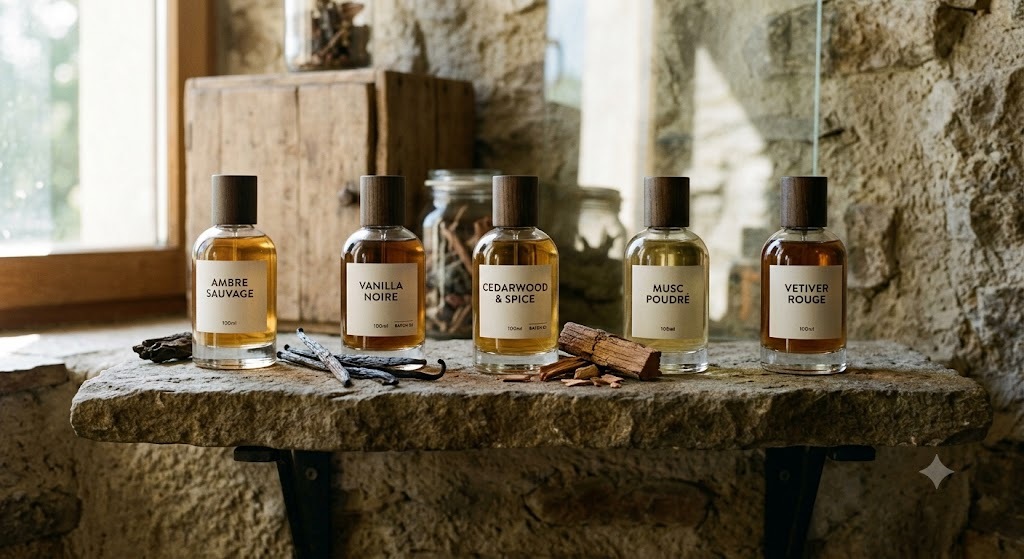
    What Makes a Perfume Niche The Evolution of Fragrance

    Decoding the Core Differences: Designer vs Niche

    The debate between mainstream and boutique scents goes far beyond the price tag on the box. To truly answer what makes a perfume “Niche,” we have to analyze the creative freedom, production scale, and distribution methods that separate these two worlds.

    The House Philosophy and Creative Control

    Mainstream houses operate primarily as fashion or beauty brands first, and fragrance houses second. When a major fashion house launches a new scent, the process begins with extensive market research, focus groups, and rigid corporate briefs. The corporate goal is maximum global appeal to ensure a strong return on investment.

    Artisanal houses operate on an entirely different philosophy. They are founded by independent perfumers or creative directors who prioritize artistic expression over commercial viability. The perfumer receives total creative freedom to explore complex themes, historical eras, or deeply personal memories without corporate interference.

    Ingredient Quality and Olfactory Artistry

    Mainstream scents rely heavily on cost-effective, synthetic aroma chemicals engineered to smell clean, pleasant, and highly familiar to the average consumer. These compositions often lean on crowd-pleasing notes like bright citrus, clean synthetic musks, and sugary vanillas that perform consistently across diverse demographic groups.

    Boutique perfumery celebrates rare, natural, and sometimes polarizing ingredients. Think of sustainably sourced Indian sandalwood, precious Laotian oud, absolute jasmine from Grasse, or smoky Haitian vetiver. These houses allow the natural complexities of these materials to shine, resulting in dynamic compositions that evolve beautifully on the skin over several hours.

    Production Scale and Selective Distribution

    You can find mainstream juices in almost every airport duty-free shop, department store, and cosmetics chain worldwide. Millions of bottles roll off automated assembly lines every single year to meet massive global demand.

    Boutique houses deliberately restrict their production runs, often blending and bottling their juices in small batches. You will only find them in select luxury boutiques, specialized perfume shops, or directly through the brand’s website. This selective distribution preserves the exclusivity and mystique of the brand.

    How to Identify an Authentic Niche Fragrance

    Identifying these hidden gems requires looking past the brand name and examining how the product presents itself to the world. Here is a practical checklist to help you spot a true boutique creation.

    1. The Brand Story Focus: Check the website and packaging. Authentic houses focus heavily on the inspiration behind the scent, the specific perfumer who created it, or the raw origins of the ingredients, rather than relying on a Hollywood celebrity endorsement.
    2. Uniform Bottle Architecture: Boutique houses often use the exact same bottle design across their entire collection. This deliberate choice proves that the brand invests its budget into the quality of the juice rather than custom, gimmicky glass molds for every single release.
    3. Absence of Mass Advertising: You will rarely see these brands on giant city billboards or television commercials during prime-time broadcasts. They rely almost entirely on word-of-mouth, editorial reviews, and fragrance community discussions.
    4. Unconventional Scent Profiles: A true boutique scent will rarely smell like everything else on the mall counter. It might mimic the scent of rain on dry earth, an old library filled with leather-bound books, or a smoky campfire in a pine forest.
    5. Independent Ownership Structures: While some corporate giants have purchased independent labels recently, true artisanal brands maintain independent operational control over their formulas and creative concepts.
    How to Identify an Authentic Niche Fragrance

    Common Myths About Luxury and Boutique Perfumes

    As the popularity of independent fragrance houses grows, several misconceptions have taken root within the beauty community. Debunking these myths will help you make smarter purchasing decisions.

    • Boutique Perfumes Always Last Longer. Longevity depends entirely on the molecular weight of the ingredients used, not the category of the brand. A natural, high-end citrus scent will always evaporate faster than a heavy, synthetic amber base, regardless of who made it.
    • Higher Prices Equal Better Smell. Price in this industry reflects small-batch production costs, rare ingredients, and limited distribution, not an objective guarantee that you will love the scent profile.
    • They Only Use Natural Ingredients. Totally natural perfumes often smell muddy and fade within an hour. The best artisanal creators combine rare naturals with cutting-edge, expensive synthetic molecules to create projection, stability, and unique artistic effects.
    • Niche Scents Are Too Strange for Daily Wear. While some avant-garde creations are challenging, many boutique houses specialize in incredibly wearable, clean, and elegant daily scents that simply smell more refined than mainstream options.

    Pro Tips for Navigating the Boutique Scent World

    Stepping into this specialized world can feel overwhelming to your nose and your wallet if you do not have a clear strategy.

    Pro Tip: Never buy a boutique bottle blind based solely on internet reviews. These complex juices react dramatically with your unique skin chemistry, meaning a scent that smells heavenly on a reviewer could smell completely different on you.

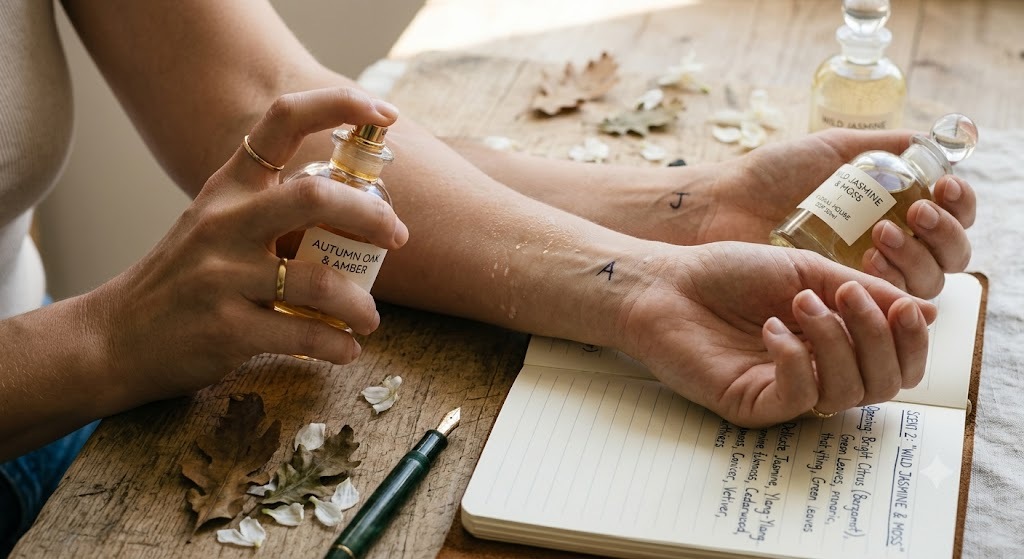
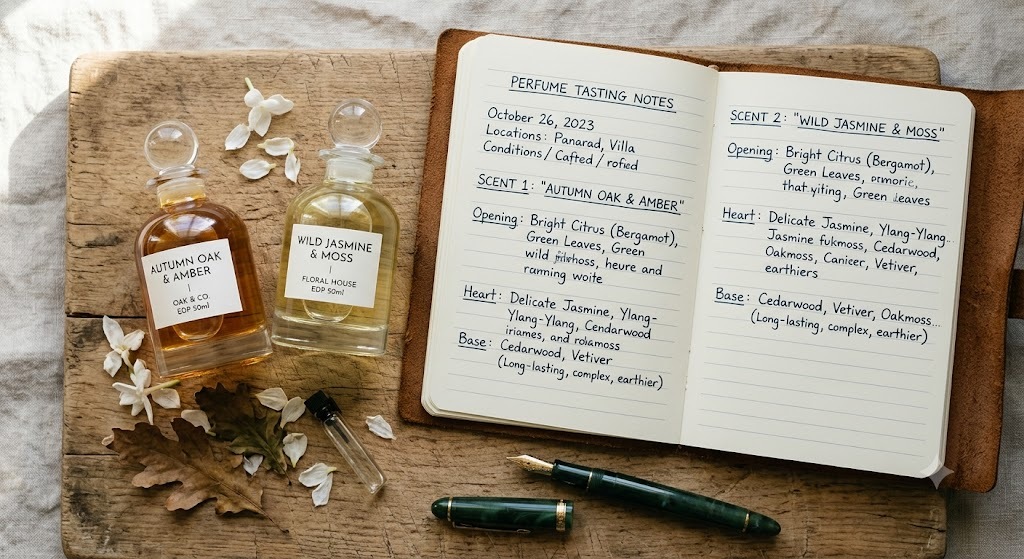
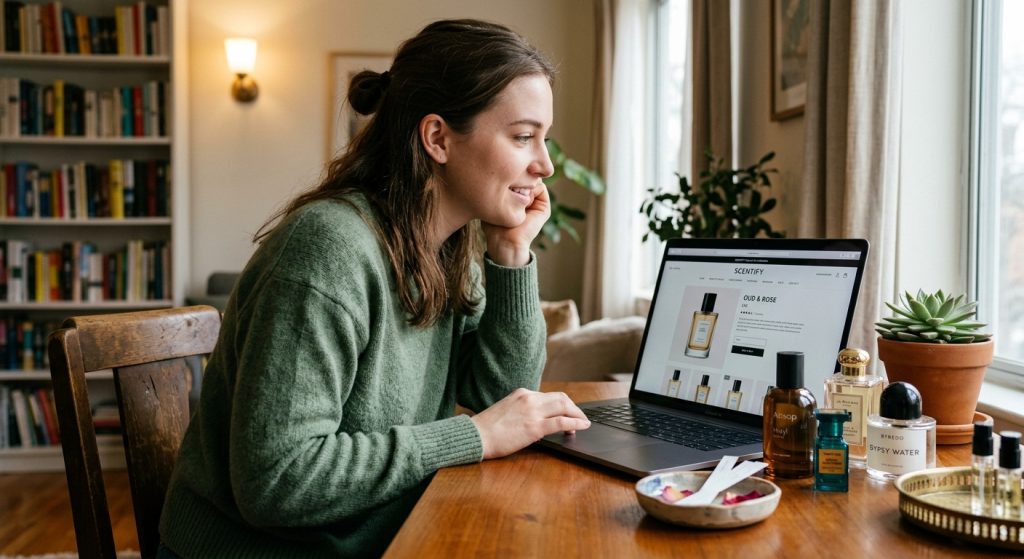
    Before investing in a full bottle, explore the to understand your personal preferences. Always purchase small 2ml sample vials online first. Wear a sample for at least three full days to see how the top, heart, and base notes unfold across morning, noon, and night. Look for dedicated discovery sets offered directly by houses like Maison Francis Kurkdjian, Byredo, or Creed, which often credit the cost of the sampler pack toward a future full-bottle purchase.

    Finding Your Signature Artisanal Identity

    Ultimately, choosing a boutique fragrance is an intimate journey of self-discovery and personal branding. These creations allow you to move away from matching the crowd and move toward expressing your internal world through an invisible, olfactory aura.

    Finding Your Signature Artisanal Identity

    Whether you fall in love with a dark, resinous incense juice or a ethereal, powdery iris creation, you are choosing a scent that tells a story. Take your time, trust your own nose over fleeting social media trends, and enjoy the beautiful process of curation.

    Conclusion

    Uncovering what makes a perfume “Niche” reveals a world built on uncompromised artistic freedom, rare ingredients, and authentic storytelling. While designer scents certainly have a reliable place in any modern wardrobe, boutique perfumes offer an extraordinary avenue for true self-expression. By shifting your focus toward small-batch houses, you open yourself up to unforgettable sensory journeys that linger long after you leave the room.

    Did you find this helpful? Drop a comment below or share this with a fellow fragrance lover!

    Frequently Asked Questions

    Q1: What makes a perfume niche instead of designer?

    A: A perfume is considered niche when it is produced by a house dedicated exclusively to fragrance, rather than a fashion or cosmetics giant. These brands focus on artistic freedom, unique scent profiles, limited distribution channels, and small-batch production rather than mass-market appeal and celebrity-driven advertising campaigns.

    Q2: Why are independent boutique fragrances so expensive?

    A: The higher price tag reflects smaller economies of scale, premium packaging, independent sourcing of rare raw materials, and the absence of mass manufacturing discounts. Furthermore, these houses invest heavily in high concentrations of pure perfume oils and compensation for world-class independent perfumers.

    Q3: Do niche perfumes last longer on the skin?

    A: Not necessarily. Longevity is dictated entirely by the chemical structure of the ingredients rather than the brand’s classification. Heavy base notes like oud, amber, patchouli, and vanilla naturally cling to the skin for many hours, whereas delicate top notes like bergamot, neroli, and marine accords evaporate quickly.

    Q4: Where can I safely buy authentic niche perfumes?

    A: You can safely purchase them directly from the official brand websites, authorized luxury department stores, or specialized boutique fragrance retailers. Avoid third-party discount websites or unverified online marketplaces, as the high value of these boutique bottles makes them frequent targets for counterfeit operations.

    Q5: Can beginners wear complex artisanal scents?

    A: Absolutely. While some avant-garde houses create highly unusual or challenging scent profiles, many independent brands offer incredibly accessible, smooth, and beautiful compositions. Beginners should look for discovery sets featuring fresh, woody, or soft floral profiles before exploring complex leathery or animalic creations.

    Q6: What does the term “indie perfume” mean compared to niche?

    A: While both operate outside the mainstream market, indie brands are typically owned, operated, and formulated by the actual perfumer in their own private studio. Niche houses are also independent but often hire external master perfumers and utilize established boutique manufacturing facilities to produce their commercial lines.

    The History of Chanel No. 5 — The World’s Most Famous Perfume

    How to Stop Underarm Smell Fast: The 2026 Emergency Freshness Guide

  • The History of Chanel No. 5 — The World’s Most Famous Perfume

    What you’ll learn

    • How an accidental overdose of synthetic ingredients changed the perfume industry forever.
    • The fascinating, dramatic story behind Coco Chanel’s choice of the number five.
    • How a brilliant mix of marketing genius and Hollywood glamour secured its global legacy.
    • Practical tips to identify vintage bottles and maximize your personal wearing experience.

    Introduction

    Imagine walking into a room and instantly recognizing a scent that has lingered in the air for over a century. Fragrance has a unique power to transport us through time, but very few perfume bottles carry an entire empire within their glass walls. When it comes to global recognition and cultural impact, nothing matches the legacy found in the history of Chanel No. 5. This legendary liquid did not just change how women smell; it fundamentally shifted how the entire world views luxury and identity.

    The history of Chanel No. 5 began with a desire to break all the traditional rules of 1920s perfumery. Gabrielle “Coco” Chanel wanted a scent that mirrored her revolutionary fashion designs—something clean, structured, and completely liberated from the heavy floral trends of her era. What followed was a series of fortunate mistakes, bold business deals, and cultural milestones that turned a simple laboratory sample into an eternal icon. Let’s dive in.

    The Birth of a Revolution

    To truly understand why this fragrance matters, we have to look at what women were wearing before its release in 1921. At the time, respectable women wore simple, single-note floral scents like lavender, rose, or jasmine. These fragrances were sweet, delicate, and faded quickly from the skin. Meanwhile, more complex, musky, or earthy blends were associated with women of the night or bohemian artists.

    Pro Insights for Collectors

    Coco Chanel despised these categories. She believed that a woman’s natural scent should be complemented by something abstract, clean, and entirely manufactured. She famously stated that a woman should smell like a woman, not a rose bush. She wanted an artificial composition that was meticulously crafted, much like a piece of haute couture clothing.

    This vision led her to collaborate with Ernest Beaux, a brilliant French-Russian perfumer who had been experimenting with groundbreaking aromatic compounds. The resulting creation would challenge the entire fragrance industry and introduce a brand new category of designer fragrance that prioritized complexity over simplicity.

    The Liquid Alchemy and Legacy

    The heart of this story lies within the actual chemistry of the bottle. Ernest Beaux used a complex array of natural ingredients, including precious jasmine and May rose harvested from Grasse, France. However, the true magic came from a relatively new group of synthetic organic compounds known as aldehydes.

    The Innovation of Aldehydes

    Aldehydes are synthetic chemicals that add a sparkling, effervescent, and slightly soapy quality to natural florals. Think of the crisp scent of clean linen or the sharp, cold air of a winter morning. Before the development of Chanel No. 5, perfumers used aldehydes sparingly because they were incredibly potent and difficult to balance.

    Legend has it that Beaux’s assistant accidentally added an overdose of aldehydes to sample number five. Instead of ruining the mixture, this heavy-handed mistake lifted the rich floral notes of jasmine, ylang-ylang, and neroli, giving the fragrance its signature powdery brightness. When Coco smelled it, she knew instantly that the formula was exactly what she had been searching for.

    The Power of the Number Five

    Why did she choose the fifth sample? For Coco Chanel, the number five held deep, almost mystical significance. She considered it her lucky number and consistently integrated it into her life and work. She often presented her fashion collections on the fifth day of the fifth month to ensure success.

    Naming the perfume “No. 5” was a stroke of pure minimalist genius. During a time when other perfumes bore dramatic, romantic names like L’Heure Bleue or Mitsouko, a simple number stood out as incredibly modern and daring. It treated the fragrance like a direct laboratory serial number, highlighting its clean, industrial, and avant-garde nature.

    Evolution of the Iconic Bottle

    The bottle design itself was a direct rebellion against the ornate, crystal-heavy crystal decanters popular in the early 20th century. Coco wanted a vessel that was invisible, allowing the golden liquid to be the star. She chose a simple, rectangular glass silhouette with clean lines and sharp facets.

    Over the decades, the bottle has undergone only minor modifications to its proportions and stopper shape to keep it feeling current. Its timeless design was so visually striking that Andy Warhol famously immortalized it in a series of pop-art silk screens during the 1980s, proving that the bottle itself had become a monument of modern art.

    How to Experience and Apply This Masterpiece

    To get the absolute most out of this historical scent profile, you need to understand the proper application techniques. Because this formulation relies heavily on a complex layer of top, heart, and base notes, it evolves beautifully on warm skin over several hours.

    The Optimal Application Ritual

    1.Prep Your Skin:Right after bathing.

    Always apply your fragrance to clean, thoroughly hydrated skin. Unscented lotion or a matching Chanel body cream provides an excellent moisture base that grips the volatile top-note molecules, preventing the sparkling aldehydes from evaporating too quickly.

    2.Target Your Pulse Points:Do not overspray.

    Focus your application on warm pulse points where blood flow is closest to the skin’s surface. Lightly spritz the inside of your wrists, the base of your throat, and behind your earlobes to allow the natural body heat to diffuse the rich heart notes of jasmine and rose.

    3.Avoid the Rubbing Mistake:Crucial for scent integrity.

    Never rub your wrists together after applying the perfume. Friction generates excessive heat that prematurely breaks down the delicate top notes, essentially crushing the signature effervescent opening before it has a chance to breathe naturally.

    4.Mist Your Clothing Safely:For an extended scent trail.

    For a long-lasting impression, spray a fine mist into the air and walk through it, allowing the scent to settle on your clothing. The woody base notes of sandalwood, amber, and vetiver will cling beautifully to natural fabrics like wool and silk without altering the scent profile.

    Dismantling Common Myths

    Despite being the most documented fragrance in the world, several myths continue to float around this legendary formulation. Let’s set the record straight on a few of the most common misconceptions.

    Myth: Chanel No. 5 smells exactly like an old-fashioned bar of soap.

    Fact: While the initial burst of aldehydes can remind people of modern soap, this is actually a historical reversal. Modern soap manufacturers spent decades copying the clean aroma of Chanel No. 5, not the other way around. Once it settles, the fragrance shifts into a deeply rich, warm, and sweet floral-woody blend.

    Another common myth is that the current version sold in department stores is identical to the 1921 original. In reality, global raw material regulations and sustainability guidelines change over time. Chanel’s in-house master perfumers have carefully updated the formulation over the years to substitute restricted ingredients while retaining the exact olfactory signature of the classic vintage Chanel No 5.

    Pro Insights for Collectors

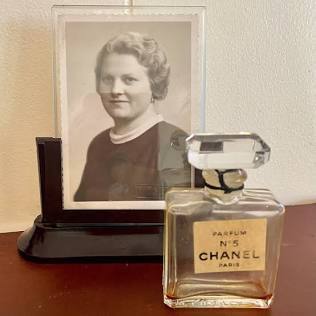
    For true perfume enthusiasts, collecting vintage bottles is a thrilling pursuit. If you are hunting through estate sales or online marketplaces, always check the bottom of the glass for etched alignment marks and specific licensing text. Vintage editions from the mid-20th century often feature a slightly deeper, richer base because they utilized natural animal musks that are no longer used in modern perfumery.

    Pro Insights for Collectors

    If you enjoy exploring the deep cultural history of designer fragrance, you might also want to read our comprehensive guide on how French fashion houses shaped the modern luxury market. Understanding the historical context of the post-war luxury boom helps explain how fragrance became accessible to the general public.

    The Modern Verdict

    Today, this fragrance remains a global powerhouse, consistently ranking among the best-selling scents worldwide. It represents more than just an elegant blend of jasmine, rose, and aldehydes—it stands as a masterclass in enduring brand identity and artistic independence.

    The Modern Verdict

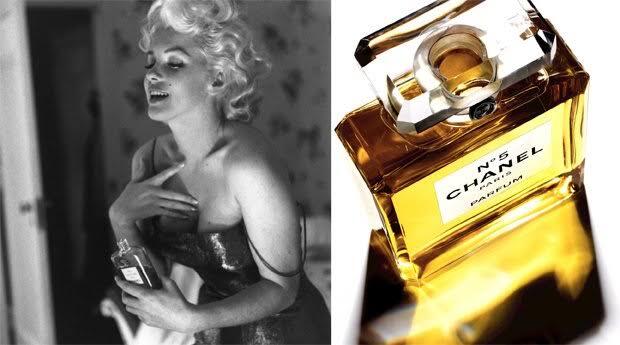
    Whether you wear it daily or keep a bottle on your vanity as a piece of design history, its cultural weight is undeniable. From its origins as a daring laboratory experiment to its endorsement by stars like Marilyn Monroe, it continues to define the pinnacle of high-end perfumery.

    Conclusion

    The history of Chanel No. 5 is a fascinating journey through accidental chemistry, artistic rebellion, and brilliant marketing strategy. By breaking the restrictive rules of the 1920s, Coco Chanel and Ernest Beaux created a timeless masterpiece that outlasted hundreds of short-lived trends. It continues to capture our collective imagination because it offers a perfect balance of crisp, clean brightness and deep, sensual warmth. Embracing this scent is like wearing a living piece of art that continues to evolve with every single spray.

    Did you find this helpful? Drop a comment below or share this with a fellow fragrance lover!

    Frequently Asked Questions

    Q1: Why is the history of Chanel No. 5 considered so important to modern perfumery?

    A: It represents the first time a major fashion designer created a signature scent from scratch rather than relying on existing fragrance houses. It completely popularized the use of synthetic aldehydes, shifting the entire industry away from simple, literal floral replication toward complex, artistic, and abstract scent compositions that lasted longer on the skin.

    Q2: Is the Chanel No. 5 available today the exact same formula as the 1921 original?

    A: Not perfectly identical, though it is incredibly close. Over the last century, global ingredient safety standards and animal welfare regulations have required subtle reformulations. Chanel carefully sources its raw materials from its private fields in Grasse to ensure the modern formulation retains the exact character, sparkle, and depth of the classic original.

    Q3: What do aldehydes actually smell like in a perfume composition?

    A: Aldehydes add a brilliant, effervescent brightness that many describe as clean, soapy, or metallic. They give the initial spray a distinct lift, mimicking the crisp sensation of frozen winter air or freshly laundered linen. This brightness helps push the heavier underlying floral notes out into the room.

    Q4: Why did Marilyn Monroe give the fragrance such a massive boost in popularity?

    A: During a famous 1952 interview, when asked what she wore to bed, Marilyn Monroe iconically replied, “Just a few drops of Chanel No. 5.” This unfiltered, genuine endorsement instantly linked the fragrance with ultimate Hollywood glamour, sensuality, and modern femininity, driving massive global consumer demand that persists to this day.

    Q5: How can I tell if a vintage bottle of Chanel No. 5 is authentic?

    A: Look for precise, high-quality glass clarity, perfectly straight label positioning, and crisp typography. Vintage bottles typically feature a hand-wrapped thread seal around the neck secured with a wax or plastic stamp. The bottom of genuine bottles will usually feature distinct molded glass branding and clear volume markings rather than cheap adhesive paper stickers.

    Q6: What is the main difference between the Eau de Parfum and the Parfum versions?

    A: The Parfum is the highly concentrated, rich extract that stays close to the skin, emphasizing warm jasmine and rose. The Eau de Parfum was actually developed in the 1980s by perfumer Jacques Polge; it features a much louder, amplified burst of sparkling aldehydes and woody notes designed for a stronger scent cloud.

    Why Expensive Perfumes Don’t Always Last Longer

    How to Keep Your Body Fresh All Day: The 12-Hour Blueprint

  • Best Baccarat Rouge 540 Dupes That Actually Smell the Same

    What you’ll learn:

    • Why Baccarat Rouge 540 became one of the most cloned scents in modern perfumery
    • The exact notes that make BR540 smell the way it does
    • Our top-tested dupes, from budget clones to designer-level alternatives
    • Common mistakes people make when shopping for a dupe (and how to avoid them)

    Introduction

    If you’ve ever caught a warm, amber-sweet trail on someone in an elevator and thought “what IS that?” — there’s a good chance it was Baccarat Rouge 540. Finding the right Baccarat Rouge 540 dupes has become something of a sport among fragrance lovers, and for good reason: a full bottle of the original can run well over $300.

    That price tag has turned BR540 into one of the most reverse-engineered scents of the last decade. Perfume houses big and small have raced to bottle that same saffron-and-amber warmth for a fraction of the cost.

    Some of these dupes are genuinely impressive. Others miss the mark entirely, leaning too sweet, too synthetic, or too far off the mineral, almost-metallic signature that makes the original so distinctive.

    We’re breaking down which ones are actually worth your money, what makes BR540 smell the way it does, and how to shop smart so you don’t end up with a bottle of scented disappointment. Let’s dive in.

    Why Baccarat Rouge 540 Is So Widely Copied

    Baccarat Rouge 540 was created by perfumer Francis Kurkdjian in 2015, originally to mark Baccarat’s 260th anniversary as a crystal house. Nobody, including Kurkdjian himself, expected it to become a viral sensation nearly a decade later.

    Part of what makes it so beloved — and so imitated — is its unusual structure. It’s built around ethyl maltol (that cotton-candy sweetness), saffron, jasmine, ambergris, and a mineral, almost “hot glass” facet from a molecule called Ambroxan.

    That combination creates something that doesn’t smell quite floral, quite gourmand, or quite woody. It smells like warm skin, sweet smoke, and expensive candles all at once. That’s a hard formula to nail — which is exactly why so many brands have tried.

    According to industry fragrance trend reports, Ambroxan-forward “skin scent” fragrances have seen a dramatic surge in demand since 2020, with BR540-style formulas cited repeatedly as the category’s biggest driver.

    Why Baccarat Rouge 540 Is So Widely Copied

    The Best Baccarat Rouge 540 Dupes, Ranked

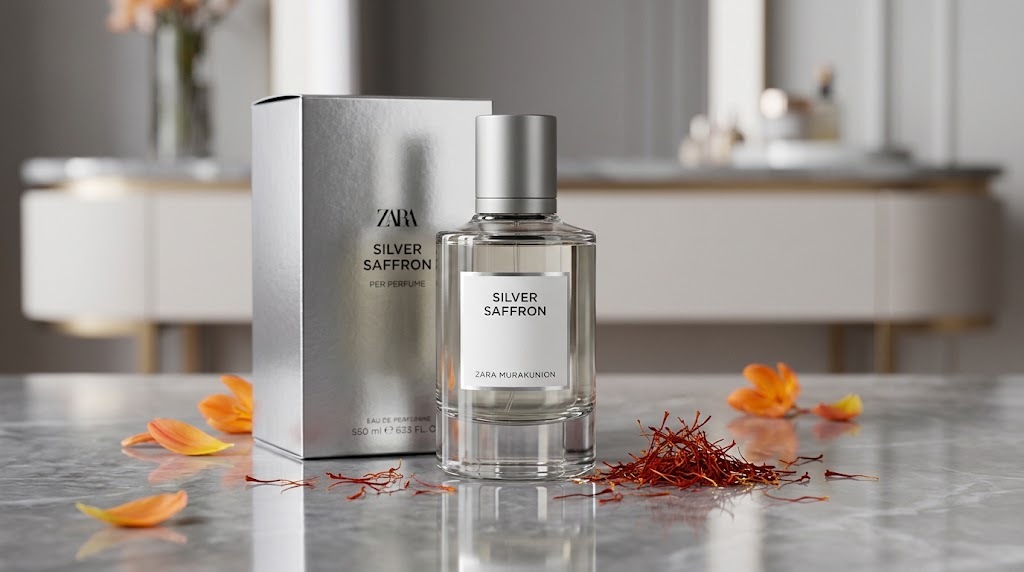
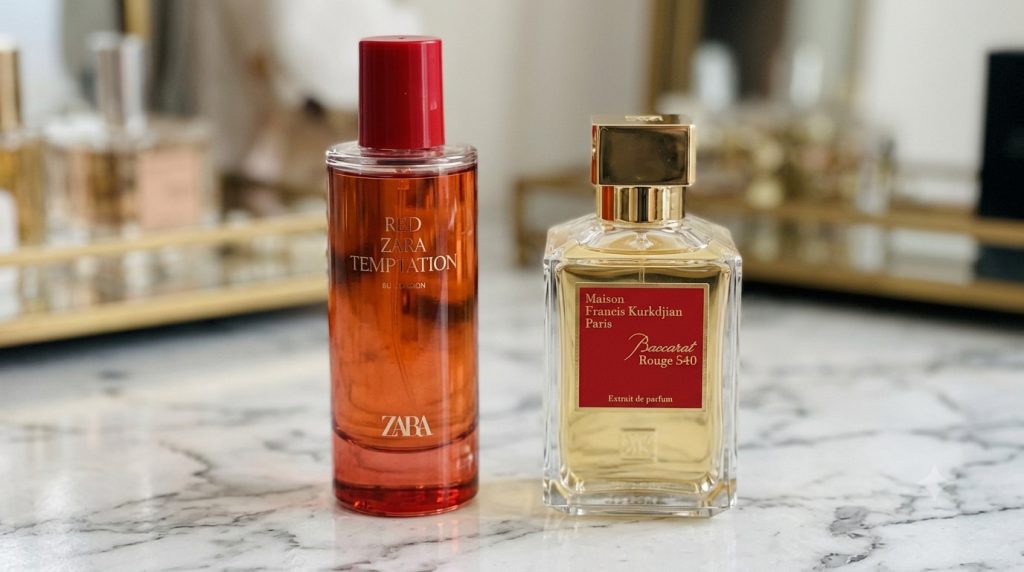
    1. Zara Silver Saffron

    Zara’s Silver Saffron is, hands down, the most talked-about budget dupe on this list. For around $18, it captures the saffron-amber opening remarkably well.

    Where it falls short is longevity. It fades faster than the original and loses some of that mineral “glow” in the drydown. Still, for the price, it’s an excellent way to test whether you even like the BR540 profile before spending more.

    Layer it with a plain Ambroxan-based body oil if you want to stretch its wear time on skin.

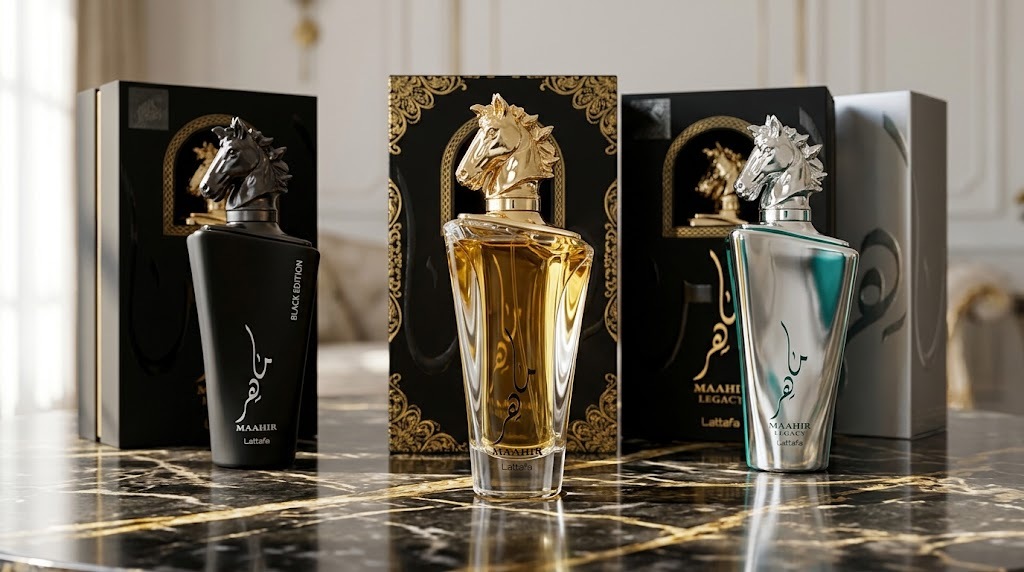
    2. Lattafa Maahir

    Lattafa has built a reputation for producing surprisingly polished clones, and Maahir is one of their strongest efforts. It leans slightly sweeter and more amber-heavy than the original, but the bones are unmistakably BR540.

    At roughly $25–35 for 100ml, it also wins on sheer value. The projection is strong for the first two hours, then settles into a soft, skin-close warmth.

    Many fragrance forums rank this as the closest match under $50, and in side-by-side wear tests, it holds up impressively well against pricier options.

    The Best Baccarat Rouge 540 Dupes, Ranked

    3. Armaf Club de Nuit Sillage

    Not to be confused with the brand’s original Club de Nuit line, this Sillage flanker takes clear inspiration from BR540’s amber-saffron DNA while adding a slightly spicier, more masculine edge.

    It’s a great pick if you love the original but want something with a touch more depth for cooler weather. The sillage (as the name suggests) is genuinely impressive for a fragrance in this price bracket.

    4. Maison Margiela’s “Jazz Club” (Adjacent, Not Identical)

    This one isn’t a true dupe, but it’s worth mentioning for anyone who loves the warm, ambery mood of BR540 without wanting an exact copy. Jazz Club trades the saffron for rum and tobacco, landing in a similar emotional space — cozy, warm, a little smoky.

    If you’re someone who wants “the vibe” of BR540 rather than a carbon copy, this is a smart designer-tier alternative.

    5. Alexandria Fragrances Rouge 540 Extrait

    For those willing to spend a bit more, Alexandria Fragrances offers what many consider the most faithful clone on the market, right down to the mineral, “hot stone” quality in the base.

    It’s marketed transparently as inspired-by, and reviewers consistently note that side by side with the original, it’s difficult to tell them apart in a blind smell test.

    How to Shop for Baccarat Rouge 540 Dupes: A Step-by-Step Guide

    1. Start with a sample, not a full bottle. Skin chemistry changes everything with amber-Ambroxan blends — what smells identical on a testing strip can shift on your skin.
    2. Check the note breakdown before buying. Look for saffron, jasmine, amber, and Ambroxan (sometimes listed as “ambroxide” or “amber accord”) specifically.
    3. Read reviews from people with similar skin type. Dry skin tends to mute the sweetness; oily skin amplifies it.
    4. Test in both hot and cool weather if possible. BR540-style scents behave very differently in summer heat versus winter cold.
    5. Compare longevity claims critically. Marketing copy often overstates wear time — cross-check with third-party reviews.
    6. Buy from sellers with clear return policies. Clone houses vary wildly in quality control between batches.

    Common Mistakes People Make When Buying a Dupe

    Assuming “smells the same in the bottle” means “smells the same on skin.” Bottle sniffs are misleading. Amber and Ambroxan react heavily with individual body chemistry, so always test on skin before judging.

    Chasing the cheapest option only. The bargain-bin dupes ($5–10) almost always use synthetic substitutes that smell harsh or “chemical” rather than warm. You generally get what you pay for, up to a point.

    Ignoring longevity and sillage differences. A dupe can smell 90% identical on first spray and still wear completely differently four hours later. Don’t judge a fragrance in the first ten minutes.

    Believing every dupe is a scam-free purchase. Not every seller is transparent about being “inspired by” versus falsely branding a product. Stick to reputable retailers with clear labeling.

    Expert Tips for Getting the Most Out of Your Dupe

    Layering is your best friend with any BR540-style dupe. A thin layer of unscented body lotion underneath any of these fragrances helps the amber base cling to skin longer, closing the longevity gap with the original.

    Spray on pulse points and one spray higher, like the collarbone or back of the neck, rather than clothing. These scents are designed to be warmed by body heat, and fabric doesn’t replicate that effect nearly as well.

    If you’re curious how BR540 compares to other amber-forward icons, it’s worth exploring how it stacks up against fragrances like Mancera Cedrat Boise or Kilian’s Rose Oud — both share some of that same warm, resinous character.

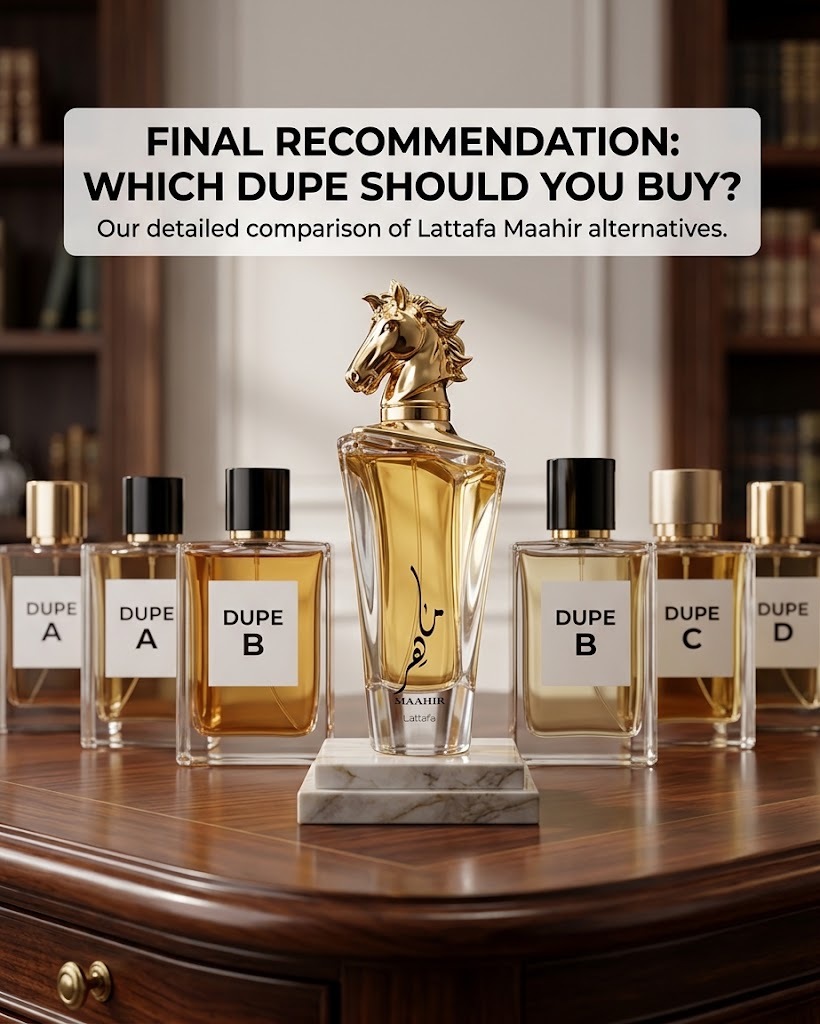
    Final Recommendation: Which Dupe Should You Buy?

    If you’re just testing the waters, start with Zara’s Silver Saffron — it’s cheap, easy to find, and gives you an honest first impression of the BR540 profile.

    If you want something closer to daily-wear reliability, Lattafa Maahir offers the best balance of accuracy, longevity, and price.

    And if budget isn’t the main concern and you want the closest possible match, Alexandria Fragrances’ Extrait version is worth the splurge.

    Final Recommendation Which Dupe Should You Buy

    Conclusion

    Finding the right Baccarat Rouge 540 dupes doesn’t have to mean settling for a watered-down version of a scent you love. From budget-friendly options like Zara’s Silver Saffron to closer matches like Alexandria Fragrances’ Extrait, there’s a version out there for nearly every budget and preference.

    The key is testing before committing, paying attention to how each one develops on your specific skin, and not assuming price always equals quality. Sometimes the $25 bottle genuinely does the job.

    Did you find this helpful? Drop a comment below or share this with a fellow fragrance lover!

    Frequently Asked Questions

    Q1: What is the closest dupe to Baccarat Rouge 540? A: Alexandria Fragrances’ Rouge 540 Extrait is widely considered the closest match, closely followed by Lattafa Maahir. Both replicate the saffron-amber-Ambroxan structure with strong accuracy, though skin chemistry can shift results slightly from person to person.

    Q2: Why is Baccarat Rouge 540 so expensive? A: Its price reflects the luxury positioning of the Baccarat and Maison Francis Kurkdjian brands, high-quality ingredients like natural jasmine and saffron, and the premium packaging tied to Baccarat’s crystal heritage.

    Q3: Do cheap Baccarat Rouge 540 dupes actually work? A: Many budget dupes capture the opening notes surprisingly well, but often fall short on longevity and depth in the drydown. They’re a great low-cost way to sample the scent family before investing more.

    Q4: What notes make Baccarat Rouge 540 smell the way it does? A: The signature comes from saffron, jasmine, amberwood, and Ambroxan — a mineral, slightly sweet base note that gives the fragrance its distinctive “warm glass” quality.

    Q5: Can Baccarat Rouge 540 dupes be worn by anyone? A: Yes, the fragrance and its dupes are largely unisex and popular across genders, thanks to their warm, skin-close character rather than a distinctly masculine or feminine profile.

    Q6: How long do Baccarat Rouge 540 dupes typically last on skin? A: This varies widely by brand and skin type, generally ranging from 4–8 hours for budget dupes to 8+ hours for higher-quality clones, compared to 10+ hours often reported for the original.

    Why Expensive Perfumes Don’t Always Last Longer

    Maison Francis Kurkdjian Grand Soir vs Amouage Interlude Man: Which Luxury Fragrance Is Better in 2026?

  • How TikTok Completely Changed the Perfume Industry in 3 Years

    What you’ll learn:

    • Why the TikTok perfume industry boom happened so fast — and why it isn’t slowing down
    • How #PerfumeTok turned unknown niche brands into overnight sellouts
    • The biggest myths about “TikTok perfumes” that fragrance lovers still believe
    • Practical tips for finding your next signature scent without falling for hype

    Introduction

    Three years ago, most people bought perfume the old-fashioned way: wandering through a department store, spritzing a few testers, and asking a sales associate for help. Today, a huge chunk of fragrance shoppers make their decisions after watching a fifteen-second video. That shift is the TikTok perfume industry story in a nutshell, and it has rewritten the rules for everyone from massive luxury houses to one-person indie perfumeries.

    I’ve watched this unfold in real time, both as a fragrance obsessive and as someone who writes about scent for a living. What started as a niche corner of the app — people sniffing bottles on camera and rating them out of ten — turned into one of the most powerful marketing forces the beauty world has ever seen.

    Bottles sold out in hours. Discontinued scents got resurrected. Entire brands were built almost exclusively on video shares. If you’ve wondered how a single app managed to reshape an industry that’s existed for centuries, you’re in the right place. Let’s dive in.

    Why This Matters: The Rise of #PerfumeTok

    To understand how big this shift really is, it helps to look at the numbers. The global fragrance market was valued at roughly $50 billion in recent years, and industry analysts have repeatedly pointed to social video platforms as one of the fastest-growing discovery channels for beauty purchases, alongside traditional retail and word of mouth.

    TikTok didn’t just add another advertising channel to that ecosystem. It changed the actual decision-making process. Scent, by nature, is impossible to convey through a screen — you can’t smell a video. Yet creators found workarounds: describing notes in vivid, relatable language, filming reactions, comparing dupes side by side, and building entire personas around fragrance expertise.

    Why This Matters The Rise of #PerfumeTok

    That combination of authenticity and sensory storytelling is exactly what makes the TikTok perfume industry phenomenon so different from a magazine ad or a celebrity endorsement. It feels like a friend’s recommendation, even when millions of people are watching.

    The Main Ways TikTok Reshaped Fragrance

    1: Micro-Influencers Became More Powerful Than Celebrities

    For decades, fragrance marketing leaned on A-list celebrity faces — think classic campaigns fronted by movie stars and pop icons. TikTok flipped that model. A creator with 40,000 followers and a genuine passion for niche scents could move more product than a six-figure celebrity campaign, simply because their audience trusted their nose.

    Brands noticed fast. Smaller fragrance houses like Kayali, DedCool, and Phlur leaned into creator partnerships instead of traditional ad buys, and it paid off in a way traditional marketing rarely could match for the cost.

    The lesson for the industry was simple: relatability now beats star power, at least when it comes to convincing someone to click “add to cart” on a $150 bottle they’ve never smelled.

    2: “Dupe Culture” Exploded

    Perfume dupes — cheaper fragrances designed to smell similar to expensive originals — existed long before TikTok. But the app turned dupe-hunting into a genre of its own. Videos comparing a $300 niche release to a $20 alternative regularly rack up millions of views.

    This shifted consumer expectations across the board. Shoppers started walking into stores armed with screenshots and comparison charts, asking associates point-blank whether a dupe was “really that close.” Some brands leaned into it playfully; others pushed back hard against comparisons they felt undervalued their formulas.

    Either way, dupe content changed how people justify a fragrance purchase. Price is no longer the automatic proxy for quality it once was — at least not in the minds of TikTok-savvy shoppers.

    3: Discontinued and Niche Scents Got a Second Life

    Perhaps the most fascinating trend is how TikTok resurrected fragrances that brands had all but forgotten. When a single viral video praised a discontinued Bath & Body Works scent or an under-the-radar Jean Paul Gaultier release, resale prices on platforms like eBay sometimes spiked within days.

    Brands took note and began reissuing fan-favorite scents specifically because of TikTok demand — something that would have been unthinkable in the pre-social-media fragrance world, where reformulation decisions moved at a glacial, boardroom pace.

    Practical Tips: How to Navigate Perfume Shopping in the TikTok Era

    If you’re trying to buy fragrance smartly in this new landscape, a few habits go a long way.

    1. Read past the hook. A dramatic reaction video is entertainment first, information second. Look for creators who describe actual notes and longevity, not just facial expressions.
    2. Sample before you commit. Skin chemistry changes everything. A scent that smells incredible on a creator’s wrist may develop completely differently on yours.
    3. Check multiple sources. If five different creators describe a fragrance the same way, that’s a much stronger signal than one glowing review.
    4. Watch for paid partnerships. Sponsored content isn’t inherently dishonest, but it’s worth knowing when a recommendation is compensated.
    5. Give it time. Trends move fast. Waiting a few weeks after a viral spike often means better availability and a clearer picture of whether people still love it once the hype settles.
    How to Navigate Perfume Shopping in the TikTok Era

    Common Mistakes and Myths About TikTok Perfumes

    “If it’s viral, it must be good.” Virality measures engagement, not quality. Plenty of fragrances trend because they’re polarizing or unusual, not necessarily because they’re well-made.

    “Dupes are always identical.” Even close dupes typically use different ingredients and concentrations, which affects how a scent projects and how long it lasts on skin.

    Buying based on a single 15-second clip. Fragrance is a full experience that unfolds over hours, moving through top, heart, and base notes. A short video can only ever capture a sliver of that.

    Ignoring longevity and sillage discussions. Viral videos tend to emphasize the opening spray, but how a scent wears over six or eight hours matters far more for everyday enjoyment.

    Expert Tips for Building a Collection Beyond the Hype

    After years of following fragrance trends closely, my best advice is to treat TikTok as a discovery tool, not a decision-maker. Use it to build a list of scents you’re curious about, then do the old-fashioned legwork: sample strips, wear tests, and honest conversations with retail staff who know their catalog inside and out.

    It’s also worth following a mix of creator types — some who focus on luxury houses, others who specialize in budget-friendly finds, and a few “nose” enthusiasts who talk formulation and note breakdowns in depth. That variety keeps your perspective balanced instead of algorithm-driven.

    The Bigger Picture: What This Means for Fragrance’s Future

    The TikTok perfume industry effect isn’t a passing fad — it’s a structural shift in how scent gets discovered, discussed, and sold. Brands now build content strategy into product launches from day one, sending early samples to creators months before a public release.

     What This Means for Fragrance's Future

    At the same time, the fundamentals of great fragrance haven’t changed. Quality ingredients, skilled perfumers, and scents that genuinely make people feel good will always matter more than a trending sound or a clever video hook. TikTok simply gave those qualities a louder megaphone — and occasionally, a very loud one for things that don’t deserve it.

    Conclusion

    In just three years, the TikTok perfume industry has gone from a curious subculture to a dominant force shaping what we buy, wear, and talk about. Micro-influencers replaced celebrity ad campaigns, dupe culture rewired how we think about value, and forgotten scents found new life through viral moments no marketing department could have predicted.

    None of that changes the joy of finding a fragrance that feels like you. Use the trends as inspiration, not gospel, and you’ll come away with a collection you genuinely love, hype or no hype.

    Did you find this helpful? Drop a comment below or share this with a fellow fragrance lover!

    Frequently Asked Questions

    Q1: How did TikTok become such a big part of the perfume industry? A: TikTok’s short-video format let creators describe scents through relatable, sensory storytelling, which built trust faster than traditional ads. Brands responded by shifting marketing budgets toward creator partnerships, accelerating the platform’s influence across the entire fragrance industry.

    Q2: Are TikTok-famous perfumes actually good quality? A: It varies. Virality reflects how shareable or dramatic a video is, not necessarily how well a fragrance is formulated. Some viral scents are genuinely excellent, while others trend for novelty. Always sample before assuming a viral scent will suit you.

    Q3: What are perfume “dupes,” and are they worth buying? A: Dupes are affordable fragrances designed to resemble pricier originals. They can be a great budget option, but formulas, longevity, and skin performance often differ from the original, so manage expectations rather than expecting an exact match.

    Q4: Why do some discontinued perfumes suddenly become popular again? A: A single viral video can spark massive renewed interest in an overlooked or discontinued scent, driving up resale demand almost overnight. Some brands have even reissued fragrances specifically because of this kind of social media momentum.

    Q5: How can I avoid impulse-buying perfume because of a trend? A: Give yourself a waiting period after seeing a viral video, and try to get a physical sample before purchasing a full bottle. Skin chemistry varies widely, so what smells incredible in a video may wear differently on you.

    Q6: Is TikTok a reliable place to learn about fragrance? A: It’s a great starting point for discovery, but it works best paired with in-person testing and input from multiple sources. Treat TikTok as inspiration for what to try, not the final word on what to buy.

    10 Perfume Myths Debunked by Fragrance Experts

    Annick Goutal Heure Exquise: Perfume Review

  • Why Expensive Perfumes Don’t Always Last Longer

    What you’ll learn

    • The hidden science behind fragrance concentrations and how they affect longevity.
    • Why high-priced, natural ingredients often evaporate faster than synthetic ones.
    • Practical, expert-backed techniques to extend the lifespan of any scent on your skin.
    • How your specific skin chemistry and application habits impact perfume performance.

    Introduction

    Imagine spending a week’s grocery budget on a gorgeous, gleaming bottle of luxury perfume. You unbox it with high expectations, mist it onto your skin, and step out the door feeling like royalty. But by lunchtime, the magnificent aroma has completely vanished. It is an incredibly frustrating experience that leaves many beauty lovers asking: why expensive perfumes fail to last as long as cheap drugstore dupes?

    The truth is that price and longevity do not always walk hand in hand in the fragrance world. A steep price tag usually guarantees high-quality ingredients, unique artistic compositions, and exquisite packaging, but it does not buy immunity from the laws of chemistry. Understanding the mechanics of scent can completely transform how you shop for and wear your favorite juices. Let’s dive in.

    The Fragrance Price Tag vs. Longevity Myth

    When we pay a premium for luxury goods, we naturally expect superior performance across every single metric. If a coat costs a thousand dollars, we expect it to keep us warm and withstand years of wear. However, fine fragrance operates under a completely different set of rules because perfumery is an art form rooted deeply in volatile organic chemistry.

    Many consumers mistakenly believe that luxury fashion houses and niche perfume brands possess a secret ingredient that locks a scent to the skin for days. In reality, the high cost of premium fragrances usually stems from rare raw materials, intricate extraction processes, global marketing campaigns, and custom-designed crystal bottles. Longevity, conversely, depends almost entirely on the molecular weight of the ingredients and the overall concentration of perfume oils used in the blend.

    The Fragrance Price Tag vs. Longevity Myth

    The Scientific Reasons Behind Scent Evaporation

    To truly understand why expensive perfumes sometimes fade into thin air, we need to look at the anatomy of a fragrance. Every perfume is a carefully calibrated mixture of alcohol, water, and aromatic compounds that evaporate at different rates.

    The Fragrance Pyramid and Molecular Weight

    Perfumes are constructed using a traditional three-tiered structure known as the fragrance pyramid, consisting of top notes, heart notes, and base notes. Top notes are the initial scents you smell right after spraying, typically featuring bright citruses like bergamot, crisp green notes, or light fruits. Because these molecules are incredibly small and light, they flash off your skin within 15 to 30 minutes, regardless of whether the bottle cost $20 or $400.

    Heart notes emerge next, showcasing florals like jasmine, rose, or warm spices like cardamom, lasting for a few hours. Finally, the heavy base notes—such as rich amber, creamy vanilla, earthy patchouli, and warm sandalwood—take over. These dense, heavy molecules evaporate very slowly, anchoring the fragrance to your skin. If an expensive perfume is formulated to be a fresh, uplifting citrus heavy blend, it will naturally fade quickly because it lacks these heavy base anchors.

    Natural Ingredients vs. Synthetic Fixatives

    Niche and ultra-luxury perfume houses pride themselves on using high concentrations of natural absolute oils, sourcing rare ingredients like real Grasse rose, natural oud, or precious Florentine iris. While these naturals offer unparalleled depth, complexity, and richness, they are often highly volatile and delicate.

    Mass-market, budget-friendly perfumes, on the other hand, rely heavily on synthetic aroma chemicals. Modern labs engineer these synthetic molecules specifically to cling to surfaces and resist breaking down. Synthetic fixatives like synthetic musks can stubbornly stick to skin and clothes for days. Therefore, a cheap perfume packed with synthetic linear musks will frequently outlast an expensive, all-natural botanical blend.

    Concentration Levels Demystified

    The label on your bottle dictates the ratio of pure fragrance oil to alcohol solvent, which serves as a major indicator of potential staying power. Eau de Cologne (EDC) contains a mere 2% to 4% oil and is designed to be a fleeting, refreshing splash. Eau de Toilette (EDT) steps things up to 5% to 15% oil, offering a lighter wear ideal for warm daytime environments.

    Eau de Parfum (EDP) is the industry standard for luxury, boasting a robust 15% to 20% concentration that typically ensures a solid six to eight hours of performance. The most expensive category, Extrait de Parfum or Pure Parfum, features anywhere from 20% to 40% aromatic compounds. Interestingly, because Extraits contain less alcohol to lift the scent into the air, they often sit very close to the skin as an intimate scent bubble rather than projecting loudly across a room.

    Fragrance TypeOil ConcentrationAverage LongevityBest Suited For
    Eau de Cologne (EDC)2% – 4%1 – 2 HoursPost-shower refresh, hot summer days
    Eau de Toilette (EDT)5% – 15%3 – 5 HoursDaytime wear, casual outings, office
    Eau de Parfum (EDP)15% – 20%6 – 8 HoursEvening wear, colder weather, versatile daily use
    Extrait de Parfum20% – 40%8+ HoursSpecial occasions, intimate settings

    How to Maximize Your Fragrance Longevity

    If you have already invested in a beautiful luxury scent that seems to disappear too quickly, do not despair. You can significantly extend the life of your favorite juices by modifying how and where you apply them.

    1. Prep with an Occlusive Moisturizer: Fragrance molecules need something to hold onto, and dry skin is the ultimate enemy of perfume. Applying an unscented lotion or a thin layer of petroleum jelly to your pulse points before spraying creates a rich, emollient barrier that locks the oils in place.
    2. Target Your Pulse Points Strategicially: Focus your sprays on areas where your blood vessels run closest to the skin surface. The warm skin of your wrists, the sides of your neck, behind your ears, and even the inside of your elbows acts as a natural radiator, slowly diffusing the scent throughout the day.
    3. Spray Your Clothing and Hair: Hair and natural fibers like wool, cotton, and cashmere hold onto fragrance molecules far better than human skin. Mist your clothes or spray your hairbrush before running it through your locks to create a beautiful, long-lasting scent trail that lingers for days.
    4. Store Your Bottles Correctly: Direct sunlight, fluctuating temperatures, and bathroom humidity break down the delicate chemical bonds in expensive juices. Protect your investment by keeping your collection in a cool, dark drawer or closet rather than on a sunny windowsill or a damp bathroom counter.
    How to Maximize Your Fragrance Longevity

    Common Perfume Mistakes That Ruin Staying Power

    Many fragrance enthusiasts inadvertently destroy their perfume’s performance through poor application habits. Identifying and correcting these missteps can instantly boost your scent’s lifespan.

    The most common crime committed against fine fragrance is the classic “spray and rub.” Rubbing your wrists together after spraying creates intense friction and localized heat. This mechanical energy prematurely crushes the delicate top notes, forcing the perfume to skip its beautiful opening act and altering the intended development of the scent. Instead, simply spray the juice and let it air-dry naturally on your skin.

    Another frequent mistake is relying on the “spray, step, and walk” cloud method. While walking through a mist of perfume feels incredibly glamorous, the vast majority of the expensive product ends up settling onto your carpet or bathroom tiles. This wasteful technique leaves only a minuscule amount of scent on your body, ensuring it will evaporate completely within an hour or two. Always apply the product directly to your body for maximum efficiency.

    Pro Insights into Skin Chemistry and Olfactory Fatigue

    To truly master the art of wearing scent, we have to look at the biological factors that dictate how we perceive our own perfumes.

    Your unique skin chemistry plays a massive role in how a fragrance develops and persists. Factors such as your skin’s natural pH level, diet, hydration status, and even stress levels can drastically alter the scent profile. For instance, oily skin types naturally retain fragrance molecules much longer because their skin oils act as built-in fixatives. If you possess a dry skin type, you will naturally consume fragrance molecules at a much faster rate, meaning you will need to reapply more frequently.

    Furthermore, you might think your expensive perfume has completely vanished when, in reality, everyone around you can still smell it clearly. This psychological phenomenon is known as olfactory fatigue or nose blindness. When your brain is constantly exposed to a specific sensory input, it filters it out as background noise to protect your nervous system from overload. If you wear the same signature luxury scent day after day, your brain will tune it out, tricking you into believing the product has faded.

    Smart Shopping Strategies for Fragrance Lovers

    Now that you understand why expensive perfumes behave the way they do, you can approach the luxury perfume counter with confidence and savvy strategy.

    Smart Shopping Strategies for Fragrance Lovers

    Before dropping hundreds of dollars on a full-sized bottle based on a five-minute impression at a department store counter, always test the juice on your skin for a full day. Request a sample vial or purchase a small decant online so you can track how the scent evolves across several hours in your normal daily environment. Pay close attention to how quickly the top notes transition into the base.

    Additionally, take the time to read the listed scent notes on fragrance databases. If you prioritize exceptional longevity above all else, intentionally steer clear of delicate, citrus-dominant colognes or airy aquatic blends. Instead, look for complex compositions that feature robust, high-performing base notes like Madagascar vanilla, Indonesian patchouli, rich benzoin, labdanum, cedarwood, and heavy white musks to guarantee great performance.

    Conclusion

    At the end of the day, a high price tag simply reflects the artistry, raw material sourcing, and exclusivity of a luxury house—not a mechanical guarantee of timeless endurance. Understanding the natural behavior of scent molecules empowers you to appreciate the fleeting beauty of rare natural ingredients without feeling cheated by their performance. By mastering proper application techniques, hydrating your skin, and choosing composition profiles that suit your lifestyle, you can enjoy your favorite luxury fragrances to their absolute fullest potential.

    Did you find this helpful? Drop a comment below or share this with a fellow fragrance lover!

    Frequently Asked Questions

    Q1: Why do some cheap drugstore perfumes last much longer than my expensive luxury scents?

    A: Cheap perfumes often rely heavily on robust, mass-produced synthetic aroma chemicals and heavy synthetic musks. Chemists engineer these specific synthetic molecules to cling stubbornly to surfaces and resist breaking down. Luxury perfumes, by contrast, frequently utilize delicate, natural essential oils that evaporate much faster despite their high cost and superior ingredient quality.

    Q2: Will buying an Extrait de Parfum ensure that my scent projects loudly across the room?

    A: Not necessarily. Extrait de Parfum formulas contain a very high concentration of oils and less alcohol. Because alcohol is the primary vehicle that causes a fragrance to volatilize and project into the air, an Extrait will often sit closer to the skin as an intimate, rich scent bubble rather than throwing a loud trail across a large room.

    Q3: Can my diet or lifestyle really change how long an expensive perfume lasts on my skin?

    A: Yes, absolutely. Your skin’s hydration levels, your diet, and your personal hormone levels directly impact your skin’s natural moisture balance and lipid levels. Oily skin naturally binds to fragrance molecules and extends their lifespans, while dry skin, dehydration, consuming spicy foods, or drinking alcohol can cause your skin to consume or reject scents much faster.

    Q4: How can I tell if my expensive perfume has actually faded or if I am just experiencing nose blindness?

    A: The easiest way to test for olfactory fatigue is to check with someone else. Ask a trusted friend or family member if they can smell your perfume from an arm’s length away. Alternatively, you can step out into the fresh air for an hour or spray the scent onto a clean fabric scarf in another room, returning later to see if the aroma is still present.

    Q5: Does the color of the perfume liquid give any clues about its potential longevity?

    A: Often, yes. Deeply colored juices—ranging from rich ambers and warm yellows to dark browns—usually indicate a high concentration of heavy, natural raw ingredients like vanilla resins, jasmine absolute, patchouli, or warm spices. These dense ingredients possess high molecular weights, which almost always translate to superior staying power on your skin.

    Q6: Should I store my expensive perfume bottles inside the refrigerator to make them last longer?

    A: While keeping perfumes cool is highly beneficial, a standard kitchen refrigerator is generally too cold and can cause the essential oils in delicate blends to crystallize or separate. The best storage solution is to keep your precious bottles tucked inside their original cardboard boxes, placed deep within a cool, dark bedroom closet or drawer.

    10 Perfume Myths Debunked by Fragrance Experts

  • 10 Perfume Myths Debunked by Fragrance Experts

    What you’ll learn

    • Why your current perfume storage strategy might be ruining your expensive bottles.
    • The scientific truth behind rubbing your wrists together after spraying.
    • How to properly evaluate the longevity and performance of a fragrance.
    • Expert techniques to make your signature scent last all day without over-spraying.

    Introduction

    Finding your signature scent is a beautiful, deeply personal journey. However, the world of scent is filled with misinformation, which is why we need these 10 perfume myths debunked by actual industry pros. If you have ever been told how to store, apply, or judge a fragrance by a well-meaning friend, there is a high chance you received incorrect advice.

    Misconceptions pass down through generations like family heirlooms, causing people to waste precious juice and alter the beautiful chemistry of their luxury bottles. Whether you love a rich, woody oud or a sparkling, fresh citrus, knowing the absolute truth about your bottles will completely change your daily routine. Let’s dive in.

    Hard Facts: Why Scent Misconceptions Affect Your Wallet

    Understanding how your favorite juices operate on a molecular level is crucial before we break down the most common misconceptions. The global fragrance market is a massive, multi-billion dollar luxury industry. Brands invest heavily in master perfumers, also known as “noses,” who spend years balancing delicate synthetic molecules and natural essential oils.

    When consumers fall for common marketing traps or outdated old wives’ tales, they inadvertently ruin these complex creations. This leads to altered scent profiles, poor performance, and ultimately, wasted money. Educating yourself on the true science of olfaction ensures you get the absolute most out of every single spray.

    Why Scent Misconceptions Affect Your Wallet

    The Core Breakdown: 10 Perfume Myths Debunked

    The world of perfumery contains a fascinating mix of art, chemistry, and romance. Unfortunately, this creative blend also makes it incredibly easy for false information to spread. Let’s peel back the curtain and look at the real science behind your favorite luxury fragrances.

    Rubbing Your Wrists Together Bonds the Scent

    This is easily the most common habit in the entire beauty world. You spray your wrists, press them together, and rub vigorously. Most people assume this friction embeds the oil into the skin or helps activate the notes.

    In reality, rubbing your wrists together creates friction that generates unexpected heat. This heat prematurely breaks down the delicate top notes, such as volatile citruses and light florals. You are essentially skipping the beautiful opening of your fragrance and rushing straight to the middle notes, ruining the perfumer’s intended composition.

    The Bathroom Counter is the Perfect Storage Spot

    It looks incredibly chic to display your gorgeous glass bottles on your bathroom counter or a brightly lit windowsill. It feels convenient to grab your signature bottle right after a warm shower.

    However, this habit is a death sentence for delicate essential oils. Bathrooms experience extreme temperature fluctuations and high humidity, which stress the chemical bonds of your juice. Combined with direct sunlight, this environment accelerates oxidation, turning your expensive juice sour, dark, and flat within months.

    True Luxury Perfumes Only Contain Natural Ingredients

    Many clean beauty enthusiasts believe that synthetic chemicals are inherently bad and that high-end houses only use 100% natural flower extracts. This could not be further from the truth.

    In fact, modern perfumery relies heavily on high-quality synthetic molecules for stability, safety, and creative freedom. Synthetic elements allow perfumers to recreate scents that cannot be extracted naturally, like crisp marine notes or warm, comforting amber. Furthermore, synthetics are often much safer for sensitive, allergy-prone skin than unpredictable raw naturals.

    Spraying a Scent Cloud and Walking Through It Works Best

    We have all seen this cinematic technique in movies and commercials. A person sprays a massive, dramatic cloud of mist into the air and gracefully walks through it to coat themselves evenly.

    While it feels incredibly luxurious, this method is a massive waste of expensive product. Most of the fine mist settles directly onto your bathroom tiles or carpet, leaving only a tiny fraction on your body. To get the full value out of your bottle, you must apply the juice directly to your warm skin.

    If You Can’t Smell Your Own Perfume, It Has Faded

    It is incredibly frustrating when you spray a powerful scent in the morning, only to realize you can no longer smell it by lunchtime. Many people assume the formulation is weak or has completely disappeared.

    Before you reapply and overwhelm everyone in the room, understand that your brain is simply protecting you. This phenomenon is called olfactory fatigue, or nose-blindness. Your brain quickly categorizes your familiar daily scent as a safe background element so it can focus on new, potentially dangerous environmental smells.

    Men’s and Women’s Scents Are Chemically Different

    Walk into any department store, and you will find a rigid separation between the pour homme and pour femme sections. The packaging, marketing, and bottle designs scream that gender boundaries are absolute.

    Chemically speaking, scent has absolutely no gender. The separation is purely a modern marketing construct designed to appeal to societal norms. Men can smell absolutely incredible in powdery, sweet roses, while women can effortlessly rock deep, earthy vetiver and smoky tobacco blends.

    All Perfumes Last Exactly the Same Amount of Time

    Consumers often get frustrated when a gorgeous, expensive citrus scent disappears after three hours, while a heavy vanilla oil lasts into the next day. They assume the shorter-lived bottle is simply poor quality.

    Longevity depends entirely on the fragrance concentration and the molecular weight of the ingredients. Citrus notes have tiny, light molecular structures that evaporate very rapidly. Conversely, heavy base notes like rich sandalwood, dark oud, and sweet vanilla possess large, dense molecules that cling to surfaces for days.

    Fragrances Smell Identical on Every Single Person

    Testing a magnificent scent on a friend or a paper blotting strip is a great starting point. However, buying a bottle based solely on how it smells on someone else is a massive gamble.

    Your unique skin chemistry plays a massive role in how a fragrance evolves. Factors like your skin’s natural lipid levels, diet, stress hormones, and even skin temperature alter the final olfactory profile. A scent that turns creamy and sweet on your friend might turn intensely sharp or sour on your own skin.

    Tester Bottles in Stores Are Much Stronger

    A persistent conspiracy theory claims that fragrance houses deliberately fill department store tester bottles with highly concentrated juice. The theory suggests this trick fools consumers into making a purchase based on amazing performance.

    In reality, brands would face massive legal penalties, counterfeiting lawsuits, and supply chain nightmares if they manufactured two separate versions of the same juice. Tester bottles come directly from the exact same manufacturing batches as the retail boxes sitting on the shelves behind them.

    High Concentrations Like Parfum Are Always Better

    It is easy to assume that higher concentration designations like Eau de Parfum or Extrait de Parfum are always superior to a lighter Eau de Toilette. People naturally associate high price tags with better overall experiences.

    While higher concentrations do contain more pure oils, they often sit much closer to the skin and lack projection. An Eau de Toilette contains more volatile alcohol, which creates a larger, more dramatic scent bubble around you. Depending on the weather and setting, the lighter version is often the superior choice.

    Your Step-by-Step Guide to Maximizing Scent Longevity

    Now that we have reviewed these 10 perfume myths debunked by science, let’s look at actionable steps to maximize your scent game. Follow this expert routine to ensure your favorite bottles perform beautifully all day long.

    1. Hydrate Your Canvas First: Always apply an unscented moisturizer or a thin layer of petroleum jelly directly to your skin before spraying. Dry skin quickly drinks up the precious oils, whereas hydrated skin gives the molecules something to securely latch onto.
    2. Target Your True Pulse Points: Focus your sprays on the warmest areas of your body where blood vessels sit closest to the surface. Your inner wrists, the base of your throat, behind your ears, and even the backs of your knees act as natural, heat-activated diffusers.
    3. Master the Perfect Spraying Distance: Hold your bottle roughly five to seven inches away from your skin when spraying. This specific distance allows the alcohol to mist perfectly and create an even layer, rather than pooling into a wet, dripping mess.
    4. Let the Juice Dry Naturally: Once applied, leave the wet spots completely alone. Allow the alcohol to evaporate naturally over the course of five minutes to preserve the complex progression of top, middle, and base notes.
    5. Protect Your Physical Collection: Move your precious bottles out of the bathroom immediately. Store them securely inside a dark bedroom closet, a dresser drawer, or even inside their original cardboard boxes to maintain a completely stable temperature.
    Your Step-by-Step Guide to Maximizing Scent Longevity

    3 Critical Application Mistakes You Need to Avoid

    Even seasoned collectors can fall into bad habits that hinder their daily scent experience. Avoid these three critical mistakes to keep your scent bubble clean and sophisticated.

    • Over-Spraying to Compensate for Nose-Blindness: If you can no longer smell your signature daily scent, do not desperately add five extra sprays. You will quickly overwhelm your coworkers, friends, and anyone sharing an elevator with you. Instead, ask a trusted friend if they can still perceive your scent.
    • Spraying Clean Fragrances Directly Onto Delicate Fabrics: While spraying your clothes can help a scent last longer, spraying highly concentrated oils onto delicate silks, crisp whites, or soft suede can leave permanent, greasy stains. Stick to spraying your skin or the inner linings of heavy coats.
    • Shaking Your Bottles Before Application: Many people treat their expensive perfumes like a bottle of fresh salad dressing, shaking it vigorously before spraying. This unnecessary action introduces ambient air into the bottle, which accelerates oxidation and slowly degrades the quality of the oils inside.

    Pro Insights: Understanding the Architecture of Olfaction

    To truly elevate your appreciation for fine perfumery, you must understand the classic fragrance pyramid. Every masterfully crafted scent is structured with a distinct opening, heart, and base that unfolds slowly over hours.

    Scent LayerTypical Evaporation TimeCommon Ingedient Notes
    Top Notes5 to 15 MinutesBergamot, Lemon, Grapefruit, Mint, Basil
    Heart (Middle) Notes2 to 4 HoursLavender, Jasmine, Rose, Cinnamon, Nutmeg
    Base Notes6 to 24+ HoursVanilla, Sandalwood, Amber, Patchouli, Oud

    By understanding this natural progression, you can easily predict how a new purchase will behave throughout the day. You will no longer judge a complex creation solely on its first five minutes of spray time, saving you from impulse buys you might later regret.

    Final Recommendations for the Ultimate Scent Experience

    Curating a beautiful collection should bring joy, confidence, and a touch of daily luxury to your lifestyle. Don’t let rigid rules or outdated misconceptions ruin the fun of experimenting with new combinations.

    Invest in a small, portable travel atomizer if you are deeply concerned about longevity throughout a long workday. This allows you to safely refresh your lighter citrus or floral juices in the afternoon without ruining your master bottles at home. Treat your collection like fine wine, give it a cool, dark home, and always trust your own nose above marketing trends.

    Final Recommendations for the Ultimate Scent Experience

    Conclusion

    Navigating the complex world of fine fragrance becomes incredibly easy once you have these 10 perfume myths debunked by actual chemical facts. By ditching the bad habits of rubbing your wrists and storing your bottles in a humid bathroom, you protect your financial investments and enjoy your scents the way master perfumers intended.

    True fragrance appreciation is all about personal expression, sensory joy, and a bit of practical science. Now that you are armed with real industry knowledge, you can confidently build a collection that turns heads for all the right reasons. Did you find this helpful? Drop a comment below or share this with a fellow fragrance lover!

    Frequently Asked Questions

    Q1: How long does an unopened bottle of perfume typically last if stored correctly?

    A: An unopened bottle can easily last anywhere from three to five years, and sometimes much longer, if kept away from light and heat. The airtight seal prevents oxidation from starting. However, once you spray the bottle for the very first time, oxygen enters the chamber and slowly begins the natural aging process of the juice inside.

    Q2: Can I store my expensive perfume bottles inside a clothing refrigerator?

    A: Yes, using a dedicated skincare or beverage refrigerator is an excellent option for serious collectors. The constant, cool, and stable temperature slows down chemical degradation perfectly. Just ensure the refrigerator is not set to freezing temperatures, as extreme cold can cause the natural oils and synthetic elements to separate permanently.

    Q3: Why does my favorite perfume smell completely different than it did five years ago?

    A: This usually happens due to industry reformulations. Global regulatory bodies regularly update safety guidelines, sometimes banning or restricting classic ingredients due to newly discovered skin allergens. When this happens, luxury houses must reformulate the juice using alternative ingredients, which can subtly alter the original smell and longevity you remember.

    Q4: Is it safe to spray high-quality perfume directly into my hair for a longer-lasting trail?

    A: You should avoid spraying standard perfume directly onto your hair on a daily basis. The high alcohol content can dry out your strands and cause brittleness over time. Instead, spray your favorite scent onto your hairbrush and let the alcohol evaporate for a few seconds before brushing, or invest in a dedicated, alcohol-free hair mist.

    Q5: What is the main difference between linear and non-linear fragrances?

    A: A linear scent is formulated to smell exactly the same from the first initial spray until it completely fades off your skin hours later. A non-linear fragrance goes through a distinct, evolving journey, transitioning clearly from bright top notes down into the rich base notes over time. Both styles have unique benefits depending on your preferences.

    Q6: Why do some cheap perfumes give me an immediate headache?

    A: Headaches are usually triggered by specific scent synthetics or low-quality solvents rather than the price tag itself. High concentrations of heavy synthetic musks or intense white florals can overstimulate your nasal passages and trigger a physical reaction. If you are sensitive, try switching to lighter concentrations or testing scents on your clothes instead of directly under your nose.

    How to Know When Your Perfume Has Expired: The Ultimate Guide

  • How to Know When Your Perfume Has Expired: The Ultimate Guide

    What you’ll learn

    • The exact sensory warning signs that reveal a spoiled fragrance.
    • Why certain perfume families degrade much faster than others.
    • Practical testing methods to check a bottle’s current freshness.
    • Pro-grade storage secrets to double the lifespan of your collection.

    Introduction

    We have all been there. You reach for that gorgeous, luxury bottle of perfume you saved for special occasions, press the atomizer, and take a deep breath. Instead of the lush, intoxicating cloud of jasmine or warm vanilla you expected, your nose is hit with something resembling nail polish remover or old vinegar. It is a heartbreaking moment for any fragrance lover. Learning how to know when your perfume has reached its expiration date can save you from a major olfactory disappointment and protect your skin from potential irritation.

    Many people treat fragrance like fine wine, assuming that a beautiful bottle will simply get better, richer, and more complex with age. Unfortunately, the reality of fragrance chemistry is quite different. Perfume is a delicate chemical blend of alcohol, water, and volatile essential oils or synthetic aroma compounds. Over time, exposure to environmental factors causes these components to break down. Let’s dive in.

    How Long Do Fragrances Actually Last?

    Before we look at the physical warning signs, we need to understand the typical timeline of a fragrance’s lifecycle. Unlike a carton of milk, a bottle of eau de parfum does not come with a stark, mandatory expiration date stamped boldly on the glass. Instead, most cosmetic manufacturers use a small symbol on the box or bottle known as the Period After Opening (PAO) indicator. This icon looks like a tiny open jar with a number followed by the letter “M,” such as 24M or 36M, indicating that the product is formulated to remain stable for 24 or 36 months after your very first spray.

    On average, a standard bottle of perfume lasts between three to five years from its manufacture date. However, this is not a hard-and-fast rule. Some pristine, unopened bottles can remain perfectly intact for a decade, while poorly stored bottles might turn sour in under a year. The longevity of your scent depends heavily on its specific olfactory family, chemical formulation, and how you treat it.

    How Long Do Fragrances Actually Last

    The Chemical Culprit: Why Scents Break Down

    To understand the lifecycle of a scent, we have to look at oxidation. The moment you press down on a fresh atomizer for the first time, you introduce ambient oxygen into the sealed bottle. Oxygen is the ultimate enemy of fragrance oils. As air mixes with the liquid, a slow chain of chemical reactions begins, systematically altering the molecular structure of the juice.

    Furthermore, light and heat accelerate this degradation process exponentially. Ultraviolet rays from direct sunlight break the chemical bonds that hold the aromatic molecules together. High temperatures cause the volatile top notes to evaporate within the bottle, leaving behind a unbalanced, distorted version of the original masterpiece.

    The Sensory Warning Signs of Expired Perfume

    When you want to evaluate a bottle in your collection, your three best diagnostic tools are your nose, your eyes, and your skin. Let us look closer at how to analyze these specific shifts.

    The Smell Test: Sniffing Out the Truth

    The absolute most reliable indicator of a spoiled fragrance is a dramatic change in the scent profile itself. When a perfume expires, the volatile, fleeting top notes—such as bright citrus, crisp greens, and delicate fruits—are always the first to vanish or distort. You will often notice a sharp, harsh, or chemical opening that smells strongly of rubbing alcohol, plastic, or household vinegar.

    As the middle and base notes begin to oxidize, the fragrance loses its depth and radiance. A once-creamy vanilla might start smelling unpleasantly smoky or stale, while a crisp floral can take on a heavy, dusty, or damp cardboard aroma. If the juice smells flat, sour, or completely unrecognizable compared to when you first bought it, the chemical bond has fundamentally changed.

    The Visual Test: Checking Color and Clarity

    If you are wondering how to know when your perfume has turned, a quick visual inspection can provide instant clues. Take your bottle to a well-lit room and examine the liquid closely. One of the most common visual indicators of oxidation is a distinct darkening or yellowing of the juice. For instance, a clear or pale pink liquid might morph into a deep amber, burnt orange, or dull brown hue over time.

    Beyond color shifting, keep a sharp eye out for changes in clarity. Fresh perfume should be perfectly translucent and free of debris. If you notice a cloudy appearance, milky separation, or actual particulate matter floating at the bottom of the glass, the oils have separated from the alcohol base. This physical separation is an undeniable sign that the formula has degraded past the point of return.

    The Texture and Performance Test

    Sometimes, a perfume might pass the initial sniff test but reveal its age through its physical consistency and performance on your skin. When you spray the fragrance onto a piece of testing paper or your wrist, pay attention to how the liquid feels. If it leaves a distinctly thick, oily, or uncharacteristically sticky residue that refuses to absorb, the carrier compounds have likely broken down.

    You might also notice a major drop in longevity and sillage. An expired perfume often loses its staying power entirely. A scent that used to project beautifully for eight hours might suddenly vanish from your skin within twenty minutes of application. This happens because the heavy fixatives in the base notes have lost their ability to anchor the lighter aromatic molecules.

    The Longevity Scale of Different Scent Profiles

    Not all fragrances are created equal when it comes to shelf life. The specific ingredients used to blend your favorite scent dictate how gracefully it will age over the years.

    Fragrance FamilyAverage LifespanVulnerability LevelKey Reasons
    Citrus & Green1 – 2 YearsVery HighLight, volatile molecules oxidize rapidly
    Light Florals2 – 3 YearsModerateDelicate synthetic and natural accords shift easily
    Chypre & Fruity3 – 4 YearsLowBalanced structure with grounded mid-notes
    Woody & Oriental5+ YearsVery LowHeavy, dense base resins act as natural stabilizers

    Why Citrus and Floral Scents Turn Quickly

    If your collection is packed with bright, sparkling summer scents, you need to monitor them closely. Citrus oils, like bergamot, lemon, grapefruit, and mandarin, consist of highly volatile, lightweight molecules. These structures are incredibly sensitive to oxygen exposure.

    Similarly, light, airy floral notes like lily of the valley, peony, and white iris rely on delicate synthetic accords. Once oxidation kicks in, these notes rapidly lose their freshness, turning sour or completely evaporating, which leaves the fragrance feeling sharp, hollow, and unbalanced.

    Why Woody and Oriental Scents Last Longer

    On the flip side, heavy, rich oriental and woody fragrances are built to survive the test of time. Scents that feature prominent base notes of rich patchouli, warm amber, earthy vetiver, cedarwood, and rich Madagascar vanilla inherently possess a much longer shelf life.

    The molecules making up these dense base notes are larger, heavier, and far more chemically stable than their citrus counterparts. In fact, some high-quality patchouli, sandalwood, and oud-based perfumes can actually deepen and improve in complexity over five to ten years, behaving much more like a fine, cellared wine.

    Step-by-Step Guide to Testing Your Perfume Collection

    If you have an impressive fragrance wardrobe and want to figure out how to know when your perfume needs to be tossed, follow this systematic evaluation routine.

    1: The Paper Blotter Test

    Never spray a suspected expired perfume directly onto your skin right away. If the oils have oxidized, they can cause contact dermatitis, redness, or itchy allergic reactions. Instead, take a clean, unscented paper blotter strip or a plain white index card.

    Spray the fragrance two or three times onto the paper from a distance of six inches. Let the liquid settle for a few seconds to allow the initial blast of alcohol to dissipate naturally, then take a gentle sniff.

    2: Track the Evolution

    Do not make your final judgment based solely on the first sniff. Let the paper strip sit on a clean desk or counter, and revisit it at regular intervals over the next few hours. Check it at the thirty-minute mark to evaluate the heart notes, and check it again after four hours to see how the base notes smell.

    An expired fragrance will often completely fall apart during this evolution, leaving behind an unpleasant, sour, or metallic chemical trail rather than a smooth, beautiful dry-down.

    3: Check the Spray Mechanism

    While evaluating the juice, take a moment to look at the mechanical state of the bottle itself. Is there crusted, green, or brown residue building up around the rim of the nozzle? Has the spray mechanism become stiff, sticky, or leaky?

    Crusted residue around the atomizer nozzle indicates that old, stagnant perfume oils have dried up and oxidized right at the opening. This residue can contaminate the fresh juice every single time you press the pump, ruining the entire bottle.

    Common Myths and Mistakes About Perfume Expiration

    There are dozens of misconceptions circulating on social media regarding how to handle, test, and preserve luxury fragrances. Let us debunk the biggest offenders.

    Step-by-Step Guide to Testing Your Perfume Collection

    Keeping Perfume on the Bathroom Vanity

    This is the absolute most common—and destructive—mistake a fragrance collector can make. Displaying your gorgeous Chanel or Dior bottles on a marble bathroom counter or an open vanity looks stunning for photos, but it is a fast-track ticket to a spoiled scent.

    Bathrooms experience radical, rapid swings in both temperature and humidity every time someone takes a hot shower. This constant heating and cooling cycle stresses the chemical bonds of the perfume, causing it to spoil in a fraction of its natural lifespan.

    The Refrigerator Fix-All

    Many beauty influencers swear by storing their entire perfume collection inside a standard kitchen refrigerator right next to the milk. While keeping your fragrance cool does slow down the oxidation process, a standard food fridge is actually too cold.

    The extreme cold can cause the delicate essential oils to crystallize and separate from the alcohol base. Even worse, taking the bottle out of the freezing fridge into a warm room to apply it creates sudden temperature shocks that generate internal condensation, accelerating spoilage.

    Pro Tips to Extend the Shelf Life of Your Fragrances

    If you want to maximize your investment and ensure your signature scents last for many years to come, implement these expert-approved storage habits.

    Embrace the Dark and Cool

    The absolute best environment for a luxury fragrance is a dark, temperature-controlled space with minimal humidity fluctuations. A dark bedroom closet, a deep dresser drawer, or a dedicated cabinet are all ideal sanctuaries for your collection.

    If you are a serious collector with hundreds of rare or vintage bottles, you might even consider investing in a specialized cosmetic refrigerator. These devices keep a constant, mild temperature of around 55°F (12°C), which perfectly preserves delicate aroma compounds without shocking them.

    Keep the Original Box

    Never throw away the sturdy cardboard box that your perfume came in! While it is tempting to discard the packaging to display the bare glass bottles, those boxes are custom-designed to protect the juice from light exposure.

    Storing your perfume inside its original box provides an extra, highly effective layer of insulation against both damaging UV light rays and ambient temperature drops.

    Avoid Shaking the Bottle

    Unlike certain beauty products or medicines, perfume should never be shaken before use. Shaking the bottle vigorously forcefully introduces unwanted air bubbles throughout the liquid, instantly increasing the level of internal oxidation.

    Always handle your bottles gently, picking them up securely by the heavy glass base rather than the decorative cap to avoid accidental drops and spills.

    What to Do When a Perfume Has Expired

    If you have completed your evaluations and confirmed that a beloved bottle has officially turned sour, it is time to say goodbye. Using an expired, oxidized perfume directly on your skin is highly discouraged by dermatologists. The altered chemical compounds can cause skin sensitization, painful rashes, and dark pigmentation patches when exposed to sunlight.

    If you love the bottle design too much to throw it away, you can carefully pop off the atomizer, safely dispose of the spoiled liquid down the drain, wash the glass out with rubbing alcohol, and display the empty bottle as a gorgeous piece of vanity decor.

    Conclusion

    Understanding how to know when your perfume has expired is a crucial skill for anyone building a thoughtful fragrance collection. By keeping a sharp eye out for deepening colors, tracking shifts in scent clarity, and using your nose to detect sour, vinegary, or metallic notes, you can easily protect yourself from bad scent days and potential skin irritation.

    Treat your fragrance collection like the valuable liquid art that it is. Invest a little bit of time into proper storage by hiding your bottles away from the harsh light and humidity of your bathroom, and they will reward you with beautiful, intoxicating performance for many years to come.

    Did you find this helpful? Drop a comment below or share this with a fellow fragrance lover!

    Frequently Asked Questions

    Q1: Can using an expired perfume cause actual harm to my skin?

    A: Yes, it absolutely can. When the essential oils and chemical aromatics inside a perfume oxidize over time, they form completely new chemical byproducts. Applying these degraded compounds directly to your skin can easily trigger contact dermatitis, causing redness, itching, burning, or allergic hives. If a fragrance smells off, stop applying it to your body immediately.

    Q2: Does unopened perfume expire if it has never been sprayed?

    A: Unopened perfume does last significantly longer than an opened bottle because the factory seal keeps oxygen out. However, it can still expire eventually. If the bottle is stored in a hot, sunny room, the ambient heat penetrating the glass will slowly break down the internal chemical bonds over time, even if the factory seal remains completely unbroken.

    Q3: How can I find the exact manufacture date of my perfume bottle?

    A: You can easily check the specific manufacture date by looking for the printed batch code. This is a short alphanumeric code stamped on the bottom of the glass bottle or the cardboard packaging. You can plug this code into trusted online cosmetic databases like CheckFresh or CheckCosmetic to find the exact month and year your bottle was manufactured.

    Q4: Do solid perfumes expire faster than traditional liquid spray perfumes?

    A: Solid perfumes typically have a shorter shelf life than liquid spray perfumes. Solid formulas use a base of natural waxes and vegetable oils, such as beeswax, jojoba oil, or shea butter. These natural cream bases oxidize and turn rancid much faster than the high-proof denatured alcohol base used to preserve standard liquid spray perfumes.

    Q5: Can I save a spoiled perfume by mixing it with fresh alcohol?

    A: No, you cannot reverse the oxidation process once it has occurred. Once the chemical bonds of the fragrance oils have broken down and turned sour, adding new alcohol or mixing it with other ingredients will not fix the smell. It will only dilute the unpleasant, oxidized odor without restoring any of the original, beautiful top notes.

    Q6: Why does my perfume smell different but the color looks completely normal?

    A: The volatile top notes of a fragrance can oxidize and degrade long before the heavier base notes or artificial colorants show any visible signs of shifting. If your nose clearly tells you that the juice smells sour, sharp, or metallic, trust your sense of smell over your eyes. The fragrance has started to turn.

    How to Buy Perfume Online Without Smelling It First

  • Zara Red Temptation vs. Baccarat Rouge 540: Is the $30 Clone Worth It?

    What you’ll learn:

    • How Zara Red Temptation actually compares to Baccarat Rouge 540, note by note
    • Whether the longevity and sillage hold up against the $325 original
    • The specific situations where the dupe makes sense — and where it doesn’t
    • Our honest verdict on whether this $30 bottle deserves a spot in your collection

    Introduction

    If you’ve spent any time in the fragrance corners of TikTok, you’ve probably seen someone comparing Zara Red Temptation vs Baccarat Rouge 540 and swearing the resemblance is uncanny. It’s a bold claim, considering one bottle costs about $30 and the other runs north of $300.

    I’ll admit I was skeptical too. Maison Francis Kurkdjian’s Baccarat Rouge 540 isn’t just a perfume — it’s a cultural moment, the scent that launched a thousand “what are you wearing” compliments. So when Zara quietly released a fragrance that smelled suspiciously familiar, fragrance lovers took notice fast.

    I bought both bottles, wore them side by side for two weeks, and tracked everything from opening notes to how they held up after eight hours. This isn’t a quick sniff-test opinion — it’s a full breakdown of where the dupe delivers and where it quietly falls short.

    Let’s dive in.

    Why Baccarat Rouge 540 Became the Standard Everyone Copies

    Before comparing the two, it helps to understand why Baccarat Rouge 540 became such a phenomenon in the first place.

    Released in 2015, it was built around a rare ingredient called ambroxan combined with saffron and jasmine, creating a warm, ambery, faintly sweet trail that’s unlike almost anything else on the market. The fragrance industry has since seen a wave of “540-inspired” releases from mainstream and indie brands alike, a trend perfumers often cite as one of the most imitated fragrance profiles of the past decade.

    That popularity is exactly why dupe culture exploded around it. When a $325 bottle becomes a genuine status symbol, budget brands take notice — and Zara, known for translating runway trends into affordable basics, saw an opening in fragrance too.

    Why Baccarat Rouge 540 Became the Standard Everyone Copies

    What Red Temptation Actually Smells Like

    This is where things get interesting, because the honest answer is: it’s close, but not identical.

    The Opening

    Baccarat Rouge 540 opens with a bright, almost effervescent burst of saffron and jasmine that feels slightly medicinal in the best way — sharp, clean, and a little unusual. Zara Red Temptation opens sweeter and softer, leaning more into a straightforward fruity-floral accord rather than that saffron sharpness.

    Within the first ten minutes, you can tell these are cousins, not twins. The DNA is similar, but the original has a complexity in the opening that the dupe simplifies.

    The Heart

    Once the fragrance settles, the resemblance grows stronger. Both develop that signature warm, ambery, slightly sweet quality that made Baccarat Rouge 540 famous. Zara’s version does a genuinely impressive job replicating this middle stage — it’s the closest the two ever get.

    If you’re going for that “warm skin but better” effect people love about the original, Red Temptation nails this phase reasonably well for the first few hours.

    The Drydown

    This is where the gap widens again. Baccarat Rouge 540’s drydown is rich, resinous, and long-lasting, with woody and ambergris-like facets that linger for hours. Zara’s drydown thins out noticeably faster and loses much of that depth, settling into a simpler, more generic sweet-musk finish.

    How to Test the Difference Yourself: A Step-by-Step Comparison

    If you want to run your own side-by-side test at home, here’s the method I used:

    1. Spray both on clean skin, one on each wrist, at the same time.
    2. Smell at the 15-minute mark to compare opening notes without interference.
    3. Check again at 2 hours when the heart notes fully emerge.
    4. Do a final check at 6–8 hours to compare longevity and drydown.
    5. Ask a friend for a blind sniff test — scent memory can trick your own nose over time.
    6. Note the sillage by asking someone to stand a few feet away and describe what they notice.

    This method removes a lot of the bias that comes from hype or price expectations, and it’s the fairest way to judge any dupe against its inspiration.

    How to Test the Difference Yourself A Step-by-Step Comparison

    Common Mistakes People Make When Buying Perfume Dupes

    Chasing dupes can be fun, but it’s easy to set yourself up for disappointment. Here are the mistakes I see most often.

    Expecting an identical scent. A dupe captures the spirit of a fragrance, not a molecule-for-molecule copy. Expecting perfection sets you up to feel let down.

    Ignoring longevity differences. Cheaper fragrances almost always use a lower concentration of oils, which means shorter wear time regardless of how close the opening smells.

    Judging only from the first spray. As we saw above, the opening can be deceptively similar while the drydown tells a very different story.

    Assuming cheaper always means “fake.” Zara isn’t selling counterfeit Baccarat Rouge 540 — it’s an original formulation inspired by a popular scent profile, which is legal and common in the fragrance industry.

    Pro Tips From a Fragrance Enthusiast’s Perspective

    After years of testing dupes against designer originals, a few things consistently separate a good clone from a mediocre one.

    First, apply dupes more liberally than you would a designer scent. Because concentration tends to be lower, two or three sprays instead of one helps close some of the longevity gap.

    Second, layer strategically. A light spritz of an unscented body oil underneath Red Temptation can help the sweetness sit closer to skin longer, mimicking that lived-in warmth Baccarat Rouge 540 is known for.

    Third, save your dupe for daytime or office wear, and reserve the real thing for evenings or special occasions if you own both. This is exactly how I use my own collection, and it makes each bottle feel like it has a clear purpose rather than competing with the other.

    Final Verdict: Should You Buy Zara Red Temptation?

    So, does the $30 bottle deserve a spot next to the $325 original?

    If your goal is to smell warm, ambery, and vaguely luxurious without spending real money, Zara Red Temptation earns its keep. The opening and heart notes get impressively close for the price, and it performs well as a daytime, everyday option.

    But if you’re hoping it will fool a Baccarat Rouge 540 wearer up close, or last as long on your skin, it won’t quite get there. The drydown is simpler, the longevity shorter, and the overall complexity noticeably reduced.

    Should You Buy Zara Red Temptation

    Conclusion

    Comparing Zara Red Temptation vs Baccarat Rouge 540 comes down to expectations. As a budget-friendly way to explore that warm, ambery, saffron-adjacent style without commitment, Red Temptation genuinely delivers more than most drugstore dupes manage. It’s not a replacement for the original, but it’s a smart, low-risk way to enjoy a similar mood on a Tuesday.

    For $30, it’s hard to argue with the value, even if the two aren’t quite twins.

    Did you find this helpful? Drop a comment below or share this with a fellow fragrance lover!

    Frequently Asked Questions

    Q1: Does Zara Red Temptation smell exactly like Baccarat Rouge 540? A: Not exactly. The opening and heart notes are close, especially the warm, ambery middle stage, but the opening is softer and the drydown fades faster and simpler than the original.

    Q2: How long does Zara Red Temptation last on skin? A: Expect around 4–6 hours of noticeable wear, compared to 8+ hours for Baccarat Rouge 540, which uses a higher oil concentration for longer-lasting sillage.

    Q3: Is it legal for Zara to sell a fragrance similar to Baccarat Rouge 540? A: Yes. Perfume notes and scent profiles generally aren’t protected the way bottle designs or brand names are, so brands can release fragrances inspired by popular scent trends.

    Q4: What’s the best way to apply a Baccarat Rouge 540 dupe for longer wear? A: Apply two to three sprays instead of one, target pulse points like wrists and neck, and consider layering over an unscented moisturizer to help the scent adhere longer.

    Q5: Is Zara Red Temptation unisex? A: Yes, its warm, ambery-sweet profile works well on any wearer, much like the original, which is also marketed and worn as a unisex scent.

    Q6: Should I buy Zara Red Temptation instead of Baccarat Rouge 540? A: It depends on your goal. For everyday wear on a budget, it’s a solid choice. If you want maximum longevity, complexity, and that exact signature scent, the original is still worth the investment.

    The 2026 Zara Fragrance Cheat Sheet: Your Guide to Budget High-End Scents

  • How to Buy Perfume Online Without Smelling It First

    What you’ll learn

    • How to “read” a fragrance description like a perfumer would
    • The sampling strategy that saves you from expensive mistakes
    • Which notes tend to translate well (and badly) from screen to skin
    • Red flags that separate trustworthy fragrance retailers from risky ones

    Introduction

    Buying perfume online without smelling it first can feel like ordering a steak by reading the menu photo — you’re trusting a description to deliver an experience. Yet more fragrance shoppers are doing exactly this every year, skipping the department store counter entirely.

    The truth is, you don’t need a nose stuck in a bottle to make a smart choice. You need to know how to read the clues a listing gives you: notes, concentration, longevity claims, and reviews that actually mean something.

    This guide breaks down the exact process fragrance enthusiasts use to buy blind and still end up loving what lands on their doorstep. No guesswork, no regret purchases sitting in a drawer.

    Let’s dive in.

    Why Online Perfume Shopping Is Booming (And Why It’s Tricky)

    The global fragrance market has been steadily shifting online, with industry data showing prestige fragrance sales growing faster through e-commerce than through traditional brick-and-mortar counters in recent years. Convenience, wider selection, and better pricing all play a role.

    But here’s the catch: fragrance is arguably the most sensory product category there is. Unlike a sweater or a phone case, you genuinely cannot verify the core product experience before checkout.

    That’s where fragrance shopping tips become essential — not to replace your nose, but to give you enough information to predict what your nose would say if it could be there.

    Why Online Perfume Shopping Is Booming (And Why It's Tricky)

    The good news? Perfume notes, concentration levels, and brand reputation follow fairly predictable patterns once you know what to look for. You’re not shooting in the dark — you’re pattern-matching.

    How to Choose Perfume Online: The Core Method

    This is where the real work happens. Learning how to choose perfume online comes down to three skills: reading notes correctly, understanding concentration, and interpreting reviews with a critical eye.

    Learn to Read Fragrance Notes Like a Recipe

    Every perfume listing breaks its scent into top, heart, and base notes — think of it as a recipe card rather than a finished dish description.

    Top notes are what you smell in the first 15 minutes: usually citrus, light florals, or aromatic herbs. They’re vivid but fleeting, so don’t judge a whole fragrance by them alone.

    Heart notes emerge over the next hour and represent the “true” character of the scent — florals like jasmine and rose, spices, or fruity accords typically live here. Base notes (musk, woods, amber, vanilla) are what lingers for hours and what you’ll actually smell on your sweater the next day.

    Understand What Concentration Actually Means

    Eau de toilette, eau de parfum, and parfum aren’t just marketing terms — they indicate the percentage of aromatic compounds in the bottle, which directly affects strength and longevity.

    Eau de toilette typically sits around 5–15% concentration and lasts 3–5 hours. Eau de parfum runs 15–20% and can last 5–8 hours. Parfum or extrait de parfum, the strongest, often exceeds 20% and can last well beyond 8 hours.

    If a listing doesn’t specify concentration, that’s worth noting as a small red flag — reputable sellers are usually specific about this detail.

    Decode Reviews for Real Signal, Not Noise

    Skip reviews that just say “smells amazing!!” and hunt for ones that mention specific comparisons, projection, and longevity on the reviewer’s skin.

    A review noting “similar to Bleu de Chanel but sweeter, lasted 6 hours on me” tells you far more than a five-star rating with no detail. Look for patterns across multiple reviews rather than trusting any single one.

    Practical Tips: Your Step-by-Step Buying Process

    Here’s the exact sequence to follow when you’re ready to buy perfume online without smelling it first.

    1. Start with a scent family you already know you like. If you love Chanel No. 5, look for other aldehydic florals rather than jumping to something totally unfamiliar.
    2. Order a sample or discovery set before committing to a full bottle. Retailers like Sephora, FragranceNet, and Scentbird all offer sample sizes specifically for this reason.
    3. Check the brand’s official site for the official notes list. Third-party sellers sometimes copy incomplete or outdated note breakdowns.
    4. Cross-reference on a fragrance community site. Fragrantica is widely used by enthusiasts to compare notes, longevity ratings, and seasonal recommendations.
    5. Read the return policy before you buy. A seller confident in their product usually allows returns on unopened, and sometimes even lightly used, bottles.
    6. Buy travel-size first if no sample exists. A 10ml bottle is a far smaller gamble than committing to 100ml.
     Your Step-by-Step Buying Process

    Common Mistakes People Make Buying Perfume Online

    1: Judging a scent purely by its top notes. The opening spray is not the whole story — wait for the drydown before deciding you hate it.

    2: Ignoring skin chemistry entirely. The same fragrance can smell different on different people because of skin pH, diet, and even hormone levels — a listing description is an average, not a guarantee.

    3: Buying from unverified third-party sellers for “too good to be true” prices. Counterfeit fragrances are a real problem in the resale market, and they often smell noticeably off compared to authentic bottles.

    4: Skipping the sample stage to save a few dollars. A $5–15 sample set is far cheaper than a $120 bottle you never wear.

    5: Assuming a beloved celebrity or influencer scent will work the same way on you. Notes react differently on every person; social proof is a starting point, not a guarantee.

    Expert Tips for Smarter Online Fragrance Shopping

    Seasoned fragrance collectors tend to build a “scent profile” over time — a mental (or literal) list of notes, houses, and concentrations that have consistently worked for them.

    Pay attention to which base notes you gravitate toward across multiple fragrances you already own. If you notice you consistently love vanilla and sandalwood bases, you can predict with real confidence that a new fragrance built around those notes will likely work too.

    Seasonality matters more than most shoppers realize. Heavier, warmer fragrances with amber, oud, or spice tend to perform better in cooler months, while lighter citrus and aquatic notes shine in warmer weather.

    Weather and humidity also affect projection — a fragrance that feels overwhelming in a humid climate might feel much lighter and more manageable somewhere drier.

    Final Recommendations: Buying Perfume Online With Confidence

    Buying perfume sight unseen (or rather, scent unsmelled) doesn’t have to be a gamble. With the right approach, it can actually be more informed than a rushed counter spray-and-sniff.

    Start small with samples, learn to read notes as a structure rather than a guarantee, and lean on detailed reviews and fragrance communities for a second opinion.

    Buying Perfume Online With Confidence

    Over time, you’ll build the same instinct a longtime collector has — the ability to look at a notes list and know, with reasonable confidence, whether it belongs in your collection.

    Conclusion

    Learning how to buy perfume online without smelling it first really comes down to becoming a better reader — of notes, concentrations, and honest reviews — rather than relying on guesswork.

    Start with samples, trust patterns over single reviews, and give every fragrance the full time it needs to develop on your skin before judging it.

    The perfect bottle is out there, and you don’t need a department store counter to find it.

    Did you find this helpful? Drop a comment below or share this with a fellow fragrance lover!

    Frequently Asked Questions

    Q1: Is it safe to buy perfume online without smelling it first? Yes, as long as you buy from reputable retailers or official brand sites and start with samples. Checking return policies and cross-referencing notes on fragrance community sites significantly reduces the risk of an unwanted purchase.

    Q2: How can I tell if an online perfume listing is accurate? Compare the notes listed against the official brand website, and look for detailed customer reviews that mention longevity and comparisons to other known scents rather than vague praise.

    Q3: What’s the best way to test a fragrance without a store visit? Order a sample vial or discovery set first. Most major fragrance retailers offer these specifically so shoppers can test before committing to a full bottle.

    Q4: Why does the same perfume smell different on different people? Individual skin chemistry, including pH balance, diet, and hormones, interacts with fragrance oils differently, which is why the same bottle can smell slightly different from person to person.

    Q5: How do I avoid counterfeit perfumes when shopping online? Stick to authorized retailers, official brand websites, or well-established marketplaces with verified seller programs. Prices that seem far below market value are a common warning sign of counterfeits.

    Q6: Does eau de toilette or eau de parfum last longer? Eau de parfum generally lasts longer than eau de toilette because it contains a higher concentration of aromatic compounds, typically translating to several more hours of wear time.

    How to Buy Perfume Online Without Smelling It First

  • How to Buy Perfume Online Without Smelling It First

    What you’ll learn

    • How to successfully decode fragrance families and complex scent pyramids.
    • The secret to reading online perfume reviews to predict exactly how a scent wears.
    • A foolproof step-by-step strategy to minimize risk and avoid expensive blind-buying mistakes.
    • How concentration levels like EDP and EDT dramatically alter your fragrance experience.

    Introduction

    Shopping for a new signature scent used to require a trip to a crowded department store counter. Today, the digital fragrance marketplace offers thousands of exquisite bottles at your fingertips. The ultimate challenge is figuring out how to buy perfume online when you cannot actually smell the liquid inside the bottle.

    Blind buying—the art of purchasing a fragrance untested—feels like a high-stakes gamble for many lifestyle enthusiasts. However, once you master the hidden language of the fragrance industry, you can shop with absolute certainty. You do not need physical testers when you have data, science, and structured consumer psychology on your side.

    By learning a few fundamental rules of olfactive mapping, you can accurately predict how a scent will react on your skin. This comprehensive guide will transform the way you browse digital fragrance boutiques forever. Let’s dive in.

    Why Learning How to Buy Perfume Online is a Game Changer

    The global fragrance market is experiencing an unprecedented digital boom, with online sales growing rapidly year over year. Consumers are shifting away from traditional brick-and-mortar counters because online retailers offer unparalleled variety, rare niche discoveries, and highly competitive pricing.

    When you unlock the ability to select scents digitally, you gain access to global indie houses and exclusive European releases that department stores simply do not stock. You are no longer limited to the mass-market releases pushed by aggressive sales associates.

    Furthermore, digital shopping allows you to analyze a fragrance calmly without sensory overload. In a physical store, the air is thick with competing aromas, which quickly fatigues your olfactory receptors. Online, you can evaluate a fragrance profile with a clear, analytical mind.

    Why Learning How to Buy Perfume Online is a Game Changer

    Deciphering the Hidden Language of Scent Profiles

    To successfully master how to buy perfume without a physical tester, you must treat scent descriptions like a roadmap. Every bottle relies on structured architecture, usually broken down into a three-tier scent pyramid.

    When a brand lists its ingredients, they are not just telling you what is inside; they are telling you how the fragrance will evolve over time. Understanding this progression is your primary defense against a bad purchase.

    Decoding the Scent Pyramid

    Every fragrance consists of top notes, heart notes, and base notes. The top notes are the initial burst of aroma you smell immediately upon spraying, often featuring bright citruses like bergamot or sharp green leaves. These notes are highly volatile and dissipate within 15 to 30 minutes.

    The heart notes, or middle notes, emerge just as the top notes fade. Considered the soul of the fragrance, the heart typically features florals like opulent jasmine, fruits, or spices like cardamom, lasting for several hours.

    Finally, the base notes appear. These are heavy, slow-evaporating molecules like warm amber, rich sandalwood, earthy vetiver, and sensual musk that linger on your skin all day. Always buy for the base notes, as they represent the true character of the fragrance during its long lifecycle.

    Understanding Scent Families

    Fragrances are broadly grouped into distinct olfactive families: Fresh, Floral, Oriental (often referred to as Amber), and Woody. If your current favorite scents feature clean, crisp notes, you belong in the Fresh or Woody families.

    If you gravitate toward rich, sweet, and decadent aromas, you will naturally prefer the Amber family, which utilizes heavy vanilla, resins, and spices. Knowing your preferred family instantly eliminates thousands of incompatible options online.

    The Impact of Concentration Levels

    The text on the bottle tells you exactly how potent and long-lasting the juice will be. An Eau de Cologne (EDC) contains roughly 2% to 4% fragrance oils, providing a fleeting, refreshing splash.

    An Eau de Toilette (EDT) features 5% to 15% oil, offering a brighter, more vibrant projection that is perfect for daytime wear. An Eau de Parfum (EDP) bumps the concentration to 15% to 20%, ensuring a dense, rich, and long-lasting trail that easily survives a full work day.

    Parfum or Extrait de Parfum represents the luxury tier, containing up to 40% aromatic compounds. These sit incredibly close to the skin, projecting softly but lasting for 12 hours or more with immense depth.

    Your Step-by-Step Digital Fragrance Shopping Strategy

    Now that you understand the mechanics of perfume construction, it is time to apply that knowledge practically. Follow this structured roadmap every time you prepare to add a new bottle to your virtual cart.

    1. Analyze Your Current Collection: Look at the bottles you already own and love. Look up their profiles on database sites to find their common denominators, such as a recurring patchouli base or a shared mandarin top note.
    2. Cross-Reference Fragrance Databases: Utilize massive crowdsourced encyclopedias like Fragrantica or Basenotes. Plug in the perfume you are eyeing to view community-voted charts detailing its breakdown, longevity, and sillage.
    3. Deconstruct User Reviews Extensively: Ignore reviews that simply say “smells amazing” or “smells terrible.” Look for analytical descriptions that compare the scent to known items, or reviews describing the dry-down process.
    4. Evaluate the Perfumer’s Portfolio: Fragrance houses hire specific “noses” to create their juices. If a master perfumer like Dominique Ropion or Francis Kurkdjian created a scent you adore, look up their other creations.
    5. Factor in Your Climate and Chemistry: Hot, humid weather intensifies heavy, sweet notes, occasionally making them oppressive. Conversely, cold air stalls the evaporation of delicate citrus notes, rendering them nearly invisible.
    Your Step-by-Step Digital Fragrance Shopping Strategy

    Common Mistakes to Avoid When Blind Buying

    The biggest error consumers make when researching how to buy perfume online is falling prey to romantic marketing copy. Copywriters are paid to make a bottle sound like a magical elixir of romance, mystery, and luxury.

    Never purchase a perfume based solely on phrases like “captures the essence of a moonlit midnight breeze.” Focus entirely on the concrete raw materials listed in the olfactive pyramid.

    Another common mistake is purchasing a fragrance purely because it smells phenomenal on a friend or a popular social media influencer. Skin chemistry is heavily dictated by your skin’s lipid levels, diet, and natural pH balance.

    A scent that transforms into a creamy, ethereal vanilla on one person can easily read as synthetic, cloying, or sour on another. Always look at the composition objectively rather than relying on another person’s physical experience.

    Pro Insider Techniques for Low-Risk Shopping

    If you find a highly coveted fragrance but still feel hesitant about purchasing a full 100ml bottle, tap into the decant market. Reputable online discovery platforms allow you to purchase tiny 2ml to 9ml sample vials of authentic luxury juices for a fraction of the cost.

    This allows you to test the juice thoroughly in real-world conditions before investing major capital into a full retail presentation. It is the ultimate bridge between digital shopping and tactile safety.

    Additionally, keep a keen eye out for multi-piece discovery sets offered directly by luxury brands like Maison Francis Kurkdjian, Byredo, or Creed. Many of these houses will credit the cost of the discovery set back to you via a digital voucher if you purchase a full-sized bottle later.

    This completely eliminates the financial risk of exploring high-end niche perfumery online. For more advice on maximizing your collection’s value, check out our guide on how to store your fragrances properly to preserve their shelf life.

    Summary of Your New Online Buying Protocol

    Succeeding in the digital fragrance space requires shifting your mindset from emotional impulse to structured evaluation. By filtering out marketing hyperbole and focusing heavily on base notes, concentration percentages, and community consensus data, you can build an impeccable collection from the comfort of your home.

    Treat every potential purchase as an analytical puzzle. When you align the structural notes with your verified personal preferences, your success rate will climb dramatically.

    Summary of Your New Online Buying Protocol

    Conclusion

    Stepping into the digital marketplace opens up an incredible world of artistic expression and rare olfactory experiences. When you master the science of scent pyramids and understand your personal preferences, learning how to buy perfume online becomes an exciting, deeply rewarding journey. You no longer need to rely on sensory-heavy retail stores to discover your next signature scent.

    Trust the data, pay attention to the base notes, and embrace the thrill of the hunt. Did you find this helpful? Drop a comment below or share this with a fellow fragrance lover!

    Frequently Asked Questions

    Q1: Is it truly safe to learn how to buy perfume online without testing it on my skin first?

    A: Yes, it is highly safe if you follow a methodical evaluation process. By analyzing the base notes, recognizing your preferred scent families, and reading crowdsourced consensus data regarding longevity and performance, you minimize the risk of a bad purchase. Starting with smaller decants or official brand discovery sets also provides an affordable safety net before you invest in large retail bottles.

    Q2: What is the single most reliable indicator that a perfume will smell good to me?

    A: The most reliable indicator is a shared base note configuration with fragrances you already love. If your favorite fragrances consistently utilize a base of patchouli, cedarwood, or white musk, a new perfume incorporating those exact base elements carries a very high probability of appealing to your personal taste.

    Q3: Why does a perfume sometimes smell completely different online compared to when I spray it at home?

    A: This discrepancy occurs because your personal skin chemistry, body temperature, and ambient climate directly influence how fragrance molecules evaporate. Furthermore, marketing descriptions focus heavily on the fleeting top notes, whereas the actual physical experience of wearing the scent is dominated by the long-lasting middle and base notes during the dry-down phase.

    Q4: How do I know if an online perfume retailer is selling authentic products?

    A: Authenticity is guaranteed by shopping with well-established grey-market discounters, authorized beauty retailers, or directly from the official website of the perfume house. Avoid online marketplaces with unverified third-party sellers, extraordinarily low prices that seem too good to be true, or listings lacking clearbatch code documentation.

    Q5: What should I do with a bottle of perfume if I blind buy it and absolutely hate it?

    A: If an online purchase fails to please your nose, you have several excellent options. You can trade or sell the bottle within dedicated online fragrance communities on platforms like Reddit or Facebook Groups, pass it along as a thoughtful gift to a friend whose skin chemistry suits it better, or repurpose it as a luxurious linen and room spray.

    Q6: Does the color of the actual perfume liquid give any clues about how it smells?

    A: Absolutely. While not an exact science due to synthetic dyes, deep amber, dark brown, or rich golden liquids generally signify heavy concentrations of vanilla, resins, woods, and spices. Conversely, clear, pale blue, bright green, or soft pink juices typically point toward light, fresh, aquatic, or delicate floral compositions perfect for warm weather.

    How to Pick a Wedding Fragrance You’ll Never Forget